Support

Cristina Enea parkea

About

If you are seeking a peaceful retreat amidst lush greenery, Cristina Enea Park is the perfect destination for your itinerary. This largest city park, which graces San Sebastián, is recognized as one of the most beautiful and ecologically balanced places in Spain. Situated in a bend of the Urumea River, it serves as the city's "green lungs" and a sanctuary for rare flora and fauna.
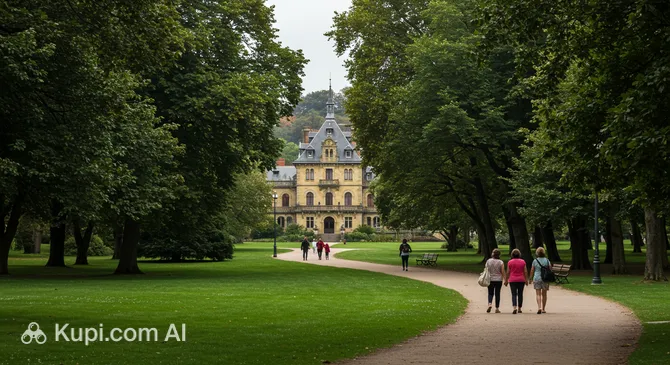
Cristina Enea Park
Cristina Enea Park. Иллюстрация. Источник: Kupi.com AI

The park is a unique example of landscape art, earning a special mention in the prestigious "Landscape" award in 2009. It harmoniously combines open lawns, shaded forest trails, and elegant ponds, creating the atmosphere of an old noble estate that is open to every visitor.

In contrast to the bustling beaches and promenades, this location offers guests a more reflective experience. Cristina Enea Park is famous not only for its picturesque views but also for its rich biodiversity: you can find peacocks, swans, and many exotic trees brought from different corners of the world.

Contacts

For more details on events or information about the environmental resource center, you can contact the administration directly. The park's coordinates will help you easily find your way and plan your visit to this green corner of the city.

Below is the official contact information for inquiries and navigation:

How to contactContact
AddressMandasko Dukearen Pasealekua, 66, 20012 Donostia, Gipuzkoa, Spain
Phone+34 943 45 35 26
Websitewww.cristinaenea.eus

What to Do

A stroll through the park turns into a true botanical journey: here you can encounter majestic giant redwoods, spreading fig trees, and rare specimens of ginkgo biloba. Be sure to visit the local ponds—a favorite habitat for ducks and swans, which are a delight to watch while resting on one of the carved benches.

At the heart of the green zone is the Cristina Enea Foundation (Fundación Cristina Enea). This building is worth visiting for its regular cultural exhibitions and educational projects dedicated to ecology and environmental protection. The foundation building itself is an architectural gem of the park, harmonizing beautifully with the surrounding landscape.

For those who appreciate Belle Époque aesthetics, we recommend entering the park from the side of the famous Maria Cristina Bridge. This route offers magnificent views of the river and showcases how gracefully the city's historical architecture transitions into the natural woodlands of the park.

Getting There

Reaching this natural oasis is easy, as it is located in the heart of San Sebastián. The main entrance is on Mandasko Dukearen Pasealekua, just a 10–15 minute leisurely walk from the city's main train station and central bus station.

If you prefer public transport, several city bus routes stop near the park, connecting various districts with the center. A taxi ride from the central squares takes just a few minutes, which is convenient if you are short on time.

For those who enjoy active travel, well-maintained cycle paths lead to the park. Drivers should note that parking in this area can be quite limited, especially on weekends, making walking or cycling excellent alternatives.

Ближайший город: San Sebastian

History & Facts

The history of this place is inextricably linked to the name of Fermín de Lasala, the Duke of Mandas. In the second half of the 19th century, this influential politician and businessman decided to create a luxurious garden to serve as a quiet haven amidst the urban bustle. The park was named in honor of the Duke's wife, Cristina, to whom it was dedicated.

The Duke of Mandas bequeathed his estate to the city with one important condition: the territory was to remain a public space for all citizens to enjoy forever. After his death, the park officially passed into municipal ownership, becoming a true gift for the region's residents and visitors.

In the early 21st century, the park underwent a major restoration that carefully preserved its historical character and original layouts. Today, antique architectural elements harmoniously coexist with a modern environmental center, continuing the traditions of philanthropy and love for nature established by its founder.

Time Needed

To take a leisurely stroll along the main avenues, feed the ducks by the pond, and enjoy the tranquility in the shade of century-old trees, you should allow about 1.5–3 hours. This is the ideal amount of time to explore the grounds without rushing and visit the foundation's exhibition halls.

If you plan to have a small picnic on the lawn or explore the collection of exotic plants at the environmental center in detail, your stay could extend to half a day. The park invites long contemplation, so don't hesitate to budget more time for relaxation in your itinerary.

Working Hours

The park is warmly open to visitors daily from early morning until late evening. Official opening hours: Monday – Sunday from 06:30 to 22:30. This schedule allows for both a refreshing morning jog and enjoying the evening cool after a full day.

Please note that the hours for the exhibition center and environmental pavilions may differ from the general park access. Depending on the season and daylight hours, working hours may vary slightly, so it is recommended to check the official website for current information before visiting during the winter period.

6:30 – 22:30

Nearby

The park's location makes it easy to combine a nature walk with visits to other iconic city landmarks. Exploring the surrounding area will help you better experience the atmosphere and historical heritage of this seaside resort.

NameDistance
Dabadaba0.2 km
Tabakalera0.3 km
Good Shepherd Cathedral of San Sebastian0.6 km
San Martin Market0.8 km
La Concha Beach1 km
La Madame1 km
Gipuzkoa Square1 km

Reached the end of the page?

That means the route is fully explored