Support

Museum of the Asturian People

About

The Museum of the Asturian People (Muséu del Pueblu d'Asturies) is a unique open-air ethnographic space located in the coastal city of Gijón. Occupying an impressive territory of about 30,000 square meters, this cultural complex in Spain is dedicated to preserving and promoting the traditional way of life of the Asturian people, covering the period from the 19th to the early 20th century.
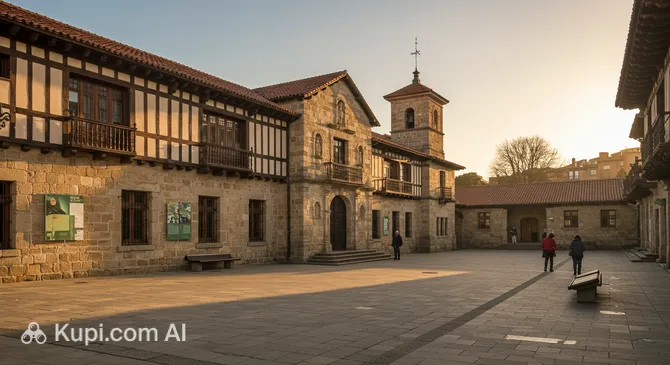
Museum of the Asturian People
Museum of the Asturian People. Иллюстрация. Источник: Kupi.com AI

The atmosphere of an ancient settlement is recreated on the museum grounds: here you can see authentic peasant houses, hórreos and paneras (traditional granaries on stilts), as well as a working cider house. One of the jewels of the collection is the Bagpipe Museum, which houses an impressive collection of bagpipes from across Europe and Africa, highlighting the region's deep musical roots.

Of particular value are not only the buildings but also the rich archives—from old photographs in the Valdés House to recordings of folk songs and oral legends. The museum also preserves a unique natural corner—a brackish lagoon that serves as a reminder of the relict landscapes of the Piles River, making a walk here not only educational but also very picturesque.

Contacts

To contact the museum administration and clarify up-to-date information about special exhibitions or group tours, you can use the official communication channels. The site is managed by municipal authorities and actively maintains contact with visitors via email and telephone.

How to contactContact
AddressPaseo Dr. Fleming, 877, Periurbano - Rural, 33203 Gijón, Asturias, Spain
Phone+34 985 18 29 60
Websitemuseos.gijon.es

What to Do

A visit to the museum turns into a fascinating exploration of Asturian lifestyle. You can step inside an authentic peasant house from the mid-19th century to see how life was organized in those days, examining the rugged but functional furniture and kitchen utensils. Be sure to stop by the sidrería (cider house), which features massive presses that have become a symbol of one of the region's most famous drinks.

Music lovers and history buffs should spend time in the Bagpipe Museum. Here you can not only see rare examples of bagpipes but also listen to recordings of traditional music and learn about the evolution of musical instruments in Asturias. The exhibition halls often feature collections of historical photographs that clearly show the changes in social life over the decades.

For active recreation, there is a court on the grounds for playing cuatrea—a traditional Asturian bowling game. This is a great opportunity to try your hand at an ancient pastime or watch the locals play. After your walk, you can relax by the picturesque lagoon or visit the open-air amphitheater, where folklore concerts and festivals are periodically held.

Getting There

The museum is located at Paseo Dr. Fleming, 877, in the La Güelga district, which harmoniously combines urban and rural landscapes. You can reach it from the city center fairly quickly by public transport. The EMTUSA city bus lines run regularly to the La Güelga stop, which is located in the immediate vicinity of the museum entrance.

If you prefer to travel by car, follow the waterfront along Paseo Dr. Fleming. Parking spaces for visitors are provided near the complex. A taxi ride from the central part of the city or the Jovellanos railway station will take about 10–15 minutes, making the museum accessible even for those with limited time.

For those who enjoy walking, the route from the city center will be a pleasant addition to the excursion. A walk along Gijón's picturesque promenade is about 4–5 kilometers. This is a great way to enjoy the sea air and views of the Bay of Biscay before immersing yourself in the atmosphere of a traditional Asturian village.

Ближайший город: Gijon

History & Facts

The history of this ethnographic complex began in 1968–1969. The idea for the open-air museum, inspired by the great European counterparts of the late 19th century, belonged to Luis Adaro. With the support of local authorities and the Chamber of Commerce, the process of collecting unique architectural objects began—structures that were threatened with destruction in their original locations due to the city's industrial expansion.

The first landmark exhibits were traditional granaries—hórreos and paneras—transported from the parishes of Veriña and San Andrés de los Tacones. They were joined by historical mansions, such as the 17th-century Valdés House and the González de la Vega House, built in 1757. These structures were literally saved from oblivion to tell today's guests about the life of Asturian nobles and peasants of past centuries.

A major milestone in the museum's development was 1994, when the Asturias Pavilion was moved here, which originally represented the region at the Expo92 world exhibition in Seville. Since then, the museum has transformed from a simple collection of buildings into a research center with an extensive photographic archive, a library, and a unique sound library containing recordings of oral folk memory and traditional music.

Time Needed

To leisurely explore the entire vast territory of the museum and carefully study the exhibits in the pavilions, most travelers need about 2–3 hours. The complex is quite large, and walking between authentic structures, such as the peasant houses and the cider house, takes a significant portion of the time.

If you plan to examine the collection of the Bagpipe Museum in detail or spend time in the recreation area playing traditional Asturian games, it is worth setting aside half a day for your visit. This will allow you not only to see the material culture but also to feel the atmosphere of the place, enjoying the peace and beauty of the landscape by the lagoon.

Working Hours

The museum welcomes visitors throughout the week, except for Mondays, when the complex is closed for maintenance. From Tuesday to Friday, the doors are open from 9:30 AM to 6:30 PM. On weekends—Saturday and Sunday—the museum opens a bit later, at 10:00 AM, and continues to receive guests until 6:30 PM.

Please note that entry to the grounds stops some time before the official closing, so it is recommended to arrive no later than an hour before the end of the working day to have time to see the main pavilions.

DayWorking hours
ПонедельникЗакрыто
Вторник9:30 – 18:30
Среда9:30 – 18:30
Четверг9:30 – 18:30
Пятница9:30 – 18:30
Суббота10:00 – 18:30
Воскресенье10:00 – 18:30

Nearby

A walk around the museum's surroundings will allow you to dive even deeper into the atmosphere of the region and see other interesting facets of the city. The location in a green area near the Piles River makes visiting these places particularly pleasant in good weather.

You can complement your cultural itinerary with a visit to majestic architectural monuments or by relaxing in park areas located just a few minutes' drive or walk from the ethnographic complex.

NameDistance
Hermanos Castro Park0.5 km
Plaza de la República1.2 km
San Lorenzo Beach1.3 km
Parkilandia1.4 km
Evaristo Valle Foundation Museum1.4 km
Laboral City of Culture2.1 km
La Escalerona2.1 km

Reached the end of the page?

That means the route is fully explored