Support

Museo Ferrocarril

About

Imagine a place where the power of steam and steel comes to life — this is exactly how the Asturias Railway Museum appears to its guests. Located in the picturesque city of Gijón, this museum is considered one of the most significant technical centers that Spain is proud of. It occupies the majestic building of the old station, built back in 1874, and is located just a few steps from the sea breeze of Poniente Beach.
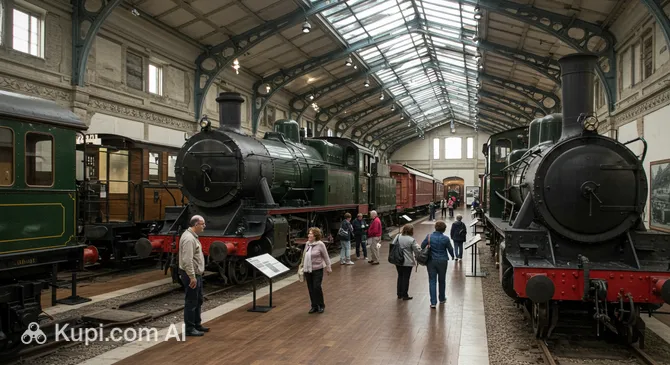
Railway Museum of Asturias
Railway Museum of Asturias. Иллюстрация. Источник: Kupi.com AI

The museum's collection is a true journey through time, spanning over 150 years of railway history. These are not just exhibits, but silent witnesses to the industrial revolution that forever changed the face of Asturias. Vintage locomotives, elegant carriages, and complex equipment tell the story of how rails and sleepers connected cities and the fates of people.

The significance of this place lies not only in its unique technology but also in its atmosphere. Walking between the platforms, visitors can feel the spirit of a bygone era when every train arrival was a grand event. It is a must-see for everyone who wants to see the industrial heart of the region and understand the role transport played in the socio-economic development of the country's northern coast.

Contacts

For planning your visit and clarifying details about the exhibitions, you can use the following contact information:

How to contactContact
AddressPlaza Estación del Nte., s/n, Gijon-Oeste, 33212 Gijón, Asturias, Spain
Phone+34 985 18 17 77
Websitewww.gijon.es

What to Do

The main reason to visit the museum is the opportunity to see up close and even touch giant steam locomotives, electric locomotives, and vintage carriages. The collection impresses with its diversity: from rugged industrial machines to elegant passenger trains of the past. You can examine the details of the railway infrastructure — switches, signal lamps, and massive platforms that recreate the ambiance of a station from a century ago.

Of particular interest are the days when demonstration runs of some working steam locomotives are held. At these moments, the museum is filled with characteristic sounds and smells, allowing you to fully immerse yourself in the atmosphere of the steam age. The permanent exhibition is supplemented by rare photographs and documents that reveal the secrets of building tracks in the difficult mountainous terrain of Asturias.

For curious visitors and families with children, the museum regularly organizes themed workshops and educational programs. You can look into the temporary exhibition halls or spend time in the documentation center, studying archival materials. This interaction makes the visit not just an inspection of machinery, but a fascinating interactive history lesson.

Getting There

Finding the museum is very simple: it is located at Plaza Estación del Norte, s/n, in the western part of the city, just a few steps from the popular Poniente beach. If you are staying in the center, a walk to the museum will take very little time and allow you to enjoy the sea air.

For those who prefer public transport, the city buses heading to the Estación del Norte stop or towards the beach are ideal. Convenient transport links make the site accessible from any area of the city.

If you decide to use a taxi or a rented car, the trip from the central squares will take no more than 5-10 minutes. Parking spaces are provided near the museum territory, which is convenient for travelers with their own vehicles. The fact that the museum is located in a former station building makes it a landmark that is hard to miss.

Ближайший город: Gijon

History & Facts

The official opening of the Asturias Railway Museum took place on October 22, 1998. The choice of location was deeply symbolic: the exhibition is housed within the walls of Gijón's North Station (Estación del Norte), which faithfully served the city from 1874 to 1990. The creation of the museum made it possible not only to preserve an architectural monument but also to save unique examples of technology from oblivion.

One of the most valuable exhibits in the collection is the German steam locomotive Varela de Montes, which came off the assembly line back in 1881. You can also see rolling stock from the legendary Ferrocarril de Langreo company, which was one of the first and most key railway lines in Spain.

A curious detail is the presence of the Asturian pavilion on the museum grounds, which was originally built for the World Expo in Seville in 1992. Two years after the exhibition, it was moved to Gijón and integrated into the museum complex, adding a modern architectural flair to the display.

Time Needed

To leisurely explore all the halls and open areas of the museum, an average visitor will need about 1.5–2 hours. This is enough time to study the main locomotives, peek into the vintage carriages, and read the information boards.

If you are a technology enthusiast, plan to visit the documentation center, or participate in a themed workshop, it is worth allowing at least 3 hours for your visit. Families with children may also need a bit more time, as the interactive elements and large-scale machines invariably delight young guests and make them want to stay longer.

Working Hours

When planning your visit, please take note of the museum's operating hours. The site is open to visitors from Tuesday to Sunday, while Monday is a closing day.

Current opening hours:

  • Tuesday — Friday: 10:00 AM – 7:00 PM
  • Saturday — Sunday: 10:30 AM – 7:00 PM

Please note that the schedule may change on public holidays, so it is recommended to check the information on the official website or verify the details by phone before your trip.

DayWorking hours
ПонедельникЗакрыто
Вторник10:00 – 19:00
Среда10:00 – 19:00
Четверг10:00 – 19:00
Пятница10:00 – 19:00
Суббота10:30 – 19:00
Воскресенье10:30 – 19:00

Nearby

The museum's coastal location makes it an excellent starting point for further exploration of the city. A stroll around the neighborhood will allow you to switch from industrial aesthetics to seaside landscapes or the historic architecture of the old center.

Below are interesting locations within walking distance or a short drive from the railway museum:

NameDistance
Poniente Beach0.1 km
Gijón Aquarium0.4 km
El Rincón de Celia Cider House0.4 km
The Gypsy Tavern0.6 km
El Restallu0.6 km
Las Letronas0.7 km
Mesón Sancho0.8 km

Reached the end of the page?

That means the route is fully explored