Support

Castell de la Suda

About

Atop the high Turó de la Seu Vella hill stands the Suda Castle—a majestic witness to the centuries-old history of the city of Lleida. This unique site, also known as the King's Castle (Castell del Rei), is a monumental complex where Romanesque and Gothic styles are intricately intertwined.
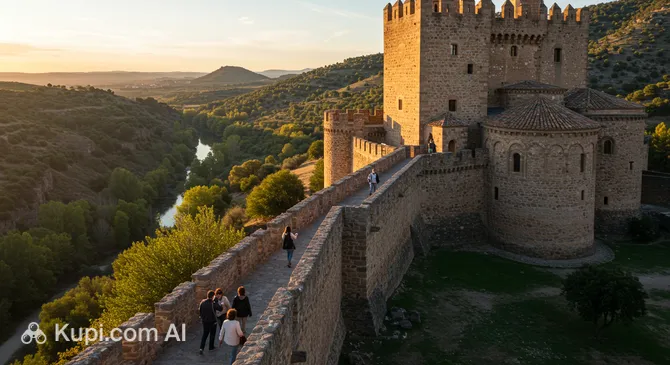
Suda Castle
Suda Castle. Иллюстрация. Источник: Kupi.com AI

Once an impregnable 9th-century Andalusian fortress, today the palace ruins in Spain are recognized as a national monument. The castle covers an impressive area of about eight hectares and is one of the main landmarks of the Catalonia landscape, offering visitors breathtaking panoramic views of the endless plains surrounding the city.

This place is ideal for those seeking a touch of authentic history. The combination of rugged defensive architecture and elegant royal chambers makes the castle a must-see on the itinerary of any traveler interested in the heritage of the Iberian Peninsula.

Contacts

To clarify current information about events or visit details, you can use the official communication channels. Please note that the site is managed by the consortium responsible for the entire historical ensemble of the hill.

How to contactContact
AddressPlaça Hispanoamèrica, 1, 25004 Lleida, Spain
Phone+34 973 23 06 53
Websitewww.turoseuvella.cat

What to Do

The main reason to climb up to the fortress walls is the opportunity to literally touch the layers of history. You can explore the preserved southern wing, where the outlines of powerful square towers, buttresses, and narrow embrasures that once defended the city are still visible.

A walk along the castle's perimeter is a pleasure in itself. There are excellent observation decks here, offering a bird's-eye view of Lleida. Architecture enthusiasts will find it interesting to look into the ancient chapel with its characteristic cross vaults and find the remains of Roman walls at the Lion's Gate, which serve as a reminder that life thrived on this hill even before our era.

A visit to the castle is often combined with a tour of the neighboring Seu Vella Cathedral, creating a complete image of the medieval fortified center. If you happen to be here on a weekend, try to catch one of the themed tours, and for those who prefer a quiet retreat, the fortress grounds provide a wonderful backdrop for a thoughtful photo session or a contemplative stroll.

Getting There

Located at the highest point of the city, on Turó de la Seu Vella hill, the fortress is visible from almost any part of the city. If you prefer walking, the path from the central Plaça de la Seu will take about 15–20 minutes. The ascent follows scenic trails and stairs, offering gradually expanding panoramas of the city.

For those arriving from other regions, it is most convenient to take a train or bus to the Lleida-Pirineus station. From there, you can reach the foot of the hill by taxi in just 5–10 minutes or use city buses No. 7 or No. 8, which will take you to the base of the climb.

Travelers by car should head to the address Plaça Hispanoamèrica, 1. Parking spaces are provided at the foot of the hill and near the entrance to the complex. In summer, driving up is particularly convenient as it avoids a long climb in the sun.

Ближайший город: Lleida

History & Facts

The first mentions of this site date back to 882, when a Muslim kasbah stood on the hill. During the era of Arab rule, the fortress served as a powerful defensive post and even became a refuge for deposed rulers, such as the last Caliph of Cordoba, Hisham III, in the 11th century.

The turning point came in 1149, when the city was captured by the forces of the Counts of Barcelona and Urgell during the Reconquista. From that time on, the castle was transformed into a luxurious royal residence for the Kings of Aragon. It was here in 1214 that a historical event took place—the six-year-old James I was officially recognized and crowned as monarch.

In the following centuries, the architecture of the complex was constantly modified: Gothic towers and an elegant chapel appeared in the 13th and 14th centuries. However, the military fate of the site was harsh. During the War of the Spanish Succession, an explosion in the powder magazine caused serious damage to the buildings, and later the castle was turned into a closed military garrison, maintaining this status until the mid-20th century.

Time Needed

For a quick tour of the ruins and photos against the backdrop of city panoramas, you will need 1 to 2 hours. This is enough time to take a leisurely stroll through the southern wing and study the preserved architectural details of the chapel.

However, experienced travelers recommend setting aside at least 3–4 hours for visiting the entire hill complex. Given the proximity of the majestic cathedral and the climb involved, this time buffer will allow you to enjoy the medieval atmosphere without rushing and take the best photos in different lighting conditions.

Working Hours

Visiting the complex requires prior planning, as access is limited to weekends. On Saturday, the castle is open in two shifts: from 10:00 to 14:00 and after the siesta from 16:00 to 19:30. On Sunday, you can visit the attraction in the first half of the day—from 10:00 to 15:00.

The site is officially closed to visitors from Monday to Friday. It is recommended to check the current schedule on the official website before your visit, as opening hours may change depending on the season or holiday events.

DayWorking hours
ПонедельникЗакрыто
ВторникЗакрыто
СредаЗакрыто
ЧетвергЗакрыто
ПятницаЗакрыто
Суббота10:00 – 14:00, 4:00 – 19:30
Воскресенье10:00 – 15:00

Nearby

A visit to Turó de la Seu Vella hill is a comprehensive adventure, as the region's most important monuments are concentrated here. Exploring the surroundings of the fortress will allow you to see how closely the military and spiritual history of the city are intertwined.

NameDistance
La Seu Vella0.1 km
Síbaris0.4 km
Parador de Lleida0.5 km
Porco Dio0.6 km
Church of Sant Llorenç0.6 km
Lleida Museum0.7 km
CaixaForum Lleida0.7 km

Reached the end of the page?

That means the route is fully explored