Support

Caen Memorial Museum

About

The Caen Memorial Museum is a major museum and memorial complex in the city of Caen, in the Normandy region of France. It is dedicated to the tragic and turbulent history of the 20th century, with a particular focus on the events of World War II and the decisive Battle of Normandy. Located on the site of a former German command bunker, the memorial opened in 1988 and has since become one of the region's most important cultural landmarks, aiming not only to preserve the memory of the past but also to serve as a symbol of peace.
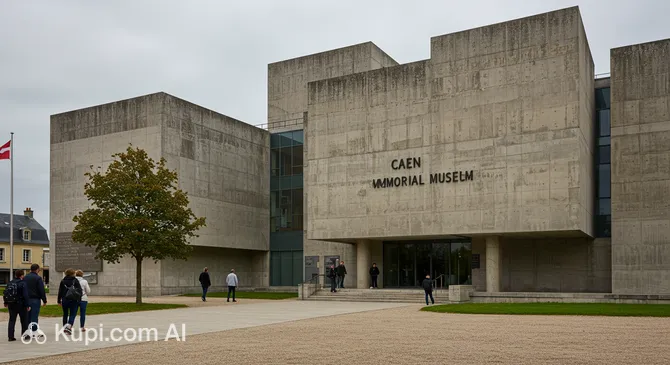
Caen Memorial Museum. Illustration.
Source: Kupi.com AI

Traveller photos:

The museum's exhibits cover a wide historical period, from the aftermath of World War I that led to the second global conflict, to the end of the Cold War. Visitors can delve deep into complex topics such as the Holocaust, the Resistance, occupation, and liberation. Particular attention is paid to the battle for Caen itself, which was almost completely destroyed during the fierce fighting in the summer of 1944.

The Caen Memorial is not just a repository of artifacts, but a modern cultural center with an important educational mission. As part of an international network of peace museums, it aims to promote the idea of peace and mutual understanding between nations for future generations. A visit to this place leaves a profound impression, encouraging reflection on the value of peace and the fragility of human life.

Contacts

To plan your visit to the Caen Memorial Museum, it is recommended to check the current opening hours and ticket prices in advance. The most reliable way to do this is to visit the museum's official website or contact the administration directly by phone. The main contact details are provided below.

How to contactContact
AddressEsp. Général Eisenhower, 14050 Caen, France
Phone+33 2 31 06 06 45
Websitewww.memorial-caen.fr

What to Do

A visit to the Caen Memorial offers a deep dive into 20th-century history. Inside, you will find numerous exhibitions featuring original documents, archival photographs, and personal belongings of soldiers and civilians, allowing you to feel the atmosphere of that era. The creators paid special attention to modern technology: multimedia installations and interactive zones help visitors not just learn about but truly understand complex historical events, from the causes of World War II to its consequences.

One of the memorial's highlights is the organization of guided tours to the iconic Allied landing sites. Visitors can join an organized group to famous beaches, including Omaha Beach, visit the rocky cliff of Pointe du Hoc, pay their respects to the fallen at the American Cemetery in Colleville-sur-Mer, and see the remains of the artificial harbor in Arromanches. These trips allow you to see firsthand the landscapes where the decisive battles of the Battle of Normandy took place.

In addition, the Memorial Museum regularly hosts various educational and cultural events. Visitors can take part in themed tours of the museum itself, lectures by historians, and special programs designed for both adults and schoolchildren. This makes the visit not only informative but also allows everyone to find an engaging way to explore history and reflect on the value of peace.

Getting There

The memorial museum is located on the northern outskirts of the city of Caen, on the Esplanade Eisenhower, making it easily accessible for visitors. For those traveling by car, there is ample parking next to the complex. You can reach the museum from central Caen in several ways: by city bus, taxi, or even on foot. The walk takes about 30–40 minutes and is a great opportunity to explore the city.

If you are planning a trip from other cities in the region, it is most convenient to reach Caen by train or intercity bus. From the train or bus station, you can take local public transport to the memorial. The museum is clearly marked on tourist maps and has signposts, so it's easy to find.

Nearest city: Caen

History & Facts

The history of the Caen Memorial Museum is inextricably linked to the tragic events of World War II. The choice of location for its construction was deeply symbolic: the complex is situated above the former underground command bunker of German General Wilhelm Richter, who led the defense during the first weeks of the Battle of Normandy. The museum was officially opened on June 6, 1988, by the President of France, François Mitterrand. For the city of Caen, which was almost completely destroyed during the heavy fighting in the summer of 1944, the memorial has become more than just a museum—it is a symbol of memory and reconciliation.

One of the key features of the memorial is its mission: it is not just a war museum, but a "museum of peace." Its exhibitions extend far beyond World War II, covering the period from its origins to the end of the Cold War and the fall of the Berlin Wall. Themes such as life under occupation, the Resistance movement, and the liberation of Normandy are covered in detail, with a primary focus on the fragility of peace and the importance of preserving it. The museum is actively involved in educational activities, seeking to pass on historical memory to younger generations.

In addition to the extensive exhibition halls, the memorial grounds house landmark sites that highlight its international significance. A special place is held by the Gardens of Remembrance, dedicated to the three main Allied nations that participated in the liberation of France: the American, British, and Canadian gardens. Inside, there is also a gallery dedicated to Nobel Peace Prize laureates, further emphasizing the main theme of the complex. Today, the Caen Memorial Museum is recognized as one of Europe's leading museums dedicated to 20th-century history and serves as a powerful reminder of the value of peace born from the ruins of war.

Time Needed

When planning a visit to the Caen Memorial Museum, it is important to allow enough time to fully immerse yourself in its extensive and insightful exhibitions. For a complete and leisurely tour of the main museum halls, it is recommended to set aside at least 3–4 hours. This will be enough time to explore the exhibits covering events from the end of World War I to the fall of the Berlin Wall, as well as to take a detailed look at the section on the Allied landings in Normandy.

If your plans include not only visiting the museum complex itself but also taking part in guided tours of the iconic landing sites, such as Omaha and Utah beaches, you should set aside an entire day for your visit. Tours organized by the memorial usually take several hours and offer a deep dive into the events that took place outside the city. Thus, a combined visit to the museum and historical locations turns into a full day journey through 20th-century history.

Working Hours

The Caen Memorial Museum is open to visitors almost all year round, although opening hours vary by season. Generally, during the high season from April to September, the museum welcomes guests from 09:00 to 19:00. At other times, such as from October to December, opening hours may be shorter—from 09:30 to 18:00. It is important to remember that the on-site ticket offices stop selling tickets 1 hour and 15 minutes before the official closing time.

Since the memorial has scheduled breaks, such as an annual closure for several weeks in January, as well as certain holidays, it is highly recommended to check the current schedule on the official website before visiting. To save time and guarantee entry, especially during the peak tourist season, it is wise to purchase tickets online in advance.

9:00 – 18:00

Nearby

Visiting the Memorial Museum is a profound emotional experience, but Caen offers many other interesting spots that can complement your trip and let you see the city from different perspectives. A walk through its surroundings will help you better understand Normandy's rich history and culture, from the Middle Ages to the present day. This is an excellent opportunity to change the scenery after the serious themes of the memorial and enjoy scenic parks, ancient architecture, and the city's cozy atmosphere.

In the immediate vicinity of the memorial, there are several noteworthy places that can be easily reached on foot or by public transport. Exploring these attractions will enrich your experience and make your trip to Caen truly unforgettable.

NameDistance
Colline aux Oiseaux Park0.6 km
Valley of the Gardens0.8 km
La Boucherie0.9 km
Caen Botanical Garden1.3 km
Sans Gêne1.4 km
Caen Castle1.9 km
Men's Abbey1.9 km

Reached the bottom of the page?

Looks like you know this route inside out