Support

Bastille Fortress (Grenoble)

About

The Bastille Fortress is a majestic defensive structure and one of the most recognizable landmarks of Grenoble, located in a picturesque corner of France. Towering on a hill 476 meters above the Isère River, this historic fortress dominates the cityscape and offers visitors an unforgettable experience.
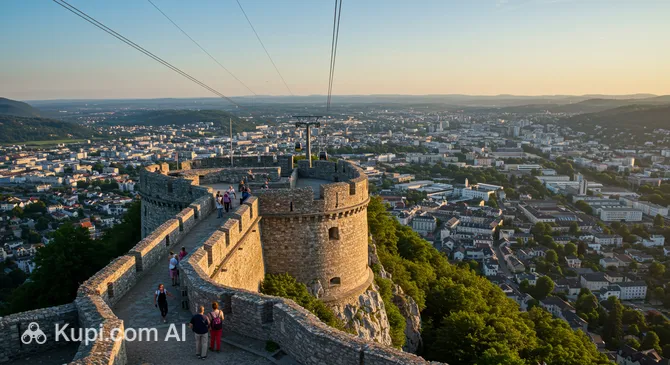
Bastille Fortress (Grenoble). Illustration.
Source: Kupi.com AI

Traveller photos:

The current look of the Bastille is the result of a large-scale 19th-century reconstruction, although the first fortifications on this strategically important hill appeared as early as the 16th century. The complex is a striking example of the military architecture of its time, featuring powerful walls, bastions, and casemates that once protected the city.

The main reason thousands of tourists and locals climb to the fortress is, without a doubt, the breathtaking panoramic views. The observation decks offer a stunning vista of all of Grenoble, spread out in the valley, and the majestic peaks of the surrounding Alps. You can reach the summit not only on foot via scenic trails but also by the famous cable car with its "bubble" cabins (Les Bulles de Grenoble), which is an adventure in itself.

A visit to the Bastille Fortress is a perfect combination of a historical excursion, a walk in the fresh air, and an opportunity to take magnificent photos. It is a place where history meets nature, leaving every guest with bright and lasting memories.

Contacts

To get the most up-to-date information regarding opening hours, ticket prices, or special events at the Bastille Fortress, we recommend visiting the official website or contacting the administration by phone. This will help you plan your visit in the best possible way.

How to contactContact
AddressQuai Stéphane Jay, 38000 Grenoble, France
Phone+33 4 76 44 33 65

What to Do

A visit to the Bastille Fortress is a true adventure that begins with a thrilling ascent. The most popular way to reach the top is the famous cable car, consisting of spherical cabins nicknamed "the bubbles" (les bulles) by the locals. During the ride, you'll already be treated to stunning views of Grenoble, the Isère River, and the surrounding mountain ranges. At the top, two-level observation decks await you, where you can take unforgettable panoramic photos of the city and the Alps.

The fortress itself offers many opportunities for exploration. You can walk along the massive bastions and fortifications, and peer into the mysterious underground galleries and casemates to feel the spirit of the site's history. For those interested in culture and history, there are several museums on the complex's grounds. The Museum of Mountain Troops, which tells the story of the elite Alpine sharpshooters, deserves special attention. There is also a cultural center that regularly hosts temporary exhibitions, lectures, and other interesting events.

After exploring the fortifications and museums, you can relax in one of the cafes or restaurants with panoramic views, enjoying the local cuisine and the magnificent scenery. For outdoor enthusiasts, the Bastille serves as a starting point for numerous hiking and sports routes leading into the picturesque hills of the Chartreuse Mountains. It is an ideal place to combine historical discovery, cultural leisure, and the natural beauty for which this part of France is so famous.

Getting There

There are several ways to reach the Bastille Fortress, but the most popular and impressive is a ride on the Téléphérique Grenoble Bastille cable car. Its base station is conveniently located on the banks of the Isère River in the center of Grenoble. The ascent in the famous round cabins, known as "the bubbles," takes only a few minutes. It's not just transport, but a real attraction offering breathtaking panoramic views of the city, the valley, and the majestic Alpine peaks.

For those who enjoy walking and active recreation, there is an alternative route. Several hiking trails lead from the foot of the hill to the fortress, winding through a scenic park. The walk up takes 30 to 60 minutes, depending on the chosen trail and your fitness level. This is a great opportunity to enjoy nature and get some exercise before exploring the historical fortifications. Additionally, for the most athletic tourists, there are climbing and cycling routes that also lead to the summit.

Nearest city: Grenoble

History & Facts

The history of the Bastille Fortress, which stands majestically over Grenoble, dates back to the 16th century. It was then, at the initiative of François de Bonne, Duke of Lesdiguières, that the first fortification—a tower surrounded by forts—was established on this strategically important hill. The primary task of this structure was to protect the city, and it marked the first step in the long and eventful history of this site.

The modern appearance, which is a hallmark of the city today, was acquired much later. In the first half of the 19th century, large-scale construction began in the foothills of the Chartreuse Mountains. Powerful fortifications were built, including bastions, casemates, and defensive walls that we see today. Interestingly, the new fortification complex retained its historical name—"Bastille." Until 1940, it served as a key facility ensuring control over the Isère River valley and the approaches to the city.

The architecture of the fortress is a clear example of the military engineering of its time. In addition to impressive surface structures, it hides an extensive network of underground passages and casemates. Today, the Bastille Fortress has lost its defensive significance, becoming the main symbol of Grenoble and an outstanding monument to the architecture of France. This popular spot attracts tourists not only for its history but also for its stunning panoramic views of the city and the surrounding Alpine peaks.

Time Needed

For a full and leisurely introduction to the Bastille Fortress in Grenoble, it is recommended to set aside 2 to 4 hours. This time is quite sufficient to enjoy a ride on the famous cable car, explore the main fortifications, admire the panoramic views, and even visit one of the local museums.

Most of the time will be spent on the ascent and descent, as well as walking around the fortress itself. If you plan a more in-depth exploration—such as visiting the Museum of Mountain Troops or the center for contemporary art, or if you want to relax in one of the panoramic restaurants or cafes—it is better to budget about half a day for your visit. This extra time will allow you to explore all corners of this historic complex without rushing and fully appreciate its grandeur and the beauty of the surrounding landscapes.

Working Hours

The Bastille Fortress in Grenoble is open to visitors year-round; however, the operating hours of its various facilities, such as the cable car and museums, can vary significantly depending on the season. The cable car, the primary means of reaching the summit, generally runs daily from morning until late evening. Nevertheless, it is highly recommended to check the current schedule on the attraction's official website before your trip to avoid any unexpected changes.

Museums and exhibition halls within the fortress are usually open during the day, except for some public holidays. Advance ticket booking is generally not required, but purchasing your cable car ticket online can save you time, especially during peak tourist season or on weekends.

6:00 – 12:00

Nearby

Visiting the majestic Bastille Fortress is undoubtedly a highlight of any trip to Grenoble. However, to make your experience even more enriching and complete, it is worth paying attention to other attractions located in the immediate vicinity. Strolling through the surrounding areas will allow you to dive deeper into the history and culture of this Alpine city, revealing new facets of its charm.

The fortress's hilltop location makes it an excellent starting point for exploring nearby historical and cultural sites. Many of them are within a few minutes' walk, making it easy to put together an interesting and varied day-long itinerary. Below is a list of places you can visit after descending from Bastille Hill.

NameDistance
Mountain Troops Museum0 km
Dauphinois Museum0.5 km
Lion Fountain0.6 km
Saint-Laurent Archaeological Museum0.6 km
Porte de France0.7 km
Grenoble-Bastille Cable Car0.7 km
Grenoble Museum0.8 km

Reached the bottom of the page?

Looks like you know this route inside out