Support

Museum of the Resistance and Deportation of Isère

About

Located in the heart of Grenoble, the Museum of Resistance and Deportation of Isère is one of the most significant memorial sites France has to offer. Housed in a 19th-century building that once served as a sculpture school, it today stands as a powerful educational center dedicated to the events of World War II.
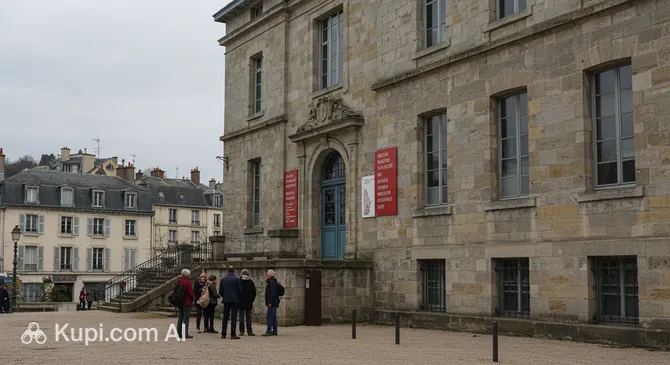
Museum of the Resistance and Deportation of Isère
Museum of the Resistance and Deportation of Isère. Иллюстрация. Источник: Kupi.com AI

The museum's collection is impressive in its scale, featuring about 5,000 unique exhibits, including archival documents, personal photographs, posters, and rare audio recordings of interviews with veterans. The exhibition is spread across three levels and organized in strict chronological order, allowing visitors to trace the region's journey from the beginning of the conflict to the moment of liberation.

This site is officially recognized as a "Musée de France" for the exceptional value of its holdings. It doesn't just store items from the past; it actively raises themes relevant to modern society: civic choice, human rights, and the struggle for freedom. The museum masterfully combines a classic historical exhibition with modern educational programs for young people.

Contacts

To plan your visit and check for details, you can use the museum's official contact information. The staff are always ready to help visitors with exhibition schedules or educational programs.

How to contactContact
Address14 Rue Hébert, 38000 Grenoble, France
Phone+33 4 76 42 38 53
Websitemusees.isere.fr

What to Do

The journey through the museum begins on the ground floor, where you can immerse yourself in the atmosphere of the early 1940s and learn about city life under occupation. Be sure to watch the rare video footage capturing Marshal Pétain's visit. On the second floor, masterfully recreated interiors await: you can literally step into Marie Reynoard's dining room or see a typical Grenoble street of that era, where the first sparks of student protest were ignited.

On the third level, the exhibition becomes more somber, detailing repression and sabotage. The authentic Gestapo cell doors, moved here from Cours Berriat, have a particularly strong emotional impact. Carefully examine the collection of 80 original posters, leaflets, and newspapers of the time—these items allow you to see the war through the eyes of an ordinary resident, not just through the lens of history textbooks.

For a deeper immersion, use the audio archive, which includes over 100 interviews with participants. English and German translations make the visit comfortable for international tourists. The museum also regularly hosts temporary thematic exhibitions and creative workshops where visitors can discuss the values of the modern world and the lessons of the past.

Getting There

Finding the museum is easy, as it is located at 14 Rue Hébert, very close to the historic city center. If you choose to walk, it takes about 10 minutes from the main squares and approximately 15–20 minutes from the main railway station, Grenoble Gare.

For those preferring public transport, tram lines A or B are the most convenient options. Get off at the "Gares" stop or take a bus heading toward the center, then take a short walk through picturesque streets to the side alley where the museum building is located.

If you are arriving from Grenoble-Isère Airport, located 20 kilometers from the city, you can take a special shuttle bus or a taxi. The car journey takes about 30–40 minutes. Keep in mind that parking in the city center can be difficult, so public transport remains the preferred choice.

Ближайший город: Grenoble

History & Facts

The history of this site began in 1966 when the Musée de la Résistance Dauphinoise opened on Rue Jean-Jacques Rousseau, initiated by former Resistance members, deportees, and teachers. The creators' primary goal was to preserve the memory of local resistance networks and pass it on to future generations through the lens of events in the Isère department.

By the late 1980s, the museum had outgrown its original space. After an extensive renovation, it moved to its current building on Rue Hébert and reopened to the public in 1994. Today, its collection includes over 5,000 objects accumulated over decades of meticulous work. In 1993, the collection was officially recognized as being of public interest and was granted the "Musée de France" status.

Special attention in the exhibition is given to the role of Grenoble, which was known as the "capital of the resistance" during the war years. The museum doesn't just present dry facts; it focuses on individual choices, the suffering, and the courage of those who fought to restore republican values during one of the region's darkest historical periods.

Time Needed

To leisurely explore all three levels of the permanent exhibition and delve into the details of the documents presented, most visitors need 1.5 to 2 hours. This is enough time to follow the chronological chain of events and review the main multimedia materials.

If you plan to study the temporary exhibitions in detail, listen to the full versions of audio interviews with veterans, or participate in an educational workshop, it's better to allow about 2.5–3 hours. The museum is rich with information, so leaving a bit of extra time will allow you to deeper experience the atmosphere of each historical zone.

Working Hours

The museum is open to visitors daily, though the Tuesday schedule differs from the rest of the week, which is worth keeping in mind when planning your route.

Opening Hours:

  • Monday: 09:00 – 18:00
  • Tuesday: 13:30 – 18:00
  • Wednesday: 09:00 – 18:00
  • Thursday: 09:00 – 18:00
  • Friday: 09:00 – 18:00
  • Saturday: 10:00 – 18:00
  • Sunday: 10:00 – 18:00

DayWorking hours
Понедельник9:00 – 18:00
Вторник1:30 – 18:00
Среда9:00 – 18:00
Четверг9:00 – 18:00
Пятница9:00 – 18:00
Суббота10:00 – 18:00
Воскресенье10:00 – 18:00

Nearby

After immersing yourself in history within the museum's halls, take some time to explore the surrounding neighborhoods. A walk through the historic part of the city allows you to change the pace and see architectural monuments from different eras that harmoniously complete the region's character.

Many iconic landmarks are within walking distance—from ancient towers to modern fountains installed in honor of significant sporting events. Below is a list of interesting places located nearby:

NameDistance
Grenoble Museum0.2 km
Museum of the Old Bishop's Palace0.4 km
Grenoble Cathedral0.4 km
Paul Mistral Park0.5 km
Grenoble Museum0.6 km
Lion Fountain0.7 km
Jardin de Ville0.7 km

Reached the end of the page?

That means the route is fully explored