Support

Musée dauphinois

About

Imagine an ancient 17th-century monastery nestled at the foot of Bastille Hill. This is where you will find the Musée Dauphinois—a unique cultural space that is rightfully considered the soul of the Isère region. Located in the picturesque city of Grenoble, this site attracts travelers seeking a deeper understanding of what mountain France lives and breathes.
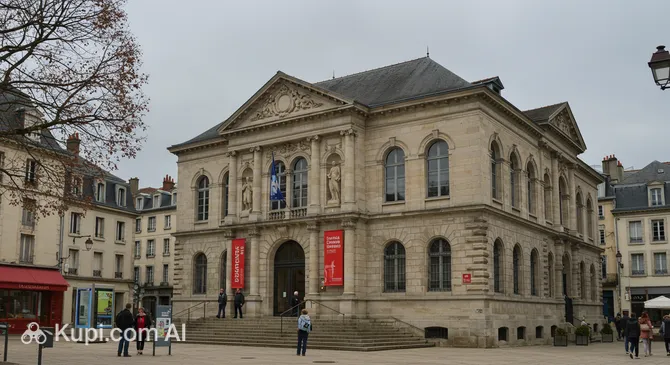
Dauphinois Museum
Dauphinois Museum. Иллюстрация. Источник: Kupi.com AI

This regional museum is dedicated to the history, archaeology, and ethnography of the historical province of Dauphiné. Occupying the building of the former Visitandine convent Sainte-Marie-d'en-Haut, the museum harmoniously combines the austerity of medieval arches with a modern approach to exhibition space. One of the main gems of the complex is the chapel with a magnificent altar from 1662, created by the sculptor Nicolas Chapuis.

Visitors to the Musée Dauphinois are drawn not only by the rich collection telling the story of the highlanders' daily life but also by the atmosphere of the place itself. Inner courtyards with wells and gardens reminiscent of oriental palaces create a sense of seclusion, while the terraces offer stunning views of the snow-capped Alps and the curves of the Isère River. A pleasant bonus for tourists is the fact that entry to the museum is absolutely free.

Contacts

For information regarding special events or group tours, you can use the official communication channels. Museum staff are always ready to help visitors navigate the current exhibition program.

How to contactContact
Address30 Rue Maurice Gignoux, 38000 Grenoble, France
Phone+33 4 57 58 89 01
Websitemusees.isere.fr

What to Do

Inside the museum, visitors can expect a fascinating journey through time. It is worth starting with the main exhibition dedicated to life in the Alps: here you can see how people's daily lives changed in high-altitude conditions and learn about their traditions and the unique culture of the Dauphiné region. Of particular interest is the hall dedicated to the history of skiing and the 1968 Winter Olympics, which were held in Grenoble—rare artifacts and photographs from that era are kept here.

Be sure to visit the monastery chapel, which is a work of art in its own right. Its walls are decorated with paintings from 1666, and the gilded altar is striking in its fine craftsmanship. In addition to the permanent halls, the museum regularly hosts temporary exhibitions on various topics: from the history of the famous Chartreuse liqueur to philosophical reflections on measuring time using sundials and water clocks.

After exploring the interior, it is pleasant to stroll through the well-kept terraced gardens and courtyards. This is an ideal place for photos against the backdrop of ancient architecture and the city panorama. The museum's atmosphere encourages slow contemplation, making it an excellent choice for both family walks and solo travelers seeking inspiration in history.

Getting There

Reaching this cultural center is quite easy as it is within walking distance of the city's key points. The museum is located at 30 Rue Maurice Gignoux, right on the left bank of the Isère River. If you decide to walk from the central station, Grenoble Gare, the journey will take about 15–20 minutes through picturesque streets.

For those who prefer public transport, tram lines or buses going to the "Musée Dauphinois" or "Sainte-Marie" stops are ideal. If you are arriving from Grenoble-Isère Airport, it is most convenient to first take a train or bus to the central station and then switch to local transport or call a taxi.

The area around Bastille Hill is very conducive to walking, so many tourists prefer to reach the museum on foot, enjoying views of the river and mountains. If you are traveling by car, there are parking spaces near the museum entrance, though they may be occupied on weekends.

Ближайший город: Grenoble

History & Facts

The history of the Musée Dauphinois began in 1906 when it was founded as a center for archaeology and ethnography. Initially, the collection was housed in a different building, but in 1968—the year of the Winter Olympics—it moved to the former monastery of Sainte-Marie-d'en-Haut. The opening of the new site was such a significant event that it was attended by the famous Minister of Culture, André Malraux.

The building of the Visitation monastery itself has a turbulent history: it was erected in 1621 but has changed roles many times over the centuries. During the French Revolution, the monastery was converted into a prison; later, it housed barracks, housing for immigrants, and even a student dormitory. It wasn't until 1965 that the complex received official status as a historical monument, after which a large-scale restoration began.

The monastery chapel deserves special attention, with paintings dating back to 1666. The themes for the frescoes were suggested by the priest C.-F. Menestrier, and the magnificent altar made of gilded wood was created by the sculptor Nicolas Chapuis. These interiors have been preserved in excellent condition, allowing modern visitors to see authentic Baroque art.

In 1989, the museum expanded: a modern wing with an area of 2,000 m² was added next to the historical buildings. Today, it houses vast collections—tens of thousands of books, engravings, and unique sound recordings documenting the cultural code of the Alpine people. The museum continues to be a living organism, connecting the province's rich past with its present.

Time Needed

To fully explore the exhibitions and leisurely enjoy the architecture of the former monastery, a typical tourist will need about 2–3 hours. This is enough time to view the permanent galleries on three floors, look into the unique chapel, and stroll through the courtyards.

If you plan to study the temporary exhibitions in detail or decide to linger in the gardens to admire the panorama of the Alps, it is worth setting aside half a day. A visit to the museum is often combined with a trip up the famous Bastille; in that case, the total duration of a walk in this area might be around 4 hours.

Working Hours

The Musée Dauphinois is open to visitors throughout the week, with the exception of Tuesdays. It is worth noting that on weekends, the museum doors stay open an hour longer, allowing you to enjoy sunset views of the Alps from the building's terrace.

Opening Hours:

  • Monday: 10:00 – 18:00
  • Tuesday: Closed
  • Wednesday: 10:00 – 18:00
  • Thursday: 10:00 – 18:00
  • Friday: 10:00 – 18:00
  • Saturday: 10:00 – 19:00
  • Sunday: 10:00 – 19:00

DayWorking hours
Понедельник10:00 – 18:00
ВторникЗакрыто
Среда10:00 – 18:00
Четверг10:00 – 18:00
Пятница10:00 – 18:00
Суббота10:00 – 19:00
Воскресенье10:00 – 19:00

Nearby

After immersing yourself in the region's history within the museum walls, be sure to take some time to explore the surroundings. The Bastille Hill area and the banks of the Isère River are filled with architectural monuments and interesting spots that will harmoniously complement your cultural program in this corner of the Alps.

A walk through the nearby streets will allow you to see ancient gates, monumental fountains, and other iconic city landmarks. Below are the attractions located in the immediate vicinity:

NameDistance
Lion Fountain0.2 km
Grenoble-Bastille Cable Car0.2 km
Jardin de Ville0.3 km
Grenoble Museum0.5 km
Saint-Laurent Archaeological Museum0.5 km
Museum of the Old Bishop's Palace0.5 km
Mountain Troops Museum0.5 km

Reached the end of the page?

That means the route is fully explored