Support

Cathédrale Notre-Dame

About

Grenoble Cathedral is a majestic architectural ensemble located in the heart of the old town. This unique landmark, carefully preserved by France, is a rare combination of two churches joined into one. Notre-Dame Cathedral is not just a religious site, but a living witness to the centuries-old history of the region.
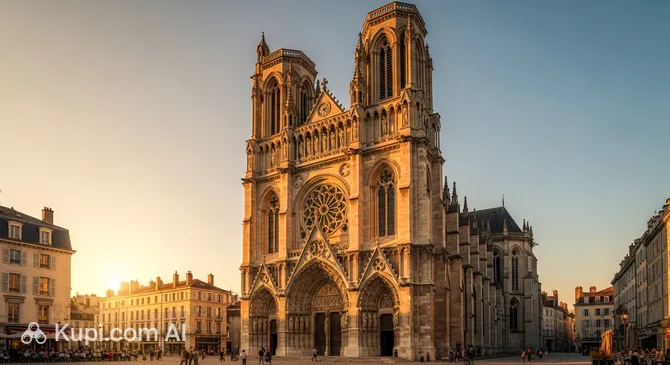
Grenoble Cathedral
Grenoble Cathedral. Иллюстрация. Источник: Kupi.com AI

Travelers visiting Grenoble invariably come to Place Notre-Dame to see this monument of medieval architecture. Its appearance took shape over centuries, starting from the 10th century, allowing it to harmoniously combine the austerity of the Romanesque style with the elegance of Gothic.

The interior decoration of the cathedral is of particular value, featuring magnificent stained glass windows, ancient sculptures, and a unique 14-meter carved stone ciborium. This place is imbued with an atmosphere of tranquility, offering guests of the city a moment's distraction from the hustle and bustle to immerse themselves in studying the cultural heritage of the Alps.

Contacts

To plan your visit to Grenoble Cathedral, you can use the contact information provided below. The church is located in the heart of the city and is easily accessible to tourists.

How to contactContact
AddressPlace Notre Dame, 38000 Grenoble, Франция
Phone+33 6 08 55 84 58
Websitewww.cathedraledegrenoble.com

What to Do

Once inside the cathedral, it's worth taking the time to study its double structure in detail. You will be able to see the transition from the ancient 11th-century Church of Saint Hugh to the main 13th-century basilica. Attention to detail will allow you to notice how the architectural tastes of master craftsmen changed over the centuries.

Art lovers will certainly enjoy the bright stained glass windows and exquisite sculptures decorating the interior. It is an ideal place for a quiet walk and thoughtful contemplation of historical artifacts. Many visitors come here to listen to the majestic sounds of the organ — sacred music concerts are not uncommon here.

After exploring the interior, we recommend taking a stroll through Place Notre Dame, which surrounds the cathedral. Here you can take atmospheric photos of the facade, relax in one of the cozy nearby cafes, or browse the souvenir shops selling products made by local artisans.

Getting There

Finding the cathedral is easy, as it is located on Place Notre Dame in the historic city center. If you are already walking through the old quarters, the walk to your destination will only take a few minutes. From the main train station (Gare de Grenoble), you can walk there in 15–20 minutes while enjoying the city views.

For those who prefer public transport, the tram lines are ideal. The "Notre-Dame" stop is located in the immediate vicinity of the entrance. You can also take a taxi from anywhere in the city center, which is the fastest and most comfortable option.

If you arrive in the city by bicycle or scooter, the square around the cathedral is equipped with convenient areas for movement. Travelers by car are better off leaving their vehicle in one of the covered parking lots in the center, as the area around the attraction is predominantly a pedestrian zone.

Ближайший город: Grenoble

History & Facts

The history of this site began over a thousand years ago, in the 10th century, when the foundations of the future cathedral were laid on the site of ancient buildings. Grenoble Cathedral grew and changed along with the city, through periods of prosperity and reconstruction. Interestingly, there were originally two separate churches here that eventually merged into a single complex.

In the 11th century, Bishop Hugh of Grenoble initiated the construction of the Church of Saint Hugh, which today is an integral part of the architectural ensemble. Later, in the 13th century, the main Gothic basilica was built. This "double" format makes the cathedral an exceptional object even for a country as rich in cathedrals as France.

Over the centuries, the building has been restored many times, reflecting the change in styles from Romanesque to Gothic. The facade underwent significant changes in the 19th century when it was given a more modern look while preserving the ancient core. Today, the cathedral is recognized as a national historical monument, protecting the memory of many generations of residents of the Alpine region.

Time Needed

To leisurely explore all the halls, study the stone carving details, and enjoy the silence, 1–2 hours is sufficient for most travelers. This time is quite enough to appreciate both the exterior of the building and its rich internal content.

If you plan to visit the cathedral during a service or attend an organ concert, you should budget a little more time in your schedule. A leisurely pace will allow you to better feel the unique energy of this ancient structure.

Working Hours

Typically, Grenoble Cathedral opens its doors to visitors daily from 8:00 AM to 7:00 PM. However, it should be noted that there may be breaks during the day for religious services, during which tourist sightseeing may be limited.

Opening hours may change depending on the church calendar or the season, so we recommend checking the official website or the information board at the entrance for the most up-to-date information.

Nearby

The cathedral's location in the heart of the old town makes it an excellent starting point for further exploring the region's culture. Exploring the surroundings will help you get a full picture of the multifaceted character of this Alpine center.

Within walking distance of the cathedral, you can find both cozy ancient squares and modern entertainment spaces. Here is a list of interesting places to visit nearby:

NameDistance
Museum of the Old Bishop's Palace0.1 km
Grenoble Museum0.3 km
Lion Fountain0.4 km
Museum of the Resistance and Deportation of Isère0.4 km
Jardin de Ville0.4 km
Dauphinois Museum0.5 km
Saint-Laurent Archaeological Museum0.5 km

Reached the end of the page?

That means the route is fully explored