Support

Musée des Beaux-Arts de Pau

About

Imagine a place where five centuries of European painting treasures are gathered under one roof. The Museum of Fine Arts in the city of Pau is more than just a gallery; it is one of the richest artistic centers in Aquitaine. Founded in the mid-19th century, it has grown from a modest collection into a grand museum housed in an exquisite Art Deco building in the heart of France.
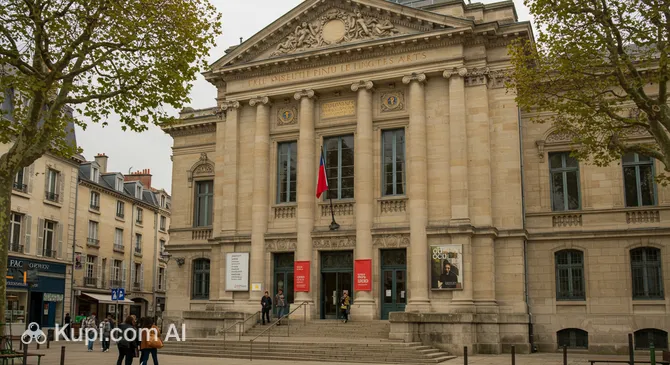
Pau Museum of Fine Arts
Pau Museum of Fine Arts. Иллюстрация. Источник: Kupi.com AI

The museum's collection spans the 16th to the 20th centuries, offering visitors a unique opportunity to trace the evolution of styles from Classicism to Neofiguration. It features masterpieces by French, Spanish, Italian, and Dutch masters, making it a must-visit for anyone who appreciates aesthetics and history. The museum takes particular pride in its collection of 19th-century French art.

The building itself, constructed in the 1930s, is an architectural landmark. Following a recent renovation in 2019, it has been transformed into a modern cultural space where the classical exhibition harmoniously coexists with a library and an art school, creating a vibrant atmosphere of creativity and inspiration.

Contacts

To check the latest information about temporary exhibitions or to book a group tour, you can contact the museum administration directly. The staff is always ready to help visitors navigate the cultural program and answer questions about accessibility. Below are the main contact details for the institution.

How to contactContact
AddressRue Mathieu Lalanne, 64000 Pau, France
Phone+33 5 59 27 33 02
Websitemba-pau.opacweb.fr

What to Do

Visiting the museum is, first and foremost, an opportunity to see legendary canvases in person. Be sure to find Edgar Degas' masterpiece, "A Cotton Office in New Orleans", which is considered one of the gems of the collection. As you stroll through the halls, you will encounter works by such titans as El Greco, Rubens, Velázquez, and Bruegel. The thoughtful lighting and calm atmosphere allow you to examine every brushstroke in detail.

Fans of three-dimensional forms should visit the sculpture hall on the first floor, which showcases works from various eras. An interesting feature of the museum is its salon-style hanging—a dense arrangement of paintings in a historical style that allows you to fully immerse yourself in the atmosphere of classical art salons of the past. Don't forget to pay attention to the names of the halls, many of which are named after prominent patrons and curators.

In addition to the permanent exhibition, the museum frequently hosts themed temporary exhibitions dedicated to individual artists or movements. For a deeper dive, you can use an audio guide or join a guided tour. After exploring the halls, it's pleasant to spend time in the integrated library, browse through art albums, or take a few photos for memory (just remember that flash photography is prohibited).

Getting There

The museum is located in the heart of the city on Rue Mathieu Lalanne, making it easily accessible on foot. If you are near the famous castle or strolling along the Boulevard des Pyrénées, the walk to the art gallery will take no more than 10–15 minutes. From the city's railway station, the walk is also easy and takes about 20 minutes at a relaxed pace.

For those using public transport, look for bus routes No. 1, 2, 4, 8, and 10. The most convenient stops are "Musée des Beaux-Arts" or "Blvd des Pyrénées", which are located in the immediate vicinity of the entrance. If you are arriving from Pau-Pyrenees Airport, it is most convenient to take a taxi or a shuttle bus — the trip will take approximately 25 minutes.

For those traveling by car, take the A64/E80 motorway to exit No. 5 (Pau Centre). You can leave your car at the Place Georges-Clémenceau paid parking lot, located just a few minutes' walk from the museum. Its central location allows you to combine a visit to the gallery with exploring other key attractions in the city.

Ближайший город: Pau

History & Facts

The history of this cultural center began on March 15, 1864, thanks to the initiative of the Society of Friends of the Arts of Pau. Charles-Clément Le Coeur was at the helm, serving as the first curator and laying the foundation for the future rich collection. Initially, the masterpieces were housed in the cramped and damp premises of the former Parliament of Navarre, which was hardly conducive to preserving the canvases, but the enthusiasm of the founders helped the museum survive and grow.

Significant progress was driven by generous patronage. In 1869, the collection was enriched with works from the collection of Louis La Caze, and annual grants from lawyer Émile Nolibos allowed for the regular acquisition of works by contemporary French masters of that time. Over time, the collection outgrew the walls of the former asylum where it had moved in 1881, leading to the need for a specialized building.

The museum took on its modern appearance in 1931 with the opening of a building designed by architect Jacques Ruillier. The Art Deco architecture, with its spacious and bright halls, became the ideal backdrop for the artworks. Despite temporary closure during World War II and subsequent renovations, the museum has preserved its spirit. The most recent large-scale renovation in 2019 integrated the museum space with a library and an art school, transforming it into a modern educational hub.

Time Needed

To leisurely explore the main exhibition, get acquainted with the works of the great masters, and visit the sculpture hall, you usually need about 1.5–2 hours. If you are a true art lover and enjoy studying the details of Impressionist or Flemish canvases for a long time, this duration may increase.

If there is an interesting temporary exhibition at the museum, it is worth adding another 30–40 minutes to your visit. Additionally, after viewing the collection, many visitors linger in the local library or souvenir shop, so for a full immersion into the world of art, it is better to plan half a day in your travel itinerary.

Working Hours

When planning your visit, keep in mind that the museum welcomes guests throughout the week, except for Mondays. The gallery doors are open to visitors from Tuesday to Sunday, from 11:00 AM to 6:00 PM, without a break for lunch.

Please note that the schedule may change on public holidays, and Monday is a traditional day off. It is recommended to arrive at least an hour before closing to have enough time to peacefully explore the main halls of the collection.

DayWorking hours
ПонедельникЗакрыто
Вторник11:00 – 18:00
Среда11:00 – 18:00
Четверг11:00 – 18:00
Пятница11:00 – 18:00
Суббота11:00 – 18:00
Воскресенье11:00 – 18:00

Nearby

The museum's location in the historic center makes it easy to continue exploring the region's cultural heritage. A stroll through the surrounding streets will reveal picturesque mountain views and architectural monuments that have shaped the character of this French city for centuries.

After immersing yourself in the world of classical painting, it is worth spending time in the park areas and ancient castles located within walking distance. Here is a list of interesting places nearby:

NameDistance
Le Garage0.2 km
Place Clemenceau0.4 km
Beaumont Park0.4 km
Théâtre de Verdure0.5 km
Pau Centre Aparthotel0.5 km
El Alguazil0.7 km
Pau Funicular0.7 km

Reached the end of the page?

That means the route is fully explored