Support

Bust of Dalida

About

The Bust of Dalida is a touching and iconic monument dedicated to one of the greatest stars of the French stage. Located in a picturesque corner of Saint-Ouen, this landmark in France attracts fans of the singer's talent and history buffs from all over the world. The bronze sculpture is set in a cozy square named after the artist and fits harmoniously into the atmosphere of the legendary Montmartre neighborhood.
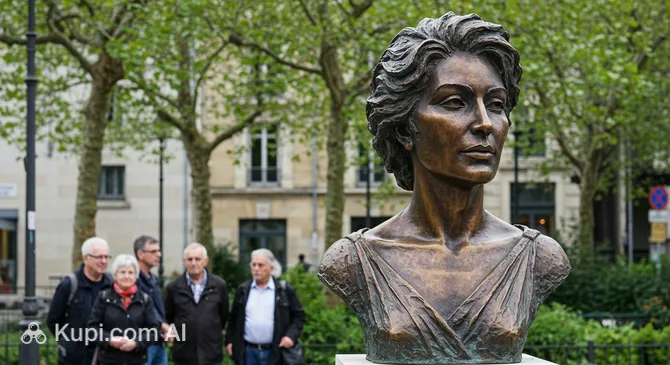
Bust of Dalida. Illustration.
Source: Kupi.com AI

Traveler photos:

The monument is an expressive depiction of the singer on a stone pedestal. For many, this is not just a tourist site but a true place of pilgrimage. The secluded setting of the square allows guests to slow down for a moment and feel the special melancholic yet inspiring energy that filled the life of the great Dalida.

The sculpture is considered one of the most recognizable monuments in the district, symbolizing the recognition of the artist's contribution to world culture. The bronze bust has become an integral part of the urban landscape, catching the eye thanks to its elegance and deep emotional undertone that resonates with every music lover.

Contacts

When planning a walk to the Bust of Dalida in Saint-Ouen, it is advisable to check the landmark's location on the map beforehand. Although the monument is located in an open public space, we recommend verifying the latest information before your visit.

How to contactContact
AddressRue de l'Abreuvoir, 75018 Paris, France
Websitefr.wikipedia.org

What to Do

A visit to this spot allows you to immerse yourself in the unique atmosphere of historic Montmartre. Here, it is customary not only to take commemorative photos against the backdrop of the elegant Bust of Dalida but also to simply enjoy the neighborhood's tranquility. Many tourists follow a local tradition—it is believed that touching the bronze statue brings luck in love, which is why some parts of the monument shine brighter in the sun than others.

Near the square is the house where the legendary artist spent her final years. Although the building is closed to the public, a walk through the surrounding streets helps one better feel the spirit of the era in which the singer lived and worked. Themed tours often include this site in their Saint-Ouen itineraries, revealing little-known facts about the life and career of the French diva.

Getting There

Getting to this iconic spot in Saint-Ouen is easy. The Bust of Dalida is located at Rue de l'Abreuvoir. The most convenient way is to use public transport: the nearest metro station is Lamarck – Caulaincourt (Line 12), from which it is just a few minutes' walk along picturesque, sloping streets.

For those who prefer surface transport, city buses run in this area. You can also always use a taxi, asking the driver to drop you off directly at Place Dalida. For walking enthusiasts, a route through the famous Montmartre stairs is recommended to fully enjoy the architectural beauty of the neighborhood on the way to the monument.

Nearest city: Saint-Ouen

History & Facts

Dalida, born Yolanda Christina Gigliotti, was not just a singer but a true cultural phenomenon in 20th-century France. Her tragic and brilliant life left an indelible mark on the hearts of millions of fans worldwide. After the artist's passing in 1987, her popularity only grew, eventually leading to the decision to immortalize her memory right here, near her home.

Notably, the Bust of Dalida became one of the few monuments in the country dedicated to a woman. Previously, in the capital region, such an honor had been bestowed only upon exceptional historical figures like Joan of Arc. The installation of the monument in the square named after her highlights the colossal influence the singer had on global music culture and the history of Saint-Ouen.

The sculpture was created by French sculptor Aslan and quickly became a cult site. Over the years, the monument has become surrounded by urban legends: for instance, a tradition has taken root among tourists to touch the bronze bust "for luck," which is why the metal surface is always polished to a shine in certain places.

Time Needed

To view the Bust of Dalida, take a few beautiful photos, and soak in the atmosphere of the square, you usually need no more than 30 minutes. It is an ideal stop during a long walk through the hills of Montmartre, allowing for a short break away from the busiest tourist paths.

If you decide to combine your visit to the monument with an exploration of the neighboring streets or a leisurely coffee at one of the local cafes, you should budget about an hour. The duration of the visit largely depends on your interest in the history of French music and your desire to enjoy the secluded setting of this place.

Working Hours

Since the Bust of Dalida is located in an open city square, it is available for visiting 24/7. This public space has no fences, allowing guests of Saint-Ouen to come here at any convenient time.

You can choose the early morning to enjoy the silence and avoid tour groups, or stop by in the evening when the soft glow of street lamps gives the square and the bronze sculpture a special, mysterious charm.

Open 24 hours

Nearby

A stroll around the Bust of Dalida offers access to many other cultural treasures. Very close by is the unusual sculpture The Man Who Could Pass Through Walls, based on the famous short story by Marcel Aymé. Exploring these sites will allow you to deeper appreciate the bohemian spirit for which Saint-Ouen is famous.

Just a couple of hundred meters away is the Musée de Montmartre, where you can learn even more about the history of the painters and artists who lived in this area. The density of attractions in this neighborhood makes visiting Place Dalida a perfect starting point for a major journey through the historical sites of France.

NameDistance
The Man Who Walked Through Walls0.1 km
Montmartre Museum0.2 km
Dalí Paris0.3 km
Place du Tertre0.3 km
Place Émile Goudeau0.3 km
Vincent and Theo van Gogh's Apartment0.4 km
Arkose Montmartre0.4 km

Have you reached the end of the page?

So the route has been studied inside and out