Support

Flora and Botanical Garden Cologne

About

The Cologne Flora and Botanical Garden is a magnificent park and garden ensemble located in the northern part of Cologne, Germany. This complex, which is one of the oldest botanical gardens in Europe, was founded in 1864 and has been delighting visitors with its beauty and diversity ever since. It is located in close proximity to the Cologne Zoo, creating a green oasis in the urban environment.
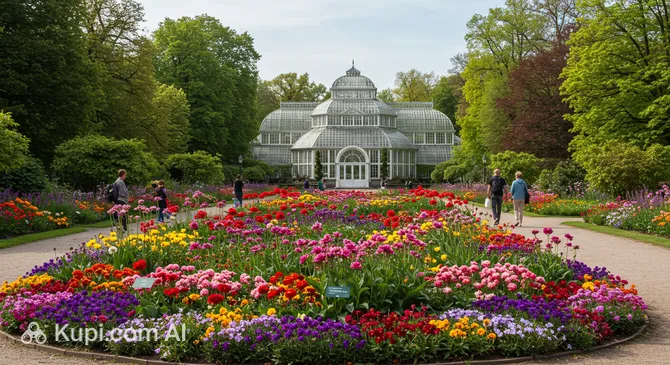
Flora and Botanical Garden Cologne. Illustration.
Source: Kupi.com AI

Traveler photos:

The historical section, known as "Flora," covers an area of 5.6 hectares and captures the imagination with a unique collection of plants from around the world, as well as a demonstration of various styles of garden art. The crown jewel of "Flora" is the luxurious glass palace (pavilion) made of cast iron and glass, designed by architects Max Nohl and Joseph Felten. This elegant structure, inspired by the Parisian Winter Garden (Jardin d'Hiver), charms with its Arabic and Moorish elements, creating a fairytale atmosphere.

To the north of "Flora" lies the Botanical Garden, established in 1914. This part of the complex is a true "living encyclopedia of botany." It houses thousands of plant species, organized geographically and biologically, making it not only a wonderful place for a stroll but also an important educational center. Visitors can spend hours wandering through the well-kept alleys, discovering flora from different corners of the planet—from alpine meadows to tropical forests.

A visit to the Cologne Flora and Botanical Garden is an opportunity to immerse yourself in the world of nature, enjoy the peace and beauty, and learn a lot of new things about the plant world. It is an ideal place for relaxation, romantic walks, and educational excursions for the whole family.

Contacts

For the most up-to-date information on opening hours, ticket prices, and scheduled events at the Cologne Flora and Botanical Garden, we recommend visiting the attraction's official website or contacting tourist information centers directly in Cologne. As a rule, this popular leisure spot is easy to reach by public transport by following signs for the Cologne Zoo, which is located right next to the garden.

How to contactContact
AddressAlter Stammheimer Weg, 50735 Köln, Germany
Phone number+49 221 560890
Websitewww.stadt-koeln.de

What to Do

Visitors to the Cologne Flora and Botanical Garden set out on a fascinating journey through the history of European garden art. In the "Flora" section, you will find exquisite flower beds designed in the French Baroque style and spacious English gardens with picturesquely scattered trees. A special charm is added by the Italian Renaissance garden, with its magnificent shaded alleys under hornbeam canopies, peaceful water cascades, and the romantic "Temple of Flora" (Flora-tempel). You can stroll here for hours, enjoying the changing landscape designs.

Continuing your walk through "Flora," you can discover other themed corners: relax on a heather meadow, explore mysterious fern thickets, or immerse yourself in the world of scents in the specially created "fragrance garden." The Mediterranean garden will transport you to southern latitudes, while you can spend pleasant time by the large picturesque pond, observing its peaceful life. Each area offers its own unique impressions and views to contemplate.

The Botanical Garden, an integral part of the complex, offers a real world tour of the plant kingdom. Here, visitors can see plants brought from all of Earth's climate zones. The collection includes many exotic and rare specimens. You can learn about agricultural crops in the cozy "peasant garden" or be amazed by the diversity of mountain flora in the "alpinum," which features more than two thousand plant species.

Flower lovers will be captivated by the vibrant gardens of irises and lilies, as well as the extensive collections of summer flowers and ornamental shrubs. The central pavilion deserves special attention, with its architecture whimsically combining Arabic, Moorish, and Renaissance styles. This structure is not only an attraction in its own right but also serves as a magnificent setting for exotic plant displays, creating a unique atmosphere for studying and admiring them.

Getting There

Getting to the Cologne Flora and Botanical Garden is quite simple, as it is conveniently located in the northern part of Cologne, right next to the Cologne Zoo. This makes it easily accessible for both city residents and tourists traveling through Germany.

The most convenient way to reach the garden is by public transport. Cologne has a well-developed network of trams (Stadtbahn) and buses. The nearest stop to the garden and the zoo is appropriately named "Zoo/Flora." You can get here on tram line 18. From the stop, it's just a few minutes' walk to the garden entrance. You can also use bus routes that pass nearby—check for current route numbers on the local transport authority (KVB) website or at a tourist information center.

If you prefer a more comfortable mode of transport or are traveling with luggage, you can use a taxi. A ride from central Cologne, for example, from Cologne Cathedral or the main train station (Köln Hauptbahnhof), will take approximately 10-15 minutes depending on traffic. Simply tell the driver "Flora Köln" or "Botanical Garden near the Zoo," and they will easily take you to your destination.

For those who enjoy active recreation and good weather, walking or cycling to the Cologne Flora and Botanical Garden can also be a pleasant option, especially if you are staying in the northern districts of the city. There are bike paths in Cologne, and the route along the Rhine can be particularly scenic.

Nearest city: Cologne

History & Facts

The history of the Cologne Flora and Botanical Garden dates back to 1490, when the first university botanical garden was established at the University of Cologne, founded in 1388. Its primary purpose was the cultivation and study of plants. However, the modern, well-known garden and park ensemble of "Flora" emerged much later. The need for a new garden arose after the old botanical garden, located in the city center near Cologne Cathedral, was dismantled to make way for the construction of the main railway station.

To create a new green space, a special joint-stock company called "Flora AG" was established in 1863, patronized by Prussian Queen Augusta herself. Thanks to the 22,130 thalers raised, it was possible to purchase 5.6 hectares of land in the Riehl district. The general plan and layout of the future botanical garden were entrusted to the eminent royal director of parks, Peter Joseph Lenné, who was 73 years old at the time. The project also received financial support from wealthy citizens, most notably the famous Cologne banker Baron Eduard von Oppenheim.

The grand opening of the original pavilion building, which still stands today, took place on August 14, 1864, and was celebrated with a grand ball, a concert, and fireworks. This pavilion, which became the heart of "Flora," still impresses today with its architecture. Nearly a century and a half later, for its 150th anniversary in 2014, the complex was reopened to visitors after a three-year extensive restoration. It is worth noting that the Botanical Garden itself, adjacent to the historical "Flora," was laid out slightly later, in 1914, complementing and expanding this magnificent green oasis in Cologne.

Time Needed

When planning a visit to the Cologne Flora and Botanical Garden, it's worth setting aside enough time to fully enjoy this magnificent green complex. For a general overview of the main attractions, including the historic "Flora" section and the key areas of the Botanical Garden, a typical visitor will need about 2-3 hours. This is enough time to stroll through the main paths and get a sense of the garden's beauty and scale.

However, if you want to explore the various themed gardens in more detail, study the plant collection in the greenhouses—including the famous glass palace—or simply enjoy the atmosphere of every corner at a leisurely pace, we recommend dedicating half a day (about 4-5 hours). Botany enthusiasts, photographers, or those seeking peaceful relaxation in nature may happily spend even more time here, exploring all the hidden paths and enjoying the changing landscapes. The more time you can devote to the Cologne Flora and Botanical Garden, the deeper your impressions will be of this amazing place in Cologne.

Working Hours

The Cologne Flora and Botanical Garden is generally open to visitors year-round; however, opening hours may vary depending on the season. During the summer months, the garden is usually open longer, allowing for evening strolls, while in winter, daylight hours are shorter, and closing times may be earlier. Admission to the garden itself is often free, but a ticket may be required to visit certain special exhibitions or greenhouses.

As specific opening hours are subject to change, and to check for information regarding the need for advance ticket booking for certain events or tours, it is highly recommended to check the official Cologne Flora and Botanical Garden website or consult current Cologne travel guides before your visit. This will help you plan your trip in the best possible way and avoid any potential inconvenience.

Nearby

A visit to the Cologne Flora and Botanical Garden is undoubtedly a highlight of any trip. But to make your journey to Cologne even more fulfilling and memorable, it's worth checking out other interesting places nearby. Exploring the surroundings will allow you to dive deeper into the city's atmosphere and discover its multifaceted culture and history.

Fortunately, there are many attractions near this green oasis that are easy to reach on foot or by public transport. This is a great opportunity to expand your itinerary and see more without spending too much time traveling. Below is a list of some interesting sites located near the Cologne Flora and Botanical Garden.

NameDistance
Cologne Aquarium0.1 km
Eigelstein Gate1.5 km
Cologne Cathedral2.2 km
Museum Ludwig2.2 km
Old Market2.5 km
Heumarkt2.6 km
Wallraf-Richartz Museum & Fondation Corboud2.6 km

Have you reached the end of the page?

So the route has been studied inside and out