Support

Historischer Kunstbunker

About

The Historic Art Bunker is a fascinating underground museum complex located up to 24 meters beneath the majestic Imperial Castle of Nuremberg. The site consists of a complex network of ancient rock passages and vaults that were masterfully carved into solid sandstone as far back as the Middle Ages.
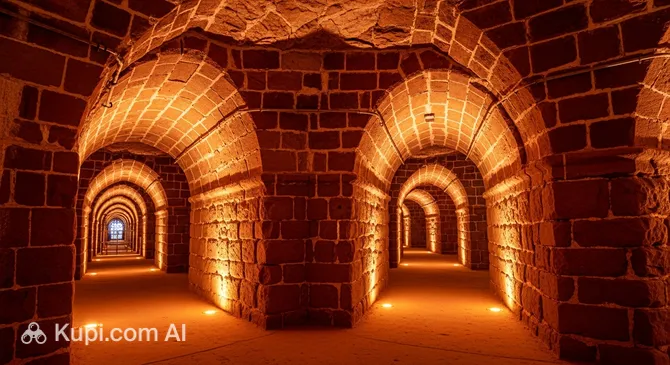
Historic Art Bunker
Historic Art Bunker. Иллюстрация. Источник: Kupi.com AI

In the middle of the 20th century, these deep vaults found a new life as a specialized storage facility for protecting the world's masterpieces. It was here in Germany that one of the most reliable shelters was created, allowing priceless works of art to be saved from destruction. Today, this place serves as a unique monument to engineering and human devotion to culture.

As part of Nuremberg's famous "Historical Mile," the bunker offers visitors a rare chance to peer into the city's past. It is an amazing blend of history, art, and architecture hidden deep beneath the cobblestones of the old town, leaving no one indifferent.

Contacts

To plan your visit and clarify tour details, you can use the contact information provided below. The museum is located in the historical center, making it easily accessible for tourists on foot.

How to contactContact
AddressOb. Schmiedgasse 52, 90403 Nürnberg, Германия
Phone+49 911 227066
Websitewww.unterwelten-nuernberg.de

What to Do

The main activity at the Historic Art Bunker is participating in a fascinating underground tour. Descending into the cool halls, you will see technical equipment from the middle of the last century that was used to maintain the life of this unique site: powerful ventilation, air conditioning, and humidity control systems that have survived to this day.

During the walk, guides share striking facts about how the operation to move and preserve the artifacts was carried out. You will learn about the fate of specific masterpieces that were kept safe here while the city's appearance changed above. This is a great chance to see Nuremberg from an unusual perspective and understand how the work to preserve the country's cultural code was conducted.

Visitors can also learn about the history of the city's post-war reconstruction. Through the prism of the bunker's history, details are revealed about how ruined buildings were brought back to life and the role that the treasures saved in the tunnels played in this process. It is a deep emotional immersion that allows you to appreciate the scale and significance of the work done here.

Getting There

The Historic Art Bunker is located at Obere Schmiedgasse 52, right in the heart of the historical center. Finding it is very easy—the entrance is in the immediate vicinity of the famous Nuremberg Imperial Castle. If you are already walking through the old town, it will only take a few minutes to reach the museum from the main tourist paths.

For those coming from other districts, it is most convenient to use Nuremberg's public transport. The nearest metro stations and bus stops are within a 10–15 minute walk. Travelers can also use taxi services, which will easily take you to the edge of the pedestrian zone of the old town, from where it is just a short stroll through picturesque streets to the bunker entrance.

Ближайший город: Nuremberg

History & Facts

The history of this unique site began back in the 14th century. At that time, craftsmen carved deep tunnels into the hard sandstone beneath the castle hill, which local brewers used for centuries as cool cellars. However, in 1939, at the initiative of Heinrich Kohlhaussen, the transformation of these medieval passages into a high-tech protective storage facility began.

The design of the bunker was carried out by leading specialists of the time, including architect Heinz Schmeißner. They managed to create a system that maintained a strict temperature and humidity level necessary for preserving fragile masterpieces. Treasures were brought here not only from local museums but also from other cultural centers in Germany.

The depths of the bunker provided temporary shelter for works by the great Albrecht Dürer, intricate sculptures by Veit Stoss, and the legendary 1492 globe by Martin Behaim. The most striking fact remains that in early 1945, when the city was almost completely destroyed, all the works of art located in this rock shelter remained in absolute safety.

Time Needed

To fully explore the Historic Art Bunker, it is recommended to plan for 1.5 to 2 hours. Since a visit to this unique site is only possible as part of an organized tour, most of the time will be spent walking through the underground halls while listening to an experienced guide.

This amount of time is quite sufficient not only to see the technical rooms and tunnels but also to appreciate the scale of the work done to save the cultural heritage. Given the specifics of the location, we recommend arriving a bit ahead of your scheduled tour time to get oriented.

Working Hours

You can visit the Historic Art Bunker daily. The museum is open from Monday to Sunday, welcoming guests from 09:00 to 18:00. This makes it easy to fit an underground visit into any travel schedule.

Since visits are organized as guided tours, start times may vary. We recommend checking information in advance on the museum's official website to ensure you can join a tour at a convenient time, especially during holiday periods.

09:00–18:00

Nearby

Exploring the area around the castle hill will help you feel the atmosphere of the ancient city more deeply. The surroundings of the bunker are full of interesting locations where you can relax or find new experiences after your underground tour.

Within walking distance or a short ride away, there are entertainment centers and park areas that will add variety to your cultural leisure in Nuremberg.

NameDistance
Nuremberg Castle0.1 km
Nuremberg Historic Rock-Cut Cellars0.1 km
Albrecht Dürer House0.1 km
The Flower of Hawaii0.2 km
Nuremberg Toy Museum0.3 km
Mata Hari Bar0.3 km
Beautiful Fountain0.4 km

Reached the end of the page?

That means the route is fully explored