Support

Bildudalur

About

Bíldudalur is a picturesque village nestled on the shores of Arnarfjörður, one of the most beautiful fjords in the Westfjords region. This location is often called the "capital of good weather" in the Westfjords: thanks to the high mountains surrounding the settlement, it is reliably protected from strong winds, and the climate here is noticeably milder than in neighboring areas. It is the peaceful atmosphere and majestic landscapes that draw travelers here who want to see what authentic, non-touristy Iceland is really like.
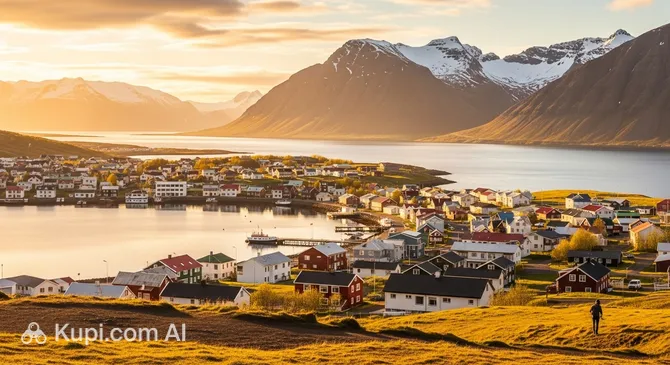
Bildudalur. Illustration.
Source: Kupi.com AI

Despite its modest size and population of no more than two hundred people, the town enjoys a rich cultural life. The local history of Bíldudalur is inextricably linked to the sea and shrimp processing, but today the area attracts creative people and adventure seekers. Walking along the waterfront, you can enjoy views of calm waters and steep mountain slopes, creating a sense of total isolation from the hustle and bustle of the outside world.

The main highlight of the village is the unique Sea Monster Museum. The interactive exhibition immerses guests in the world of Icelandic folklore, telling chilling legends of creatures that allegedly inhabit the waters of Arnarfjörður. Additionally, Bíldudalur serves as an excellent starting point for a trip to the Selárdalur valley, home to a famous open-air museum featuring the naive art and sculptures of Samúel Jónsson.

A visit to this corner of the Westfjords will give you a rare sense of unity with nature. Be sure to include Bíldudalur in your itinerary to relax your soul, listen to the silence, and perhaps unravel the mysteries of the deep sea.

Weather Overview

The climate in this part of the Westfjords is harsh yet charming in its own way, with a distinct maritime character. Summer here is short and quite cool: in July, the warmest month of the year, the average temperature is about 9.3°C, occasionally rising to 11°C. This is the most comfortable time for travel, although even in August (average temperature 8.9°C), the number of rainy days remains significant—about 13 per month.

The winter period is characterized by freezing temperatures and high humidity. In January, the thermometer drops to an average of -3.3°C, and precipitation occurs very frequently—up to 21 days a month. Spring arrives slowly in the region: even in May, the air warms up to an average of only 3.4°C.

The current weather in Bíldudalur requires careful selection of gear. Expect a cool summer with frequent cloud cover and cold winters with regular precipitation, characteristic of most months of the year.

Average monthly temperature

Average monthly precipitation

Interesting Facts

Beyond its main attractions, Bíldudalur holds many fascinating secrets and stories that make it a truly unique place on the map. Here are a few facts that will allow you to look at this town from a new perspective:

  • Town of a famous song. Bíldudalur is known to every local thanks to the popular humorous song "There are green peas in Bíldudalur" (Í Bíldudal eru grænar baunir). This hit, performed by the legendary singer Haukur Morthens, became the unofficial anthem of the village, even though canned peas were never commercially grown here.

  • Unique mineral processing. The village operates a plant for processing calcified seaweed—a special type of lime deposit. The raw material is harvested directly from the bottom of the fjord by specialized vessels. After processing, these mineral seaweeds are turned into valuable additives used in agriculture and industry, which is an important part of the regional economy.

  • Mining past. Near the town, in the Stálfjall mountains, lignite (brown coal) was mined in the past. This is a fairly rare occurrence for a volcanic island. During the World Wars, when fuel imports were difficult, local mines provided coal for much of the region, a point of pride for Iceland.

  • The rejected artist's church. The famous "artist with the heart of a child," Samúel Jónsson, whose estate is in the neighboring valley, built his own church for a reason. According to local history, he built it specifically to house an altar he had created, which the official parish church had refused to accept and consecrate.

How to Get There

Traveling to the Westfjords is a true adventure that requires planning, as the region is far from the Ring Road. Most tourists arrive in the country by air and then transfer to domestic flights or rent a car. You can explore all ways to get to the city in more detail, and below we cover the key transport hubs.

Most international travelers fly into Keflavík International Airport (KEF). Bíldudalur itself does not have an international terminal, so you will arrive at the airport serving the capital, located approximately 195 km from your destination (as the crow flies; the road journey is significantly longer). This is the main gateway through which most guests wishing to visit Iceland pass. The drive from here to Bíldudalur takes quite a while—roughly about 5 hours, given the complex fjord terrain.

For those looking to save time, a domestic flight is a convenient option. The nearest significant regional hub to Bíldudalur from our list is Ísafjörður Airport (IFJ), located in the town of Ísafjörður. It is about 46 km from Bíldudalur. A transfer by taxi or bus from there takes about 1.5 hours. Reykjavík Airport (RKV) also plays an important role, as it is the usual departure point for domestic flights to the Westfjords region.

For clarity, here is a summary of the main airports:

AirportPassenger trafficDistance
Isafjordur Airport33 00047 km
Reykjavik Airport500 000190 km
Keflavik International Airport8.3 mln195 km
Akureyri Airport200 000254 km

As for rail travel, it is completely non-existent in Iceland. There are no train stations in Bíldudalur or its surroundings. The primary methods of overland travel remain rental cars and scheduled buses. The road to the Westfjords is very scenic but requires attention, especially in winter. We recommend checking bus schedules and road conditions in advance.

Main Attractions

Bíldudalur and the surrounding Arnarfjörður fjord offer travelers a unique combination of cultural discoveries and natural wonders. Despite the region's remoteness, it is home to sites that are famous far beyond the Westfjords.

Sea Monster Museum (Skrímslasetrið). This is the main cultural attraction within the village itself, located in a historic cannery building. The exhibition is dedicated to rich Icelandic folklore and numerous eyewitness accounts claiming to have seen mysterious creatures in the waters of the local fjord. The museum is very atmospheric: multimedia installations, sound effects, and an interactive "monster" map immerse visitors in the world of legends for which Iceland is famous. The museum also features a cozy cafe with a view of the bay.

Selárdalur Valley. At the end of a gravel road leading from the town lies one of the most unusual places in the country—the estate of self-taught artist Samúel Jónsson. Often called "the artist with the heart of a child," he single-handedly built an amazing complex of buildings and sculptures here, including a church with an onion dome and a replica of the Alhambra's Lion Court. This is an open-air museum where naive art blends harmoniously with the harsh landscape, creating a sense of total unreality.

Dynjandi Waterfall. Although this majestic waterfall is located on the opposite side of the fjord, Bíldudalur is a convenient starting point for visiting it. Dynjandi is the largest and most beautiful waterfall in the Westfjords, resembling a bridal veil draped over the cliffs. The water falls from a height of 100 meters, forming a cascade of seven smaller waterfalls. The roar of the water and the power of nature here are mesmerizing, and the climb to the top of the falls offers a panoramic view of the entire Arnarfjörður.

Reykjafjarðarlaug Geothermal Pool. For those who want to feel the warmth of the Icelandic earth, it is worth heading deep into the fjord to this hot spring. There is both a natural stone pool and a concrete swimming pool where the water maintains a comfortable temperature year-round. Bathing here is an opportunity to relax in hot water while admiring snow-capped mountain peaks and the cold ocean waters just a few meters away.

Local Cuisine

The culinary scene in Bíldudalur is a direct reflection of the harsh yet generous nature of the Westfjords. You won't find sophisticated fine-dining restaurants here, but you can enjoy food prepared with locally sourced, organic products and homemade care. The foundation of the local diet is the bounty of the Atlantic, so the freshness of ingredients is always a priority, something all of Iceland is proud of.

The main dish every visitor to the village should try is plokkfiskur. This is a traditional Icelandic fish stew made from boiled cod or haddock, potatoes, onions, and a thick creamy sauce. It is perfectly filling and warming in cool weather. Since Bíldudalur's history is closely tied to shrimp fishing, be sure to order dishes featuring local cold-water shrimp—they are small but have an incredibly sweet and rich flavor. Meat lovers will enjoy the classic lamb soup, kjötsúpa, which is simmered with vegetables and wild herbs.

Among drinks, coffee is the undisputed leader. Locals drink it in large quantities, and any establishment will offer you a cup of aromatic brew, often with the option of a free refill. For alcohol, look for Brennivín—a traditional caraway-flavored schnapps often called "Black Death," though it tastes quite spicy and smooth if served chilled. Also, remember to drink the ordinary tap water: in this region, it comes from mountain springs and is considered some of the cleanest and tastiest in the world.

The choice of dining options in Bíldudalur is small, but each has its own special charm. The local diner or small restaurant (such as the popular Vegamót) often becomes the center of social life, functioning as a cafe and shop by day and turning into a cozy bar by evening. The atmosphere is casual: fishermen discussing their catch may sit at neighboring tables with tourists sharing their impressions. You can also have a snack at the cafe at the Sea Monster Museum, which serves excellent waffles with jam and whipped cream—a traditional Icelandic treat to accompany coffee.

Travel Tips

Traveling to Bíldudalur is an encounter with wild and unpredictable nature, so proper preparation is more important here than anywhere else. We have gathered practical recommendations to help make your trip to this remote corner of the Westfjords comfortable and safe.

  1. Clothing and Equipment. The weather in this region changes instantly. Even in summer, be sure to bring layered clothing: thermal underwear, a warm fleece, and a quality waterproof windbreaker with a hood. Umbrellas are useless here due to the wind. Sturdy trekking boots are essential for walks, and don't forget a swimsuit and a quick-drying towel for visiting hot springs.

  2. Transport. Public transport in the Westfjords is poorly developed and infrequent. The best option is renting a car. Given the challenging terrain and the presence of gravel roads (for example, on the way to Selárdalur), we strongly recommend choosing a four-wheel-drive vehicle (4x4). Always check road conditions on local websites before heading out.

  3. Finances. The official currency is the Icelandic Króna (ISK). In Iceland, cash is rarely used: cards are accepted everywhere, from tiny cafes to museums. However, having a small amount of cash on hand just in case won't hurt. Tips are usually included in the bill; leaving them is not mandatory, but rounding up the amount is appreciated.

  4. Health and Safety. Bíldudalur is a very safe place, and crime is virtually non-existent. The main risks are related to weather and roads. The nearest major pharmacy or hospital may be in neighboring towns (such as Patreksfjörður), so be sure to bring a personal first-aid kit with necessary medications. The universal emergency number is 112.

  5. Connection and Communication. Almost all locals speak English fluently. Wi-Fi is available in most guesthouses and cafes. For navigation and communication on the road, it's better to buy a local SIM card (Síminn or Nova), as roaming can be unstable in remote canyons. It is useful to download offline maps of the region in advance.

  6. Local Etiquette. Icelanders take pool hygiene very seriously. Before entering the water in any thermal spring or public pool, you must take a shower without a swimsuit using soap. This is a strict rule, and violating it may lead to a reminder from staff or locals. Also, be polite and always say hello when entering small shops.

  7. What to Avoid. Never buy drinking water in plastic bottles—it's a waste of money. Tap water in Bíldudalur comes from mountain springs; it is crystal clear and considered some of the best in the world. Additionally, it is strictly forbidden to drive off roads onto moss or soil (off-road driving)—this is illegal and causes irreparable damage to the fragile northern nature.

  8. Shop Opening Hours. Remember that in a village of 150 people, infrastructure is limited. The only grocery store may close early (at 18:00 or earlier) and have reduced hours on weekends. If you plan to cook for yourself, buy groceries in advance or keep an eye on the time.

Bíldudalur will enchant you with its tranquility and beauty if you are prepared for the specifics of local life and climate. Follow these simple tips, respect nature, and your journey along the shores of Arnarfjörður will become one of your warmest and most vivid memories.

Entertainment & Nightlife

Entertainment and nightlife in Bíldudalur have a unique, quiet character that is fundamentally different from the noisy parties of Reykjavík. Given that the village's population is only about 150 people, there are no nightclubs, discos, or bar districts in the traditional sense. "Nightlife" here is primarily about heartfelt conversations with locals, cozy gatherings, and enjoying the incredible nature under the light of the midnight sun in summer or the northern lights in winter.

The center of all social activity in the village is Vegamót. This is a unique establishment that functions as a restaurant, cafe, small shop, and the only bar in the area. This is where both tourists and local fishermen gather in the evenings to discuss the news over a glass of beer or something stronger. The atmosphere at Vegamót is extremely casual and homey: there is no dress code, and you will feel comfortable even in hiking boots and a fleece jacket after a long day in the mountains. Sometimes on weekends, there may be impromptu local talent concerts or live music evenings.

If you are looking for an alternative to the bar, nature itself becomes the best "nightclub." A walk along the pier in the harbor, as boats rock peacefully on the water and absolute silence reigns, provides an unforgettable experience. In winter, Bíldudalur becomes an ideal spot for observing the northern lights: thanks to the absence of light pollution, bright flashes in the sky are visible right from the center of the village. This entertainment is completely free and available to anyone willing to dress warmly.

In terms of safety, Bíldudalur is one of the calmest places on the planet. You can walk here at any time of day or night without the slightest risk. There are no taxis in the village, but they aren't needed: any point, including your guesthouse or the waterfront, can be reached on foot in 5–10 minutes. Prices for alcohol and food correspond to the general level in Iceland—they are quite high, so many travelers prefer to limit themselves to one or two drinks.

As for daytime entertainment, it is inextricably linked to the history and landscape. The Sea Monster Museum remains a cultural magnet, interesting not only for its exhibition but also for its cafe, where it is pleasant to spend time during bad weather. For outdoor enthusiasts, local guides offer sea fishing in the fjord—an exciting activity that often ends with cooking your own catch for dinner. Hiking in the surrounding mountains, which offer breathtaking views of Arnarfjörður, is also popular.

Parks & Museums

In Bíldudalur, the concept of an "urban park" dissolves into the surrounding wilderness. There are no typical squares with alleys here, as the entire village is surrounded by one grand natural reserve—the mountains and waters of Arnarfjörður. Nevertheless, the area offers a unique cultural experience, combining the rugged beauty of the landscape with idiosyncratic museums that could only appear here, where myths intertwine with reality.

The Arnarfjörður Coastline. The main walking area of the village is the fjord's shoreline. The promenade along the harbor allows you to enjoy the silence and fresh sea air, which feels particularly pure here. It is an ideal spot for birdwatching and, with luck, spotting seals or whales entering the bay. The landscape here changes every hour depending on the light, turning an ordinary walk into the aesthetic pleasure for which Iceland is famous.

Selárdalur Valley. Although this place is somewhat distant from the village center, it is an integral part of the region's natural and cultural landscape. The road there is a scenic route along the sea, running between sheer cliffs and the ocean. It is a zone of absolute peace, where nature harmoniously coexists with human creations, creating an "edge of the world" atmosphere.

Sea Monster Museum (Skrímslasetrið). The town's most famous cultural site, located in a former cannery. The exhibition is dedicated not to dry scientific facts, but to the living history of folklore. It collects stories of sea monsters that local fishermen have "seen" in the fjord's waters for centuries. Interactive screens, sound effects, and a mysterious atmosphere make this museum a fascinating place to understand how harsh nature influences human imagination.

Samúel Jónsson's Open-Air Museum. Located in the Selárdalur valley, this site is often called a "castle of naive art." Farmer and self-taught artist Samúel Jónsson spent the final years of his life creating whimsical concrete sculptures and buildings reminiscent of fairytale palaces. You can see a unique church and fountains created by the hands of one man. This place is touching in its sincerity and serves as a monument to human persistence and the drive to create.

Insider Tip: Bíldudalur is sometimes called the "Liverpool of the Westfjords" due to its rich musical traditions. While there is no separate music museum, peek into the local community center or Vegamót restaurant—you can often find old photos and artifacts related to the history of Icelandic pop music, as many of the country's famous performers hail from here.

Getting Around

Given the miniature size of Bíldudalur, home to only about a hundred and fifty people, there is no public transportation system typical of large metropolises. The village has no metro, trams, or trolleybuses. Within the settlement, all travel is done on foot: you can leisurely walk from one end to the other in 10–15 minutes, enjoying views of the fjord and mountains.

Connection to the outside world and neighboring towns is provided by the national bus operator Strætó. Yellow buses run between the Westfjords settlements; however, trips are infrequent—usually several times a week, and the schedule is heavily dependent on the season and weather conditions. The bus is the only way to reach hubs like Patreksfjörður or Ísafjörður without a private car.

The fare payment system for regional buses running throughout Iceland is quite simple. Unlike in the capital, special transit cards are not always required here. You can pay the fare directly to the driver upon boarding. The most reliable method is using a bank card, as cash may not be accepted or the driver may not have change. It is also recommended to download the official Strætó app in advance or check the schedule on their website to plan your route.

It is important to note that typical city taxi services, as well as popular apps like Uber or Bolt, do not operate in Bíldudalur. It is impossible to hail a car on the street. If you need a transfer, for example, to the airport or an attraction, you must book it in advance through local tour companies or arrange it with your guesthouse owners.

The most popular and convenient alternative to public transport is a rental car. This provides complete freedom of movement around the Westfjords region. Car rental points are located at major transport hubs (Keflavík, Reykjavík, or Ísafjörður airports); renting a car in Bíldudalur itself is difficult. In summer, cycle tourism is also popular, but due to strong winds and elevation changes, this option is only suitable for physically fit travelers.

Accommodation

Since Bíldudalur is a tiny village with a population of fewer than 200 people, you won't find large hotel chains or luxury five-star resorts here. However, this is precisely where the charm of staying here lies: instead of generic rooms, you'll find the warmth and coziness for which hospitable Iceland is famous. The core of local accommodation consists of small family-run guesthouses, apartments, and hostels, where owners personally greet guests and maintain a homey atmosphere.

Most accommodation options are located in the immediate vicinity of the harbor, offering stunning views of Arnarfjörður. Travelers should be prepared for the fact that in many guesthouses, facilities (bathroom and toilet) may be shared on the floor—a standard practice in rural Iceland. On the plus side, a hearty homemade breakfast is often included in the price, and Wi-Fi is available almost everywhere for free.

For budget travelers and those seeking maximum connection with nature, Bíldudalur has a well-equipped campsite. It is located next to the sports center, providing access to hot showers, toilets, and washing machines. Thanks to its favorable low-lying location, the campsite is well-protected from the winds, which is a huge advantage given the Westfjords' unpredictable weather.

Important tip: Given the limited number of places to stay, it is highly recommended to book accommodation several months in advance for the summer season (June to August). Bíldudalur serves as a popular base for exploring the area, and available rooms fill up very quickly.

Nearby Cities

For those wishing to explore the surrounding area, Bíldudalur serves as an excellent starting point for day trips to several interesting nearby locations:

Reykjavik. The country's capital offers a bright contrast to the secluded atmosphere of the Westfjords. Here, travelers can visit the famous Hallgrímskirkja church, stroll along the Laugavegur shopping street, and enjoy gastronomic variety in numerous restaurants and cafes. It is the hub of the island's cultural life.

Hafnarfjordur. This cozy port town, nestled among lava fields, is often called the "elf capital" due to many legends about the hidden people. The town is also known for its Viking traditions and picturesque harbor, where it's pleasant to walk in any weather.

Keflavik. A town that is often the first point of introduction to the island for many tourists. Besides its proximity to the airport, it is interesting for the Museum of Icelandic Rock 'n' Roll and beautiful ocean views. It is a great place to learn more about the country's modern history and pop culture.

CityPopulationDistance
Patreksfjordur2 60021 km
Thingeyri26022 km
Flateyri20041 km
Isafjordur2 62048 km
Reykholar11870 km

These nearby destinations provide an insight into the diverse culture and landscapes of the region.

Shopping & Souvenirs

General Overview

Shopping opportunities in Bíldudalur match the size of this cozy settlement and are primarily utilitarian in nature. Tourists should not expect high-end boutiques or galleries with global brands here. Commerce in the village is focused on providing locals and travelers with basic necessities, food, and essential gear. Nevertheless, this is where you can find authentic items imbued with the spirit of the Westfjords and purchase unique souvenirs found nowhere else in Iceland.

Main Shopping Areas and Streets

Due to the town's compactness, there are no dedicated shopping streets or districts. All commercial activity is concentrated in the center of the settlement, near the harbor. The main point of attraction is a small area along the waterfront where the primary establishments are located. Here you will find the local general store, which often combines the functions of a grocery store, hardware store, and community meeting place.

Shopping Centers

There are no shopping centers in Bíldudalur. Large mall formats are not characteristic of small Icelandic villages. If you need extensive shopping, specialized clothing, or electronics, it is better to do this in advance in Reykjavík or plan a trip to the regional center of Ísafjörður, where the choice of shops is significantly wider.

Markets

There are no permanent markets in the town. However, during the summer season, especially during local festivals (such as the Steampunk festival or Bíldudalur Days), temporary fairs may open. At these, local artisans and farmers sell their crafts, knitted goods, and homemade treats. Fresh fish and seafood, for which the region is famous, can often be bought by dealing directly with fishermen in the port when the boats return from their catch.

Souvenirs

Despite its modest size, Bíldudalur offers great gift ideas. The primary place for souvenir shopping is the shop at the Sea Monster Museum. Here you can buy books on folklore, t-shirts with original monster prints, mugs, and artistic postcards. It is also worth looking for items made from Icelandic wool (the famous lopapeysa sweaters, mittens, and hats), which are often knitted by local craftswomen. Given the town's musical history, Icelandic music CDs or retro posters make interesting souvenirs.

Opening Hours and Payment

Shops in Bíldudalur usually operate on reduced hours. The grocery store is generally open from 10:00 or 12:00 to 18:00 on weekdays, and weekend hours may be even shorter (e.g., until 16:00). Outside the summer season, the schedule may change. Bank cards (Visa, Mastercard) are accepted everywhere, even for small purchases. Cash may only be needed in rare cases, such as buying items directly at a fair, but this is the exception.

Tax Free

The tax refund system (Tax Free) operates in Iceland for foreign tourists for a single purchase of over 6,000 ISK on one receipt. Although Bíldudalur has few shops participating in this program, you should check for Tax Free forms at the museum souvenir shop or larger sales points. If a shop provides this service, you will see a "Global Blue" or "Tax Free Worldwide" logo on the window. Be sure to ask for the receipt and the special form to fill out so you can claim back part of the VAT when leaving the country.

Reached the end of the page?

That means the route is fully explored