Support

Grundarfjordur

About

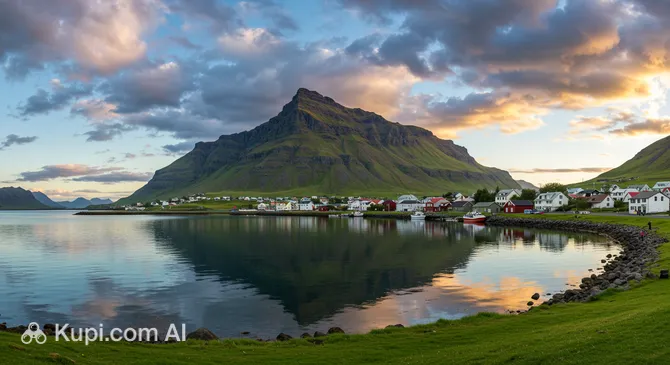
Grundarfjörður is a small gem on the west coast of Iceland, snugly nestled on the northern shore of the Snæfellsnes Peninsula. This town is surrounded by rugged and mesmerizing beauty: on one side, it is washed by the waters of a picturesque bay, and on the other, it is protected by majestic mountain ranges. It boasts a unique atmosphere of tranquility and harmony with nature that is hard to find in larger tourist centers.

Grundarfjordur. Illustration.
Source: Kupi.com AI

The main landmark of the area is Mount Kirkjufell, whose perfect conical shape is famous among photographers worldwide. Despite its modest size and population of about 870 people, the town plays an important role as a fishing port. The rich history of Grundarfjörður is closely tied to the sea, and today you can see many fishing vessels in the harbor alongside bright residential houses painted in traditional colors.

Grundarfjörður attracts travelers not only with its landscapes but also with opportunities for outdoor activities. It is a convenient base for exploring the natural wonders of the peninsula, and in winter, the town becomes one of the best spots for observing the magical Northern Lights. It is an ideal place to experience true Icelandic authenticity, breathe in the salty Atlantic air, and forget about the bustle of the city.

Weather Overview

The climate in this region is maritime and variable, typical of the west coast of Iceland. Summer here is fresh and invigorating: in the warmest months, July and August, the average temperature stays around +10°C, rarely exceeding the +11°C mark. Winters, thanks to the influence of the ocean, are relatively mild, with average values around 0°C and nighttime drops to -2°C.

Precipitation is a frequent companion for travelers year-round. Even in the summer season, the number of rainy days varies from 12 to 14 per month, and in January, this number can reach 19. Expect a cool summer with variable cloudiness and a mild but wet and windy winter.

To prepare for the whims of Icelandic nature and choose the right wardrobe, we recommend studying the detailed weather in Grundarfjörður before your trip.

Average monthly temperature

Average monthly precipitation

Interesting Facts

In addition to its impressive landscapes, Grundarfjörður holds many fascinating stories and legends that give this place a special charm. Here are a few facts to help you get to know this amazing corner better:

  • A "Game of Thrones" Star. Mount Kirkjufell, which towers over the town, is famous not only for its unusual shape resembling an inverted ship. It became a true celebrity after appearing in the cult series "Game of Thrones," where it played the role of the "arrowhead-shaped mountain." This has attracted thousands of fans of the saga to Iceland, wanting to see the legendary location with their own eyes.

  • Ancient Roots. The history of these lands goes back to the island's settlement era. It is believed that the surroundings of the town became home to some of the first Viking settlers. Locals carefully honor the memory of their ancestors and take pride in the centuries-old maritime traditions that have shaped their way of life for hundreds of years.

  • Protected by Spirits. Folklore here isn't just fairy tales; it's part of the cultural code. Ancient legends say that elves and trolls inhabit the cliffs around the town, and the coastal waters are protected by mysterious water spirits. Many Icelanders believe that these mythical creatures guard the peace of the local residents.

  • "Sea Days" Festival. Once a year, the town's quiet pace of life explodes with the bright colors of a festival dedicated to the ocean. During these days, rowing competitions, concerts, and folk festivities take place, where you can not only taste the freshest fish but also immerse yourself in the atmosphere of a true Icelandic holiday.

How to Get There

Grundarfjörður is located in a picturesque but remote corner of Iceland, so the journey here is an adventure in itself. You can find out more about how to get to Grundarfjörður on our special page, but here we will cover the key transport hubs.

Grundarfjörður itself does not have its own airport. The main point of arrival for most international travelers is Keflavík International Airport (KEF). According to official data, it serves the city of Reykjavík and is approximately 109 km from Grundarfjörður as the crow flies. However, due to the terrain and roads, the actual travel time by taxi or transfer is about 3 hours.

For domestic flights and flights from Greenland, Reykjavík Airport (RKV) is often used. It is located directly in the capital, also about 109 km from your destination. It is a convenient medium-sized hub from which you can continue your journey by rental car or bus.

For your convenience, here is a summary of the main airports:

AirportPassenger trafficDistance
Reykjavik Airport500 000109 km
Keflavik International Airport8.3 mln109 km
Isafjordur Airport33 000126 km
Akureyri Airport200 000255 km

Main Attractions

Despite its modest size, Grundarfjörður is a real magnet for travelers due to its incredible concentration of natural beauty. This cozy town serves as an ideal starting point for exploring the wonders of the Snæfellsnes Peninsula, offering guests a unique blend of majestic landscapes and the authentic atmosphere of a fishing village.

The absolute dominant feature of the landscape is Mount Kirkjufell. This is perhaps the most photographed mountain in Iceland, rising 463 meters above the town. Its name translates as "Church Mountain" because of its distinctive shape, resembling a cathedral spire or dome. Fans of the "Game of Thrones" series will recognize it as the famous "arrowhead-shaped mountain." Kirkjufell changes its appearance depending on the season: in summer it is covered in lush greenery, and in winter it is wrapped in snow, often serving as the perfect backdrop for watching the Northern Lights.

At the foot of the mountain lies the picturesque Kirkjufellsfoss waterfall. Although it is not known for its height, its three-step cascading structure creates an incredibly harmonious composition. Tourists love this spot for the opportunity to take a classic shot where the streams of water in the foreground perfectly complement the majestic silhouette of the mountain in the background. The walk from the parking lot to the waterfall takes only a few minutes, making it accessible to all travelers.

The heart of town life is Grundarfjörður Harbor. It is not just a parking spot for boats, but a lively hub of activity where you can feel the true rhythm of coastal life. This is where popular sea excursions depart from. The waters around the town are known as one of the best places in the country for spotting marine giants: you can often see orcas (killer whales), dolphins, and even sperm whales that enter the deep waters of the fjord following schools of herring.

In the town itself, Grundarfjörður Church is worth noting. This modern building, consecrated in 1966, stands out with its architecture that echoes the surrounding landscapes. Its snow-white walls and unusual shape make it a prominent landmark. Cultural events and concerts are often held inside, and next to the church stands a monument to local fishermen, serving as a reminder of the residents' unbreakable bond with the sea.

Local Cuisine

The gastronomic traditions of Grundarfjörður are inextricably linked to the sea and the region's rugged nature. They don't chase complex culinary techniques here, preferring honest food made from exceptionally fresh ingredients. The main delicacies go straight from the fishing boats to the table: cod, haddock, redfish, and tender langoustines. Local chefs take pride in their ability to highlight the natural flavor of the fish using only fresh herbs and minimal spices.

If you want to try something truly hearty and homemade, order plokkfiskur. This is a thick stew of boiled fish, potatoes, and onions, often baked under a creamy sauce or a cheese crust. The dish is considered a comfort food classic in these parts. You can also frequently find exquisite seafood steaks and rich fish soups on restaurant menus, which are perfect for warming up after a walk in the fresh air.

To get acquainted with the ancient customs of Iceland, pay attention to some specific snacks. Harðfiskur (dried fish) is very popular; locals eat it with a thick layer of butter. The bravest tourists might be offered hákarl—fermented Greenland shark meat. This dish with a sharp smell and taste is prepared according to ancient recipes and is often served during folk festivals as a tribute to ancestral traditions.

Local baked goods deserve special attention, particularly rúgbrauð. This is a dense, sweetish rye bread traditionally baked in the hot ground using natural geothermal heat. It is served with smoked fish or pâtés. For dessert, you can try homemade sweets with local berries or skyr, which resembles a thick yogurt. Farmers' markets selling fresh honey and jams are also popular in town.

The town's life is also rich in gastronomic events. In summer, seafood festivals take place where guests can not only taste dishes but also attend culinary masterclasses. In the cold season, the cozy cafes of Grundarfjörður become a refuge from the weather: it's customary to spend time over a cup of aromatic coffee or hot chocolate, enjoying fresh pastries and views of the snow-capped mountains.

Travel Tips

Welcome to picturesque Grundarfjörður! To ensure your visit to this cozy town at the foot of the famous Mount Kirkjufell is as comfortable as possible and without organizational hitches, we have prepared a list of important practical recommendations considering the features of Icelandic nature and the local way of life.

  1. Clothing and gear. The weather on the peninsula changes rapidly, so the main principle is layering. Even in summer, you will need thermal underwear, a fleece sweater, and a high-quality windproof membrane jacket with a hood. Be sure to bring trekking boots with a hard sole for walks on the stony paths near waterfalls. In winter, we strongly recommend having ice cleats ("crampons") for your shoes, as the paths can be very slippery.
  2. Transport and getting around. The town itself is very compact and can easily be explored on foot in half an hour. However, public transport within the region is poorly developed, so renting a car is almost essential for freedom of movement. If you are traveling in winter, choose a four-wheel-drive vehicle (4x4) and monitor road conditions through local apps. Taxis are hard to find in town and are expensive.
  3. Finances and payment. The official currency is the Icelandic króna (ISK), but you will hardly need cash. In Iceland, cards are accepted everywhere: in hotels, tiny cafes, and even at paid parking lots near attractions. Nevertheless, having a small amount of cash for backup doesn't hurt. Tipping is not customary here, as service charges are already included in the bill.
  4. Health and safety. Grundarfjörður is a safe place with a crime rate close to zero. The main danger is nature: never get close to the water's edge on wild beaches due to unpredictable "sneaker waves." There is a pharmacy (Apótek) in town, but it may be closed on weekends or evenings, so have a supply of necessary medications with you. The emergency number is 112.
  5. Connectivity and communication. Almost all locals speak English fluently, so you won't have a language barrier. Wi-Fi is available in most cafes and guesthouses. For navigation, it's convenient to use local SIM cards (Síminn, Nova), which provide good coverage even in remote corners. Be sure to download the Veður app to track weather forecasts and storm warnings.
  6. Local etiquette. Icelanders value politeness and personal space. The most important rule concerns visiting the town pool or hot springs: you must wash thoroughly in the shower without a swimsuit before entering the water. This is not just a recommendation but a strict hygiene requirement that is monitored very closely.
  7. What to avoid. It is strictly forbidden to drive off paved or gravel roads onto untouched terrain (off-road driving). Car tires cause irreparable damage to the fragile moss and soil, which takes decades to recover; fines for this violation are huge. Also, do not stop in the middle of the road to take photos of Mount Kirkjufell—this creates dangerous situations; use only designated pull-offs and parking lots.
  8. Shopping and groceries. Keep in mind that supermarkets in small towns close quite early (often at 18:00 or 19:00), and alcohol is sold exclusively in state-run Vínbúðin stores, which operate on even shorter schedules. Plan your grocery shopping in advance, especially if you intend to cook dinner yourself.

We hope these tips help you plan the perfect trip. Grundarfjörður is a place of incredible power and beauty, and with proper preparation, you can forget about everyday trifles and fully immerse yourself in contemplating the rugged northern nature.

Entertainment & Nightlife

Entertainment in Grundarfjörður is inextricably linked to the unique nature of the Snæfellsnes Peninsula. There are no noisy shopping malls or nightclubs here, but there is a rare opportunity to feel like an explorer while discovering the ocean and mountains. The main leisure activities for guests include outdoor recreation and getting to know the local wildlife.

The main adventure for many travelers is whale watching. Grundarfjörður is one of the few places in Iceland where there is a high chance of seeing orcas, especially in the winter and spring months when these predators enter the fjord following schools of herring. In summer, boat trips allow you to observe puffins, white-beaked dolphins, and minke whales. Boats depart directly from the town harbor, and such excursions are often accompanied by breathtaking views of Mount Kirkjufell from the water.

For those who want to get even closer to nature, kayaking tours are available. This is a calm and eco-friendly way to explore the coastline, paddle closer to the cliffs, and see seabirds in their natural habitat. On land, hiking is popular: besides the trails around the famous mountain, there are routes to hidden waterfalls and lava fields surrounding the town.

After a busy day in the wind, it’s worth visiting the local swimming pool (Sundlaug Grundarfjarðar). This is an important part of local culture: here you can swim in warm water under the open sky and relax in hot thermal baths ("hot pots") while enjoying the mountain views. The pool is fully equipped and is a great place to rejuvenate.

History and culture buffs will find the Eyrbyggja Heritage Centre interesting. This small museum tells the story of life in the region over the centuries. Exhibits are dedicated to the development of fishing, the daily life of locals, and the famous "Eyrbyggja Saga," which took place in these very parts.

During the summer season, usually from June to August, the Vestarr Golf Club operates in a picturesque valley near the town. Playing golf here offers a special experience thanks to the majestic landscapes and the opportunity to play almost around the clock during the midnight sun period.

Parks & Museums

In Grundarfjörður, the concept of a "city park" takes on a completely different meaning. You won't find the usual alleys with manicured lawns here, as the entire town is surrounded by one grand natural park. The green zones here are mountain slopes, fjord shores, and waterfall valleys, and the cultural institutions, though small in size, possess a deep soulfulness and tell unique stories of life at the edge of the world.

One of the most impressive natural areas in the vicinity is the territory around the Grundarfoss waterfall. Often staying in the shadow of its famous neighbor Kirkjufellsfoss, this waterfall is actually significantly higher—the water plunges from a cliff about 70 meters high. A picturesque trail through green pastures leads to it, and a walk here allows you to enjoy the silence and power of nature without the tourist crowds. It is an ideal place for solitary contemplation of the town and ocean panorama.

Wildlife lovers should pay attention to Melrakkaey island, located at the entrance to the fjord. This small uninhabited island is a protected nature reserve. Landing on it is prohibited to avoid disturbing the fragile ecosystem, but it is perfectly visible from the shore or during boat excursions. In summer, the island's cliffs turn into a noisy bird colony where hundreds of puffins, cormorants, and gulls nest, creating an amazing spectacle of wildlife.

The Eyrbyggja Heritage Centre acts as the main keeper of the region's history. The museum is a must-visit for those who want to understand the soul of these parts. The exhibition deeply immerses guests in the world of Icelandic sagas, telling of the dramatic events that took place here a thousand years ago. Additionally, it houses a rich collection of old fishing gear and household items, vividly demonstrating how the port town developed and how the lives of local residents changed in the struggle against the harsh elements.

In the same building, you can often visit the Bæringsstofa exhibit. This is a unique photo archive created by local photographer Bæring Cecilsson. His photographs are a black-and-white chronicle of 20th-century Grundarfjörður, capturing faces, holidays, everyday work, and landscapes of the past. For tourists, it is a rare opportunity to see what this corner of Iceland looked like before the arrival of modern infrastructure and mass tourism.

Art and craft enthusiasts will find the Liston Gallery interesting. This is an atmospheric exhibition space and workshop of a local artist who works with stone, wood, and bone. Here you can see amazing sculptures and jewelry created from materials found directly on the Snæfellsnes Peninsula. A visit here is a great chance to get acquainted with contemporary Icelandic creativity and see the process of transforming a rough stone into a work of art.

If you have some free time, we recommend just walking along the coastline to the east of the port. There you can find secluded stretches of beach where the sound of the waves and the cries of Arctic terns create the best music for reflection against the backdrop of majestic mountain peaks.
Getting Around

Given the modest size of Grundarfjörður, there is no public transport system typical of large metropolises: you won't find a metro, trams, or an extensive network of city buses. The town is so compact that almost any point—from a hotel to a restaurant or the harbor—can be reached on foot in 15–20 minutes, while enjoying views of the mountains and ocean.

The only type of public transport serving this area is the intercity buses of the state company Strætó. Route No. 82, which runs between the towns of Stykkishólmur and Hellissandur, passes directly through the town. If you are planning a trip towards Reykjavík or Borgarnes, you will most likely need to transfer to route No. 58. It runs further east, and you can connect with it, for example, in Stykkishólmur or at the Vatnaleið junction. Buses run infrequently, so be sure to check the current schedule on the official website.

To pay for travel on Strætó buses, it is most convenient to use the Klappið mobile app (available for iOS and Android). You can purchase single tickets in it and activate them right before boarding. Paying in cash to the driver is possible, but requires having the exact amount as they do not give change, and bank cards are not always accepted on buses on rural routes.

The most popular and convenient way for tourists to get around remains a rental car. Personal transport provides independence from the complex logistics of bus transfers and allows you to freely explore the attractions of the peninsula. In the town itself, parking is generally free, but always pay attention to signs, especially near popular tourist locations.

Taxi services exist in the town but operate in a specific mode. You cannot catch a car by waving your hand on the street or order one through popular international apps. Taxis must be booked in advance by phone from local private carriers, and the cost of the trip will be significantly higher than in large European cities.

In the summer season, a bicycle becomes a good alternative to walking. Some hotels and tourist centers offer bike rental services. However, always assess weather conditions before your ride: wind gusts on the coast can be so powerful that they make a trip on two wheels unsafe.

Accommodation

Grundarfjörður is a very small town, so the choice of accommodation here is limited but distinguished by its special coziness and authenticity. You won't find huge hotel chains or luxury five-star resorts here. The core of local hospitality consists of small family-run hotels, comfortable guesthouses, and standalone wooden cottages. This type of accommodation allows tourists to feel like welcome guests in a local home rather than just customers.

Because the town is so compact, the division into districts is quite informal. Most accommodation options are concentrated within walking distance of the harbor and the main road. Staying in the center puts you close to the few restaurants, the supermarket, and the information center. However, cottages on the outskirts or slightly away from the residential area are particularly popular: they offer the most breathtaking views of the famous Mount Kirkjufell, and the lack of city lights makes them ideal spots for watching the Northern Lights during the winter period.

Prices range from mid-range to high, which is typical for all of Iceland. The concept of "budget" accommodation is relative here: the most affordable options include hostel beds (which are very few) and a campsite that operates only during the summer season. Hotels and apartments with their own kitchens fall into the mid-range and upper-mid-range categories. The cost per night can increase significantly on peak dates.

A key tip for travelers: book your accommodation as far in advance as possible. In summer, especially in July and August, demand far exceeds supply, and the best options are often booked 4–6 months before the trip. If you plan to visit in winter, keep in mind that some guesthouses may close for the low season or operate on a reduced schedule. For booking, it is most convenient to use major international online platforms where you can read reviews from other travelers.

Nearby Cities

For those who want to explore the surrounding area, Grundarfjörður serves as an excellent starting point for day trips to several interesting nearby locations:

Undoubtedly, the main center of attraction is the capital — Reykjavík. The trip here will take some time, but the opportunity to dive into the country's cultural life is well worth it. Here you will find the majestic Hallgrímskirkja church, the Harpa concert hall, and numerous museums telling the history of the island's settlement. It’s a great chance to combine nature contemplation with city comfort.

Another fascinating destination is Hafnarfjörður, known as the "lava town" and the "elf capital." Locals believe that the hidden people live in the whimsical lava formations around the city. The town is famous for its annual Viking festival and its cozy harbor, where you can feel the spirit of ancient seafarers.

Also of interest is Kópavogur, the country's second-largest city, which offers great opportunities for shopping and visiting the modern Gerðarsafn Art Museum. It is a peaceful place with beautiful ocean views and a relaxed atmosphere.

CityPopulationDistance
Olafsvik1 00021 km
Stykkisholmur1 10030 km
Reykholar11876 km
Borgarnes1 96277 km
Patreksfjordur2 60083 km

These nearby destinations allow you to get a sense of the diverse culture and landscapes of the region.

Shopping & Souvenirs

Shopping in Grundarfjörður is purely utilitarian and local. Do not expect fashion boutiques, galleries, or outlets of famous brands here. This is a place where purchases are limited to the essentials: provisions for the journey and authentic souvenirs. The charm of local shopping lies in the tranquility and the opportunity to purchase handmade items created by local craftsmen who put their soul and the history of this rugged land into them.

The concept of a "shopping district" for a town with a population of less than a thousand people is quite informal. All commercial life is concentrated along the main road and in the harbor area. Here you will find the only major grocery supermarket, a post office, and several small shops often combined with a cafe or information center. All key points are within walking distance of each other.

There are no shopping malls in the usual sense in Grundarfjörður. Large malls can only be found in the capital region. Here, trade is conducted in small standalone buildings. Travelers should keep in mind that the range of goods is limited to basic needs, so specific gear or electronics are best purchased beforehand in larger cities.

There are no regular markets in the town; however, during the summer tourist season, small weekend fairs or temporary stalls are sometimes organized during city festivals. There, locals sell homemade baked goods, northern berry jams, and knitted items. The freshest seafood can sometimes be bought directly at the port by striking a deal with fishermen returning with their catch.

It is worth bringing home items that reflect Icelandic flavor. In the souvenir corners of cafes and info centers, you can find the famous "lopapeysa" wool sweaters, which are indispensable in the local climate. Jewelry made of volcanic lava, artistic ceramics, and fish leather products are also popular. As a tasty gift, tourists often buy dried fish (harðfiskur), local sea salt with herbs, and licorice chocolate.

Shops in the town operate on a reduced schedule. The grocery supermarket (usually the Kjörbúðin or Samkaup chain) is generally open from 9:00–10:00 to 18:00–19:00 on weekdays, and on weekends the working day may end even earlier—around 16:00 or 17:00. In Iceland, bank cards are accepted almost everywhere, even for small purchases, so there is no urgent need for cash krona. Contactless payment is widely used.

Iceland offers tourists a Tax Free refund system. If you buy clothes, souvenirs, or other goods for an amount over 6,000 ISK in one receipt, you are entitled to a VAT refund (usually about 14%). Be sure to ask the seller for a special "Tax Free" form when paying. The completed forms along with the receipts will need to be presented at the refund point at the airport before flying out of the country.

Reached the end of the page?

That means the route is fully explored