Support

Vestmannaeyjar

About

Westman Islands is a picturesque archipelago off the south coast, often called the "Pompeii of the North" due to its turbulent volcanic past. This place has a very special atmosphere where the rugged beauty of nature meets the coziness of a small fishing village. The archipelago consists of 15 islands and many skerries, but only the largest of them, Heimaey, is permanently inhabited.

Geographically, this is the southernmost point that Iceland can boast of. The climate here is maritime and windy, but thanks to the Gulf Stream, winters are relatively mild. The town's population is about 4,300 people, making it a bustling center by local standards, with developed infrastructure and rich cultural traditions.

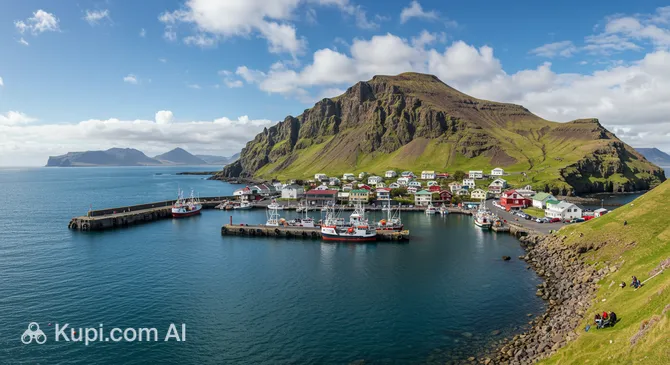
Vestmannaeyjar. Illustration.
Source: Kupi.com AI

The past of these islands is filled with events worthy of an adventure novel. The dramatic history of Westman Islands is inextricably linked to the eruption of the Eldfell volcano in 1973, when residents had to be urgently evacuated as lava threatened to block the harbor entrance. Today, the frozen lava fields and the towering volcanic crater serve as a reminder of the power of the elements and the resilience of the islanders.

Travelers are drawn here by unique natural attractions. One of the hallmarks is "Elephant Rock," a basalt structure that amazingly mimics the silhouette of a giant elephant dipping its trunk into the water. Additionally, Westman Islands is known as the home of the world's largest colony of Atlantic puffins—in summer, millions of these birds nest on the steep cliffs.

A trip to Westman Islands will be a highlight of your Icelandic itinerary. Here you can hike the trails to the top of the volcano, play golf in a crater, or simply enjoy the fresh ocean breeze and breathtaking views.

Weather Overview

The archipelago's climate is determined by the ocean: there are no severe frosts here, but don't expect heat either. The weather is changeable, and winds are frequent visitors to the islands. To plan your travel wardrobe wisely and not depend on the whims of the elements, we recommend studying the detailed weather in Westman Islands in advance.

Summer is the most comfortable time to visit. In July and August, the air warms up on average to 11.0°C — 11.3°C, and maximum values reach 13°C. These are ideal conditions for walking, although even in the "driest" month, August, precipitation falls for about 15 days. Expect a cool summer with occasional rain and mild but wet winters.

The winter months here are surprisingly mild for such latitudes. In January and February, the average temperature stays around 1°C, rarely dropping below -1.2°C. However, the number of days with precipitation is high all year round (up to 20 days per month), so a high-quality waterproof jacket and comfortable shoes will be your best companions in any season.

Average monthly temperature

Average monthly precipitation

Interesting Facts

Beyond its famous natural beauty, Westman Islands hold many fascinating secrets and stories that reveal themselves only to inquisitive travelers. Life on the archipelago has shaped unique traditions and habits among the locals that surprise island guests.
  • Puffin Rescue: At the end of summer, puffin chicks, locally called "pysja," leave their nests but often lose their way due to street lights and land on the asphalt. Local children follow a touching tradition: they collect the lost chicks in cardboard boxes, care for them overnight, and solemnly release them into the ocean in the morning.

  • Energy of the Elements: After the devastating eruption of 1973, residents showed amazing ingenuity. Instead of just clearing the debris, they developed a heating system for homes using the heat from the slowly cooling lava. Thus, the destructive power of the volcano became a source of comfort for the townspeople for many years.

  • Home for a Movie Star: The picturesque Klettsvík Bay is known for being the temporary home of the most famous killer whale in the world—Keiko, the star of the movie "Free Willy." This is where his rehabilitation took place before returning to the wild.

  • The Youngest Land: The archipelago includes Surtsey Island, which literally rose from the sea in 1963 as a result of an underwater eruption. This is one of the youngest territories on the planet, closed to tourists so that scientists can observe how life colonizes new land.

How to Get There

Traveling to the Westman Islands is a true adventure that begins with your arrival in Iceland. Since the archipelago is separated from the mainland by a strait, logistics require a bit of planning. To take all nuances into account and choose the optimal route, we recommend checking out the full information on how to get to Westman Islands, where all available transport options are described.

Most travelers arrive in the country through the main air gateway—Keflavik International Airport (IATA: KEF). It is important to note that there is no large international airport on the Westman Islands itself; you arrive at the airport serving Reykjavik and the surrounding area, which is about 128 km from the islands. The journey from here to the ferry crossing and then to the town center will take about 3.5 hours (by rental car or bus, including the transfer to the ferry).

For domestic flights or flights from Greenland and the Faroe Islands, Reykjavik Airport (IATA: RKV) is often used. It is located much closer to the capital's center but is still a significant distance from Westman Islands—about 112 km. The journey from here will take about 3 hours. Akureyri Airport (IATA: AEY) also operates in the north of the country, but it is more than 270 km away from the islands, and a trip from there will take about 7 hours.

For clarity, here is summary information on the main airports through which you can plan your route:

AirportPassenger trafficDistance
Reykjavik Airport500 000112 km
Keflavik International Airport8.3 mln128 km
Akureyri Airport200 000276 km

There is no rail service in Iceland, so it is impossible to reach Westman Islands by train. The main way to reach the island after arrival is the "Herjólfur" ferry, which runs from Landeyjahöfn port on the south coast. The ferry trip takes about 35–40 minutes and allows you to enjoy magnificent views of the approaching cliffs of the archipelago. In winter or during bad weather, the ferry may depart from Þorlákshöfn port, which increases travel time.

Main Attractions

The Westman Islands offer travelers a unique combination of dramatic geology and rich history. The attractions here are compactly located, but each leaves a strong impression, whether it's a reminder of nature's power or an encounter with local wildlife.

Eldheimar Museum
This is a must-visit place to truly understand the spirit of the town. The museum is often called the "Pompeii of the North," as its central exhibit is a real residential house that was excavated from under a thick layer of volcanic ash 40 years after the 1973 eruption. The interactive exhibition immerses visitors in the chronicle of those days, showing how the disaster changed people's lives and demonstrating the incredible resilience of the islanders.

Eldfell Volcano
A mountain that did not exist before 1973. This volcano grew literally in a few days during the eruption and now dominates the landscape of Heimaey island. The ascent to the summit (about 200 meters) is accessible to most tourists and doesn't take much time. From the top, a breathtaking panorama opens up over the town, the new lava fields that expanded the island, and the endless ocean. At the summit, the ground remains warm to this day, a reminder of the energy slumbering beneath your feet.

Stórhöfði Cape
The southernmost point of the island, known to meteorologists as one of the windiest places in Europe. However, for tourists, this peninsula is primarily interesting as the best place for puffin watching. During the summer season (from May to August), huge colonies of these charming birds nest here. From a specially equipped observation deck, you can safely watch their lives against the backdrop of majestic cliffs and crashing surf.

Skansinn
A historical area at the harbor entrance, where the remains of 15th-century fortress walls built for protection against pirates are preserved. The jewel of this place is a beautiful wooden stave church in the Norwegian style, gifted to Iceland by Norway in 2000. The black wood of the church contrasts effectively with the green meadows and blue sea, creating a peaceful atmosphere for walks.

Local Cuisine

The culinary scene of Westman Islands is inextricably linked to the ocean. Since this town is one of the key fishing centers in Iceland, the basis of the local menu is fish and seafood of exceptional freshness. Restaurants here often work on the "sea-to-plate" principle, offering a catch delivered to the port just a few hours ago, making the flavor of the dishes incredibly rich.

The main delicacy that tourists seek to try is langoustines (small lobsters). Here they are prepared masterfully: be sure to order the thick, creamy lobster soup (humarsúpa) or langoustine tails sautéed with garlic butter. Another iconic, though specific, dish is smoked puffin. This is traditional island food with roots in the past; usually, the meat is served thinly sliced as a cold appetizer with a berry sauce.

For those who prefer more classic home cooking, plokkfiskur is an excellent choice. This is a hearty stew made of boiled fish (usually cod or haddock), potatoes, and onions, baked under a béchamel sauce. It is traditionally eaten with dark rye bread (rúgbrauð), which has a sweetish taste and dense texture. For dessert, it's worth having traditional Icelandic skyr with fresh berries or cream.

In terms of drinks, Westman Islands can surprise even seasoned travelers. The town is famous for its local brewery, which creates unique craft beers inspired by local legends and nature. Among non-alcoholic drinks, Appelsín is universally popular—an Icelandic orange soda that locals often mix with a malt drink called Malt, creating a peculiar cocktail especially loved during holidays.

The food culture on the islands is characterized by a cozy, almost family-like atmosphere. There is no need for a strict dress code even in the best establishments. Locals and tourists often dine in restaurants located in the harbor area, enjoying the view of the ships. The gastronomic range is wide: from fine-dining establishments where chefs experiment with seaweed and wild herbs to simple cafes with excellent fish sandwiches.

Travel Tips

Preparing for a trip to Westman Islands requires special attention to detail, as it is an island archipelago with its own unique microclimate and rhythm of life. We have collected the most important practical tips for you to help avoid surprises and make your stay in this amazing corner comfortable and safe.

  1. Clothing and Gear. The weather on the islands changes with incredible speed, and the wind is a constant companion here. The main principle is layering. Even in summer, you will need a windproof and waterproof jacket (windbreaker or membrane) and a warm fleece sweater. Be sure to take comfortable trekking shoes with a stiff sole for walking on frozen lava and craters. A hat and gloves will come in handy even in August, especially during boat trips.
  2. Transport on the Island. Heimaey island is quite compact, and the town center can be easily explored on foot. Public transport is not developed here as it is on the mainland. If you arrived without a car, you can rent a bicycle or take a taxi for trips to remote attractions (for example, to Stórhöfði Cape). Organized guided bus tours that cover the main points in a couple of hours are also popular.
  3. Finances and Payment. The official currency is the Icelandic króna (ISK), but you will likely not need cash. In Iceland, bank cards (Visa, Mastercard) are universally accepted, even in small kiosks or for parking payments. There are ATMs in the town center, but it's not worth changing a lot of money. Tips are usually already included in the bill, however, rounding up the amount is always accepted with gratitude.
  4. Health and Safety. The crime rate here is close to zero, so you can walk safely at any time of day. The main threat is nature: be extremely careful at the edges of cliffs, as there are not fences everywhere and the ground can crumble. The pharmacy (Apótek) is located in the town center but follows a standard schedule; there are no 24-hour points. The emergency services number is 112.
  5. Communication and Internet. There will be no communication problems: practically all locals speak English fluently. Wi-Fi is available for free in most cafes, hotels, and on the ferry. Mobile connection and 4G/5G coverage are excellent even on top of volcanoes. If you need a local SIM card, it's better to purchase it in advance at Keflavik Airport, as the choice on the island may be limited.
  6. Local Etiquette. Icelanders value politeness and personal space. Always take off your shoes when entering a private home. An important rule concerns visiting the town swimming pool: before entering the water, you must take a shower without a swimsuit using soap. This is a strict hygiene requirement that is monitored, and violating it is considered rude.
  7. What to Avoid. It is categorically forbidden to walk on moss outside designated trails—it is a fragile ecosystem that takes decades to recover. Also, do not try to feed or touch puffins and other birds; this causes them stress. And, of course, do not complain to the locals about the weather—for them, storms and rain are a normal part of life.
  8. Planning the Crossing. The "Herjólfur" ferry is your main link to the outside world. We strongly recommend booking tickets in advance, especially if you are traveling with a car in summer. In winter or during heavy swells, the ferry may change its port of arrival on the mainland (going to Þorlákshöfn instead of Landeyjahöfn), which increases travel time by 3 hours. Always check the current schedule on the morning of departure.

Westman Islands is a rugged but incredibly hospitable place for those who respect its rules and nature. By following these simple recommendations, you can avoid being distracted by domestic trifles and fully immerse yourself in the atmosphere of fire and ice that this unique archipelago is famous for.

Entertainment & Nightlife

The nightlife in Westman Islands is a pleasant surprise for many tourists. Despite the town's modest size, there is a surprisingly lively and warm atmosphere, especially on weekends. Evening entertainment here is devoid of the pretentiousness of capital clubs; instead, you will find cozy pubs where local fishermen sit side-by-side with travelers, live music, and genuine fun. Most activity is centered in the town center, within walking distance of the harbor, making night walks convenient and effortless.

The main artery of evening life is the streets in the center of Heimaey, especially the area around Bárustígur and Strandvegur. There is no strict dress code here: in most establishments, you will be welcomed as warmly in evening attire as in hiking gear after climbing the volcano. The crowd is very diverse and friendly, and the style of communication is relaxed and open. Places usually fill up after 10:00 PM, and the fun can continue until late at night, especially on Friday and Saturday.

Among the specific places that shape the local bar culture, several iconic spots are worth mentioning. The Brothers Brewery is not just a bar, but the pride of the islands. This local brewery, founded by local enthusiasts, offers an excellent selection of craft beer, the names of which are often associated with local legends and landmarks. The atmosphere here is always lively, music often plays, and it is the best place to make acquaintances with the locals.

Another popular spot for evening leisure is Gott. Although this establishment is primarily known for its healthy and delicious cuisine, in the evening it is very pleasant to have a glass of wine or a cocktail in a cozy setting. Also worth noting is the restaurant and bar at the Einsi Kaldi hotel, where you can enjoy a more refined atmosphere and a wide selection of drinks, often accompanied by live performances by local musicians.

Here are some practical tips for a perfect evening:

  • Safety: Westman Islands is one of the safest places in the world. You can safely walk the streets at any time of night. The crime rate here is practically zero.
  • Transport: Since all major establishments are in the center, you likely won't need a taxi—most hotels and guesthouses can be reached on foot in 10–15 minutes. If you need to get to remote areas, a taxi can be called by phone, but it's better to check the number at your hotel in advance.
  • Prices: Be prepared for Icelandic prices. A glass of beer in a bar will cost about 1,200–1,600 ISK. Many places have "Happy Hours" in the early evening, which allows you to save a little.

While the nightlife here is vibrant, daytime entertainment in Westman Islands is no less exciting and diverse. After a busy evening, you can restore your strength in the town swimming pool, which is considered one of the best in the country thanks to its slides and hot tubs with mineral water. Outdoor enthusiasts will appreciate a trip on high-speed Rib Safari boats around the islands or a visit to the unique Beluga Whale Sanctuary located right by the ferry terminal.

Parks & Museums

The cultural landscape and green spaces of Westman Islands are as unique as its geology. You won't find classic European parks with manicured lawns and fountains here; instead, the town's "green lungs" are natural amphitheaters, volcanic valleys, and coastlines where history intertwines with the rugged beauty of northern nature. The archipelago's museums, in turn, offer a deep dive into the dramatic past of the islanders, from the struggle against the elements to legends of pirates.

Herjólfsdalur Valley
This is perhaps the most famous natural recreation area on Heimaey island. Imagine a huge natural crater, one part of which collapsed into the ocean, forming a wind-protected valley with stunning acoustics. This place is the heart of the islands' cultural life: the famous national festival Þjóðhátíð is held here every August. On ordinary days, it is an ideal spot for picnics, camping, and walking among the majestic green slopes, where you can feel complete unity with nature.

Westman Islands Golf Course
Even if you've never held a club, this place is worth visiting for the walk. The course is considered one of the most picturesque in the world, as it is located right in the crater of an ancient volcano on the ocean shore. The green fairways contrast with black rocks and blue waves, and during a game or walk, you are often accompanied by curious puffins. This is a unique example of how a sports facility can harmoniously fit into a wild landscape.

Sagnheimar Folk Museum
While the Eldheimar museum tells of volcanoes, Sagnheimar is dedicated to people. The exhibition tellingly narrates the archipelago's centuries-old history: from the tragic attack by Algerian pirates in 1627 to the heroic everyday life of local fishermen. Special attention is paid to the role of women in the islands' history and the unique connection of Westman Islands with Mormons (it was from here that the first Icelandic Mormons emigrated to Utah). The museum is very interactive and great for children, offering the chance to try on pirate costumes or play in a "fishing hut."

Beluga Whale Sanctuary and Sea Life Trust
This is a relatively new but already iconic attraction. Located in the harbor, the center is home to two famous beluga whales—Little White and Little Grey—rescued from a Shanghai aquarium. The puffin rescue center is also located here, where visitors can see how volunteers nurse birds before returning them to the wild. This is not just an aquarium, but an important conservation project that allows you to see marine life as closely as possible.

Among the historical buildings, Landlyst deserves special attention. This is one of the oldest buildings on the islands, built in 1848. Initially, it housed the first maternity hospital in Iceland, which is noteworthy for such a remote region. Today, the restored house contains a small medical museum and an exhibition space surrounded by a cozy garden where medicinal herbs are grown—a rare oasis of peace and greenery in the town center.

For those looking for a truly authentic experience, we recommend visiting a spot called Sprangan. This is a rocky cliff near the harbor where locals practice a unique sport—swinging on ropes along the cliffs. This tradition originated as a way to collect bird eggs from steep cliffs and has now become a local art form. You can watch the dexterity of the islanders, and the bravest (and physically prepared) can try their hand under the supervision of instructors.
Getting Around

The public transport system in the sense familiar to city dwellers is absent here. Westman Islands is a very compact town located on the small island of Heimaey, so there is no metro, trams, or an extensive network of scheduled buses. The main way of moving around for tourists remains walking: from the ferry terminal to the main street, most hotels, and museums, you can walk at a leisurely pace in 10–15 minutes.

In the summer tourist season, excursion buses run around the island, serving as public transport for travelers. They connect the town center with remote attractions such as Stórhöfði Cape (where puffins live) or the Herjólfsdalur valley. These are not classic minibuses, but rather organized "hop-on hop-off" type tours or one-time transfers. It's best to check schedules and routes at the information center near the harbor immediately upon arrival.

A popular alternative is a taxi. The cars here are comfortable, but their number is limited, so catching a car "by hand" on the street is unlikely to work. It is recommended to call a taxi by phone or ask your hotel receptionist to make a reservation in advance. This is especially relevant if you need to get to the airport or an early ferry with heavy luggage.

For those who value freedom of movement, renting a vehicle is a great option. You can rent a car directly on the island (though the fleet is small and you should book long before your trip) or bring a rental car with you on the ferry from Iceland. Also, bicycle rentals are common in the town, and electric scooters are gaining popularity, perfect for exploring the island's paved paths in good weather.

The payment system is as simple as possible and oriented towards non-cash settlements. You won't need special transport cards, passes, or tokens. Bank cards and contactless payments via smartphones are universally accepted in taxis, rental points, and excursion buses. Cash is practically not required for moving around the town, eliminating the need to search for ATMs.

Accommodation

The choice of accommodation on the Westman Islands, despite its compact size, is quite diverse and able to satisfy the requests of different categories of travelers. Here you can find both classic hotels with all amenities and cozy family guesthouses, which are particularly popular in Iceland. For those who want to get as close to nature as possible, there are well-equipped campsites and increasingly popular glamping options.

Areas to Stay
Since Heimaey is the only inhabited island and the town itself is very compact, the concept of a "best area" is quite relative. Most tourists prefer to stay in the town center, in close proximity to the harbor. This is a strategically convenient location: the ferry terminal, the best restaurants, museums, and shops are nearby. Life is bustling here, and any point can be reached on foot. Another popular location is the Herjólfsdalur valley—a green oasis in a volcanic crater where campsites and holiday cottages are concentrated, ideal for those seeking peace and picturesque views.

Types of Accommodation
The town's hotel stock is represented by several medium and high-level (by local standards) hotels. They offer comfortable rooms, breakfast, and often have their own restaurants. However, the true heart of local hospitality is guesthouses and apartments. Many locals have converted parts of their homes to receive guests, allowing tourists to immerse themselves in the authentic atmosphere of island life. For budget travelers, hostels with shared rooms and kitchens are available.

The camping options deserve special mention. The site in Herjólfsdalur is considered one of the most beautiful in the country. Here you can set up your own tent or rent a small wooden hut (sleeping bag accommodation). Amenities include showers, kitchens, and BBQ areas, making the stay comfortable even in outdoor conditions.

Price Range and Booking
The cost of accommodation varies from medium to high, which is typical for the whole country. Budget accommodation at a campsite will be relatively inexpensive, while a night in a hotel during the high season will cost significantly more. Bookings can be made through popular international online platforms or directly on hotel websites.

Important Tip: Accommodation in Westman Islands should be booked as far in advance as possible. In the summer months (especially July and August), demand significantly exceeds supply, and finding a free room a week before the trip is almost impossible. Pay special attention to the dates of the Þjóðhátíð festival (usually early August)—during these days, the island's population increases several-fold, and spots in hotels and campsites are sold out six months or even a year in advance.

Nearby Cities

For those who want to explore the surrounding area, Westman Islands serves as an excellent starting point for day trips to several interesting nearby locations. Since the archipelago is connected to the mainland by a regular ferry service, travelers can easily reach the Landeyjahöfn port and embark on an exciting journey along the south coast or towards the capital region.

Reykjavik
The world's northernmost capital is within reach for a day visit. It is a dynamic city where modern architecture, such as the Harpa Concert Hall, sits alongside old wooden houses. Here you can visit the National Gallery, climb the tower of Hallgrímskirkja church for a panoramic view, or simply enjoy the urban bustle that is so different from the secluded islands.

Hafnarfjörður
This port town, located in a lava field, is often called the "town of Vikings" and the "capital of elves." It is famous for its Viking festivals and mystical legends about the hidden people allegedly living in the local rocks. It's a great place for those who want to dive into folklore and history while walking along the cozy waterfront and visiting local museums.

Kópavogur
The country's second-largest city offers a calmer atmosphere compared to the capital. It is known for its magnificent thermal pools, considered some of the best in Iceland, as well as the Gerðarsafn Art Museum. This is a wonderful stop for a relaxing break and getting to know contemporary Icelandic art.

CityPopulationDistance
Selfoss6 87867 km
Hafnarfjordur29 974108 km
Gardabaer16 299109 km
Kópavogur34 140110 km
Reykjavik135 688114 km

These nearby destinations provide insight into the diverse culture and landscapes of the region.

Shopping & Souvenirs

Shopping in Westman Islands is not a hunt for brands in huge malls, but rather a cozy and leisurely acquaintance with local culture through crafts and souvenirs. Since the town is small, the shopping scene here is compact and authentic. Travelers come here not for high fashion, but for unique items that hold the warmth of local craftsmen's hands and remind them of the archipelago's rugged nature.

The main shopping streets are concentrated in the town center, in the immediate vicinity of the harbor. The main artery for shopping walks is Strandvegur street and the adjacent Bárustígur. Here, among the colorful houses, small boutiques, souvenir shops, and art galleries are located. A walk through this area won't take much time but will allow you to find everything you need—from warm clothes to memorable gifts.

There are no large shopping centers in the conventional sense in Westman Islands. All trade is conducted in standalone stores. However, it's worth noting the "Vöruval" store or local supermarkets (such as Bónus or Krónan), where you can buy groceries and basic goods. For tourists, the museum shops are of particular interest, especially in the Eldheimar museum, which has an excellent souvenir boutique with books about volcanoes, lava jewelry, and themed decor.

Classic open-air markets are a rare phenomenon here, depending on the weather and season. Sometimes small weekend fairs are held in summer where locals sell knitted items or homemade pastries. However, the fish shops in the port (fiskbúð) can be considered a real "gastronomic market," where the freshest catch and the famous dried fish—harðfiskur, which Icelanders eat as a snack with butter—are sold.

Souvenirs from Westman Islands have a special flavor. Here is what's worth bringing back:

  • Icelandic Wool: "Lopapeysa" sweaters, hats, and mittens made from local wool are the number one purchase. They are incredibly warm and water-repellent.
  • Puffin Symbolism: Since the islands are home to millions of puffins, images of these birds decorate everything from mugs and T-shirts to soft toys and paintings by local artists.
  • Lava Products: Jewelry (earrings, pendants) made from black volcanic lava, often combined with silver, looks stylish and serves as a reminder of the island's volcanic origin.
  • Local Art: In the galleries, you can find ceramics and paintings inspired by the archipelago's landscapes.

Shops usually operate from 10:00 or 11:00 AM to 6:00 PM on weekdays. On Saturdays, the working day is often shortened to 2:00 or 4:00 PM, and on Sundays, many shops, except for grocery and souvenir stores at attractions, may be closed. Payment is made by bank cards (Visa, Mastercard) practically everywhere; cash krona is rarely needed. Contactless payment is available even for small souvenirs.

Tax Free: Iceland offers tourists the opportunity to get a VAT refund (usually about 14%) on purchases. If you purchase goods in one store for an amount over 6,000 ISK, be sure to ask for a "Tax Free" receipt. Most souvenir shops and clothing boutiques in Westman Islands participate in this program. You can process the refund at Keflavik Airport before departure.

Reached the end of the page?

That means the route is fully explored