Support

Deekshabhoomi

About

Deekshabhoomi is a majestic Buddhist stupa and one of the most significant spiritual sites in the city of Nagpur. Located in the heart of India, it is not just an architectural monument but a powerful symbol of social and spiritual rebirth. This site attracts pilgrims and tourists from all over the world who wish to touch an important page of modern Indian history.
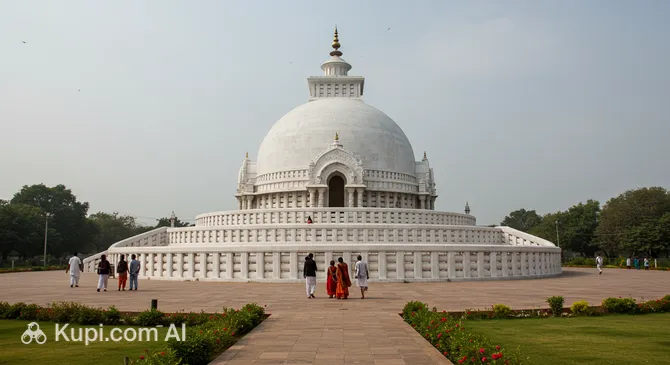
Deekshabhoomi. Illustration.
Source: Kupi.com AI

Traveler photos:

The historical value of Deekshabhoomi is inextricably linked to the name of Dr. Bhimrao Ramji Ambedkar, the prominent reformer and "father" of the Indian Constitution. It was here, on October 14, 1956, that he and hundreds of thousands of his followers converted to Buddhism. This event was a turning point, marking a mass conversion to Buddhism and a rejection of caste prejudice, making this site sacred to millions of people.

Today, Deekshabhoomi is a grand structure with a massive dome, considered one of the largest among Buddhist stupas in the world. Inside, there is a Buddha statue and relics. For visitors, it is not only an opportunity to see impressive architecture but also to experience an atmosphere of tranquility and deep respect. The complex is an important center for Buddhist pilgrimage and education, playing a key role in the cultural life of the region.

Contacts

Deekshabhoomi is an iconic monument and an important pilgrimage site in Nagpur, open to the public. Since this historical complex does not have a single contact service for tourists, the easiest way to get up-to-date information on opening hours is to contact local tourist centers or guides upon arrival in the city. Reaching the stupa is easy by taxi or auto-rickshaw from any part of Nagpur, as it is one of the most famous sites in the region.

How to contactContact
AddressS Ambazari Rd, Abhyankar Nagar, Nagpur, Maharashtra 440020, India
Phone number+91 80554 46083
Websitewww.deekshabhoomi.org

What to Do

Visiting Deekshabhoomi is an opportunity to touch upon one of the key moments in India's modern history. The main object of interest is the majestic stupa with its unique architecture, symbolizing Buddhist teachings. Visitors can take a leisurely walk through the spacious and well-kept grounds of the complex, feeling its calm and spiritual atmosphere. This place is ideal for those interested in history, architecture, and spiritual practices.

The main activity here is learning about the legacy of Dr. B. R. Ambedkar and the history of the mass conversion to Buddhism. Tours are often available for visitors, where guides provide detailed information about the life of this outstanding public figure and the significance of the events that took place here in 1956. This allows for a deeper understanding of the social and cultural transformations in modern India.

To get the most vivid impressions, it's worth planning a visit to Deekshabhoomi during major Buddhist festivals. It is especially crowded and festive during the days of Vijayadashami and October 14 — the anniversary of the historic event. During this time, thousands of pilgrims flock here, and large-scale ceremonies and cultural events take place, creating an unforgettable atmosphere of unity and spiritual elevation.

Getting There

Getting to Deekshabhoomi is quite simple, as the complex is located in Nagpur — a major city and an important transport hub in central India. The city is served by the Dr. Babasaheb Ambedkar International Airport, which receives flights from many major cities across the country. Additionally, Nagpur is a key railway station, making it easy to arrive by train from almost anywhere in India. Bus services to neighboring cities and states are also well-developed.

The stupa itself is located in an easily accessible area of the city. From the center of Nagpur, Deekshabhoomi can be reached quickly by taxi or by using auto-rickshaws — a popular and inexpensive way to get around. For a more budget-friendly trip, city buses are suitable, many of which stop within walking distance of the complex. Thanks to its convenient location, finding this iconic landmark is easy, and the journey from most parts of the city will take very little time.

Nearest city: Nagpur

History & Facts

Deekshabhoomi in the city of Nagpur is not just an architectural monument, but a place of deep historical and spiritual significance. Its history is inextricably linked to one of the key events in the modern history of India, which marked the beginning of a new era for millions of people. This site became a symbol of social liberation, dignity, and hope.

The central event that defined the significance of this place was the mass conversion to Buddhism held on October 14, 1956. On this day, Dr. B. R. Ambedkar, an eminent jurist, reformer, and the chief architect of the Indian Constitution, along with approximately 600,000 of his followers — formerly belonging to the "untouchable" caste — converted to Buddhism. This act was a powerful statement against caste discrimination and a turning point in the struggle for social equality in the country.

The name "Deekshabhoomi" itself is very symbolic. It comes from the fusion of two Sanskrit words: "deeksha", meaning "initiation" or "ordination," and "bhoomi" — "land." Thus, the name can be translated as "Land of Initiation." The majestic stupa built here embodies not only Buddhist principles but also the ideals of freedom and justice for which Dr. Ambedkar fought.

The memorial complex project was designed by the renowned architect Sheo Dan Mal. The construction of this impressive stupa, which became the largest in Asia, spanned over two decades, from 1978 to 2001. Today, Deekshabhoomi is a vital pilgrimage center for Buddhists and all those who honor Dr. Ambedkar's legacy, attracting visitors from all over the world with its unique history and monumental architecture.

Time Needed

To get acquainted with Deekshabhoomi, one of the most important spiritual centers of Nagpur, it is recommended to set aside 1.5 to 3 hours. This time is usually sufficient to leisurely explore the majestic stupa, walk through the well-maintained grounds of the complex, and soak in its peaceful and solemn atmosphere.

If you are short on time, an hour and a half is enough for a general tour and photos. However, to gain a deeper understanding of the significance of this place, it's worth planning a longer visit. In 2-3 hours, you can not only study the architecture but also explore the exhibition dedicated to the life of Dr. Ambedkar and the history of Buddhism in India. If your visit coincides with a ceremony or if you wish to join a meditation session, the visit may take longer.

Working Hours

The exact opening hours of Deekshabhoomi may vary, so it is recommended to check for current information before your visit. Since the official schedule is not always published in open sources, the best way to find out visiting times is to check the official website of the attraction, if available, or contact tourist information centers in Nagpur.

This major memorial complex is typically open to visitors year-round. However, please note that during major religious holidays or special events, opening hours may change and access might be restricted. Advance ticket booking is generally not required, but confirming this detail in advance will help make your visit more comfortable.

7:00 – 20:00

Nearby

Visiting such an iconic site as Deekshabhoomi is undoubtedly a memorable experience. However, to truly feel the atmosphere of Nagpur, it is worth going beyond a single attraction and exploring its surroundings. Often, it is during short walks through neighboring streets, parks, and establishments that you can find something unexpected and interesting that will complement the overall picture of your trip.

The city offers many other places, from cultural centers to cozy restaurants, located in close proximity. This is a wonderful opportunity to combine a spiritual pilgrimage with exploring the modern life of Nagpur, its culture, and entertainment. Below is a list of interesting places located nearby.

NameDistance
Turkish House0.5 km
High Steaks1.2 km
The Spirited Spot1.4 km
Krazy Castle Aqua Park2.1 km
Ambazari Garden (Adya Krantiguru Lahuji Salve Garden)2.4 km
South Central Zone Cultural Centre2.5 km
Central Museum Nagpur2.8 km

Have you reached the end of the page?

So the route has been studied inside and out