Support

Japanese Garden

About

The Japanese Garden in Nagpur is a corner of tranquility and harmony where you can escape the city's hustle and bustle and immerse yourself in the atmosphere of traditional Japanese culture. Located in the heart of India, this garden is a meticulously designed space secluded from the outside world, allowing visitors to enjoy peace and quiet.
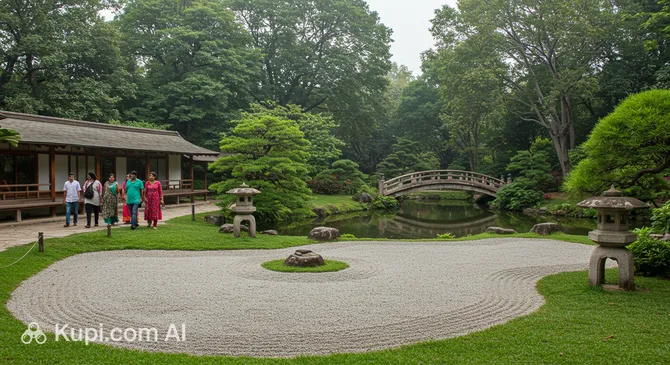
Japanese Garden. Illustration.
Source: Kupi.com AI

Traveler photos:

The garden's landscape is designed in strict accordance with the canons of Japanese garden art. Here you will find picturesque ponds with small islands, cascades of miniature waterfalls, and graceful pavilions in a traditional architectural style. Of particular note are the thirteen-tier pagoda and stone lanterns, which give the place an authentic look. Walking routes run along gravel paths through evergreen trees and neatly trimmed shrubs.

Every element of the garden—from the specially selected stones to the shape of the trees—is part of a single composition that creates a sense of harmony with nature. A visit to the Japanese Garden is a wonderful opportunity to temporarily transport yourself to another country and culture without leaving Nagpur, and to appreciate the skill of the landscape designers who created this Asian oasis.

Contacts

Finding direct contact information for the Japanese Garden can be difficult, as it is primarily a public recreational space. For the most up-to-date information on opening hours and visiting rules, it's best to check the official tourism websites of Nagpur or local information centers upon arrival. The garden is a well-known attraction and is easily accessible by public transport or taxi.

How to contactContact
Address5368+V75, Seminary Hills, Nagpur, Maharashtra 440001, India

What to Do

The Japanese Garden in Nagpur is primarily a place for quiet contemplation and peace. Visitors can enjoy leisurely strolls along gravel paths that lead past small cascading waterfalls and picturesque ponds with islets. The main activity here is observing nature and the harmony of the landscape, which fully aligns with the philosophy of Japanese garden art. You can admire plants, many of which are characteristic of the flora of Japan.

The garden offers unique experiences at different times of the year. In spring, it comes alive with cherry blossoms, bright yellow forsythia, rhododendrons, and tree peonies. In winter, the landscape takes on a stark and minimalist beauty, especially when snow caps the roofs of the pavilions and pagodas. This seasonal change makes every visit unique.

In addition to nature, you can explore elements of traditional Japanese architecture in the garden. Look out for the graceful pavilions and stone lanterns, such as the Yukimi-toro, which is specifically designed for viewing snow. This place is ideal for meditation, photography, or simply for a quiet break away from the noise and bustle of the big city.

Getting There

The Japanese Garden is located within the city limits of Nagpur, making it easily accessible for tourists. Since specific public transport route information may not be readily available, the most convenient ways to reach it are by taxi or auto-rickshaw. These modes of transport are widespread in India and allow you to reach your destination in comfort, especially if you are traveling with family or are new to the city.

A taxi ride from the city center is likely to be quick and inexpensive. You can use local taxi companies or popular ride-hailing apps available in India. Another authentic option is to hire an auto-rickshaw. This is not just a means of transport but also a part of the local charm. It is recommended to agree on the fare with the driver in advance to avoid any misunderstandings.

For the most accurate directions, it is best to use online maps or navigation apps on your smartphone. You can also always ask your hotel staff for assistance—they can suggest the best way to get to the Japanese Garden and may help with calling a vehicle.

Nearest city: Nagpur

History & Facts

Although the exact founding date and the names of the creators of the Japanese Garden in Nagpur are not documented, its value lies in its adherence to the great tradition of Japanese garden art. This garden is not just a beautiful green area but a space created in accordance with a deep philosophy, where every element is carefully thought out to achieve harmony and tranquility.

At the core of any Japanese garden concept is the desire to reflect the harmony between nature and man. Such places were traditionally created for meditation, contemplation, and relaxation of the soul. Stones can symbolize mountains, gravel represents the surface of water, and carefully selected plants reflect the changing seasons and the flow of life. A walk through the garden becomes a journey into a world of silence and beauty, allowing you to escape the everyday hustle and bustle.

The Japanese Garden in Nagpur follows these principles, offering visitors classic design elements: graceful bridges, stone lanterns, and serene ponds. This place has become a favorite spot for relaxation for both tourists and city residents. The garden is an excellent example of how the cultural traditions of different countries can blend harmoniously, creating a unique space for relaxation in the heart of India.

Time Needed

To fully enjoy the beauty and tranquility of the Japanese Garden in Nagpur, it is recommended to set aside approximately 1–2 hours. This amount of time is generally enough for a leisurely stroll along the scenic paths and to admire the traditional elements of Japanese landscape design—graceful bridges, stone lanterns, and harmonious water compositions.

Your visit could be shorter if you only plan a quick look, but to truly feel the atmosphere of this place, it is worth staying a bit longer. You can find a secluded bench to rest, meditate under the shade of trees, or take beautiful photos. This is why one or two hours is the optimal time for a visit to leave you with the most pleasant and relaxing impressions.

Working Hours

The Japanese Garden in Nagpur is a popular spot for peaceful walks and nature appreciation. Unfortunately, the exact opening hours of this attraction are not always available from open sources and may change. To ensure your visit goes smoothly, it is highly recommended to check current information before your visit. The best way to do this is on the garden's official website, if one exists, or on local tourism portals.

It is also helpful to clarify if advance ticket booking is required, especially on weekends or holidays. Generally, such parks are open to visitors year-round, but the schedule may vary depending on the season or weather conditions. Checking information in advance will help you plan the perfect visit to this picturesque corner of India.

8:30 – 18:30

Nearby

Visiting such an iconic place as the Japanese Garden is just the beginning of your introduction to multifaceted Nagpur. To truly feel the city's atmosphere, it is worth taking the time to explore its surroundings. Often, the most vivid impressions and unexpected discoveries await travelers just around the corner—whether it's an ancient temple, a lively cultural center, or a picturesque park.

Strolling through nearby sites will not only enrich your cultural itinerary but also allow you to dive deeper into the daily life of this corner of India. Below you will find a list of interesting places located near the Japanese Garden that will help make your trip even more fulfilling.

NameDistance
Sri Balaji and Sri Karthikeya Temple1.2 km
South Central Zone Cultural Centre1.3 km
CO.SO1.7 km
Central Museum Nagpur1.8 km
Telankhedi Hanuman Temple1.8 km
Kasturchand Park2 km
Indoor Stadium Mankapur2.4 km

Have you reached the end of the page?

So the route has been studied inside and out