Support

Khusro Bagh

About

Khusro Bagh is an impressive historical garden complex located in the city of Prayagraj, in the heart of India. This high-walled oasis is an important monument of Mughal architecture and serves as a resting place for members of the imperial family, making it a landmark site for anyone interested in history.

There are three majestic mausoleums within the complex. They are dedicated to Khusro Mirza, the eldest son of Emperor Jahangir, his mother Shah Begum, and his sister Sultan Nithar Begum. Each of these structures is an outstanding example of Mughal architecture, reflecting the tragic and intriguing pages of the ruling dynasty's history.
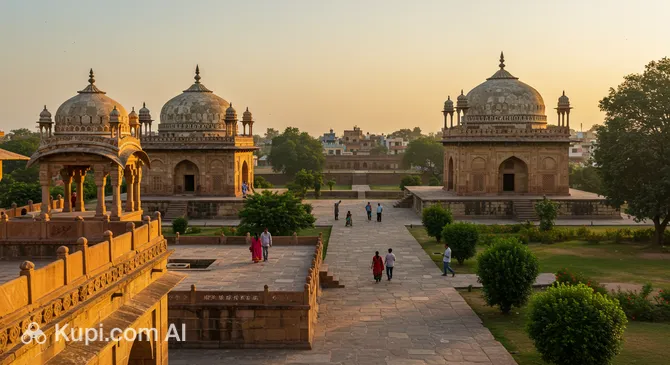
Khusro Bagh. Illustration.
Source: Kupi.com AI

Traveler photos:

Visitors are captivated by the exquisite stone carvings and beautiful calligraphic inscriptions adorning the facades of the mausoleums. Well-kept gardens with fragrant roses and shady guava trees create an atmosphere of peace and tranquility, inviting leisurely walks and contemplation of beauty created centuries ago.

Today, Khusro Bagh is one of the most famous and visited attractions in Prayagraj. This place is a must-visit for anyone who wants to experience the rich cultural and architectural heritage of the Mughal era and feel the spirit of old India.

Contacts

Since Khusro Bagh is primarily a historical garden and park complex, it does not have a centralized contact center or an official website for visitors. The most important information for tourists is its location. The complex is situated in the city of Prayagraj, in close proximity to the Prayagraj Junction railway station, making it easily accessible. You can reach it via local transport, such as an auto-rickshaw, or even on foot from the station.

How to contactContact
AddressCRRC+WC3, Lukarganj, Prayagraj, Uttar Pradesh 211016, India

What to Do

A visit to Khusro Bagh is an immersion into the history and art of the Mughal era. Guests can take a leisurely stroll along the spacious garden paths, enjoying its peaceful atmosphere. The main highlights, of course, are the three majestic mausoleums. You will have the opportunity to examine their unique architecture in detail, executed in the characteristic Mughal style using red sandstone, and appreciate the craftsmanship of the ancient builders.

Each mausoleum is not just a building, but an entire story captured in stone. Visitors can spend time studying the fine carvings and calligraphic inscriptions that decorate the tombs. This is a wonderful opportunity to learn more about the tragic fate of Emperor Jahangir's family, specifically the life of his son Khusro Mirza and other members of the dynasty. While exploring the complex, you can also appreciate the artistic vision of the architect Aqa Reza, who is believed to have designed this outstanding monument.

Beyond its historical and architectural value, Khusro Bagh is an ideal place to escape the city's hustle and bustle. In the shade of the trees and among blooming roses, you can relax while enjoying the peace and quiet. The picturesque garden landscapes and majestic buildings serve as a beautiful backdrop for memorable photo sessions, allowing you to capture the beauty of this unique corner of India.

Getting There

The Khusro Bagh complex is conveniently located in the Lukarganj area of Prayagraj, just 2–3 kilometers from the main railway station and other key transport hubs. Thanks to this, getting there is quite easy. A taxi or auto-rickshaw ride from the city center will take approximately 10–15 minutes. You can also use local public transport by following the signs to this famous landmark.

For travelers arriving from other regions of India, such as Varanasi, Prayagraj is easily accessible by both rail and road. After arriving in the city, you can quickly reach Khusro Bagh by taxi or rickshaw. To delve deeper into the rich history of this site, foreign tourists are often recommended to hire a local guide who can share many interesting details about the complex and its famous inhabitants.

Nearest city: Prayagraj

History & Facts

The history of Khusro Bagh is inextricably linked to the dramatic events of the Mughal court in the early 17th century. The complex was established by order of Emperor Jahangir as a burial place for members of his family. The central figure for whom the garden is named was his eldest son, Prince Khusro Mirza. Due to his ambitions for the throne, Khusro led a rebellion against his father in 1606, which led to his defeat and imprisonment. This garden became a silent witness to the family conflicts and political intrigues that shaped the destiny of the dynasty.

In addition to the tomb of Khusro himself, there are two other significant mausoleums in the garden. The first belongs to his mother, Shah Begum, a Rajput princess and the first wife of Jahangir. Unable to bear the enmity between her husband and son, she took her own life in 1604, even before the construction of the main complex began. The third mausoleum was built for Khusro's sister, Sultan Nithar Begum. Although she herself is buried elsewhere, her tomb is considered the most exquisite in the garden, showcasing the refinement of Mughal architecture.

The architectural appearance of Khusro Bagh is the work of court artist Aqa Reza, who designed the complex. His work harmoniously combines elements of Persian and Indian architectural traditions. The use of red sandstone, exquisite stone carvings, and calligraphic inscriptions executed by master Mir Abdullah Mushkin Qalam give the mausoleums a majestic yet refined look. The garden itself is designed in the "Charbagh" style—a traditional Persian layout symbolizing paradise on earth, making it not just a memorial but an outstanding example of the landscape art of its era.

Time Needed

To get to know the Khusro Bagh historical complex, most visitors will need 1 to 2 hours. This time is quite sufficient to walk around the entire territory without rushing, carefully inspect the three main mausoleums, and enjoy the peaceful atmosphere of the well-maintained garden. Such a timeframe will allow you to fully appreciate the architectural details and historical significance of this place.

If you are planning more than just a quick look and want to dive deeper into history and take beautiful photographs, it is worth setting aside about two hours. During this time, you can not only study the exquisite stone carvings on the tombs but also find secluded corners in the garden for relaxation and contemplation. Visiting Khusro Bagh is an opportunity to take a break from the hustle and bustle of the city, so there is no need to rush to fully experience the spirit of this historical oasis in Prayagraj.

Working Hours

The Khusro Bagh historical complex is open to visitors year-round and generally operates daily. Typically, the garden gates open for everyone from early morning until late evening, approximately from 6:00 AM to 7:00 PM. Entry to the grounds is usually free, so no advance booking or registration is required.

Despite the established schedule, opening hours may change during national holidays or special events. Therefore, it is recommended to check for current information at local tourist offices or simply consult with your hotel in Prayagraj before visiting. This will help you avoid surprises and plan your visit in the best possible way.

Nearby

A visit to Khusro Bagh is an unforgettable experience in itself, but exploring its surroundings can make your journey even more enriching. The area around this historical complex offers many interesting places, from shopping centers and restaurants to other cultural sites that will allow you to get to know the modern life of Prayagraj better.

Exploring nearby attractions is a great way to complement the impressions of the grandeur of Mughal architecture and see the city from different perspectives. A stroll through the neighborhood will help you plan your day so that it is as interesting and varied as possible.

NameDistance
Sankalp1.7 km
Trends1.7 km
Hira Inn1.9 km
Vinayak City Centre1.9 km
Bar Council of Uttar Pradesh2.2 km
Forest Restro and Bar2.4 km
Radha Venimadhava Temple2.6 km

Have you reached the end of the page?

So the route has been studied inside and out