Support

Sawahlunto

About

Sawahlunto is an amazing city on the island of Sumatra, nestled among the picturesque hills of West Sumatra, about 90 kilometers northeast of Padang. Lost in a valley and surrounded by green mountains, this city offers travelers a true immersion into the colorful heartland of Indonesia, providing a sense of comfort and seclusion from the hustle and bustle of major metropolises.
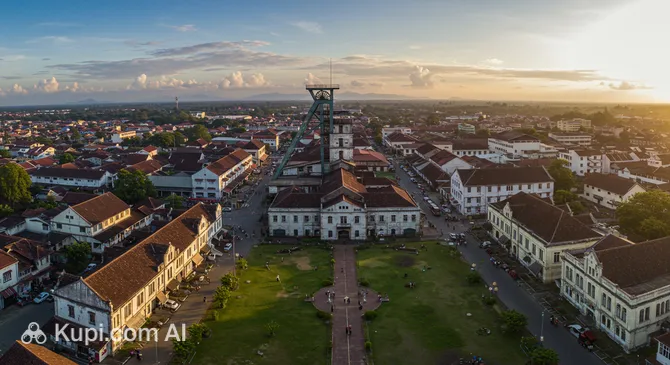
Sawahlunto. Illustration.
Source: Kupi.com AI

With a population of about 61,427 people, Sawahlunto maintains the intimacy and soulfulness of a small town while possessing a rich history. Founded in the late 19th century as a coal mining hub, it became one of the region's first industrial centers. Today, Sawahlunto is the administrative center of the municipality of the same name and an interesting example of how industrial heritage has seamlessly integrated into the city's modern appearance.

The main appeal of Sawahlunto lies in the harmonious blend of past and present. Guests can enjoy strolls through cozy streets lined with old colonial buildings that recall its wealthy history. Interestingly, former industrial sites related to coal mining have now been transformed into unique tourist attractions, telling the story of this vital stage in the city's development. Additionally, Sawahlunto serves as an excellent starting point for exploring Minangkabau culture and enjoying the natural beauty of Sumatra.

If you are looking for off-the-beaten-path travel routes, want to get to know Sumatran life more deeply, and enjoy the slow pace of a real Indonesian province, Sawahlunto will be a true discovery for you. This city will provide unforgettable impressions and allow you to see the country from a new, authentic perspective.

You can find more interesting facts on the history of Sawahlunto page.

Weather Overview

The weather in Sawahlunto is characterized by consistently warm temperatures throughout the year and frequent precipitation. The average annual temperature fluctuates within a narrow range, usually from 23°C to 24°C, with maximum daytime values reaching 27-28°C and nighttime minimums around 19-20°C. Expect warm weather with frequent but generally not very heavy rain in almost any month. The highest amount of precipitation falls in November (about 11 mm), and the lowest in July (about 4 mm), while the number of rainy days in a month varies from 21 to 28.

To get more detailed information and a forecast for specific dates, you can visit the weather in Sawahlunto page.

Average monthly temperature

Average monthly precipitation

Interesting Facts

Beyond its scenic landscapes and rich history, Sawahlunto hides many surprising details and stories that make it a truly unique place. This city, closely tied to the coal industry, preserves many interesting secrets and traditions.

  • The city of Sawahlunto owes its existence to the discovery of rich coal deposits. In the late 19th century, Dutch colonizers actively developed mining here, turning it into an important industrial center. It was home to the famous Ombilin mine, which today is recognized as a UNESCO World Heritage site as an outstanding monument of the industrial era.

  • Sawahlunto is often called a "living open-air museum" thanks to its beautifully preserved colonial-era buildings. The old station, administrative buildings, a church, and even a former prison for coal miners all create a unique atmosphere of the past.

  • A legend persists among locals about the "miner's ghost"—a spirit that, according to belief, helps lost workers find their way out of the tangled underground tunnels. These stories are passed down from generation to generation and are treated with great respect, with special rituals performed to protect the miners.

  • The city is known not only for its industrial heritage but also for its cultural life. Sawahlunto hosts the "Sawahlunto International Music Festival," attracting performers from different parts of Indonesia and beyond. Additionally, the city is famous for its horse racing traditions, including races and festivals associated with Minangkabau culture.

How to Get There

There are several ways to reach the city of Sawahlunto, located in the picturesque province of West Sumatra in Indonesia. The most convenient method for most international and domestic tourists is a flight to one of the nearest major airports, followed by a land transfer.

The main air hub serving the region is Minangkabau International Airport (IATA: PDG). It is located in the city of Padang, approximately 55 km from Sawahlunto. This is a major airport that receives many domestic and international flights. A trip from the airport to Sawahlunto by taxi or rented car takes about 1 hour 40 minutes to 2 hours, depending on traffic. You can also get from Padang to Sawahlunto by bus or shuttle taxi, which may be a more budget-friendly but longer option.

Another option is to fly into Sultan Syarif Kasim II International Airport (IATA: PKU), located in the city of Pekanbaru. The distance from this airport to Sawahlunto is about 141 km. This is also a significant airport with a good selection of flights. The road to Sawahlunto from here takes significantly longer, about 3.5-4 hours by car. This option might be convenient if you plan to visit other cities in this direction as well.

For convenience, here is a summary of the main airports through which you can reach Sawahlunto:

AirportPassenger trafficDistance
Minangkabau International Airport2.5 mln55 km
Sultan Syarif Kasim II International Airport2.9 mln141 km
Muara Bungo26 366192 km

Main Attractions

Sawahlunto, a city with a rich coal mining heritage, offers its guests a unique opportunity to dive into history and enjoy picturesque views. There are several key places you should definitely visit to better understand this Indonesian city.

One of the most iconic landmarks is the Mbah Suro Mine (Lubang Mbah Suro). This old coal tunnel is not just a historical site, but a real journey into the past. Descending into the mine, visitors can imagine the difficult conditions in which miners worked, extracting coal that was once the backbone of Sawahlunto's economy. This place allows you to touch the industrial history of the region and feel the atmosphere of a miner's life.

Equally interesting is the Sawahlunto Railway Museum (Museum Kereta Api Sawahlunto). It is located in an old railway station building and is dedicated to the history of the unique rack railway built specifically for transporting coal from the mines to the port. The museum's collection features vintage steam locomotives, carriages, photographs, and various artifacts describing the engineering solutions of that time. A visit to the museum will be informative for both technology enthusiasts and anyone interested in the city's history.

The Sawahlunto Cultural Center building (Gedung Pusat Kebudayaan Sawahlunto), formerly known as "Societeit Glück Auf," is a magnificent example of colonial-era architecture. Today, this building is the heart of the city's cultural life. It regularly hosts exhibitions, concerts, theatrical performances, and other events that introduce visitors to local art, traditions, and modern creativity. This is a wonderful opportunity to appreciate the architectural heritage and cultural diversity of Sawahlunto.

For those who want to enjoy breathtaking panoramic views, a visit to Puncak Cemara is a must. From this observation deck located on a hill, a magnificent view opens up over the entire city of Sawahlunto, spread out among the green hills of West Sumatra. It is an ideal place to take beautiful photos, especially at sunrise or sunset, and simply relax while admiring the beauty of the surrounding nature.

Local Cuisine

The gastronomy of Sawahlunto is a vibrant reflection of the rich culinary traditions of the Minangkabau people who inhabit West Sumatra. The crown jewel of local cuisine is undoubtedly rendang—an incredibly aromatic and tender beef, slow-cooked for hours in a thick coconut sauce with an abundance of spices. This dish, recognized as one of the most delicious in the world, is a must-try in authentic family cafes known as "warungs."

Equally noteworthy is gulai—a rich coconut milk-based soup prepared with chicken, fish, or vegetables, generously seasoned with local herbs and spices that give it a special freshness and piquancy. Street food in Sawahlunto is a culinary adventure in itself. Be sure to try the aromatic satay (small skewers of chicken or mutton), crispy fried bananas, and various local pastries, such as those filled with sweet potato.

Locals and tourists alike most often enjoy their meals in cozy "warungs," where home-style dishes are served, or explore lively street stalls and markets. It is at the markets where you can find the freshest exotic fruits, taste fragrant local coffee, and purchase unique spices. The city's gastronomic scene also comes alive during regular culinary festivals, where you can not only taste traditional dishes but also participate in cooking masterclasses, diving deeper into the culture of Indonesia.

As for drinks, in Sawahlunto, as throughout Indonesia, refreshing freshly squeezed tropical fruit juices, aromatic tea, and, of course, rich local coffee are popular. Non-alcoholic beverages are easily available everywhere. It is better to check on the availability of alcoholic drinks locally, as their accessibility may vary.

Travel Tips

Planning a trip to Sawahlunto, a charming city with a rich history in Indonesia? Wonderful! To ensure your journey through this unique corner of West Sumatra is as comfortable as possible and leaves only bright memories, we have gathered some useful tips for you.

  1. Clothing and Essentials: The climate in Sawahlunto is tropical, so choose light, breathable clothing made from natural fabrics. Don't forget sunscreen, a hat, and insect repellent. Comfortable walking shoes are a must. When visiting religious sites or the local community, it is recommended to dress modestly (shoulders and knees covered). Bring a universal adapter (Indonesia uses type C and F sockets). A light raincoat may also come in handy, especially if your trip is during the rainy season.
  2. Getting Around the City: In Sawahlunto, you can use local minibuses known as *angkot* or motorcycle taxis—*ojek* (agree on the price in advance) for transportation. Regular taxis are also available; check if there are app-based ride-hailing services in the city such as Gojek or Grab, which are popular in Indonesia. Car rental is possible but may not be the most convenient option due to local traffic characteristics; for short trips, public transport or taxis are often preferable.
  3. Finance and Currency: The local currency is the Indonesian Rupiah (IDR). You can exchange money at banks or official exchange offices; avoid street money changers. Credit and debit cards (Visa, Mastercard) are accepted in hotels and large stores, but always have enough cash on hand for markets, small cafes, and souvenir shops. ATMs are available, but it's better to withdraw money at banks or trusted locations. Tipping is not mandatory, but a small amount (5-10%) will be appreciated for good service in restaurants or by guides.
  4. Health and Safety: Pharmacies (apotek) are available in the city, but not all may operate 24/7. It is recommended to have a basic first-aid kit with you. Be sure to get travel medical insurance. Drink only bottled or boiled water. Be cautious with street food; choose popular and clean-looking places. Sawahlunto is generally a safe city, but follow standard precautions: watch your belongings, especially in crowded places, and avoid walking in unlit areas alone at night.
  5. Language and Communication: The official language is Indonesian (Bahasa Indonesia), and the local Minangkabau language is also common. English is understood in tourist spots, hotels, and among the youth, but not everywhere. Learn a few basic phrases in Indonesian, such as "Terima kasih" (Thank you), "Selamat pagi/siang/sore/malam" (Good morning/afternoon/evening/night), "Berapa?" (How much?)—this will greatly help in communicating with locals. A local SIM card with internet access can be bought at the airport or in the city. Wi-Fi is available in most hotels and many cafes.
  6. Local Etiquette and Traditions: Indonesians are very polite and hospitable people. When interacting, use your right hand to give or receive something, and also for eating. Pointing at someone or something with your finger is considered impolite; it's better to use your whole palm or your thumb. Avoid public displays of affection. It is customary to remove your shoes when entering a home or mosque. A smile and friendliness will always be your best tools.
  7. What to Avoid: Try not to touch another person's head, as the head is considered a sacred part of the body. Also, avoid sitting so that the soles of your feet are pointed at another person, especially an elder, or at religious symbols. Loud arguments or aggressive behavior are unacceptable and may cause a negative reaction.
  8. Special Feature of Sawahlunto: Be sure to take the time to study the unique heritage of Sawahlunto as a former mining town recognized as a UNESCO World Heritage site. Visit the old town, the railway museum, and the former coal mines. Also, don't miss the chance to try local Minangkabau cuisine, known for its rich flavors and original presentation.

We hope these tips help you better prepare for your trip and enjoy every moment in amazing Sawahlunto. We wish you unforgettable impressions and bright discoveries in this historical city!

Entertainment & Nightlife

In the evening, Sawahlunto envelops its guests in an atmosphere of tranquility and authenticity, far from the hustle and noise of large cities. Nightlife here doesn't boom with the bass of trendy clubs but rather sounds quietly in cozy cafes, hospitable local restaurants, and places that value soulful conversation and unique local flavor. The city, known for its rich historical heritage, maintains its charm even after dusk, offering guests a relaxing break after a day full of discoveries.

The main centers of evening life are usually concentrated in the central part of Sawahlunto or along its main streets. This is where you will find establishments that stay open until late evening. The atmosphere is typically relaxed and friendly, bringing together both locals and the few travelers. There is no strict dress code here—comfortable casual clothes are most appropriate. Coffee shops are particularly popular, where you can enjoy aromatic local coffee and traditional sweets. It's also worth stopping by small bars or so-called "warungs"—traditional Indonesian eateries offering local drinks and light meals. For example, you can spend an evening at Kopi Malam Sawahlunto, enjoying coffee in the evening breeze, or visit Warung Senja if you are looking for a more lively atmosphere and new acquaintances.

Some restaurants may offer evening programs or live music, especially on weekends. If you're lucky, you might stumble upon a small night market, such as Pasar Kuliner Malam, where you can sample a variety of street food and dive deeper into the local culture. Most establishments close around midnight or slightly later. Prices in Sawahlunto are pleasantly affordable. For moving around after dark, it is safest to use a taxi or arrange transport in advance; motorcycle taxis (ojek) are also common in the city. For walks, choose well-lit streets and don't forget about the safety of your personal belongings, although overall Sawahlunto is considered a city with a relatively calm security situation.

During the day, Sawahlunto also offers plenty of interest for the curious traveler. The city is famous for its historical attractions, many of which are related to its rich mining past. Be sure to visit the Gudang Ransoem Museum, which details the history of coal mining in the region. Walk through the city's old streets, admiring the well-preserved colonial architecture. Nature lovers will find picturesque spots in the outskirts of Sawahlunto, ideal for leisurely strolls and outdoor relaxation. While there are no large amusement parks or major theaters in the city, its unique cultural heritage and peaceful atmosphere make it especially attractive for those seeking a thoughtful and educational holiday.

Parks & Museums

Sawahlunto, a city with a rich mining past in the West Sumatra province, offers tourists not only a unique immersion into the history of industrial heritage but also charming places for relaxation and engagement with local culture. Here, historical sites and museums harmoniously coexist with urban green zones.

Among the green corners of Sawahlunto where you can take a break and enjoy the city's atmosphere, Taman Segitiga (Triangle Park) stands out. This is a central square and a popular spot for locals to relax, where you can observe daily life. For those seeking beautiful views, it is worth visiting Puncak Cemara—a hill with a pine grove that offers a panoramic view of Sawahlunto and the surrounding mountains. A bit further from the city center is Danau Kandi lake, which offers opportunities for outdoor recreation and water activities, making it a popular destination for family leisure.

A cultural program in Sawahlunto is unthinkable without visiting its unique museums, which tell the story of its glorious mining past. One of the most significant is the Gudang Ransoem Museum (Museum Gudang Ransoem). This is a former massive public kitchen that once fed thousands of miners. Today, you can see old kitchen equipment and dioramas recreating the daily life of that time. Another iconic site is the Sawahlunto Railway Museum (Museum Kereta Api Sawahlunto), located in the old station building. Its exhibition is dedicated to the history of the narrow-gauge railway built for transporting coal and includes vintage steam locomotives. For a more intense experience, consider visiting Lubang Mbah Suro—an old coal mine, part of which is open to tourists, providing a glimpse into the difficult working conditions of the miners.

In addition to the museums, the city of Sawahlunto itself is a living monument to architecture. A walk through the old quarters will allow you to appreciate well-preserved colonial-era buildings, including the former administrative buildings of coal companies and residential houses. Pay attention to the old city church of St. Barbara (Gereja Santa Barbara), one of the oldest Christian churches in the region, and the characteristic Dutch architecture of many buildings.

For an authentic experience, take a stroll through the local market, Pasar Sawahlunto, where you can immerse yourself in the city's daily life, try local fruits, and see traditional goods. Also, exploring the old town on foot will allow you to discover many interesting architectural details and cozy corners that are not always mentioned in guidebooks but convey the spirit of this historical place.

Getting Around

You can get around Sawahlunto and its surroundings using several types of transport. The core of the public transport system here consists of local buses and shuttle taxis, which locals may call "angkot" or "oplet." These vehicles run on established routes, connecting different areas of the city and nearby settlements. They are the most affordable way to travel medium and long distances within the urban area.

The fare system in Sawahlunto is quite simple. Generally, payment is made in cash directly to the driver or conductor upon entering or exiting the vehicle. The cost of a trip is usually low, but it is recommended to carry small bills as change from large banknotes can be difficult. Specialized travel cards or mobile apps for public transport payment in Sawahlunto may not be common, so cash is your main assistant.

Tourists should consider several practical points. It is best to check routes and exact schedules locally with residents or drivers, as information may not always be available online. Transport usually starts running early in the morning and stops in the evening; intervals may be longer on weekends and holidays. Don't hesitate to ask for directions or your stop—locals are generally helpful. Knowing a few phrases in the local language or having the destination address written down can significantly ease communication.

In addition to public transport, alternative ways of moving around are available in Sawahlunto. You can always use taxi services for more comfortable trips, especially if traveling with luggage or in a group. Motorcycle taxis (known as "ojek") are also popular, offering a fast and maneuverable way to reach your destination, especially for short distances or in heavy traffic. The possibility of renting a scooter or bicycle should be checked locally, as it can be a good option for independently exploring the city and its picturesque surroundings.

While Sawahlunto may not boast an extensive network of subways or trams, its transport system manages the needs of residents and visitors well. Given the city's historical heritage related to coal mining, trips on the old narrow-gauge railway are sometimes organized for tourists, which would be a fascinating addition to your trip rather than a regular mode of transport.

Accommodation

When planning a trip to Sawahlunto, you can find an accommodation option that suits your preferences and budget. The city offers tourists various types of housing, from cozy guesthouses and budget options to small mid-range hotels. Luxury international resorts are less common here; the focus is on a more authentic and local living experience.

When choosing a place to stay, look for areas closer to Sawahlunto's main attractions or transport hubs if you plan to move around actively. The central part of the city usually offers a good choice of options and convenient access to cafes and shops. In Sawahlunto, the selection of housing is mainly represented by local guesthouses and small hotels. Since information on specific large or chain hotels is unavailable in the data provided, we cannot provide examples. We recommend exploring offers on popular booking platforms, paying attention to reviews and location.

Regarding the price range, you can find both quite budget-friendly options and mid-range housing in Sawahlunto. There are few luxurious and expensive hotels here. You can book accommodation through popular online platforms or, in some cases, by contacting the hotel or guesthouse directly. It is recommended to book your stay in advance, especially if your trip coincides with the tourist season or local holidays, to ensure the best choice and prices.

Nearby Cities

For those who want to explore the surrounding area, Sawahlunto serves as an excellent starting point for day trips to several interesting nearby locations:

CityPopulationDistance
Solok68 60223 km
Padangpanjang52 42240 km
Payakumbuh125 60843 km
Bukittinggi113 32651 km
Padang914 97057 km

These nearby destinations provide insight into the diverse culture and landscapes of the region.

Shopping & Souvenirs

Shopping in Sawahlunto offers travelers the chance to immerse themselves in local culture and find authentic goods rather than chasing global brands. The city is not a major shopping center like Jakarta or Bali, but here you can find interesting souvenirs and handmade items that reflect the spirit of West Sumatra.

Main shopping spots in Sawahlunto will likely be concentrated along the city's main street or in its central part. Here you will find small local shops offering everyday goods, as well as stalls with souvenirs and handicrafts. Expect a more traditional trading format where interacting with the seller is part of the process.

There are generally no large modern shopping malls in the conventional sense in Sawahlunto. Shopping here is of a more intimate character. Instead of large malls, look for individual shops or small shopping rows where local goods can be found.

Special attention should be paid to traditional markets (called "pasar" in Indonesian). This is the heart of local trade and an excellent place to get acquainted with the daily life of Sawahlunto residents. In the markets, you can find fresh fruit, vegetables, spices, local delicacies, as well as inexpensive clothing and household items. Visiting such a market is not just about shopping, but also a vibrant cultural experience.

As souvenirs from Sawahlunto and the West Sumatra region, you can bring back traditional fabrics such as songket—luxurious brocade with gold or silver threads, or batik with local patterns. Also popular are wooden items, woven baskets and mats, and, of course, local coffee and spices. Sometimes you can find unique items related to the city's history, such as mining-themed souvenirs, given Sawahlunto's past.

Shops in Sawahlunto are usually open from the morning (around 9:00-10:00) until the evening (18:00-20:00); some may close for a lunch break. Markets start their work early in the morning. The main means of payment, especially in small shops and markets, is cash in Indonesian Rupiah (IDR). Credit cards may be accepted in some larger establishments or hotels, but it is better to always have enough cash with you. ATMs are usually available in the city for withdrawing money.

Regarding the Tax Free system (VAT refund for tourists), it exists in Indonesia and is available in authorized shops for purchases over a certain amount. However, in small towns like Sawahlunto and in small shops or markets, this service is unlikely to be common. If you plan major purchases, check the possibility of Tax Free in advance, but be prepared that this option is primarily available in large tourist centers and big stores.

Reached the end of the page?

That means the route is fully explored