Support

Bukittinggi

About

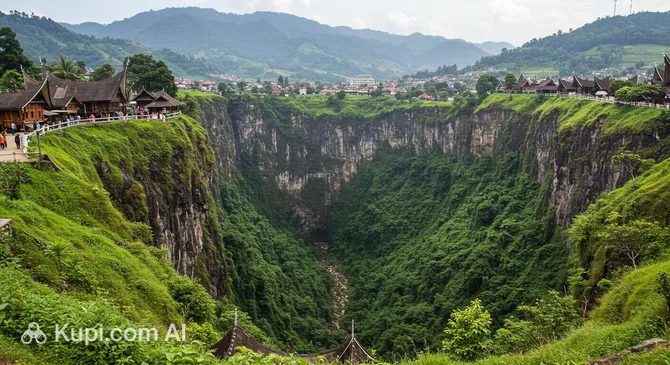
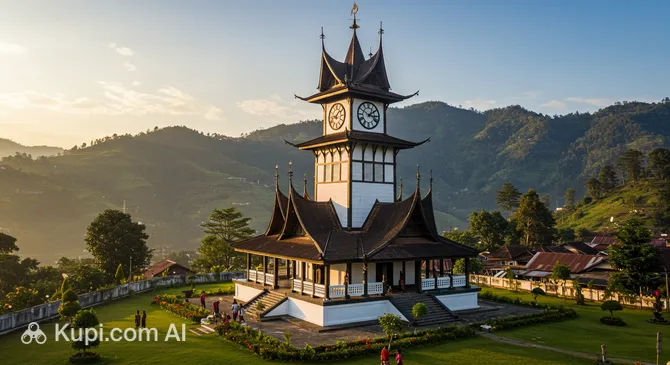
Bukittinggi is a true gem of West Sumatra, nestled among picturesque hills and majestic volcanoes. Situated at an altitude of about 930 meters above sea level, the city enjoys a pleasantly cool climate—a welcome relief from the tropical heat typical of much of Indonesia. The city is framed on one side by the impressive Sianok Canyon and on the other by the towering extinct volcano Mount Singgalang, creating a unique landscape.
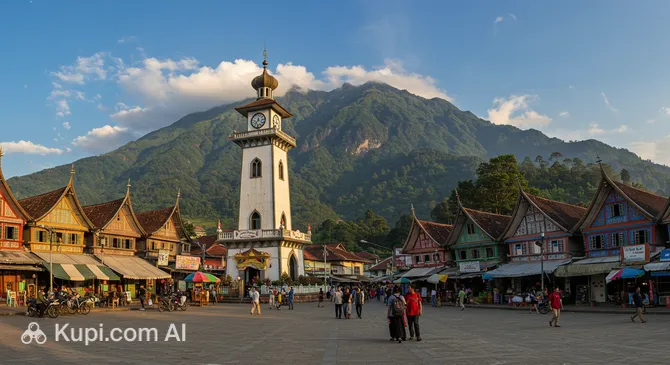
Bukittinggi. Illustration.
Source: Kupi.com AI

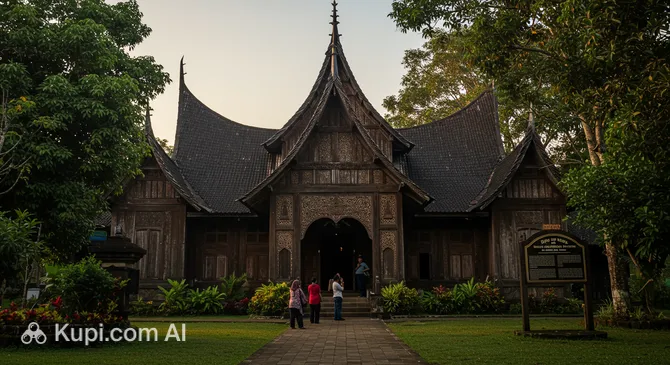
With a population of about 113,000, Bukittinggi is not only an important cultural center for the region but also a vibrant city. Life here is bustling: noisy markets give way to colorful streets, and traditional bazaars sit alongside venues for bright celebrations. The city is particularly famous for its rich historical heritage and the unique architecture of the Minangkabau people, whose houses with characteristic curved roofs resembling buffalo horns are the area's hallmark.

The atmosphere of Bukittinggi is a wonderful blend of ancient traditions and a modern rhythm of life. Walking through its streets, you can easily feel the spirit of past eras. Among the key attractions that draw tourists are the breathtaking Sianok Canyon, the majestic Mount Singgalang, the lively Pasar Atas (Upper Market), where you can dive into the local flavor, and, of course, the distinctive traditional Minangkabau houses.

Bukittinggi is a place that is definitely worth a visit if you appreciate authenticity, stunning natural panoramas, and a deep immersion into local culture. This city has the power to surprise, inspire, and leave you wanting to return to enjoy its unique hospitality and beauty once more.

You can find more interesting facts on the Bukittinggi city history page.
Weather Overview

The weather in Bukittinggi is characterized by consistent warmth throughout the year. The average monthly temperature fluctuates only slightly, typically ranging from 22.8°C to 23.7°C. Maximum daytime temperatures are usually between 26-27°C, while nighttime minimums drop to around 19-20°C. Bukittinggi typically has a humid climate with frequent rainfall: the number of rainy days per month varies from 23 to 28. Despite the frequency, the total amount of precipitation is considered moderate, ranging from 7 mm in July to 15 mm in November. Expect a warm and humid climate with regular rain throughout the year. For more detailed weather conditions, you can visit the Bukittinggi Climate page.

Average monthly temperature

Average monthly precipitation

Interesting Facts

Bukittinggi is not just about scenic landscapes and bustling markets. This city in West Sumatra holds many fascinating stories and little-known details that make it truly unique. Here are just a few of them:

Jam Gadang. Illustration.
Source: Kupi.com AI

Traveler photos:

  • The heart of the city is the famous Jam Gadang tower, built in 1926. An interesting detail: the Roman numeral four on its dial is written as "IIII" instead of the traditional "IV," which, according to local beliefs, brings good luck.

  • Hidden beneath the city is an extensive network of Japanese Tunnels (Lubang Jepang), dug during World War II. These underground passages, stretching about 1.5 kilometers, served as bunkers and warehouses for Japanese troops; today, they are open to the public and shrouded in mystery.

  • Bukittinggi is known for its unique Minangkabau-style architecture. Many buildings, including traditional houses, are adorned with characteristic roofs resembling buffalo horns. While the famous Pagaruyung Palace is located near the city, Bukittinggi itself showcases many beautiful examples of this distinctive style.

  • The city is the birthplace of several prominent Indonesian figures, including Haji Abdul Malik Karim Amrullah, better known as Buya Hamka. This scholar, philosopher, and writer made a significant contribution to Indonesian literature and culture.

How to Get There

To reach the city of Bukittinggi, located in the highlands of West Sumatra, it is most convenient to fly through the nearest major airports, as Bukittinggi itself does not have an airport. After arriving at one of the regional hubs, the journey continues by land.

The primary and most convenient option for most tourists is Minangkabau International Airport (PDG). It is located in Padang, approximately 55 km south of Bukittinggi. This major international airport receives flights from various cities in Indonesia and some neighboring countries. The trip from the airport to Bukittinggi by taxi or rental car takes about 1.5–2 hours, depending on traffic conditions. Shuttle vans (travel) and buses heading to Bukittinggi are also available.

Another major airport to consider is Sultan Syarif Kasim II International Airport (PKU) in Pekanbaru. The distance from there to Bukittinggi is about 145 km. Although the airport also serves many domestic and international routes, the drive to Bukittinggi takes significantly longer—approximately 4–5 hours by car or bus. This option might be convenient if you plan to visit Pekanbaru or northern regions of Sumatra before heading to Bukittinggi.

From the cities of Padang and Pekanbaru, where these airports are located, buses and shuttle vans run regularly to Bukittinggi. Car rental services are also an option, providing more flexibility for traveling through the picturesque surroundings.

For your convenience, here is a summary of the main airports used to reach Bukittinggi:

AirportPassenger trafficDistance
Minangkabau International Airport2.5 mln55 km
Sultan Syarif Kasim II International Airport2.9 mln145 km
Muara Bungo26 366242 km
Ferdinand Lumban Tobing Airport164 502265 km

Main Attractions

Bukittinggi, a charming city in West Sumatra, offers travelers a wealth of attractions that blend natural beauty, rich cultural heritage, and historical landmarks. From breathtaking canyons to unique architectural wonders, there is something here for everyone.

One of Bukittinggi's main symbols is Jam Gadang—the famous clock tower located in the very heart of the city. It is more than just a clock; it is a symbol of Bukittinggi, a popular meeting spot, and a major landmark. Built during the colonial period, the tower is architecturally interesting for its blend of European influences and local Minangkabau motifs on its roof. The square surrounding the tower offers a lively glimpse into city life and often hosts various events.

Jam Gadang. Illustration.
Source: Kupi.com AI

Traveler photos:

Nature lovers and fans of spectacular scenery should definitely visit Sianok Canyon. This impressive canyon, stretching for several kilometers, offers breathtaking panoramas of sheer cliffs covered in lush greenery and a winding river at its base. It is an excellent place for walking, photography, and enjoying the tranquility of nature. Numerous observation decks, such as Maaram Bukittinggi Canyon Park, allow you to fully appreciate the grandeur of this natural wonder.

Sianok Canyon. Illustration.
Source: Kupi.com AI

Traveler photos:

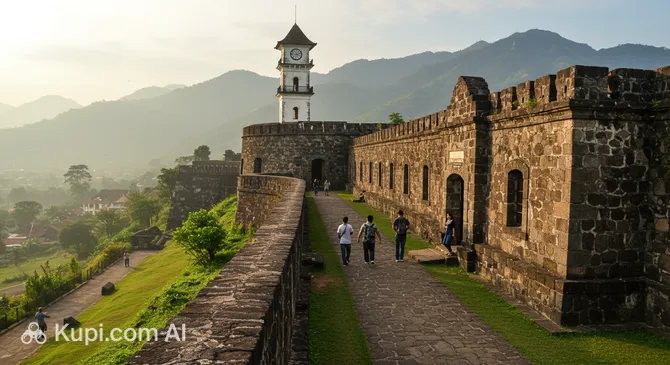
The city's historical heritage is vividly represented by Fort de Kock. This Dutch fort, built in the early 19th century, once served as an important defensive and administrative center. Today, some fortifications and buildings remain, along with the Jembatan Limpapeh pedestrian bridge, which connects the fort area to the Kinantan Zoo and Cultural Park. From the hill where the fort sits, you can enjoy beautiful views of the city and the surrounding volcanoes.

Fort De Kock. Illustration.
Source: Kupi.com AI

Traveler photos:

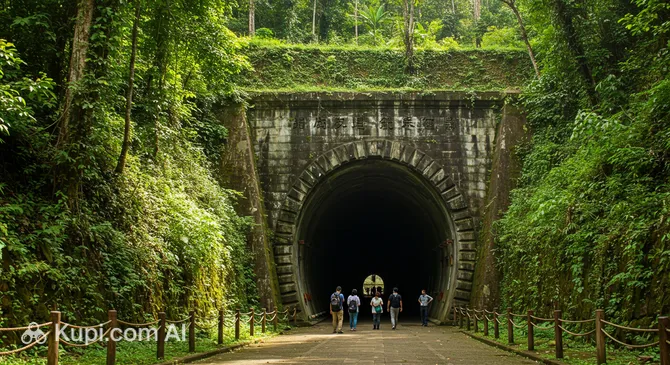
Another unique and intriguing historical site is the Bukittinggi Japanese Tunnel (Lubang Japang). These underground passages were dug during the Japanese occupation of Indonesia during World War II and were used as bunkers, storage facilities, and barracks. A tour of these tunnels allows you to touch upon dramatic pages of history and learn about life in the city during that difficult period. The extent and complexity of the tunnels are impressive and serve as a silent witness to past events.

Japanese Tunnel Bukittinggi. Illustration.
Source: Kupi.com AI

Traveler photos:

For those interested in the culture and history of Indonesia, the Bung Hatta Birthplace Museum is an essential visit. Mohammad Hatta was one of Indonesia's founding fathers and its first vice president. A visit to his childhood home, now a museum, provides insight into his life and his contribution to the nation's history.

Local Cuisine

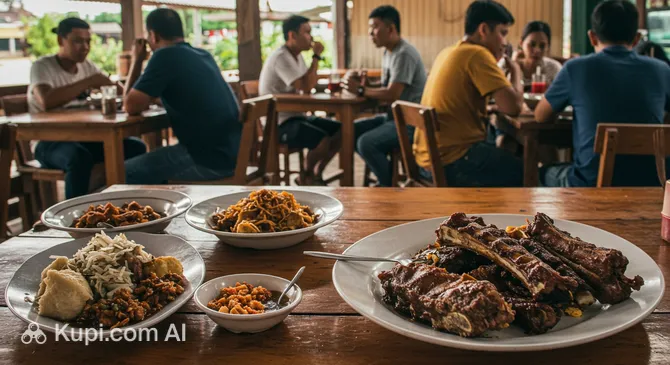
The cuisine of Bukittinggi is a true gastronomic journey into the world of Minangkabau flavors—a region of Indonesia famous for its rich and spicy dishes. The undisputed star of the local culinary scene is rendang: tender beef slow-cooked for hours in a thick coconut sauce with a complex bouquet of spices. This dish is not just a signature of Bukittinggi but a world-renowned delicacy. You should also definitely try satay—fragrant skewers of chicken or beef grilled over charcoal and served with a spicy peanut sauce—and a variety of gorengan, which are crispy fried snacks perfect for a quick bite. Don't forget bakso, a hearty meatball soup that is a favorite among Indonesians; you can try it at places like Bakso Rusuk Kemenangan.

Bakso Rusuk Kemenangan. Illustration.
Source: Kupi.com AI

Traveler photos:

Other popular treats include martabak, thick pancakes that come in both sweet (with chocolate, cheese, or nuts) and savory (with egg and minced meat) versions. The "Kaka" martabak is particularly loved and is often prepared right before your eyes, filling the air with tempting aromas. For dessert, locals prefer lapis—a colorful layered cake—as well as an abundance of fresh tropical fruits and various coconut-based sweets. For drinks, you must try traditional Sumatran coffee: strong, rich, and incredibly aromatic, it’s the perfect end to a meal or a bracing start to the day. Freshly squeezed juices and tea are also popular.

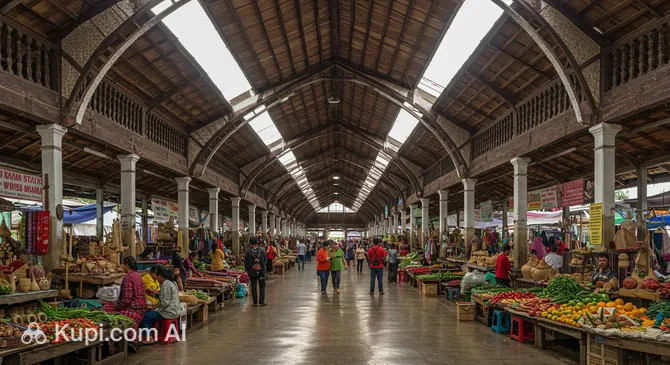
You can discover the authentic cuisine of Bukittinggi everywhere: from street stalls with steaming food and bustling markets to cozy local restaurants called "rumah makan" (meaning "house of food"). Street food here is not just a quick snack but an integral part of local culture and daily life. To immerse yourself in this atmosphere, be sure to visit the Banto Bukittinggi Market. Here, you can not only buy fresh produce, spices, and souvenirs but also sample many local delicacies while observing the city's vibrant life. It is in such markets, among the colorful stalls and the scent of spices, that the true gastronomic spirit of Bukittinggi is revealed.

Banto Market Bukittinggi. Illustration.
Source: Kupi.com AI

Traveler photos:

The gastronomic scene in Bukittinggi is bright, dynamic, and incredibly welcoming. The city often lives to the rhythm of culinary events, with street food festivals frequently held where you can enjoy a wide variety of local cuisine and learn the secrets of preparing traditional dishes. Food here is a way of communicating, celebrating, and getting to know the rich culture of the Minangkabau people.

Travel Tips

Welcome to Bukittinggi, a charming city in the heart of West Sumatra, famous for its unique Minangkabau culture and breathtaking scenery! To ensure your journey through this amazing corner of Indonesia goes smoothly and leaves you with only the warmest memories, we have prepared a few practical tips.

  1. Clothing and respecting traditions: Bukittinggi has a warm and humid equatorial climate, but due to its highland location, evenings can be chilly. Pack light, breathable natural fabrics, comfortable walking shoes for the hilly terrain, and a light jacket or sweater. Don't forget a raincoat or umbrella, especially if traveling during the rainy season. Also, note that Indonesia uses Type C and F power outlets, so if your country's standards differ, bring a suitable travel adapter. Given the region's strong Islamic traditions, dress modestly when visiting mosques and rural areas: shoulders and knees should be covered. Women may need a headscarf for mosques.
  2. Getting around the city and beyond: Bukittinggi itself is quite compact, and many central attractions can be explored on foot. For longer trips, "angkots" (local minibuses) are a budget-friendly, though sometimes crowded, option. Taxis are available, but using mobile apps like Gojek or Grab is more convenient and offers transparent pricing. For exploring the surrounding areas (like Lake Maninjau or the Harau Valley), consider renting a car with a driver to avoid the complexities of local traffic.
  3. Financial matters: Rupiah and payments: The local currency is the Indonesian Rupiah (IDR). You can exchange money at banks or official exchange offices; avoid street money changers. Credit cards (Visa, Mastercard) are accepted in large hotels, some restaurants, and shops, but cash is essential for markets and small establishments. ATMs are quite common. Tipping is not mandatory but appreciated for good service (5-10% in restaurants if a service charge isn't included, or rounding up for taxi drivers).
  4. Health and safety: Pharmacies ("apotek") are available in the city, but not all are open 24/7, so carry a basic first-aid kit. Drink only bottled water. Bukittinggi is considered a relatively safe city, but take standard precautions: watch your belongings in crowded places, especially at Pasar Atas and Pasar Bawah markets, and avoid walking alone in poorly lit areas late at night. Be sure to have travel insurance.
  5. Communication and connectivity: The official language is Indonesian (Bahasa Indonesia), and the local Minangkabau language is also widely spoken. English is understood in tourist areas, but knowing a few Indonesian phrases (e.g., "Terima kasih" – thank you, "Selamat pagi" – good morning) will be very helpful and appreciated by locals. A SIM card with internet access is easy to buy upon arrival. Wi-Fi is available in most hotels and many cafes.
  6. Local etiquette: Minangkabau hospitality: The Minangkabau people are known for their hospitality. Greet people with a smile and a slight nod. When giving or receiving something, or when eating, use your right hand, as the left is considered unclean. Avoid public displays of affection and try not to raise your voice in public spaces. If invited into a home, it is customary to remove your shoes before entering.
  7. What to avoid: It is strongly discouraged to touch the heads of locals, as the head is considered a sacred part of the body. Also, try not to point at people or objects with your index finger—it is better to use your thumb with the other fingers folded, or your whole hand. Disrespectful behavior toward religious symbols and traditions can cause serious misunderstandings.
  8. Culinary immersion and markets: Be sure to try local Minangkabau cuisine, known as "Masakan Padang" or "Nasi Kapau"—it's a whole gastronomic ritual with many dishes. Don't miss the chance to try the famous rendang. Visit the colorful Pasar Atas (Upper Market) and Pasar Bawah (Lower Market) where you can buy fresh produce and souvenirs and bargain, which is part of the local culture.

Bukittinggi is a place of rich culture and stunning nature that is sure to enchant you. We hope these tips help you prepare for your trip and get the most out of your adventure in the heart of Sumatra. Selamat jalan (Have a good journey)!

Entertainment & Nightlife

Bukittinggi offers its guests a more laid-back and authentic evening experience rather than a bustling nightlife with numerous clubs and bars. However, there are still pleasant ways to spend your evenings while soaking in the local atmosphere and cuisine.

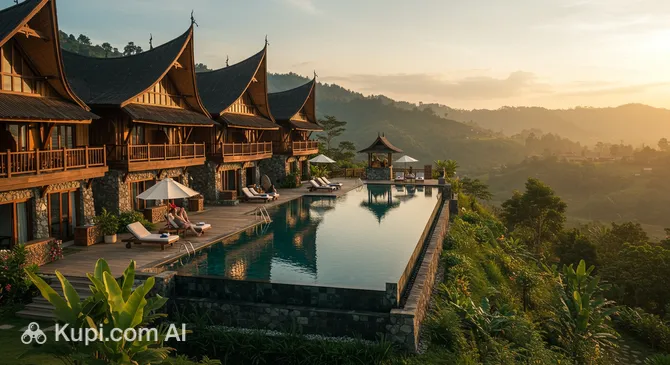
Most evening activity in Bukittinggi centers around food and socializing. The central streets, especially around the city's main landmark—the Jam Gadang clock tower—come alive at dusk. You can find many street food vendors offering local delicacies here. The atmosphere is usually relaxed and friendly, perfect for a leisurely stroll and an al fresco dinner. Instead of loud nightclubs, you are more likely to find cafes and restaurants that stay open until late in the evening. One such place to try local food is Bakso Rusuk Kemenangan. For those seeking a quieter setting for dinner or an elegant evening, consider the Campago Resort Hotel, which may offer restaurants or lounge areas for a comfortable retreat.

Campago Resort Hotel. Illustration.
Source: Kupi.com AI

Traveler photos:

Another interesting spot in the evening is the Banto Bukittinggi Market. While the main shopping stalls close during the day, food stalls and small eateries often operate in the vicinity or on the premises in the evening, where you can immerse yourself in local color and sample fresh dishes. The crowd is mostly local, along with tourists looking for authentic experiences. There is generally no formal dress code—comfortable casual wear is encouraged.

Practical tips for evening leisure: The best time for evening walks and dinner is between 7:00 PM and 10:00 PM, as many establishments may close relatively early. Prices for food and drinks at local cafes and street food outlets are very affordable. For getting around the city in the evening, you can use taxis or local minibuses (angkot), but it's wise to check their schedules in advance. You can call a taxi through apps or ask hotel staff for assistance.

Safety: Bukittinggi is generally considered a safe city. However, as with any destination, it is wise to take standard precautions after dark: avoid poorly lit and deserted streets and keep an eye on your belongings. Central areas, where most activity is concentrated, are usually well-lit and patrolled.

During the day, Bukittinggi also offers plenty of interesting activities. You can visit historical sites like the Bung Hatta Birthplace Museum or take a walk through the Kinantan Zoo and Cultural Park. Nature enthusiasts will enjoy Sianok Canyon, which offers spectacular views.

Parks & Museums

Bukittinggi is a city where picturesque nature harmoniously blends with a rich cultural heritage. Travelers can expect both peaceful green corners and fascinating museums that tell the story of the history and traditions of this amazing region of Indonesia.

One of the main natural jewels of Bukittinggi is Sianok Canyon. This impressive valley with sheer cliffs and lush greenery offers breathtaking views and wonderful opportunities for walking and photography. Nearby is Maaram Bukittinggi Canyon Park, which also provides magnificent panoramas of the canyon. For family leisure and a chance to see local fauna, the Kinantan Zoo and Cultural Park is an excellent choice, where you can see a variety of animals and learn more about Minangkabau culture.

Sianok Canyon. Illustration.
Source: Kupi.com AI

Traveler photos:

To dive deeper into the region's history, a visit to the Bung Hatta Birthplace Museum is highly recommended. The exhibition is dedicated to the life and work of Mohammad Hatta, the first Vice President of Indonesia, and is an important site for understanding the nation's formation. Another iconic landmark is the Bukittinggi Japanese Tunnel (Goa Jepang), a network of underground passages built during the Japanese occupation. This site is not only a historical monument but also a testament to difficult times. Also noteworthy is Fort de Kock, an old Dutch fortification offering views of the city and its surroundings. Today, its grounds also house part of the zoo and a museum.

Bung Hatta Birthplace Museum. Illustration.
Source: Kupi.com AI

Traveler photos:

Japanese Tunnel Bukittinggi. Illustration.
Source: Kupi.com AI

Traveler photos:

The symbol of Bukittinggi is undoubtedly Jam Gadang—the famous clock tower in the city center. It is not only a popular meeting spot but also an important architectural landmark reflecting a unique blend of styles. Life bustles around the tower, with numerous shops and cafes located nearby.

Jam Gadang. Illustration.
Source: Kupi.com AI

Traveler photos:

For those seeking off-the-beaten-path routes and unique views, consider the Koto Gadang Great Wall (Janjang Koto Gadang), which leads to the village of the same name, famous for its silver crafts. Another interesting experience can be a visit to the Inyiak Tree House, which offers picturesque panoramas of the surrounding nature.

Getting Around

Getting around Bukittinggi is possible using several types of transport, each with its own specific features. The city is not very large, so navigating the transport system is quite simple.

The primary form of public transport in Bukittinggi is the minibus, known locally as "angkot" or "opelet". These are small microbuses that run on established routes. They do not have fixed stops; to board an angkot, simply wave your hand at the driver, and to get off, let them know in advance. Payment is made in cash directly to the driver upon exit; the fare is usually low and fixed for a specific route.

Another popular way to get around, especially for short distances, is the motorcycle taxi, or "ojek". They can be found on almost every corner or ordered through popular mobile apps in Indonesia like Gojek or Grab. This is a fast way to reach your destination, especially if there is traffic. The cost of an ojek ride is usually negotiated in advance if you hail one on the street, or calculated automatically in the app.

For tourists, an interesting and authentic way to see the city is by horse-drawn carriage, called a "bendi". They are often found in tourist areas and offer a leisurely ride to see the sights. The price for a bendi ride is negotiable and depends on the route and duration.

Taxis are also available in Bukittinggi. They can be called by phone, through mobile apps (such as GrabCar or GoCar), or found at designated taxi stands. This is a more comfortable but more expensive option compared to angkots or ojeks.

Practical tips for tourists: Always carry small change in cash to pay for angkots and traditional ojeks. When using an ojek or bendi hailed on the street, it is recommended to agree on the price beforehand to avoid misunderstandings. Mobile apps for transport (Gojek, Grab) offer a convenient way to call a motorcycle taxi or a car with a predetermined price. Angkots usually run from early morning until evening. Their numbers decrease significantly at night. Given the compactness of central Bukittinggi, many attractions can be reached on foot, which allows you to better experience the city's atmosphere.

Accommodation

In Bukittinggi, travelers will find a variety of accommodation options to satisfy different preferences and budgets. The city offers everything from budget-friendly guesthouses and hostels to mid-range hotels and more comfortable options for those seeking a higher level of service. The choice of lodging allows both budget backpackers and tourists preferring more comfortable conditions to find their ideal stay.

Many accommodation options are concentrated in the central part of the city, providing easy access to main attractions such as the famous Jam Gadang clock tower or the scenic Sianok Canyon. You can also find accommodation in quieter neighborhoods if you prefer a more peaceful retreat. When choosing a place, it is worth considering proximity to transport hubs and the sites you are interested in visiting.

Among the options offering a comfortable stay, the Campago Resort Hotel is worth noting. Overall, the city features hotels of various categories, so it is advisable to check reviews and locations before booking.

The price range varies from budget to mid-range and higher, depending on the type of accommodation and provided amenities. It is recommended to book your stay in advance, especially if your trip coincides with the peak tourist season or public holidays, to guarantee availability and secure the best prices. Online platforms and travel aggregators are the most popular booking methods, though direct booking via a hotel's website or by phone is sometimes possible.

Nearby Cities

For those who want to explore the surrounding areas, Bukittinggi serves as an excellent starting point for day trips to several interesting nearby locations. Notable among these are Padang, the capital of West Sumatra, famous for its distinctive cuisine and rich Minangkabau culture, and Pekanbaru, the bustling center of Riau Province, where you can experience Malay traditions and modern Sumatran life. These cities, like other settlements in the region, offer various opportunities for short trips.

CityPopulationDistance
Padangpanjang52 42218 km
Payakumbuh125 60829 km
Pariaman85 48546 km
Sawahlunto61 42751 km
Solok68 60262 km

These nearby destinations allow for a deeper dive into the diverse culture and picturesque landscapes of the region, complementing the experience of visiting Bukittinggi.

Shopping & Souvenirs

Shopping in Bukittinggi is an immersion into the world of traditional crafts and local goods rather than a hunt for global brands in glossy malls. The city is famous for its markets, where you can find authentic handmade items, textiles, and unique souvenirs that reflect the Minangkabau culture.

The main shopping areas are concentrated around the iconic Jam Gadang clock tower and the adjacent streets. Here you will find many small shops, stalls, and street vendors offering a variety of goods. Jalan Ahmad Yani and its surrounding alleys are popular places to find souvenirs and local delicacies.

There are no large modern shopping malls in the traditional sense in Bukittinggi. Instead, the city's commercial life thrives in its traditional markets, which are the main draws for shoppers.

The city's main market is Pasar Atas (Upper Market), where clothing, textiles, souvenirs, and handmade items are sold. Adjacent to it is Pasar Bawah (Lower Market), which specializes in fresh produce, spices, and everyday goods. One of the key shopping spots is the Banto Bukittinggi Market, where you can find a wide range of products, from food to clothing and souvenirs.

Banto Market Bukittinggi. Illustration.
Source: Kupi.com AI

Traveler photos:

From Bukittinggi, it is worth bringing home traditional Minangkabau fabrics, such as songket (brocade with gold or silver threads), intricately carved wooden items, silver jewelry from the nearby village of Koto Gadang, and local snacks like keripik sanjai (spicy cassava chips) or dry-style rendang.

Shops and markets in Bukittinggi usually open early in the morning, around 8:00–9:00 AM, and stay open until late evening, roughly until 5:00–6:00 PM for markets and 8:00–9:00 PM for some shops. The primary method of payment, especially in markets and small shops, is cash (Indonesian Rupiah). Credit cards may be accepted in some larger stores and hotels, but it is always best to carry enough cash with you.

The option for tax-free shopping for tourists is not common in Bukittinggi and is not a standard practice. If you make a large purchase in a reputable store, you can ask about it, but do not expect it to be available everywhere.

Reached the end of the page?

That means the route is fully explored