Support

Kerinci

About

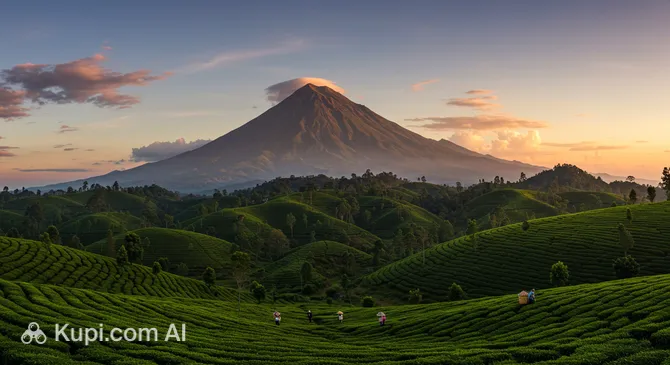
Kerinci is a true emerald hidden in the lush tropical forests of Sumatra. This picturesque region and its namesake city attract travelers with their incredible beauty and atmosphere of tranquility. Located at the foot of a majestic volcano, Kerinci offers a unique experience for those seeking communion with nature in such an amazing country as Indonesia.

Kerinci. Illustration.
Source: Kupi.com AI

Geographically, the area is a high-altitude valley in Jambi Province. It enjoys a pleasant, slightly cooler climate than the hot coast, making travel particularly comfortable. The surrounding landscapes are mesmerizing: endless tea plantations, emerald rice terraces, and crystal-clear mountain lakes create a unique local flavor. Although the rich history of Kerinci is inextricably linked to the development of agriculture and local traditions, today it is better known as an important center for ecotourism.

The main point of attraction is Kerinci Seblat National Park—the largest protected natural complex in Sumatra. People come here to climb Indonesia's highest active volcano, reaching 3,805 meters, observe rare birds, or simply enjoy the silence far from civilization. Kerinci is the ideal destination for those who want to feel like explorers and see the authentic life of the Indonesian hinterland without the noisy crowds of tourists.

Weather Overview

The climate in this high-altitude region is remarkably stable and mild, making it a pleasant refuge from the tropical heat of the lowlands. The average air temperature throughout the year fluctuates within a very narrow range—around 20–21°C. During the day, the air usually warms up to a comfortable 24–25°C, while nights bring an invigorating freshness, with the mercury dropping to 16–17°C.

A characteristic feature of the local weather is high humidity and regular precipitation regardless of the season. Statistics show that rain is a constant phenomenon here: the number of rainy days varies from 26 to 29 per month year-round. When planning your trip, be sure to check the forecast to see what weather in Kerinci is expected on your travel dates, and don't forget to bring a raincoat.

Expect moderately warm temperatures without sharp fluctuations and a high probability of precipitation in any month of the year.

Average monthly temperature

Average monthly precipitation

Interesting Facts

In addition to the main attractions, Kerinci holds many fascinating secrets that only reveal themselves to the most curious travelers. Here are a few facts to help you better understand the uniqueness of this region:

  • The Breath of the Volcano. Mount Kerinci is not only the highest point in the country among volcanoes but also one of the most active. Almost every year, the volcano reminds us of its presence with ash emissions, creating dramatic landscapes and a special mystical aura much valued by photographers and climbers.

  • A Lake with a Legend. Nearby is the Lake of Seven Peaks (Danau Gunung Tujuh)—one of the highest in Southeast Asia. Locals pass down legends from generation to generation about a mysterious creature inhabiting its waters, reminiscent of the famous Loch Ness monster.

  • Home for Giants. Kerinci Seblat National Park serves as a sanctuary for the rare Sumatran tiger. Additionally, this is exactly where you can find the Rafflesia—an amazing plant that boasts the largest flower in the world.

  • Living Traditions. The region is famous not only for its nature but also for its rich cultural heritage. Ancient crafts have been preserved here, and folklore is full of stories about forest spirits. Local flavor is particularly vivid during harvest festivals, accompanied by authentic music and dancing.

How to Get There

Traveling to this high-altitude region is a true adventure, as it is hidden deep within the tropical forests of Sumatra. Since there are virtually no direct flights to the valley itself, tourists usually have to combine a flight with overland transport. You can study all the ways to get to the city in more detail on a separate page, and below we will look at the most popular routes through neighboring provinces.

There is no airport in the city of Kerinci that accepts large regular flights, so the optimal option is to fly into Minangkabau International Airport (IATA: PDG) in Padang. This is the most convenient hub, located about 175 km from the destination. The journey from here by taxi or bus takes about 5–6 hours. The airport has a high passenger flow and accepts many flights, making it an excellent starting point.

An alternative option is Sultan Thaha Airport (IATA: DJB), located in the administrative center of the province, Jambi City. It is further away, approximately 247 km from Kerinci. The overland journey from here takes roughly 6–7 hours. This is a regional hub with medium passenger traffic, which may be convenient if you are planning a route through the eastern part of Sumatra.

You can also consider Sultan Syarif Kasim II International Airport (IATA: PKU) in Pekanbaru. This is a major transport hub; however, it is 258 km away from Kerinci, and the transfer will take about 7 hours. This option suits those who want to combine a visit to several provinces or have found favorable airfares specifically to Pekanbaru.

For clarity, here is summary information on the main airports through which you can reach the region:

AirportPassenger trafficDistance
Muara Bungo26 36691 km
Minangkabau International Airport2.5 mln176 km
Lubuk Linggau Silampari Airport84 067227 km
Fatmawati Soekarno Airport607 361242 km
Sultan Thaha Airport1.0 mln247 km

Since rail communication is not developed in this mountainous part of the island, road transport remains the primary way to reach Kerinci from any of the listed airports. The roads here are scenic but often winding, passing through mountain passes and jungles, so travel time can vary depending on weather conditions. It is recommended to use official taxi services or book a transfer in advance through local travel agencies.

Main Attractions

The Kerinci region is a real treasure trove for nature lovers, where every corner breathes majesty and calm. Here, attractions are created by the elements themselves, offering travelers unique opportunities for active recreation and contemplation of pristine beauty.

The absolute dominant feature of the area is Mount Kerinci (Gunung Kerinci). It is not just a mountain, but the highest volcano in Indonesia, with its peak reaching into the clouds at an altitude of 3,805 meters. For tourists, this place is attractive for the opportunity to make an ascent: the trail passes through dense tropical forests, gradually revealing breathtaking panoramas. Conquering the "Roof of Sumatra" is an unforgettable adventure, rewarded with views of endless green valleys and, if you're lucky with the weather, even the distant coastline of the ocean.

Another wonder of nature is Lake Gunung Tujuh (Danau Gunung Tujuh), known as the "Lake of Seven Peaks." Located at an altitude of almost 2,000 meters in the crater of an extinct volcano, it is considered the highest in Southeast Asia. The body of water is surrounded by a tight ring of seven mountain peaks, creating an atmosphere of mystery and solitude. The path here lies through the jungle, where you can encounter rare birds, and the crystal-clear, cool water of the lake gives a sense of complete unity with the wild.

For those who prefer a more relaxed vacation, the Kayu Aro Tea Plantation is the perfect spot. It is one of the oldest plantations in the archipelago, founded during the colonial era, and the second highest in the world. Emerald carpets of tea bushes stretch against the backdrop of the majestic volcano, creating some of the most photogenic landscapes in Sumatra. A walk here allows you to enjoy the fresh mountain air and see the process of harvesting the famous tea, valued for its unique aroma.

In the heart of the valley lies Lake Kerinci—a large body of water that plays an important role in the lives of the local population. Unlike the high-altitude Gunung Tujuh, this lake is easy to reach by transport. Traditional villages and rice fields decorate its shores, while fishing boats glide across the water. It is a wonderful place to experience the culture of the region, have a picnic, and watch picturesque sunsets when the sun paints the water in golden hues.

Local Cuisine

The culinary traditions of Kerinci are a vivid reflection of Sumatra's rich culture, where every recipe is steeped in history and the aromas of local spices. A gastronomic journey here should begin with a tasting of "gulai"—a thick and spicy stew in which meat or vegetables are simmered in a sauce of turmeric, chili, and other seasonings. No less honorable a place on the table is occupied by "rendang"—tender beef stewed in coconut milk. In Kerinci, this dish is often prepared according to old family recipes passed down through generations, giving it a special homemade taste.

The proximity of rivers and lakes provides local cuisine with the freshest fish, which is usually grilled with minimal additions to preserve its natural flavor or fried until crispy. Lovers of the exotic should pay attention to side dishes made from wild herbs and forest root vegetables gathered in the surrounding jungles. These ingredients give the dishes unique notes that cannot be found in other regions.

The region's main drink is rightfully considered tea. Thanks to the extensive high-altitude plantations, local tea is distinguished by its exceptional softness and subtle floral aftertaste. It is served almost everywhere: from simple roadside cafes to guesthouses. A cup of hot, aromatic tea is the perfect accompaniment to the cool mountain evenings of Kerinci.

Street food is a separate adventure that awaits tourists at local markets. An atmosphere of hospitality reigns here: smiling vendors offer fried bananas or sweet rice cakes filled with shredded coconut and peanuts. Be sure to appreciate the abundance of local fruits: in season, the stalls are overflowing with durians, mangosteens, and other tropical treats.

If you are lucky enough to be in the city during the tea or coffee harvest festivals, you can immerse yourself in a real gastronomic celebration. Fairs are held during these days, where you can not only enjoy traditional treats but also participate in workshops, learning the secrets of Sumatran hospitality from local chefs.

Travel Tips

Traveling to Kerinci is an immersion into a world of wild nature and high-altitude mists, which requires special preparation from a tourist. To ensure your trip to this unique part of Indonesia is as comfortable as possible and free of surprises, we have compiled a list of practical recommendations.

  1. Clothing and Essentials. Kerinci is located at a high altitude, so the climate here is cooler than on the coast. Be sure to bring a fleece, long trousers, and a light jacket for the evenings. Due to frequent rains, a high-quality raincoat or poncho is a must. For trekking, you will need sturdy boots with good grip. Given the conservative nature of the region, it's better to choose modest clothing that covers shoulders and knees, especially when visiting villages.

  2. Transport. Public transport within the region is poorly developed and consists mainly of minibuses ("angkots"), which run irregularly. The most convenient way to move around is renting a car with a driver or a scooter, if you are a confident driver. Taxi apps (Grab/Gojek) may work only in the center of Sungai Penuh, but don't count on them outside the city.

  3. Finance. The local currency is the Indonesian Rupiah. Bank cards are accepted very rarely, only in a couple of large hotels. Stock up on cash in advance: ATMs are only in the administrative center (Sungai Penuh); there are none in the area of plantations and lakes. The daily budget here is low, and tipping is not mandatory, but rounding up the bill is always appreciated.

  4. Health and Safety. There are many leeches and insects in the jungle and on the trails, so carry powerful repellents and special gaiters or high socks. Pharmacies only operate in the city, so bring specific medications (especially for motion sickness on winding roads) with you. Drink only bottled water.

  5. Communication. Few people know English here, mostly only certified guides. We recommend downloading an offline translator and learning a few phrases in Bahasa Indonesia (for example, "terima kasih"—thank you). For connection, it's better to buy a SIM card from Telkomsel, as other providers may have no signal at all in the mountains.

  6. Local Etiquette. People in Kerinci are very hospitable and religious. Greet locals with a smile. Remember an important rule: hand over money, food, or shake hands exclusively with your right hand, as the left is considered "unclean." Always remove your shoes when entering homes and guesthouses.

  7. What to Avoid. Never go hiking on the volcano or in the jungle alone—trails can be unclear, and the forests are home to wild tigers; always hire a local guide. Also, avoid public displays of affection (kissing, hugging) and drinking alcohol on the street to avoid offending local residents.

  8. Extra Tip. The best time for sightseeing and photography is early morning (6 to 9 AM). By noon, Mount Kerinci and the tea plantations are often hidden in thick clouds and mist, so "the early bird" sees the most beautiful panoramas.

Following these simple rules will help you avoid minor troubles and focus on the main thing—the incredible beauty of nature and the hospitality of the Kerinci people. We wish you an exciting and safe adventure!

Entertainment & Nightlife

If you expect to see noisy nightclubs with neon signs or 24-hour bars with loud music in Kerinci, the local reality will surprise you. Nightlife in this high-altitude region of Indonesia has a completely different, calm, and authentic character. Here, in the heart of conservative Sumatra, evening leisure is a time for warm conversations, gastronomic discoveries, and enjoying the coolness after a hot day.

The center of all evening activity is the city of Sungai Penuh, the administrative heart of the region. This is where locals and tourists flock after sunset. The atmosphere here is friendly and relaxed. The crowd consists mainly of families with children, young people, and travelers returning from trekking. The dress code is completely casual, but with respect for local traditions: it's better to avoid overly revealing clothes, and because of the mountain chill, you'll surely want to throw on a hoodie.

The main point of attraction is Merdeka Square (Lapangan Merdeka). In the evening, this space is transformed: lights come on, street food vendors appear, and families ride brightly decorated cycle rickshaws ("odong-odong"). It's the perfect place to feel the rhythm of city life, try local snacks, and just people-watch. It is safe, crowded, and very colorful.

Instead of traditional bars, coffee culture thrives in Kerinci. The region is famous for its Arabica variety, so evening gatherings over a cup of aromatic coffee are the main form of "nightlife." Look for establishments around the Kincai Plaza shopping center. A spontaneous night market unfolds around it, where you can have an inexpensive dinner. They serve delicious "martabak" (a sweet or savory filled pancake) and traditional sate skewers. Most establishments close fairly early, around 10:00–11:00 PM.

Practical tips for evening walks:

  • Transport: Public transport practically stops running at night. It's best to move on foot if you live in the center of Sungai Penuh, or arrange for a taxi driver in advance.
  • Alcohol: Kerinci is a strict Muslim region. Alcohol is not sold in shops and is not served in cafes. Tourists should respect this aspect of the culture.
  • Safety: Central areas of the city are safe for walking; however, streets can be poorly lit. It is recommended to have a flashlight with you and not to stray far from busy zones alone.

As for daytime entertainment, it is inextricably linked with nature and culture. During daylight hours, it's worth visiting traditional villages to see the unique architecture of houses with roofs in the shape of buffalo horns, or taking a tour of the famous Kayu Aro tea plantations, which are considered among the most beautiful in the world.

Parks & Museums

Kerinci is an amazing place where the boundaries between natural splendor and cultural heritage are practically erased. Unlike megacities, you won't find huge museum complexes made of glass and concrete here; however, the region offers something more: living history under the open sky and green zones that take your breath away.

Among the natural areas suitable for a relaxing break, Aroma Pecco Park is worth mentioning. This picturesque corner is located in the Kayu Aro district, not far from the famous tea plantations. The park is a recreational zone with a small lake surrounded by a pine forest. Tourists come here for the cool air, the scent of pine needles, and the opportunity to have a picnic in the gazebos. It is a great place for family vacations, where you can take beautiful photos against the backdrop of wooden bridges and flowering gardens without going deep into the wild jungle.

Although Kerinci Seblat National Park is often perceived as a place for extreme climbing, its buffer zones serve as magnificent natural parks for light walks. Particularly noteworthy is the area around Lake Kaco (Danau Kaco). This is a small but incredibly beautiful lake with glowing blue water, hidden in the forest thicket. The walk to it is an immersion into a world of giant ferns and bamboo groves, accessible even to less prepared travelers. The water here is so clear that the bottom is visible even at great depths, creating a magical mirror effect.

To learn about the history of the region, be sure to visit the Kerinci Adat Museum (Museum Adat Kerinci), located in the city of Sungai Penuh. The museum building itself is an exhibit, as it is built in the traditional architectural style with a characteristic curved roof. Inside is a valuable collection telling the story of the life and culture of the local people: from ancient weapons (krises) and ceramics to ancient manuscripts written in the unique "Inchung" script, which was used in this region centuries ago. This is a key place for understanding the ethnography of Sumatra.

The Agung Pondok Tinggi Mosque (Masjid Agung Pondok Tinggi) plays the role of a kind of architectural art gallery. This historic structure, built in 1874, is a masterpiece of wooden architecture. The uniqueness of the mosque is that it was built without the use of nails, and its tiered pagoda-shaped roof reflects the blend of Islamic traditions and local culture. The interior, with carved columns and ornaments, deserves no less attention than the exhibits in classic museums.

Insider Tip: If you are interested in antiquity, go in search of megaliths in the Kerinci Valley. Mysterious stone cylinders and carved stones, thousands of years old, are scattered in surrounding villages and right in the middle of rice fields. These objects are not fenced off and have no ticket offices, allowing you to touch the prehistoric past in the most authentic setting.

Getting Around

The transport system in Kerinci differs significantly from what residents of megacities are used to. Here you won't find subways, trams, or strict bus schedules on electronic displays. Public transport in this region is represented by a simple but functional network that fits perfectly into the measured rhythm of life in the local hinterland. The main hub is the city of Sungai Penuh, from where routes diverge throughout the valley to villages and plantations.

The main means of transport for locals are angkots—small, colorful minibuses that serve as shared taxis. They run between the city center and surrounding settlements. Angkots have no fixed stops: to get on, just wave your hand on the side of the road, and to get off, say "kiri" (left) to the driver at the desired spot. This is the most budget-friendly way to travel, allowing you to immerse yourself in local flavor, though you should be prepared for tight spaces and loud music in the cabin.

For faster and more direct trips, ojeks (motorcycle taxis) are widely used. They can be found at intersections, markets, or near large stores. This is the ideal option for solo travelers wishing to reach places where the minibuses don't go. In recent years, mobile apps for calling taxis and motorcycles have begun to operate in the center of Sungai Penuh, but internet signals and driver availability can be unstable, so the classic "negotiate on the spot" method remains the most reliable.

The payment system in Kerinci's public transport is exclusively cash-based. Transport cards, passes, or contactless phone payments do not work here. It's customary to pay at the end of the trip, handing the money to the driver. Fares in angkots are fixed and very low, but the cost of an ojek ride is better agreed upon in advance, before you get on the motorcycle. Always carry small bills, as drivers often do not have change for large banknotes.

For tourists wishing to explore tea plantations and waterfalls at their own pace, the best alternative to public transport is renting a scooter or a car with a driver. Motorbike rentals are often available at guesthouses and hotels. This gives you complete freedom of movement, as many natural attractions are spread far apart. If you are not confident in your driving skills on mountain roads, hiring a car with a local driver will be the safest and most comfortable solution.

It is important to remember that public transport in the region operates mainly during daylight hours. Angkots start running early in the morning, at sunrise, and gradually disappear from the streets after 5:00–6:00 PM. After sunset, finding budget transport becomes problematic, and you will have to rely only on private drivers or your own power. Plan your movements so that you return to the city before dark.

Accommodation

Accommodation options in Kerinci reflect the overall character of the region: there are almost no international hotel chains or luxury resorts here. Instead, tourists are offered comfort and simplicity. The main housing stock is represented by small homestays, family-run losmens, and mid-range hotels. This is a great opportunity to immerse yourself in local culture, as property owners often live next door and surround guests with sincere care.

When choosing a place to stay, you should consider the goals of your trip, as the region is divided into two main locations that differ significantly from each other:

  • Sungai Penuh. If comfort, access to shops, markets, pharmacies, and stable mobile communication are important to you, it's better to stay in this administrative center. The best hotels in the region are located here, offering rooms with air conditioning, hot water, and Wi-Fi. It is a convenient base for day trips to Lake Kerinci and surrounding villages.

  • Kayu Aro. This area is chosen by those who come to climb the volcano or dream of waking up with a view of tea plantations. Accommodation here consists mainly of simple guesthouses for climbers and nature lovers. Conditions are often spartan, but the high-altitude atmosphere and proximity to the trails compensate for the lack of frills.

The price range in Kerinci can be described as budget and mid-range. Even the most expensive rooms in the city will cost significantly less than similar ones in Bali or Jakarta. However, the concept of "luxury" here is relative: it usually means a spacious room with a private bathroom, a hot shower (which is critical in the cool climate), and breakfast included in the price.

Booking Tip: When planning your trip, keep in mind that not all local accommodation facilities are listed on popular international booking platforms. Many guesthouses operate the old-fashioned way or accept bookings via messaging apps (WhatsApp). If you are traveling during high season (weekends or national holidays), it is better to look for housing in advance, especially in Kayu Aro, where the number of places is limited. Also, be prepared for the fact that payment is most often accepted only in cash, so take care of a supply of rupiah before checking in.

Nearby Cities

For those who want to explore the surroundings, Kerinci serves as an excellent starting point for trips to several interesting nearby places. Given Sumatra's mountainous terrain, the journey may take some time, but these cities are definitely worth including in your travel itinerary:

Jambi. The administrative center of the province is the nearest major city. It attracts tourists with the opportunity to touch ancient history: the famous Muaro Jambi archaeological complex with the ruins of Buddhist temples is nearby. Additionally, the city stands on the banks of the majestic Batanghari River, where you can take a relaxing boat trip.

Padang. This city on the west coast is a true cultural and gastronomic capital of the region. It is famous worldwide for its cuisine (Nasi Padang) and the unique architecture of the Minangkabau people, with characteristic roofs reminiscent of buffalo horns. Here you can combine sightseeing in the old town with relaxation on ocean beaches, such as Air Manis.

Bengkulu. Located on the coast of the Indian Ocean, this city is interesting for its colonial past. British Fort Marlborough remains here—one of the most powerful fortresses built by the British in Asia. It's a great place for history buffs and those looking for a quiet coastal vacation away from mass tourism.

CityPopulationDistance
Sungai Penuh101 32522 km
Mukomuko35 00085 km
Painan14 425112 km
Jambi612 162120 km
Solok68 602148 km

These nearby destinations provide insight into the diverse culture and landscapes of the region, significantly enriching the experience of traveling across the island of Sumatra.

Shopping & Souvenirs

Shopping in Kerinci is fundamentally different from typical walks through the glittering malls of megacities. Here you won't find international brand boutiques or huge outlets. Trade in this high-altitude region of Indonesia focuses on authenticity: local goods, highest-quality agricultural products, and handicrafts. It is the perfect place for those looking for unique gastronomic souvenirs and wanting to support local producers by buying goods literally "firsthand."

The main commercial life of the region hums in the administrative center—the city of Sungai Penuh. Most shops and stalls are concentrated along the central streets surrounding the main square and mosque. A walk through this area will allow you to find everything you need: from clothing and electronics to traditional snacks. The streets here are quite compact, so the best way to explore the selection is to move on foot, peeking into small family shops (warungs), where the owners are always happy to chat with travelers.

There are no large European-style shopping and entertainment complexes here. The only significant shopping center is Kincai Plaza in Sungai Penuh. This building serves as the main commercial hub for local residents. Here you can find departments with clothing, shoes, cosmetics, as well as electronics shops. Although the selection might seem modest to a sophisticated tourist, this center remains an important landmark and a convenient place to buy essentials in comfortable conditions.

The true heart of local trade beats at the traditional markets. The most famous and colorful is the Tanjung Bajure Market (Pasar Tanjung Bajure). It's worth coming here early in the morning to catch mountains of fresh tropical fruits, vegetables, and spices brought by farmers from all over the valley. The atmosphere here is lively and noisy: the smells of chili and fish mix with the aroma of cloves. This is the best place to buy famous local potatoes, avocados, or simply observe the daily life of the Kerinci people.

Tourists usually bring back gastronomic souvenirs for which this fertile land is famous. First and foremost, it's the famous Kayu Aro tea—a premium black tea grown on local high-altitude plantations. The second must-have item is Kerinci Arabica coffee, which has received worldwide recognition for its rich flavor. The region is also one of the world's largest suppliers of cinnamon (cassiavera), so sticks or powder of real cinnamon make an excellent gift. For those with a sweet tooth, look for dodol kentang—a chewy toffee uniquely made here from potatoes. Don't forget to look for local batik with patterns depicting tea leaves and coffee beans.

When planning your purchases, keep in mind that most shops operate roughly from 08:00 to 17:00, with some stalls in the center closing closer to 21:00. Markets open at dawn and wind down by lunchtime. As for payment, cash is king in Kerinci. Credit cards are accepted very rarely, perhaps in a couple of large stores or the best hotels. Therefore, before going shopping, be sure to withdraw enough rupiah from ATMs in the city of Sungai Penuh, as there may be no terminals in the villages.

The Tax Free system does not operate in the Kerinci region. This is an area remote from major tourist flows, where shops are not connected to international VAT refund systems. All prices you see on price tags or hear from sellers are final, although moderate and polite bargaining is always appropriate and even welcomed by locals at the market.
Reached the end of the page?

That means the route is fully explored