Support

Basilica of Saint Francis of Assisi

About

The Basilica of St. Francis is the spiritual heart of Assisi and one of Italy's most revered shrines. As the mother church of the Franciscan Order, this great Catholic basilica serves as a major pilgrimage center, drawing believers and tourists from all over the world.
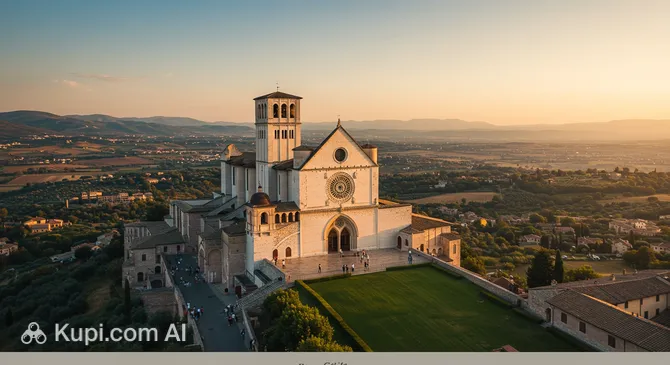
Basilica of Saint Francis of Assisi. Illustration.
Source: Kupi.com AI

Traveler photos:

The basilica's uniqueness lies in its two-level structure: it consists of two churches built on top of each other—the somber and mysterious Lower Church and the bright, spacious Upper Church. The monumental Sacro Convento monastery complex is adjacent to the church. Due to its exceptional architectural, historical, and artistic value, the entire complex has been designated a UNESCO World Heritage site.

A visit to the basilica is a chance to touch history and great art. Its walls are decorated with priceless 13th and 14th-century frescoes created by the era's greatest masters, such as Cimabue and Giotto. These paintings, which tell the life story of St. Francis, are considered a turning point in the history of Western art. It is a place where spirituality and beauty merge, leaving a lasting impression on every visitor.

Contacts

When planning a visit to the Basilica of St. Francis, keep in mind that official contact details, such as phone numbers or email addresses, can be difficult to find as they are not always publicly listed. This can make it a bit challenging to obtain specific information for your trip in advance.

Therefore, the most reliable way to find out current opening hours, visiting conditions, and tour details is to check the information on-site once you are in Assisi. Often, the most accurate and up-to-date information can be found on information boards at the entrance to the complex or at the local tourist office.

How to contactContact
AddressPiazza Inferiore di S. Francesco, 2, 06081 Assisi PG, Italy
Phone number+39 075 819001
Websitewww.sanfrancescoassisi.org

What to Do

The main reason art lovers from all over the world come here is to see the famous 13th-century frescoes depicting the life of St. Francis. Attributed to the great Giotto and his pupils, these paintings are considered true masterpieces of world art and key examples of Early Italian Renaissance painting. Seeing these frescoes is a chance to witness firsthand a turning point in art history.

A visit to the basilica is divided into several parts. You can walk through the spacious and bright Upper Church, home to the largest and most vibrant frescoes, where sunlight streams through rows of stained-glass windows. Then, you should head down to the Lower Church, which features a more intimate, tranquil atmosphere and impressive Gothic vaults. Each offers a completely different but equally powerful experience.

For many pilgrims and believers, the most important part of the visit is descending into the crypt where the relics of St. Francis are kept, making this site especially meaningful. In addition to the church itself, visitors can explore the monumental Sacro Convento monastery adjoining the basilica, which is an integral part of the entire complex.

Getting There

The Basilica of St. Francis is conveniently located in the historic center of Assisi, on a picturesque hill once known as "Hell Hill" and now called "Paradise Hill." You can reach Assisi itself by train or bus from major cities in Italy, such as Rome, Florence, or Perugia, making it accessible for travelers from all over the country. This makes it easy to include a visit to the basilica in your Central Italy itinerary.

Assisi railway station is located about 4 kilometers from the city center at the foot of the hill. From there, you can quickly reach the historic part of town and the basilica itself by local bus (Line C) or taxi. For those already in town, a pleasant walk from the central Piazza del Comune to the basilica takes about 10–15 minutes through charming medieval streets.

If you are traveling by car, it's important to remember that the historic center of Assisi is primarily a pedestrian zone. For the convenience of tourists, there are paid and free parking lots located outside the city walls. After leaving your car there, you can enjoy a leisurely stroll through the ancient town on your way to the great basilica.

Nearest city: Assisi

History & Facts

The history of the basilica is inextricably linked to the life and legacy of St. Francis himself. Construction began in 1228, just two years after his canonization, initiated by Brother Elias—one of the saint's closest companions. Interestingly, the site chosen for the church was a hill by the western walls of Assisi, which was popularly known as "Hell Hill" because it was where criminals were executed. After construction began, it was symbolically renamed "Paradise Hill" to emphasize the sanctity of the future church.

The basilica was consecrated in 1253, and it instantly became one of Italy's most important spiritual centers and the mother church of the Franciscan Order. The complex's architecture is unique, harmoniously blending the austere Romanesque style of the Lower Church with the elegant Italian Gothic of the Upper Church. It is the interior decoration that made the basilica world-famous. Its walls are adorned with priceless frescoes by the greatest 13th and 14th-century artists, including Cimabue and Giotto, whose works marked a turning point in the history of painting.

Centuries later, in 1997, the basilica was severely damaged by a powerful earthquake, which caused part of the vaults to collapse and led to the loss of some frescoes. However, thanks to extensive and painstaking restoration work, the complex was restored. In 2000, the Basilica of St. Francis, along with the Sacro Convento friary and other Franciscan sites in the city, was added to the UNESCO World Heritage list, confirming its outstanding cultural and spiritual importance to all of humanity.

Time Needed

When planning a visit to the Basilica of St. Francis, it's important to allow enough time to get the most out of your experience. For a complete and relaxed tour of the entire complex, including the Upper and Lower churches, the crypt, and the adjacent monastery, it is recommended to set aside at least 2–3 hours. This will allow you to not only see the main masterpieces but also feel the peaceful atmosphere of this holy place.

The length of your visit will depend on how deeply you wish to explore. A quick walk through the main halls can be done in an hour, but in that case, you will likely miss many details. Art lovers who want to study the famous frescoes by Giotto and Cimabue in detail may need more than three hours. Touring each of the two churches, descending into the crypt to the saint's relics, and walking through the monastery courtyards all require time and attention.

Therefore, to make your visit to this jewel of Assisi and all of Italy truly memorable, it's best to plan for two to three hours. This is the ideal amount of time to enjoy the grandeur of the architecture, the splendor of the frescoes, and the spiritual significance of this unique site without rushing.

Working Hours

The Basilica of St. Francis in Assisi is open to visitors year-round, although opening hours can vary. Generally, the church is accessible from early morning until evening, roughly from 8:30 AM to 7:00 PM. Keep in mind that the schedule may change depending on the season, church holidays, or special services. Therefore, it is highly recommended to check for current information on the basilica's official website before your visit.

The good news for travelers is that entry to the basilica itself is free, and no advance booking is required for a standard visit. However, if you want to dive deeper into the history and art of this unique site, it's worth booking an audio guide in advance (available in multiple languages) or joining an organized tour. This will ensure you don't miss important details and help you better understand the significance of the great frescoes and the church's architecture.

6:00 – 19:00

Nearby

A visit to the Basilica of St. Francis is undoubtedly the central event of any trip to Assisi. However, to truly soak up the atmosphere of this wonderful corner of Italy, it's worth taking the time to explore the surrounding area. The city is full of other significant historical and cultural sites located within walking distance of the basilica, which will help you get a fuller picture of its rich heritage.

Strolling through the medieval streets leading from the basilica is an adventure in itself. Around every corner, you might find cozy squares, ancient churches, or viewpoints offering breathtaking vistas of the Umbrian valley. Exploring the nearby sights will not only enrich your experience but also allow you to better understand the context in which St. Francis lived and preached.

NameDistance
Le Terrazze di Properzio0.3 km
Portico of Monte Frumentario0.5 km
Church of Saint Peter0.5 km
Roman Forum and Archaeological Museum0.8 km
Rocca Maggiore0.9 km
Piazza del Comune0.9 km
Church of Santa Maria sopra Minerva0.9 km

Have you reached the end of the page?

So the route has been studied inside and out