Support

Grosseto

About

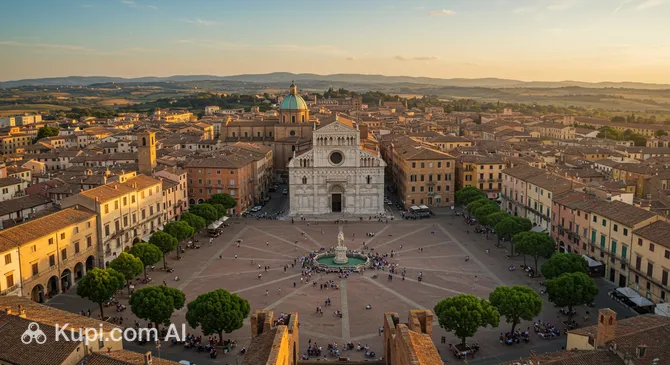
Grosseto is a true gem of southern Tuscany, nestled among the emerald plains of the Maremma region. Located just 12 kilometers from the Tyrrhenian coast, this city beautifully combines a relaxed pace of life with Italy's rich cultural heritage. Unlike the crowded tourist routes between Rome and Florence, an atmosphere of tranquility and authenticity prevails here, allowing visitors to truly immerse themselves in the local flavor.

The administrative center of the province, with a population of about 82,000, is surrounded by a ring of powerful fortress walls that are perfectly preserved to this day. These fortifications, built by order of Francesco de' Medici, turn the old center into an impregnable medieval citadel. The fascinating Grosseto's history comes alive on the cobbled streets, where you can wander for hours, enjoying the architecture and peeking into traditional trattorias.
Grosseto. Illustration.
Source: Kupi.com AI

The heart of the city is Piazza Dante, which often hosts colorful markets and city festivals. The main architectural landmark is the majestic Cathedral of San Lorenzo, whose facade is decorated with an elegant rose window and whose interior features colorful stained-glass windows. Travelers will particularly enjoy a walk along the wide fortress walls: they offer picturesque views of the city rooftops and the surrounding fields where vineyards turn green.

Grosseto is the perfect choice for those who dream of a leisurely vacation and want to get to know the "real" Tuscany. Here, you can easily combine beach relaxation on the Maremma coast with gastronomic discoveries and cultural walks, enjoying the harmony of nature and history.
Weather Overview

The climate in this part of Tuscany can be described as mild Mediterranean, making the city attractive for visiting almost year-round. When planning a trip, consider that the weather in Grosseto has distinct seasonality, where sultry summers contrast with a cool and more humid winter period.

The summer months are an ideal time for those who love heat and sun. In July and August, the average temperature stays around 25–26°C, with daytime maximums often exceeding 30°C. This is the driest season: for example, July averages only 3 rainy days, ensuring excellent conditions for relaxation.

Winter here is not harsh at all. In January and February, the air usually warms up to 8–9°C, and night temperatures rarely drop below +5°C. However, the shoulder seasons and winter can be rainy: November and May stand out as the "wettest" months, when the number of days with precipitation reaches 12–14.

Expect a hot, sunny summer with minimal rainfall and mild winters, during which rain occurs much more frequently.

Average monthly temperature

Average monthly precipitation

Interesting Facts

Beyond its main architectural monuments, Grosseto holds many fascinating stories and details that reveal themselves only to curious travelers. Here are a few facts that help to better understand the character of this Tuscan city:

  • The defensive walls, which have become the city's symbol, were built over a period of 19 years by order of the Medici family. Today, it is not just a monument of fortification, but also an excellent observation point: in some sections, you can climb to the gallery to admire the panorama of the old city and Tuscan landscapes from the height of a watchtower bastion.

  • In the main Piazza Dante stands a monument to Grand Duke Leopold II, whom locals still revere. The sculpture commemorates his large-scale reforms in the region and his care for the population, making the Grand Duke's figure one of the most beloved in Grosseto's historical memory.

  • The city stands on the site of an ancient Etruscan settlement, which later became an important Roman center. You can learn more about these deep roots and see rare finds by visiting the Maremma Archaeology and Art Museum, where the region's history is presented in meticulous detail.

  • The surroundings of Grosseto are not only vineyards but also the wild nature of the Maremma National Park. Here, you can still meet "butteri"—local cowboys who maintain a traditional way of life—and see herds of wild horses in their natural habitat.

Archaeological and Art Museum of Maremma. Illustration.
Source: Kupi.com AI

Traveler photos:

How to Get There

When planning a trip to the heart of the Italian Maremma, it is important to consider logistics in advance, as there may not be direct flights to the city itself. Grosseto is strategically located between Rome and Pisa, offering travelers several convenient routes. You can find all the details and consider all the ways to get to the city on our dedicated page, and below we will break down the main options for arriving through the nearest transport hubs.

Grosseto itself does not have an airport that accepts regular passenger flights, but you can fly into one of Tuscany's major air hubs. One of the most popular options is Pisa International Airport (IATA: PSA), located in the city of Pisa. It is approximately 118 km from Grosseto. This is a large transport hub with a high passenger flow. The journey from here by taxi or rental car takes about 1 hour and 50 minutes, with picturesque Tuscan views to pass the time.

An alternative is Florence Peretola Airport (IATA: FLR), located in Florence, about 117 km from your destination. This airport also serves millions of tourists annually. A car transfer from here to Grosseto takes approximately 2 hours. Choosing between Pisa and Florence often depends on ticket availability and flight schedules.

For clarity, here is a summary of the main airports located in relative proximity:

AirportPassenger trafficDistance
Marina di Campo Airport13 10771 km
Firenze-Peretola Airport3.5 mln116 km
Pisa International Airport5.5 mln118 km
Sant Egidio Airport532 474120 km
Bastia Poretta Airport1.5 mln136 km

Railway communication in Italy is excellently developed, and many tourists prefer to reach Grosseto by train, transferring in major cities. One of the main transit points is Roma Termini Station (IATA: XRJ) in Rome. It is located about 150 km from Grosseto. This is the country's largest station, from where trains regularly depart toward the Tuscan coast. If you decide to drive from Rome, the trip will take about 2.5 hours, but the train is often a more budget-friendly and peaceful option.

Another important hub is Firenze Santa Maria Novella Station (IATA: ZMS), located in Florence, 113 km from Grosseto. This is the central station of the Tuscan capital, receiving high-speed trains from all over Europe. From here, it is convenient to continue your journey by regional train or bus to Grosseto itself.

Below is a table with the nearest major railway hubs through which you can plan your route:

StationPassenger trafficDistance
Firenze Santa Maria Novella Station59 mln113 km
Firenze Campo di Marte Railway Station1.8 mln113 km
Roma Termini Station150 mln149 km
Ostiense Railway Station5.8 mln150 km
Tiburtina Railway Station51 mln150 km

Main Attractions

Grosseto offers guests a harmonious blend of historical discovery and modern leisure. The undisputed cultural centerpiece of the city is the Maremma Archaeology and Art Museum. This is a must-visit for anyone who wants to dive deep into the region's past: from the mysterious Etruscan civilization to the Roman era and the Middle Ages. The museum's exhibition is famous for its rich collection of artifacts found during excavations in nearby ancient cities like Roselle, allowing you to literally touch the millennial history of this land.

Those who want to switch from studying antiquities to a modern pace of life and quality shopping should visit the Aurelia Antica shopping center. This modern and spacious complex has become a popular attraction for shopping enthusiasts. It features a wide selection of shops and boutiques of famous brands where you can update your wardrobe. Additionally, the mall's comfortable atmosphere and developed infrastructure make it a great place to relax and hide from the summer heat while shopping.

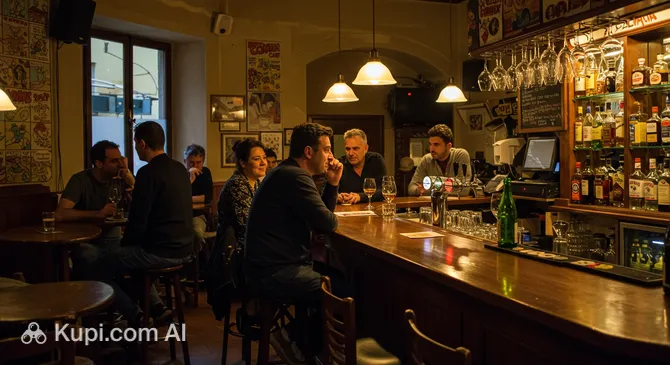
Comix Café. Illustration.
Source: Kupi.com AI

Traveler photos:

For fans of unusual venues and pop culture, Comix Café will be a real discovery. This atmospheric spot stands out from classic Italian bars with its unique interior and theme. Here, you can enjoy a cocktail surrounded by your favorite comic book characters, play board games, and feel the city's vibrant, youthful spirit. It is an excellent location for evening relaxation after a busy day of sightseeing.

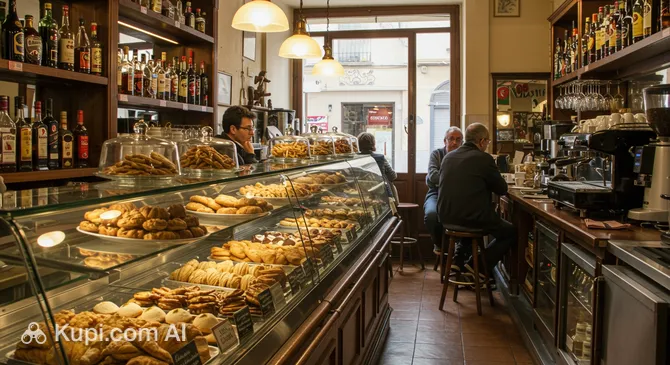
A gastronomic journey through Grosseto would be incomplete without dessert. Those with a sweet tooth are recommended to stop by the La Dolciaria Pastry Bar. This establishment is famous for its approach to traditional Italian sweets and pastries. Here, you can try the freshest cornetti, pastries, and cakes, which perfectly complement a cup of aromatic espresso or cappuccino, providing moments of true Italian indulgence.

Local Cuisine

Grosseto's cuisine is a gastronomic mirror of the Maremma region, where the simplicity of peasant traditions combines with the richness of nature's bounty. Here, they do not strive for complex culinary experiments, preferring to highlight the true taste of high-quality products: thick olive oil, fresh vegetables, game, and seafood. This is food with character, hearty and incredibly aromatic.

The main symbol of the local table is the soup acquacotta. This historical dish, once the staple of a shepherd's diet, is made from vegetables, stale bread, and eggs, creating a surprisingly rich flavor. Meat lovers must try cinghiale alla maremmana (Maremma-style wild boar)—a tender game stew slow-cooked with herbs and tomatoes. Due to its proximity to the coast, fresh fish and seafood are also always present on local menus.

Essenza Love Natural Food. Illustration.
Source: Kupi.com AI

Traveler photos:

A meal in Grosseto is unthinkable without a glass of good wine. The hallmark of these parts is the red Morellino di Scansano, produced in the vineyards surrounding the city. It perfectly complements the taste of meat dishes and local pecorino cheeses. As for street food, look for the crispy schiacciata flatbread or hot paninis with Tuscan ham in local markets and bakeries.

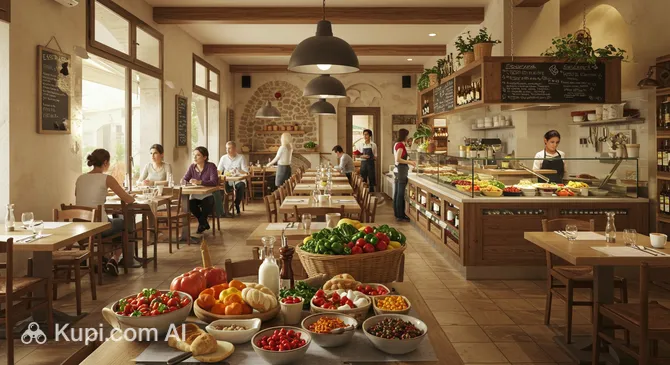
The food culture here is diverse: from bustling street food festivals to cozy family trattorias. If you are looking for a place where respect for natural ingredients meets a modern approach and a cozy atmosphere, look no further than the restaurant Essenza Love Natural Food. This is a great example of how Grosseto cares about product quality, offering guests healthy and delicious dishes.

Travel Tips

A trip to Grosseto promises to be peaceful and leisurely, but knowing a few local nuances will help you feel at home and avoid minor misunderstandings. We have gathered practical recommendations to make your stay in the heart of Maremma as comfortable as possible.

  1. Clothing and Dress Code. Summer in Grosseto is hot, so opt for light natural fabrics and don't forget a hat and sunglasses. For winter trips, an umbrella and a windproof jacket are essential. Since the historic center is paved with cobblestones, we strongly recommend bringing comfortable flat-soled shoes. When visiting the Cathedral of San Lorenzo, follow the dress code: shoulders and knees should be covered.
  2. Transport. The historic center is compact and is a pedestrian zone (ZTL), so it's best to explore it on foot. For trips to the sea, such as Marina di Grosseto, it's convenient to use the blue Tiemme buses. However, if you plan to explore surrounding wineries and nature parks, renting a car is the best solution.
  3. Finances and Payment. The official currency is the Euro (€). While cards are accepted in most restaurants and supermarkets, cash is often required in small bars, souvenir shops, and markets. In Italy, tipping is not mandatory, as a service charge ("coperto") is often included in the bill, but leaving a few euros in change or rounding up the bill is considered good manners.
  4. Health and Safety. Grosseto is a safe city, but basic vigilance in crowded places should not be neglected. Pharmacies are easily recognized by a green cross sign (Farmacia). Tap water here is of high quality, so you can safely drink it or fill bottles at street drinking fountains.
  5. Communication. In the tourist center, many people understand English, but in small shops, communication might only be in Italian. Learn simple words: "Buongiorno" (good day) and "Grazie" (thank you)—this always pleases the locals. Free Wi-Fi is available in many cafes, but for reliable connection, it's better to buy a local SIM card (a passport is required).
  6. Local Etiquette. Italians are very friendly and value politeness: always say hello when entering a shop or elevator. At food markets, there is a strict rule: never touch fruits and vegetables with your bare hands. Use the disposable gloves provided nearby or ask the vendor to weigh the items for you.
  7. What to Avoid. Don't plan dinner too early. Most trattorias open their kitchens for the evening meal no earlier than 7:30 PM, and Italians themselves arrive even later. Also, try not to order a cappuccino after lunch—locals consider it strictly a morning drink and may look at such an order with surprise.
  8. Opening Hours (Siesta). Remember the afternoon break ("riposo"). Many shops, banks, and even some churches close for lunch from approximately 1:00 PM to 4:00 PM. Plan shopping and important errands for the morning hours or after 4:30 PM.

Grosseto charms with its hospitality and lack of hustle. By following these simple tips, you can easily blend into the local rhythm of life. May your introduction to Tuscany be smooth and leave only the warmest memories!

Entertainment & Nightlife

Nightlife in Grosseto differs from that of noisy metropolises: you won't find massive rave clubs booming until dawn here, but you will immerse yourself in the cozy atmosphere of the Italian "dolce vita." Evening entertainment in the city centers around the culture of aperitivo, lively conversation, and enjoying wine. The epicenter of night activity is the historic center enclosed within the fortress walls, where ancient streets fill with young people and tourists as the sun sets.

The heart of evening life beats at Piazza del Sale and its surrounding alleys. This is where the concentration of bars and pubs is highest. Locals love to start the evening around 7:00 PM with a traditional aperitivo—a glass of Spritz or Prosecco with light snacks. The atmosphere here is very laid-back and safe; people often stand with their glasses right on the street, moving from one venue to another. The dress code in most places is casual, though Italians prefer to dress elegantly for wine bars.

If you're looking for a place with an original concept, be sure to check out Comix Café. This spot is popular not only during the day but also in the evening thanks to its excellent cocktail list and relaxed atmosphere, where creative youth gather. For those who prefer to end the evening with something sweet or seek a quieter place for late-night coffee and dessert, the La Dolciaria Pastry Bar is an excellent choice. Here, you can enjoy exquisite confectionery in a cozy setting—a great alternative to noisy bars.

La Dolciaria Pastry Bar. Illustration.
Source: Kupi.com AI

Traveler photos:

For shopping enthusiasts and those looking for a more modern leisure format, the Marame Shopping Center is worth considering. Although the shops close earlier than the bars, this place is great for an early evening: you can walk around, grab a snack, and simply enjoy your time in a modern space if the weather isn't suitable for outdoor walks.

Practical Tips and Safety:

  • Safety: Grosseto is a quiet city, and walking through the well-lit historic center at night is safe. However, as elsewhere, it is best to avoid dark, deserted alleys on the outskirts.
  • Transport: Public transport runs infrequently or stops operating at night. If your hotel is far from the center, save the number of a local taxi service in advance or ask a bartender to call a car—it is difficult to hail a taxi on the street here.
  • Prices: The cost of cocktails in bars ranges from 6 to 10 euros, and a glass of wine will cost around 4–6 euros.

Regarding daytime entertainment, the city's cultural life is not limited to museums. It's worth checking the schedule of the Teatro degli Industri—one of the city's main stages, hosting concerts and plays. For family leisure and peaceful walks, the city's green zones are ideal, such as the park on the fortress walls, which offers panoramic views of the city, or the park on Via Ximenes.

Parks & Museums

Grosseto is a city where history harmoniously intertwines with nature. For travelers wishing to take a break from the hustle and bustle and immerse themselves in a cultural context or enjoy the greenery, there are many interesting locations here. Museum halls hold thousand-year-old secrets, while city parks and surrounding nature reserves invite you for leisurely walks under the Tuscan sun.

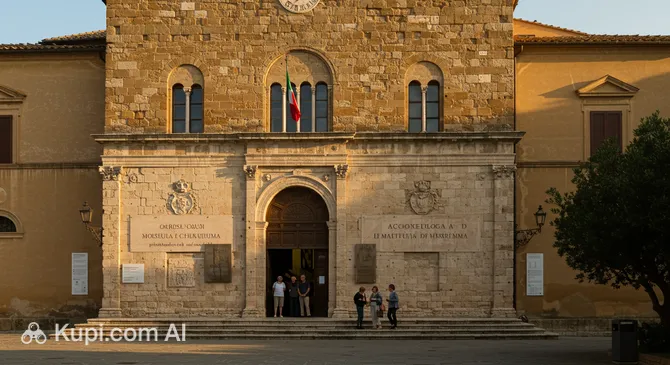
The main treasure trove of the region's historical heritage is the Maremma Archaeology and Art Museum. Located in the historic center on Piazza Baccarini, it occupies an elegant building that was once the Court Palace. The museum's exhibition is a fascinating journey through time: from the prehistoric era and the mysterious Etruscan civilization to the Roman conquest and the Middle Ages. Here you can see unique funerary urns, ancient ceramics, and items of sacred art that tell of the rich past of these lands.

Another important cultural center worth attention is the Maremma Natural History Museum. It will be especially interesting for families with children and nature lovers. Interactive exhibits and dioramas clearly demonstrate the diversity of the region's ecosystems, introducing visitors to the local flora and fauna. It's a great place to learn more about the environment before heading out to explore it in person.

A unique feature of Grosseto is its Fortress Walls (Mura Medicee). This is not just a 16th-century fortification, but a real green belt embracing the old city. The hexagonal perimeter of the walls has been transformed into a well-kept city park with alleys, benches, and shady trees. A walk along the bastions allows you not only to breathe fresh air but also to admire the panorama of tiled roofs and surrounding plains from an unusual perspective.

For those seeking communion with wild nature, just a few kilometers from the city lies the famous Maremma Nature Park (Parco della Maremma), also known as the Uccellina Park. This is a protected area where Mediterranean forests meet sandy dunes and the sea. There are hiking and cycling routes of varying difficulty, where you might encounter wild foxes, boars, and, of course, herds of horses grazing in the wild.

Getting Around

Grosseto's transport system is simple and intuitive, making moving around the city comfortable even for first-time visitors. Since the historic center, surrounded by fortress walls, is a pedestrian zone, the main way to see the main attractions remains walking. There are no subways, trams, or trolleybuses in the city, so buses are the primary and only form of public transport.

The bus network covers both residential neighborhoods (urban lines — urbano) and connects the center with the coast and surrounding towns (suburban lines — extraurbano). Buses are modern and generally air-conditioned. For tourists, routes connecting the railway station with the center are particularly important, as well as lines going to the sea, to the Marina di Grosseto area. Keep in mind that schedules vary greatly by season: in summer, there are significantly more trips to the beaches, while in winter and on Sundays, the intervals between buses increase.

The fare payment system in Grosseto is unified with the regional Tuscan system (operator Autolinee Toscane). Tickets can be purchased at newsstands and tobacco shops marked with a large "T" sign (Tabaccheria), as well as at machines at the station. There are single tickets valid for a certain period (usually 70–90 minutes) and passes for several trips. The most modern way to pay is through the "at bus" mobile app, where you can buy a digital ticket and plan your route. If you buy a paper ticket, don't forget to validate it in the yellow or green machine immediately upon boarding, otherwise you risk a substantial fine.

An excellent alternative to buses in Grosseto is the bicycle. The city is located on a plain, and elevation changes are minimal, making cycling easy and pleasant. There is a picturesque bicycle path about 10 kilometers long that leads directly from the city walls to the beaches of Marina di Grosseto. There are several rental points in the city where you can rent either a regular city bike or an e-bike for a few hours or the whole day.

Taxis in Grosseto do not work the same way as in major cities: it is not customary to hail a car by waving your hand on the street. You should look for a car at designated stands (for example, at the station or in Piazza Marconi) or call via a service like Radio Taxi. For those traveling in a rental car, it's important to remember the limited traffic zones (ZTL) in the historic center. Entry is permitted only for residents and special vehicles, and violations are recorded automatically by cameras, so it's better to leave your car in paid parking lots along the fortress walls.

Accommodation

Grosseto offers travelers a variety of accommodation options that provide a comfortable rest after busy walks through Tuscany. The range of housing here varies from budget guesthouses to elegant hotels, but the real highlight of the region is the agriturismo. These are traditional farm estates in the city's outskirts converted into hotels, where guests can enjoy peace, nature, and local organic products, while being only a few minutes' drive from the historic center.

When choosing an area to stay, you should consider your travel goals. If your priority is viewing architecture and evening walks along ancient streets, it's best to look for accommodation in the historic center, within the ring of fortress walls. Main attractions and restaurants are concentrated here. For tourists traveling by car, it might be more convenient to stay in the modern part of the city outside the walls, where parking is easier to find. And those who want to combine a cultural program with a beach holiday should consider options in the coastal district of Marina di Grosseto, located 12 km from the center.

Regarding planning, it's important to keep seasonality in mind. Grosseto and the Maremma coast are popular summer destinations. The peak demand occurs in July and especially August (the Ferragosto holiday period). At this time, prices reach their maximum, and the best options are booked up very quickly. Therefore, it is strongly recommended to book accommodation 2–3 months before your trip if you plan to visit during the high season.

The price range in Grosseto is generally more democratic than in Florence or Siena. Mid-range hotels and apartments prevail here. Budget travelers can find inexpensive B&Bs (Bed and Breakfasts), while comfort lovers can find high-quality four-star hotels or luxury villas in the countryside. Booking is most convenient through major international online platforms, although many small agriturismi also accept direct requests through their websites.

Nearby Cities

For those looking to explore the surroundings, Grosseto serves as an excellent starting point for day trips to several interesting nearby locations. The city's favorable position in the heart of Maremma allows travelers to easily reach both the famous historical centers of Tuscany and picturesque coastal resorts.

One of the most alluring destinations for a visit is Siena. This city, which has preserved its medieval appearance almost in its original form, is world-famous for its shell-shaped Piazza del Campo and magnificent Gothic cathedral. A trip here will allow you to plunge into the atmosphere of centuries-old history and enjoy architectural masterpieces.

If you prefer a seaside getaway, Follonica is an excellent choice. Located just half an hour away, this resort is famous for its long sandy beaches and pristine sea. It's the perfect place to spend a relaxed day on the coast, enjoying the sun and the pine-scented air.

Lovers of historical sites combined with sea views should visit Piombino. This ancient port city is interesting for its fortress, historical center, and Piazza Bovio—a huge terrace overlooking the sea, offering breathtaking views of the island of Elba.

CityPopulationDistance
Gavorrano8 56725 km
Roccastrada9 07428 km
Follonica21 30834 km
Orbetello14 74437 km
Piombino33 85551 km

These nearby destinations provide a glimpse into the diverse culture and landscapes of the region, harmoniously complementing the experience of visiting Grosseto itself.

Shopping & Souvenirs

General Overview. Shopping in Grosseto is characterized by a calm and relaxed atmosphere, free from the bustle of major metropolises. While the city doesn't claim to be a high-fashion capital, it offers a great balance between quality mid-range Italian brands, artisanal shops, and modern commercial spaces. It is an ideal place to buy genuine leather goods, casual clothing, and, of course, magnificent gastronomic souvenirs from the Maremma region.

Main Shopping Areas. The heart of the city's commerce is the historic center, particularly the pedestrian street Corso Carducci. Strolling along this main artery, tourists will find many boutiques with clothing, shoes, bags, and jewelry. The street is surrounded by picturesque buildings, making it easy to combine shopping with sightseeing or a coffee break. In the alleys off the Corso, small shops with local products and souvenirs are often hidden.

Shopping Centers. For those who prefer having many brands under one roof, modern malls operate in Grosseto. One of the most popular places is Aurelia Antica. This spacious shopping center offers a wide selection of clothing, electronics, and home goods stores, as well as a comfortable food court for relaxation. Another significant point of attraction is the Marame Shopping Center, which also features an excellent range of mass-market brands and has a large hypermarket for groceries.

Markets. To feel the true Italian flavor, it is worth visiting the weekly city market, which usually takes place on Thursday mornings in the area of the stadium and Via Ximenes. Here you can buy literally everything: from the freshest farm cheeses and fruits to inexpensive clothing and textiles. There is also a covered market (Mercato Coperto) in the city, where you can always find high-quality locally produced food.

Souvenirs. From Grosseto, you should primarily bring back the "tastes of Tuscany." Look for the red wine Morellino di Scansano, which is the pride of local winemakers, and high-quality olive oil. Pecorino cheese of various ages or traditional wild boar sausages make excellent gifts. Additionally, local ceramics and handmade leather goods are highly valued for their durability.

Opening Hours and Payment. When planning a shopping trip, it's important to remember the traditional break—the siesta. Most small shops in the center close for lunch from approximately 1:00 PM to 3:30 PM or 4:00 PM. Large shopping centers usually work without breaks until 8:00 PM or 9:00 PM. Sunday is often a day off for small shops. Bank cards are accepted almost everywhere, but it's better to have cash euros for purchases at the market or kiosks.

Tax Free. Tourists residing permanently outside the European Union can use the tax refund system (Tax Free) for purchases over a certain amount (usually over 70 euros, but rules may change) on a single receipt. Look for "Global Blue" or "Tax Refund" logos in shop windows and don't forget to ask the seller for the special form to claim the VAT refund when leaving the country.

Reached the end of the page?

That means the route is fully explored