Support

Palermo Botanical Garden

About

The Palermo Botanical Garden (Orto Botanico di Palermo) is not just a scenic spot in Palermo, but a true scientific treasure of Italy. Located on the sunny island of Sicily, this garden is an important research center closely linked to the Botany Department of the local university. It is rightfully considered one of the most significant botanical gardens in the Mediterranean, attracting both scientists and curious travelers.
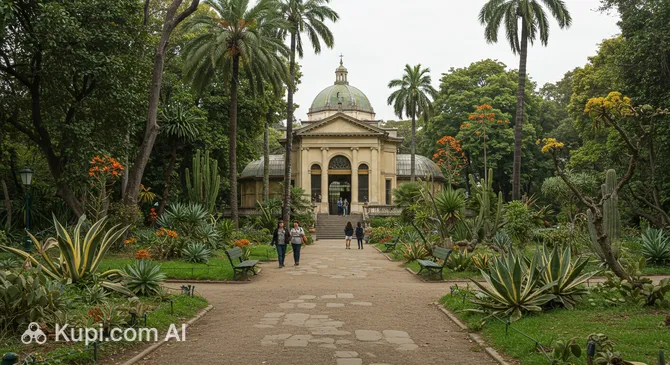
Palermo Botanical Garden. Illustration.
Source: Kupi.com AI

Traveler photos:

The main pride of the garden is its impressive plant collection gathered from all corners of the planet. Across its vast territory, both endemic Sicilian species and exotic flora from distant lands thrive. This diversity makes the Palermo Botanical Garden unique not only for Italy but for all of Europe. Many of the plants presented here serve as subjects for scientific research and are used in educational programs, opening the wonderful world of botany to visitors.

A walk through the Palermo Botanical Garden is an opportunity to immerse yourself in an atmosphere of peace and harmony, enjoy the beauty of nature, and learn something new. Shady alleys, fragrant flowers, ancient greenhouses, and themed sections create a unique space for relaxation and discovery. It is a place where you can spend hours admiring rare plants and discovering the amazing biodiversity of our planet.

Contacts

To find the most up-to-date information regarding opening hours, ticket prices, and contact details for the Palermo Botanical Garden, we recommend visiting its official website. Additional details can also be obtained from tourist information centers in Palermo.

The garden is a well-known landmark and is generally easy to reach via public transport or taxi within the city.

How to contactContact
AddressVia Lincoln, 2, 90133 Palermo PA, Italy
Phone number+39 091 2389 1236
Websitewww.ortobotanico.unipa.it

What to Do

At the Palermo Botanical Garden, visitors can expect a fascinating journey into the world of flora. You can take a leisurely stroll through picturesque alleys, admiring the diversity of the plant kingdom. The majestic palm groves and historic greenhouses, where tropical and subtropical plants are carefully cultivated, are particularly striking. Additionally, the garden is divided into themed sections dedicated to medicinal, ornamental, and aquatic plants, allowing for a deeper look at specific groups of flora.

Beyond contemplating exotic and rare species, the Palermo Botanical Garden offers many other activities. It is a wonderful spot for photographers seeking inspiration in natural shapes and colors, as well as for those who simply want to take a break from the city bustle in the shade of sprawling trees. The garden is also actively used for educational purposes: it frequently hosts guided tours, exhibitions, scientific events, and lectures on botany and nature conservation. For young visitors and students, special programs and interactive classes are organized, making their introduction to the world of plants even more engaging.

Getting There

The Palermo Botanical Garden is conveniently located in the central part of Palermo, adjacent to the famous Villa Giulia public park. Thanks to this central location, getting there is quite simple. Many tourists prefer to walk, as the garden is only a 15–20 minute stroll from most popular tourist sites in the city center. This is a great opportunity to combine a visit to the garden with some sightseeing along the way.

For those who prefer public transportation, city buses and trams run to the Palermo Botanical Garden. Stops are located in the immediate vicinity of the entrance, making this a very convenient option. Information on routes and schedules can be checked on-site or at tourist information centers.

If you are traveling by car, there are parking areas near the botanical garden. Additionally, taxis are always available and can easily take you to the destination from anywhere in the city. Another popular and pleasant way to reach the garden, especially for those who want to actively explore the historic center of Palermo, is by rented bicycle.

Nearest city: Palermo

History & Facts

The history of the Palermo Botanical Garden dates back to the end of the 18th century. Its foundation in 1779 was initiated by the Royal Academy of Palermo, now known as the University of Palermo. The initial noble purpose of the garden was to cultivate medicinal plants necessary for student training and scientific research in botany and medicine. This was a time when botanical gardens played a key role in the advancement of science and education.

The first site for the garden was allocated near the bastion of the Porta Carini gate, and by 1781, the first garden was established there. However, it soon became evident that this location was too small to fully realize the ambitious plans for developing the collection. The need for more space to accommodate the growing number of plants and scientific requirements led to the decision to move the garden to a more suitable territory.

A new era for the Palermo Botanical Garden began in 1795, when it officially opened at its new, much larger location. The garden spread across the picturesque Sant'Erasmo plain, next to Villa Giulia, with an initial area of about 12,000 square meters. This event marked the birth of a major botanical center that has been continuously developing ever since, enriching its collection and continuing to play an important role in the scientific and cultural life of Palermo and all of Italy.

Time Needed

To fully enjoy the beauty and diversity of the Palermo Botanical Garden, it is recommended to set aside at least 2–3 hours for your visit. This time is generally enough to leisurely walk along the main scenic paths, look into the historic greenhouses with exotic plants, and see the garden's most interesting collections.

In two to three hours, you will be able to get a general impression of the garden's scale, its layout, and its unique exhibits. You will have time to admire both local Sicilian species and flora from all over the world. Of course, if you are a passionate botany enthusiast or wish to study specific sections in detail—such as the succulent or aquatic plant collections—you might need more time. However, for most visitors, this interval is optimal for a pleasant and educational visit.

Working Hours

The Palermo Botanical Garden is usually happy to welcome guests throughout the year, but specific opening hours may vary depending on the season, the day of the week, or special events. Generally, the garden stays open longer during the summer period, while visiting hours may be reduced in winter. To plan your visit effectively and avoid any misunderstandings, it is strongly recommended to check the current schedule directly on the official website of the Palermo Botanical Garden or confirm the details at tourist offices in Palermo before your trip.

Regarding ticket purchases and the need for advance booking: for popular attractions, especially during the high tourist season, it can sometimes be useful to purchase tickets online in advance if available. This can help save time and guarantee entry. Current information on ticket prices, available discounts, and whether pre-registration or online ticket purchase is required should also be checked on the garden's official website or confirmed upon arrival in Palermo.

DayOpening hours
Monday9:00 – 20:00
Tuesday9:00 – 20:00
Wednesday9:00 – 20:00
Thursday9:00 – 20:00
Friday9:00 – 20:00
Saturday9:00 – 20:00
Sunday10:00 – 20:00

Nearby

A visit to the Palermo Botanical Garden is undoubtedly a highlight, but exploring its surroundings can make your journey through Palermo even more rewarding and memorable. Just a few steps from this green oasis, other interesting sites await that tell more about the history, culture, and atmosphere of this amazing Sicilian city.

Exploring nearby attractions will allow you to dive deeper into the multifaceted life of Palermo. You can easily combine a peaceful stroll through the garden with visits to historical monuments and art galleries, or simply enjoy a cup of coffee at one of the authentic local cafes while soaking up the city's character. Below is a list of some interesting places located nearby.

NameDistance
Bar Vabres0.4 km
Palazzo Abatellis0.4 km
Teatro Santa Cecilia0.6 km
CuFu0.6 km
Porta Felice0.7 km
Church and Monastery of Saint Catherine of Alexandria0.9 km
Quattro Canti1 km

Have you reached the end of the page?

So the route has been studied inside and out