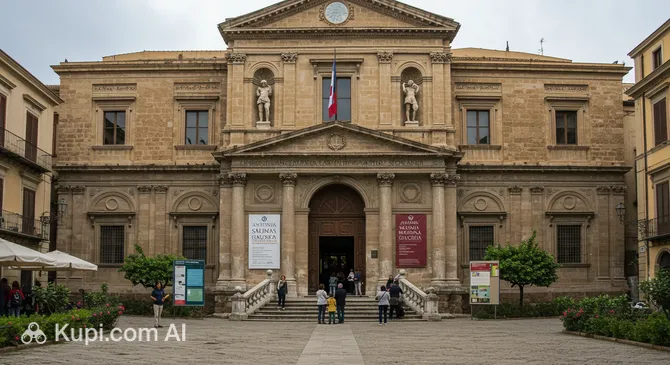
The Antonio Salinas Regional Archaeological Museum is a true treasure trove for anyone interested in ancient history, located in the heart of Palermo on the picturesque island of Sicily, Italy. The museum boasts one of the richest and most significant archaeological collections in the country, vividly reflecting Sicily's centuries-old history through all its stages of development. The museum is named after Antonio Salinas, a prominent archaeologist and numismatist of the late 19th century, whose contribution to the study of the island's past is truly invaluable.
Traveler photos:
The museum is housed in the historic Olivella building complex, which is an architectural monument in its own right. This complex includes the former Church of Sant'Ignazio (Chiesa di Sant'Ignazio) and the Oratory of Saint Philip Neri. Initially, from the late 16th to the late 17th centuries, these buildings served as a monastery for the fathers of the Congregation of Saint Philip Neri, with the project designed by the famous Italian architect Antonio Muttone.
Following the unification of Italy in 1866 and the subsequent suppression of religious orders, the building was transferred to state ownership. It was soon converted into a museum, which to this day opens its doors to visitors eager to immerse themselves in the fascinating world of antiquity. A visit to the Antonio Salinas Regional Archaeological Museum is a unique opportunity to see artifacts from Phoenician, Greek, Roman, and other civilizations that left their mark on Sicilian soil.