Support

Suwa Shrine

Nearby places of interest

About

Suwa Shrine, located in Kashiwa, is an important Shinto shrine and part of an extensive network of similar temples throughout Japan. These shrines are among the oldest Shinto religious centers, offering visitors a chance to connect with the country's deep spiritual traditions.
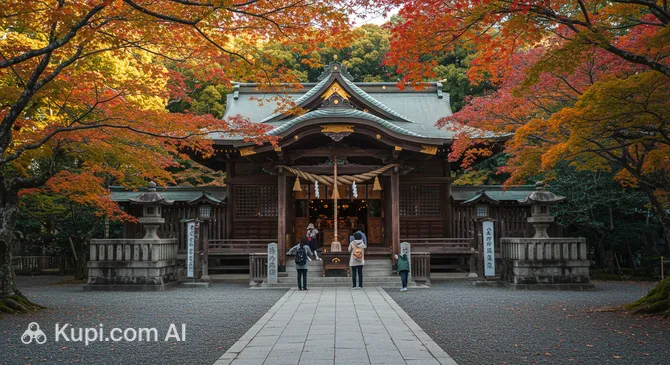
Suwa Shrine. Illustration.
Source: Kupi.com AI

Traveller photos:

Suwa shrines are traditionally dedicated to the deity Takeminakata-no-kami and his consort Yasakatome-no-kami. The main complex, Suwa Taisha, belongs to the prestigious group of "shrines of the creation of the land" (kunizukuri-jinja), emphasizing their fundamental importance in Japanese mythology and history. Visiting such a shrine, even one of its many branches like the one in Kashiwa, provides an opportunity to feel a connection with centuries-old beliefs.

One of the most famous ritual features associated with the Suwa cult is the grand Onbashira Festival, held every six years, during which massive wooden pillars (onbashira) at the main shrine are replaced. Although not every branch may hold ceremonies on such a grand scale, the spirit of this tradition and deep reverence for nature permeate the atmosphere of all Suwa shrines. The existence of more than 10,000 such shrines across the country is a testament to the wide reach and resilience of this ancient cult, making each one, including Suwa Shrine in Kashiwa, an interesting point for exploring Japanese culture.

Contacts

For the most up-to-date information on the Suwa Shrine opening hours, scheduled events, or other visitor-related inquiries, it is recommended to visit the shrine's official website. Additional information can also be obtained from tourist information centers in the city of Kashiwa or through other local resources.

How to contactContact
Address655 Komagi, Nagareyama, Chiba 270-0132, Japan
Phone+81 4-7154-7377
Websitewww.suwano-mori.com

What to Do

Visiting Suwa Shrine in Kashiwa is an opportunity to connect with the ancient traditions of Japan. Here, guests can participate in traditional Shinto rituals and prayers, immersing themselves in an atmosphere of spirituality and calm. One of the main features of the shrine is its unique architecture, which clearly demonstrates the canons of ancient Shinto temple design. A walk through the grounds allows you to appreciate the craftsmanship of past builders and feel the connection between eras.

Inside the temple buildings, visitors can closely examine various religious artifacts and ritual objects. These exhibits not only have artistic value but also tell the rich history and beliefs associated with Suwa Shrine. Studying these items allows for a deeper understanding of the cultural significance of this site and its role in the spiritual life of the region.

The Onbashira Festival is of particular interest to travelers—a grand event that takes place every six years and involves the replacement of the temple's ritual pillars. Witnessing this centuries-old cultural ritual is a stroke of great luck. Besides this, it is worth noting the picturesque surroundings of the shrine, which are perfect for peaceful walks and contemplation, allowing visitors to enjoy the harmony of nature and architecture.

Getting There

There are several ways to reach Suwa Shrine in Kashiwa, depending on your location and preferences. Japan is famous for its advanced public transportation system, so this is usually the most convenient and cost-effective option.

If you are already in Kashiwa, you can most likely reach the shrine by local bus or train. Check which bus routes pass near the shrine or which railway station is the closest. From the station, you may need to walk a short distance or take a brief bus ride. In Japan, stations usually feature detailed neighborhood maps and signs pointing to popular attractions.

Another option is to take a taxi, especially if you are traveling in a group, have luggage, or if the shrine is located somewhat away from major transport hubs. A taxi ride from central Kashiwa or the nearest major station will be more comfortable but also more expensive. Alternatively, if the shrine is not too far from your hotel or another stop on your itinerary, a pleasant walk can be a great way to better explore the neighborhood.

Nearest city: Kashiwa

History & Facts

Suwa Shrine in Kashiwa is part of an ancient and significant network of Shinto shrines in Japan dedicated to the deity Takeminakata-no-kami. The first mentions of the main shrine of this network, Suwa Taisha, appear in ancient Japanese chronicles. For instance, the "Nihon Shoki" records that an imperial envoy was sent to the temple as early as 690 AD, during the reign of Empress Jito. The "Records of Ancient Matters" (Kojiki), dating back to the 8th century, state that the shrine was founded in honor of Takeminakata-no-kami, who, according to mythology, took refuge in the Suwa lands after being defeated in a struggle for power over the Izumo region.

During the medieval period, the main Suwa Shrine held the status of ichi-no-miya, meaning it was the primary shrine of Shinano Province. This highlighted its special importance and influence in the region. In the 19th century, during the Meiji era, significant changes occurred: in 1872, the Upper (Kamisha) and Lower (Shimosha) shrines of Suwa Taisha were unified into one. Initially, it was granted the status of "kokuhei-chusha" (national shrine of medium rank), and later, in 1896, its rank was raised to "kanpei-chusha" (imperial shrine of medium rank). The culmination came in 1916 when it was awarded the highest rank of "kanpei-taisha" (grand imperial shrine), which the shrine maintained until the abolition of the state support system for Shinto shrines after the Second World War.

It is also interesting that some Suwa shrines, such as the one in Nagasaki, were founded in a later period, specifically in 1614. This time coincided with Tokugawa Ieyasu's edict directed against Christianity. The establishment of such shrines aimed to encourage the population to return to the traditional Japanese religion of Shintoism, strengthening its position in society. While this information pertains to other shrines in the Suwa network, it reflects the general historical role and significance of these sacred sites across different periods of Japanese history.

Time Needed

When planning a visit to Suwa Shrine in Kashiwa, you should expect to spend about 1-2 hours exploring it. This time is generally sufficient to take a leisurely stroll through the shrine grounds, appreciate its architecture, soak in the peaceful atmosphere, and take commemorative photos.

During this time, you can see the main buildings of the complex, observe rituals if any are being held during your visit, and simply enjoy the tranquility of the site. If you wish to delve deeper into the shrine's history, study its decorative details, or spend more time in meditation, your stay may naturally be longer.

It is also worth noting that during festivals or special holidays, the shrine grounds may have more visitors, which could also affect the time needed for your visit. However, for a standard introductory visit, a couple of hours will be quite enough to get a general impression of Suwa Shrine.

Working Hours

Suwa Shrine in Kashiwa, like many Shinto shrines in Japan, is likely open to visitors year-round. Shrine grounds are often accessible 24/7; however, the operating hours for administrative offices, souvenir shops, or specific ceremony times may be limited. Precise information regarding the opening hours of Suwa Shrine itself and whether advance booking is required for visits or participation in any events is currently unavailable.

Before your visit, we recommend checking the current opening hours and any possible restrictions on the shrine's official website (if available) or at local tourist information centers in Kashiwa. This will help you plan your visit effectively and avoid any potential inconvenience.

5:30 – 17:00

Nearby

A visit to such a significant landmark as Suwa Shrine is an impressive experience in itself. However, to truly immerse yourself in the atmosphere of Kashiwa and feel the many facets of this place, it is worth spending time exploring its surroundings. Often, it is the short walks and unexpected discoveries nearby that reveal new sides of the city and make a trip even more rewarding and memorable.

Exploring nearby sites will allow you to better understand the cultural and historical context of Suwa Shrine, as well as discover other interesting places that can be a pleasant addition to your itinerary. Whether it's cozy cafes, other shrines, or picturesque parks—the surroundings often hide real gems. Below is a list of some attractions located nearby.

NameDistance
Sanchiya1.1 km
Kashi Bar3.2 km
The Mason's Shisha Lounge3.4 km
Outdoor Chill Dining Warmth3.6 km
Because Hostess Bar3.6 km
Kashiwa Shrine3.6 km
Hitachidai Park4 km

Reached the bottom of the page?

Looks like you know this route inside out