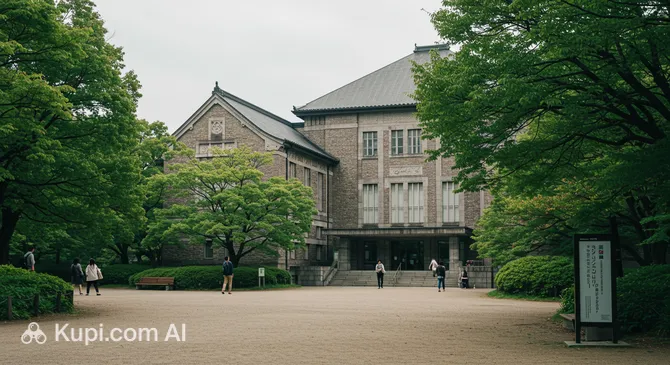
The Osaka Museum of Natural History is a large-scale space dedicated to the harmony between humans and nature, located in the picturesque Nagai Park. This museum in Japan invites guests on a fascinating journey through time, revealing the secrets of the evolution of life on Earth and the specific characteristics of the region's ecosystems.
Osaka Museum of Natural History. Illustration.
Source: Kupi.com AI
Traveler photos:
The exhibition is striking in its diversity: it features giant dinosaur skeletons, the bones of a majestic whale, and detailed reconstructions of ancient animals. The museum serves as an important scientific and educational center where visitors of all ages can learn about specimens of flora and fauna and understand the complex structure of the world around us. A visit here is often included in itineraries when traveling to Nara or Osaka.
The uniqueness of the museum lies in its "Nature and Man" concept, which clearly demonstrates how life evolved and what role human activity plays in this process. Thanks to its rich collection of geological and biological specimens, this place is rightfully considered one of the most prominent natural science centers in the country.
Contacts
When planning your visit to the Osaka Museum of Natural History, it is a good idea to check the latest contact information in advance. We recommend verifying any potential changes to the opening hours on official resources before starting your walk around Nara and its surroundings.
Inside the halls of the Osaka Museum of Natural History, visitors can encounter prehistoric giants and the modern inhabitants of our planet. The main magnet for tourists remains the paleontology halls, featuring full-sized skeletons of dinosaurs and marine mammals. Here, you can spend hours examining the structural details of ancient creatures, vividly imagining what the Earth looked like millions of years ago.
For those who prefer to study living nature, the museum offers extensive departments dedicated to insects, birds, and plants. Interactive and visual exhibits allow you to do more than just look at the displays; they help you delve into the essence of biological processes. It is an ideal spot for a family outing, where children and adults can discover the worlds of ecology and geology together.
In addition to permanent exhibitions, the museum regularly hosts themed programs and temporary exhibits highlighting the latest scientific discoveries. You can conclude your visit with a stroll through the surrounding park to reinforce what you've learned while observing nature in its natural state.
Getting There
The Osaka Museum of Natural History is located in the southeastern part of the city at 1-23 Nagai Park, Higashisumiyoshi-ku. The most convenient way to reach it is by using the city's extensive public transport network. The nearest arrival point is Nagai Station, from which the entrance to the museum is about a 10–11 minute walk through the green area of the park.
If you are traveling from central districts, it is easiest to take the Osaka Metro Midosuji Line to the station of the same name. You can also use the JR Hanwa Line, which also stops at Nagai Station. For those who prefer to travel by private or rental car, organized parking is available on-site.
Nearest city: Nara
History & Facts
The Osaka Museum of Natural History was created not merely as a storage for artifacts, but as a living scientific and educational platform. Its primary mission is the systematic analysis of natural changes and explaining how the modern world came to its current state. Since its founding, the museum has emphasized the deep interconnectedness between the structure of nature and everyday human life.
The museum's location in Nagai Park was chosen intentionally: it is one of the city's largest and most famous green zones, allowing a museum excursion to turn into a full day in the fresh air. The museum has long been an essential part of the cultural landscape and has earned recognition as one of the leading natural science centers in Japan.
Interestingly, the museum's collection is constantly updated, reflecting the latest achievements in paleontology and biology. The site's popularity among both locals and international tourists confirms its significance as a place where complex science becomes accessible and understandable to every guest.
Time Needed
For a quick overview of the main halls of the Osaka Museum of Natural History, experts suggest setting aside at least 60 minutes. This is enough time to see the main "hits" of the collection, including the impressive dinosaur skeletons, and get a general impression of the exhibits.
However, if you are inclined to study all sections in detail, enjoy reading the information plaques, or plan a thorough photo session, it is better to allow 1.5 to 2 hours. A more thoughtful exploration, including temporary exhibitions, can take about 3 hours, especially if you are visiting with family and want to give attention to every interactive display.
Working Hours
The operating hours of the Osaka Museum of Natural History change depending on the season: from March to October, its doors are open from 9:30 AM to 5:00 PM, while during the winter period (November to February), the museum closes half an hour earlier, at 4:30 PM. When planning your time, please note that admission ends 30 minutes before the official closing time.
Please take into account that the museum is usually closed on Mondays. However, if a national holiday falls on a Monday, the museum remains open, and the closing day is moved to the following working day. The museum also does not accept guests during the New Year holidays, from December 28th to January 4th inclusive.
Day
Opening hours
Monday
Closed
Tuesday
9:30 – 17:00
Wednesday
9:30 – 17:00
Thursday
9:30 – 17:00
Friday
9:30 – 17:00
Saturday
9:30 – 17:00
Sunday
9:30 – 17:00
Nearby
A visit to the Museum of Natural History can be perfectly combined with exploring other iconic sites in the region. This will make your trip to Nara and the surrounding areas even more fulfilling and varied. For example, just a few kilometers away is the magnificent Sumiyoshi Taisha shrine, renowned for its unique ancient architecture.
Additionally, panoramic view enthusiasts can head to the Abeno Harukas skyscraper to look down on the city blocks from a great height, or relax in the peaceful atmosphere of Sumiyoshi Park. The variety of interesting locations nearby allows you to create the perfect full-day itinerary combining science, history, and modern entertainment.