Support

Shimojishima

About

Shimojishima is a picturesque island corner located in the heart of the Ryukyu archipelago, part of Okinawa Prefecture. This place is perfect for those who want to see how diverse, tropical, and peaceful Japan can be. Thanks to its location in the southern part of the country, washed by the warm waters of the Pacific Ocean, it enjoys a mild subtropical climate that attracts sun and sea lovers year-round.

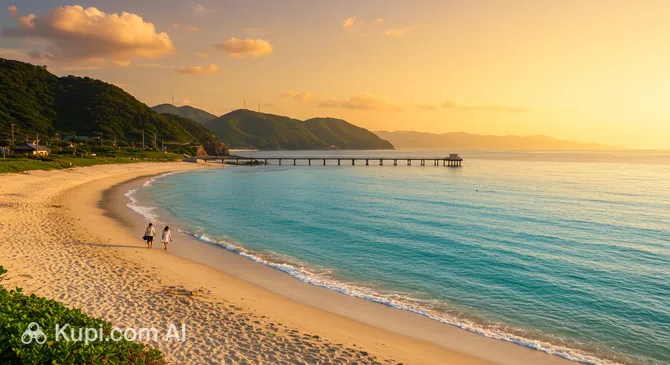
Shimojishima. Illustration.
Source: Kupi.com AI

The atmosphere here is strikingly different from the rhythm of major metropolises. The small population creates a sense of comfort and tranquility, making the resort an ideal place for relaxation and "rebooting." While the area is primarily known for its natural beauty, Shimojishima's history also makes an important contribution to the region's unique character, harmoniously intertwining with the traditions and daily life of the locals.

The city's main pride is its incredible nature. Travelers can expect pristine beaches with snow-white sand and crystal-clear water that hides a rich underwater world, making the location a true paradise for divers and eco-tourism enthusiasts. Additionally, you can discover authentic Okinawan crafts and enjoy local gastronomy here. Shimojishima is a must-visit for those seeking harmony, silence, and the living breath of nature.

Weather Overview

The island's climate can be described as humid subtropical, ensuring comfortable conditions for travelers almost year-round. Winters here are surprisingly mild: in January and February, the average temperature stays at 19–20°C, and the thermometer rarely drops below 18°C. With the arrival of spring, the air warms up quickly, reaching a comfortable 25°C by May, and summer greets guests with stable heat around 28–29°C.

When planning a trip, it is important to consider the high humidity and probability of precipitation in any season. Even the detailed weather in Shimojishima often shows from 14 to 19 rainy days per month, although rains are often short-lived. Expect a hot summer with frequent tropical downpours and a very warm winter, which, despite occasional precipitation, is great for exploring the island.

Average monthly temperature

Average monthly precipitation

Interesting Facts

Shimojishima is not only about picturesque landscapes but also a place where ancient legends and unique traditions intertwine. Beyond its main attractions, this corner holds many fascinating secrets that will reveal themselves to the curious traveler.

  • Ryukyu Kingdom Heritage. The island's history is closely intertwined with the era of the powerful Ryukyu Kingdom, whose influence is still felt today. Locals carefully preserve ancient crafts, such as the art of weaving and fine wood carving, passing down the secrets of mastery from generation to generation.

  • Sanctuary of Rare Nature. The island plays a vital role in preserving a unique ecosystem. Shimojishima is known as a haven for rare species of subtropical flora and fauna, attracting not only tourists but also researchers wishing to see the untouched beauty of wildlife.

  • Mystical Guardians. Local folklore is filled with stories about nature spirits who, according to legend, guard the island and its people. These legends give walks around Shimojishima a special mystical touch, making you look at the surrounding forests and rocks in a new way.

  • Cult of the Sea. For the residents of Shimojishima, the ocean is not just a source of food but a part of their spiritual culture. Fishing here is elevated to an art form, and the calendar of events is packed with festivals and rituals dedicated to the sea and gratitude for its generous gifts.

How to Get There

Shimojishima is an island gem, and the journey here is an exciting adventure in itself. Given its geographical location, the main and most convenient way to get here is by air. However, depending on your route, you can combine various modes of transport. You can find out all the ways to get to the city and choose the most suitable one for your trip.

The most direct route is to use the local air hub. Airport Shimojishima (IATA: SHI) is located in the immediate vicinity of the central part, just 1.3 km away. It is a modern terminal that accepts both domestic and some international flights. Due to its close proximity, a taxi or bus ride to your hotel will take only a few minutes.

An alternative and very popular option is flying into the neighboring city of Miyako. Miyako Airport (IATA: MMY) is located about 14.8 km from Shimojishima. Although the airport is on a neighboring island, they are connected by the picturesque Irabu Bridge, so a transfer by car or taxi will take about 30–40 minutes, offering magnificent ocean views along the way. This is a major transport hub with high passenger traffic, offering more flight options.

If you are planning a complex trip across the islands of Okinawa Prefecture, you might consider flying through New Ishigaki Airport (IATA: ISG). It is located in Ishigaki City, about 111 km from Shimojishima. This is a large airport, but to reach your final destination, you will need an additional domestic flight or sea connection, which will take significantly more time.

For clarity, here is a summary of the main airports in the region:

AirportPassenger trafficDistance
Shimojishima550 0001 km
Miyako Airport1.7 mln15 km
Painushima Ishigaki Airport2.6 mln111 km
Yonaguni Jima177 041225 km
Kume-jima Airport221 325232 km

As for rail connections, there are no railways on Shimojishima, just like on most islands of the Ryukyu archipelago. Land travel is primarily by rental car, taxi, or bicycle, allowing you to leisurely enjoy the tropical scenery.

Main Attractions

Despite its compact size, Shimojishima offers travelers a unique set of natural beauties that are hard to find anywhere else. The island's main attractions are closely linked to the sea and the region's geological features, creating ideal conditions for contemplative relaxation and water adventures.

One of the most photographed locations is 17 End. This spot is located on the northern tip of the island, right by the airport runway. It got its name from the aviation designation for the landing course—170 degrees. Tourists come here for the incredible water color, known as "Miyako Blue," and the chance to see planes landing against the backdrop of the azure sea. During low tide, a picturesque sandbar with snow-white sand is revealed, where you can walk and feel as if you are in the middle of the ocean.

Another mystical and exciting place is the Toriike Ponds. These are two deep karst lakes connected by an underground channel that also leads to the open sea. Due to this connection, the water level in the ponds changes with the tides, and the layers of fresh and salt water create a unique optical effect. The site is surrounded by dense vegetation and sharp rocks, and the water has a deep dark blue hue. Toriike is shrouded in many local legends, and for experienced divers, it is a popular dive spot that allows swimming from the lake directly into the ocean through an underwater arch.

Underwater world enthusiasts should definitely visit Nakanoshima Beach. This natural bay, protected from strong waves by rocks, is considered one of the best snorkeling spots in the region. Coral reefs start almost right at the shore, and the variety of tropical fish is staggering—you can even encounter clownfish here. Since the beach is wild, there is no noisy infrastructure, allowing you to enjoy pristine nature in silence and solitude.

Local Cuisine

Shimojishima's cuisine is a true gastronomic journey into the world of Okinawan flavors, where traditions intertwine with the gifts of tropical nature. The basis of the local diet consists of the freshest seafood caught in coastal waters, juicy pork, and a variety of local vegetables. Food here is not just for satisfying hunger, but a way to touch the culture of long-livers, as many ingredients are considered healing.

Among the dishes you must try, first place goes to "Sofu". This is a traditional Okinawan soup with thick wheat noodles, prepared in a rich broth with tender pork and local spices. Meat lovers will also enjoy "Rafute"—pork belly that is slow-braised in a sweet sauce with soy and brown sugar until it becomes so soft that it literally melts in your mouth.

Special attention should be given to the local delicacy "Umibudo", or "sea grapes." This is a type of seaweed whose clusters resemble tiny green roe that pop on the tongue with a refreshing sea taste. They are usually served with a vinegar sauce as a light snack. For dessert or as a snack at street markets, you can find tropical fruit sweets, such as mango or pineapple, as well as fresh seafood snacks.

Speaking of drinks, one cannot fail to mention awamori—a traditional Okinawan alcoholic beverage often called "island sake," though its production technology is closer to distillates. It is drunk diluted with water and ice. Among non-alcoholic drinks, sanpin-cha (jasmine tea) is universally popular, refreshing perfectly in the hot subtropical climate, as well as fresh juices from the shikuwasa citrus fruit.

The dining culture on the island is characterized by a relaxed atmosphere. There is no rush here: locals and tourists enjoy their food in cozy family restaurants and izakayas (Japanese gastropubs). Be sure to visit the farmers' markets, where you can not only try exotic products but also buy local spices and sauces as souvenirs to take a piece of Shimojishima's flavor home with you.

Travel Tips

A trip to Shimojishima is an immersion into a world of untouched tropical nature and amazing island tranquility. To make your holiday as comfortable as possible and without organizational hitches, we have prepared a list of practical recommendations to help you enjoy this unique corner of Okinawa.

  1. Clothing and sun protection. The climate here is humid and warm, so prefer light, breathable clothing made of natural fabrics (cotton, linen). The sun on the southern islands is very active even in cloudy weather, so SPF 50+ cream, a hat, and sunglasses are mandatory. For swimming at wild beaches like Nakanoshima, we strongly recommend taking special coral shoes (aqua shoes) so as not to hurt your feet on the reefs.
  2. The transport issue. Public transport on Shimojishima is poorly developed, and buses are infrequent. The most convenient way to get around is renting a car. This will give you the freedom to explore remote corners, including the famous Irabu Bridge connecting the islands. Don't forget to obtain an International Driving Permit (IDP) in advance. Cycling is also popular, but consider the hot weather and distances.
  3. Finance and cash. The currency is the Japanese yen (JPY). Although Shimojishima Airport and large hotels accept cards, many small local cafes, souvenir shops, and drink machines work only with cash. There are few ATMs on the island itself, so it's better to withdraw money in advance at the airport or drive to the neighboring island of Miyako, where the infrastructure is more developed.
  4. Health and safety. The island is very safe, but you should beware of natural factors. Always carry water with you to avoid dehydration. Pharmacies are easier to find in Miyako City (about 25-30 minutes away), so pack a basic first-aid kit with you. Be careful in the water: many beaches do not have lifeguards, and currents can be strong. Beware of "habu" jellyfish, against which nets are installed on equipped beaches for protection.
  5. Communication and language. The main language is Japanese. Unlike Tokyo, fewer people speak English here, so download an offline translator on your smartphone. It's useful to learn a couple of phrases: "Konnichiwa" (hello) and "Arigato" (thank you). It's better to buy a SIM card immediately upon arrival at the airport or rent a pocket Wi-Fi router, as free Wi-Fi is not available everywhere outside of hotels.
  6. Local etiquette. Japanese people value silence and respect for personal space. It is customary to greet locals with a slight bow. Remove your shoes when entering residences, some traditional restaurants, and even fitting rooms in stores. On beaches, it is not customary to turn on loud music so as not to disturb the peace of others.
  7. What to avoid. Categorically do not step on living corals—it destroys the fragile ecosystem and can be dangerous for you. Also, avoid entering the sacred "Utaki" groves, often marked by low stone gates or ropes; these are places of spirit worship, and entry to outsiders is forbidden, which is considered a serious lack of respect for local culture.
  8. Tide tip. To visit the main visual attraction—17 End—be sure to check the tide schedule. The famous sandbar and incredible shades of water are revealed in all their glory specifically during low tide. At high tide, the beach can be completely submerged, and you will miss that "postcard" view.

Shimojishima is a place where time flows at its own special rhythm. By following these simple tips and showing respect for local traditions and nature, you can avoid minor troubles and completely devote yourself to contemplating the turquoise sea and resting your soul. Have a nice trip!

Entertainment & Nightlife

The nightlife of Shimojishima and the neighboring island of Irabu, to which it is closely linked, has its own unique, relaxed rhythm. Unlike the noisy entertainment districts typical of major cities in Japan, you won't find clubs with laser shows here. The island's evening atmosphere offers cozy gatherings under the starry sky, the sound of the surf, and heartfelt conversations. For those seeking more active entertainment, the Hirara district on the neighboring island of Miyako becomes the center of attraction, reachable by taxi or rental car in 20–30 minutes.

The region's main "social scene" is concentrated on Nishizato Odori in Miyako City. As darkness falls, this street comes alive: red lanterns light up, and the doors of numerous izakayas (Japanese gastropubs) and bars open. The crowd here is very diverse—from locals relaxing after work to tourists from all over the world. There is practically no dress code: shorts and a Hawaiian shirt are perfectly appropriate even in the most popular venues.

A special flavor is added to the nightlife by venues with live music called "minyo izakayas." Here, musicians perform playing the sanshin—a traditional three-stringed instrument. Guests drink the local strong spirit, awamori, clap their hands, and often perform the national kachashi dance right between the tables. This is the best way to feel the soul of Okinawa and make new friends, as the atmosphere here is incredibly friendly and open.

If you want to spend the evening closer to Shimojishima, the restaurant-bar Blue Turtle on the neighboring island of Irabu (just across the bridge) is worth a visit. This establishment is famous for its spacious terrace overlooking the sea. By day, it's a great spot for lunch, and in the evening, you can enjoy a cocktail to the sound of the waves and watch the sunset in a stylish but casual setting. Another option for a quiet evening is the bars at luxury hotels, such as Iraph SUI, where exquisite signature drinks are served in an atmosphere of absolute relaxation.

Practical tips for night owls:

  • Transport: Buses do not run at night. If you plan to drink alcohol, find out the number of a local taxi in advance or use the "daiko" service—a "sober driver" service where one employee drives you while another moves your rental car to the hotel. The country has zero tolerance for drinking and driving.
  • Prices: Most bars have an "otoshi" system—a seating charge (usually 300–500 yen), for which you will be served a small snack. The average check for an evening with drinks and food is about 3000–5000 yen.
  • Safety: The area is considered exceptionally safe. Night walks pose no threat, but you should be careful on unlit sections of roads near the sea.

During daylight hours, entertainment on Shimojishima is more contemplative. There are no major amusement parks or shopping malls here. The main "daytime scenes" are natural observation decks and parks, such as Toriike Park with its famous ponds. Culture lovers can visit small local museums on Miyako Island that tell the story of fishermen's lives and the history of the Ryukyu Kingdom, or go on a boat trip to the coral reefs.

Parks & Museums

Shimojishima and its adjacent Irabu Island are essentially one huge open-air nature reserve. It's hard to find classic city parks with manicured lawns and fountains here, as the main value of these places is pristine subtropical nature. Green zones here are represented by picturesque capes, observation decks, and protected areas, while for cultural enlightenment and museum collections, travelers head to the neighboring large island of Miyako, connected to Shimojishima by a system of bridges.

Among the natural areas, Makiyama Park, located on Irabu Island just a few minutes' drive from Shimojishima, deserves special attention. It is the highest point on the island, home to the famous observation deck shaped like a grey-faced buzzard (sashiba), which is the symbol of the region. The park is crisscrossed with walking trails surrounded by bright subtropical flowers and greenery. From here, panoramic views of the Irabu Bridge and turquoise ocean waters open up, making it an ideal place for leisurely walks and photo shoots.

Another important natural area is the Irabu Prefectural Natural Park. It covers a significant part of the coastline, including rocky cliffs and lagoons. There are no fences or ticket offices here—it is wild nature accessible to everyone. Walking along the shore, you can observe bird migrations and enjoy the power of the ocean crashing against the karst rocks. This place especially attracts lovers of silence and meditative contemplation who want to take a break from the hustle and bustle.

As for immersion in history and culture, the main attraction is the Miyakojima City Museum, located on the main island (about a 30-minute drive). The museum's exhibition covers a wide range of topics: from the geological origin of the islands and their unique flora to the rich history of the Ryukyu Kingdom and ethnography. Here you can see old fishing tools, household items, and learn about the mystical traditions of the locals, which will help you deeper understand the islanders' mentality.

For those interested in unusual historical facts, visit the Ueno German Culture Village in the south of Miyako Island. This theme park-museum arose thanks to a historical event in 1873 when locals rescued the crew of a shipwrecked German vessel. As a sign of friendship, replicas of German buildings, including Marksburg Castle, were erected here. The museum presents materials about this event, and the territory itself is a beautiful park with European architecture in the middle of the tropics.

If you're looking for authentic experiences, look out for the small stone steles and shrines scattered around Shimojishima and Irabu. Although these are not museums in the conventional sense, they are living monuments to spiritual culture. However, remember an important rule: the sacred Utaki groves are intended only for local residents' prayers, and tourists are strictly forbidden from entering—it's best to admire them from afar, showing respect for traditions.

Getting Around

Shimojishima's transportation system has its own unique features, dictated by its island status and a measured pace of life. You won't find the subways, trams, or railway lines typical of metropolises here. All public transport is represented exclusively by bus services and taxis, so getting around the island requires advance planning.

The main link for tourists is the Airport Liner (express buses). These comfortable buses run between Shimojishima Airport and the main resort areas on the neighboring island of Miyako, crossing the scenic Irabu Bridge. This is the most reliable way to get to your hotel if you don't plan to drive. The schedule for these buses is usually tied to flight arrivals and departures, making them very convenient for travelers.

In addition to tourist expresses, there are municipal route buses (such as Yachiyo Bus) that serve local settlements. They look more modest and run much less frequently—sometimes with intervals of several hours. Stops are marked by pillars with schedules, but the information on them is often presented only in Japanese. This type of transport is suitable for immersing yourself in local life but is not recommended if you are in a hurry.

The payment system on the islands is quite conservative. While transport IC cards (Suica, Pasmo) are used everywhere in the country's major cities, they are often not accepted on Shimojishima and local buses. Fares are paid primarily in cash. On express buses, tickets can often be bought at the airport terminal ticket office or paid to the driver upon boarding. The fare to the center of the neighboring city varies from 600 to 1000 yen depending on the distance.

For municipal buses, a "seirikén" system operates. When entering through the rear door, you take a small numbered ticket from a machine. An electronic board hangs above the driver's cabin: when you exit through the front door, you match the number on your ticket with the board and pay the indicated amount. It is important to always have small coins (100, 50, 10 yen) with you, as the change machines in the cabin only accept 1000 yen bills, and the driver may not have change for large banknotes.

Given the limited public transport, the most popular alternative is renting a car. This gives you full freedom of movement and the opportunity to visit remote beaches and observation decks that buses do not reach. Rent-a-Car offices are located right in the arrivals area. Bicycle rentals and electric scooter rentals are also gaining popularity, which is ideal for leisurely rides around the island's flat terrain and trips to the famous 17 End beach.

Taxis on Shimojishima are available but are not cheap. You can find a car at the airport taxi stand or call one by phone (taxi apps do not always work stably here). For short trips, this is a great option, but for a journey to the neighboring island of Miyako, the check can be substantial. Many drivers also offer "sightseeing taxi" services with hourly rates for guided tours.

A few practical tips for the tourist: buses here run strictly on schedule, so it's better to arrive at the stop 5–10 minutes before the specified time. Inside the transport, it is customary to maintain silence, not to talk loudly on the phone, and to give up seats to the elderly. If you plan to travel actively, download the bus schedule in advance or take a photo of it at the airport information center, as mobile internet in remote spots may be intermittent.

Accommodation

Choosing accommodation on Shimojishima has its own specifics dictated by the geography of the archipelago. Since Shimojishima itself is relatively small and a significant part is occupied by the airport territory and nature reserves, there are few accommodation options directly there. However, the island is connected by short bridges to the neighboring island of Irabu, and together they form a single resort area. Therefore, when planning a stay, tourists usually consider these two islands as one, choosing between secluded villas on the shore and resort-style hotels.

The range of offers varies from world-class luxury resorts to cozy family guest houses (minshuku) and private apartments. In recent years, due to the growing popularity of the region, many stylish boutique hotels and villas with private pools oriented towards private relaxation have opened here. There are practically no budget hostels in the classical sense; inexpensive accommodation is mainly represented by simple rooms in local homes.

In terms of districts, the most popular location to stay is the southern coast of Irabu Island (the Toguchi-no-Hama beach area), from where Shimojishima can be easily reached by car in 5–10 minutes. This is a strategically convenient spot: the best beaches, cafes, and the famous Irabu Bridge leading to the main island of Miyako are nearby. Those seeking maximum peace and proximity to diving spots should look at the northern part of Irabu or the rare accommodation options near the Toriike Ponds on Shimojishima itself.

Booking Tips:

The island's room inventory is limited, and demand during the high season (May to October, and during "Golden Week" in early May) is colossal. We strongly recommend booking accommodation 3–4 months before your trip. If you plan to rent a private villa, it's worth taking care of it even earlier, as the best options are snapped up six months in advance. Also, note that many small guest houses may not provide breakfast, so having a kitchen or being near cafes is a plus.

Price Range and Booking Methods:

  • Budget segment: Simple guest houses and rooms cost from 5,000 to 10,000 yen per night. These are often best booked through local Japanese sites or direct correspondence, although many have already appeared on international platforms.
  • Middle class: Comfortable hotels and small villas will cost between 15,000 and 35,000 yen. This is the most popular segment, available on all major online aggregators.
  • Luxury: Premium resorts and designer villas with ocean views start from 50,000 yen and can reach 150,000 yen per night. Booking is available through international systems and official hotel websites.

Nearby Cities

For those who want to explore the surrounding area, Shimojishima serves as an excellent starting point for day trips to several interesting nearby locations:

CityPopulationDistance
Miyakojima52 39013 km
Taramajima49 km
Ishigaki48 258114 km
Hateruma Island163 km
Yonaguni1 700221 km

These nearby destinations offer insight into the region's diverse culture and landscapes. However, it's worth considering the geographical features of the Ryukyu archipelago: the cities on the list above are on the main island of Okinawa and are accessible mainly by air via the local airport. For more accessible land travel, tourists should look at immediate neighbors connected by bridges.

Miyako City (Hirara District) is the administrative and cultural center of the neighboring island, reachable by car in just 20–30 minutes. It's an ideal spot for a day trip for shopping, visiting large supermarkets, and learning about history. Here you can visit the Miyako-jinja Shrine, walk along lively streets with restaurants, and look into the Tropical Botanical Garden, which houses a unique collection of plants.

For those ready for a short flight, the prefectural capital Naha offers a completely different experience. This is a major urban center where modernity exists alongside antiquity. The main goal of a visit is often Kokusai-dori Street ("Miracle Mile") with hundreds of shops and the famous Shuri Castle, a UNESCO World Heritage site. Such a trip will allow you to compare the quiet life on Shimojishima with the dynamic rhythm of Okinawa's main city.

Shopping & Souvenirs

Shopping:

Shopping in Shimojishima is not a marathon through high-fashion boutiques, but a leisurely introduction to local brands and crafts. Since the island itself is a protected area with an airport, there are no huge shopping districts. The main shopping concept here is "omiyage" (travel souvenirs) reflecting the spirit of the tropics. For more serious shopping, tourists head to the neighboring islands of Irabu and Miyako, which are connected by bridges and form a single infrastructure.

The main and most stylish shopping location on the island itself is the Shimojishima Airport passenger terminal. This is a modern space, reminiscent of a resort lounge, where shops with quality souvenirs, designer beach accessories, and local delicacies are concentrated. If you're looking for variety, it's worth driving 20–30 minutes to the Hirara district on Miyako Island. Nishizato Street and its adjacent blocks offer a wide selection of souvenir shops, stores with Okinawan-style clothing, and jewelry workshops working with coral.

There are no large shopping malls directly on Shimojishima. The center of attraction for those who like "all-in-one" shopping is Aeon Town Miyako, located on the neighboring island. This is a large open-air shopping complex including a MaxValu supermarket, electronics stores, pharmacies, and clothing stores. The Don Quijote hypermarket on Miyako is also popular, known for its incredible range of goods—from Japanese cosmetics and sweets to household appliances and suitcases.

A special place in the consumer culture is held by markets and "roadside stations" (Michi-no-Eki). On the neighboring island of Irabu, be sure to visit "Irabu Ohashi Umi-no-Eki", located near the bridge. Here you can buy the freshest local fruits and vegetables at very attractive prices. On Miyako Island, the most famous is the "Atarasu" farmers' market. This is the best place to find seasonal delicacies, such as the famous Miyako mangoes, pineapples, and bitter melon (goya), straight from the local farmers' beds.

As souvenirs from a trip to this region of Japan, you should bring back unique gastronomic specialties. The hallmark of neighboring Irabu Island is the Banana Cake from the Monte Doll bakery—a fragrant pastry with a natural taste, known far beyond the prefecture. Also look out for "Yukisio" (snow salt)—a powdery sea salt harvested from underground waters, and cosmetics based on it. A good gift would be a bottle of local awamori or items made of bright Ryukyu glass.

Most shops operate from 10:00 to 19:00 or 20:00, although large supermarkets and konbini (convenience stores) are open longer. Credit cards and contactless payments are easily accepted at the airport and large shopping centers (Aeon, Don Quijote). However, in small souvenir shops, markets, and small cafes on Irabu and Shimojishima, they often accept cash only, so it is recommended to withdraw money from an ATM in advance.

Tourists can take advantage of the Tax Free system at Shimojishima Airport shops and large chain stores on Miyako Island when purchasing goods worth over 5,000 or 5,500 yen (depending on the product category). To process a tax refund, you must have your original passport with an entry stamp with you.
Reached the end of the page?

That means the route is fully explored