Support

Tomigusuku

About

Tomigusuku is a cozy and picturesque city located in the southwest of the main island of Okinawa, Japan, just a few kilometers from the bustling prefecture capital, Naha. On one side, it is washed by the azure waters of the East China Sea, while on the other, the city is nestled among green parks and charming coastal areas. This location makes Tomigusuku an ideal starting point for exploring the nature of Okinawa and its cultural treasures.
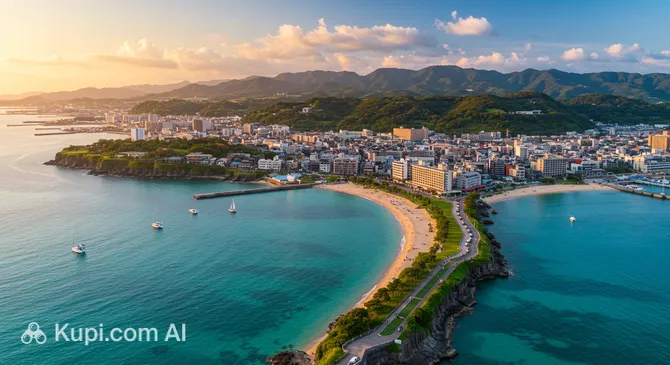
Tomigusuku. Illustration.
Source: Kupi.com AI

With a population of about 65,000 people, Tomigusuku maintains the atmosphere of a small Japanese city where modern conveniences and a traditional way of life blend harmoniously. There is no metropolitan bustle here, and the locals are known for their hospitality and openness. The city is actively developing but carefully preserves its identity, which is particularly felt in the architecture, street festivals, and daily life.

For tourists, Tomigusuku offers not only a relaxed holiday by the sea but also many interesting discoveries. These include peaceful walks along scenic embankments and protected areas, exciting shopping in modern malls, and the opportunity to learn about the region's unique history. Here, you can feel the true spirit of Okinawa—leisurely, welcoming, and filled with a special island charm.

If you are looking for a place with a cozy atmosphere, delicious food, proximity to nature, and a chance to touch the multilayered culture of Okinawa, Tomigusuku is an excellent choice. It is a city where the past and present intertwine harmoniously, creating a unique character that will undoubtedly be remembered by every traveler.

You can find more interesting facts on the Tomigusuku city history page.
Weather Overview

The weather in Tomigusuku is characterized by a warm and humid climate throughout the year. The hottest months are July and August, when the average air temperature is about 28.4°C, and maximum values can reach 29.3°C. Winters here are very mild: in January, the coolest month, the average temperature stays at 18.2°C, with minimum temperatures around 17.1°C.

Precipitation in Tomigusuku is distributed throughout the year, with the highest number of rainy days occurring in June (18 days) and September (19 days), when 10 mm and 7 mm of rainfall occur respectively. The least amount of precipitation is observed in January (3 mm). Overall, expect a warm, humid summer with frequent but often not very heavy rain, and very mild winters with a moderate amount of precipitation. For more detailed information, you can visit the Tomigusuku climate page.

Average monthly temperature

Average monthly precipitation

Interesting Facts

In addition to its famous attractions, Tomigusuku hides many surprising stories and features that make it a truly unique place on Okinawa. Ready to learn some interesting secrets about this city?

Former Japanese Navy Underground Headquarters. Illustration.
Source: Kupi.com AI

Traveler photos:

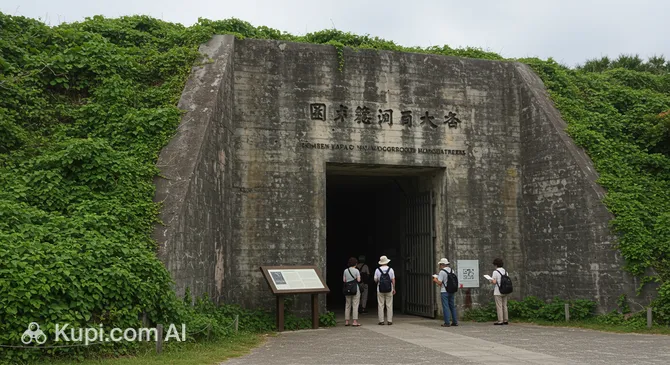
  • One of the most impressive historical relics in Tomigusuku is the Former Naval Underground Headquarters. This massive bunker was hand-dug in 1944 and features a complex system of tunnels and rooms. Converted into a museum in 1970, it allows visitors to literally touch the dramatic events of the past.

  • The city takes pride in the picturesque island of Senagajima, which is connected to the main part of Okinawa by a causeway. It is a popular spot not only for beachgoers at Senaga Beach but also for watching planes take off and land, as well as for admiring romantic sunsets. The modern Umikaji Terrace complex, with its white buildings cascading down to the sea, gives the island the atmosphere of a Mediterranean resort.

  • Tomigusuku is a recognized center for waterbird watching in Okinawa. At the Manko Waterbird and Wetland Center, you can not only see dozens of rare bird species but also learn about the vital role of mangrove ecosystems for the island.

  • Walking through the streets of Tomigusuku, you will surely notice many stone guardian lions, known as "shisa." According to local beliefs, these traditional figures protect homes from evil spirits and are an integral part of the city's cultural landscape, frequently becoming popular subjects for tourist photos.

How to Get There

When planning a trip to the city of Tomigusuku, located in Okinawa Prefecture, Japan, most tourists choose air travel as their primary way to reach the destination. The city is conveniently situated relative to the region's main transport hub.

The main and most convenient option for arriving in Tomigusuku is Naha Airport (OKA). This major international airport is located in the city of Naha, just 4.4 km from Tomigusuku. Thanks to its proximity, a taxi or bus ride to central Tomigusuku takes approximately 25–35 minutes. Naha Airport serves many international and domestic flights, making it the main air gateway to Okinawa.

As an alternative, you can consider Kume-jima Airport (UEO), located on the island of Kumejima, about 98 km from Tomigusuku. This airport is smaller and primarily serves domestic routes. It is worth noting that Kumejima is a separate island, so traveling from Kume-jima Airport to Tomigusuku will require an additional transfer to the main island of Okinawa (for example, a domestic flight or a ferry), and the total travel time can be several hours, excluding connection wait times.

For convenience, here is a summary of the main airports you can use to reach Tomigusuku:

AirportPassenger trafficDistance
Naha Airport21.5 mln4 km
Kume-jima Airport221 32598 km
Yoron Airport145 918122 km
Okinoerabu Airport197 000174 km
Tokunoshima202 021221 km

Main Attractions

Located in southern Okinawa, Tomigusuku boasts several notable spots that will interest tourists looking to explore the history, nature, and gastronomy of this unique region of Japan.

A special place among the attractions is the Former Naval Underground Headquarters. This historical complex, consisting of a network of tunnels totaling about 450 meters, was used by the Imperial Japanese Navy during the Battle of Okinawa in 1945.

Visiting the headquarters allows you to touch the tragic events of the past and see the conditions in which the soldiers lived. It is an important site for those interested in military history.

Former Japanese Navy Underground Headquarters. Illustration.
Source: Kupi.com AI

Traveler photos:

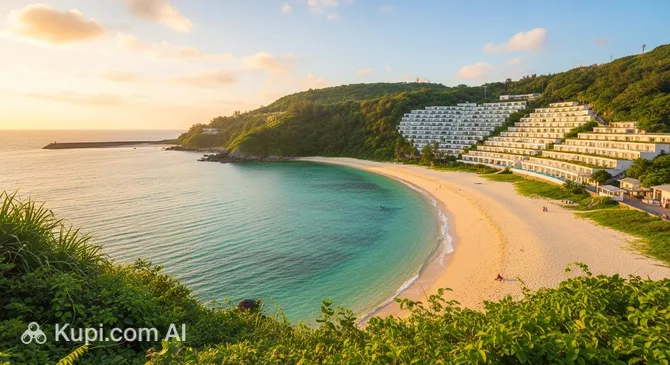
For nature lovers and those seeking relaxation by the sea, Senaga Beach is a wonderful choice. Located on the small island of Senagajima, which is connected to the main part of Tomigusuku by a bridge, this beach attracts visitors with its beauty and calm atmosphere.

Here, you can not only swim and sunbathe but also enjoy magnificent views, especially at sunset. Senagajima Island is also famous for its cafes and the popular Umikaji Terrace complex, featuring shops and restaurants overlooking the sea.

Senaga Beach. Illustration.
Source: Kupi.com AI

Traveler photos:

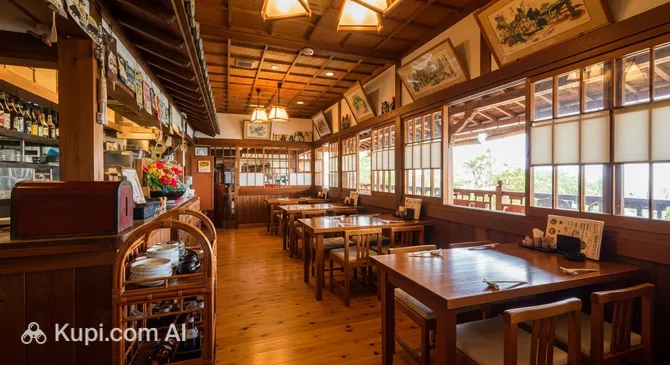
To experience the local cuisine, stop by Takaramatia. This establishment is known for its traditional Okinawan dishes prepared with fresh local ingredients.

A visit to Takaramatia is a great opportunity to try the authentic flavors of the region in a cozy setting.

Takaramachiya. Illustration.
Source: Kupi.com AI

Traveler photos:

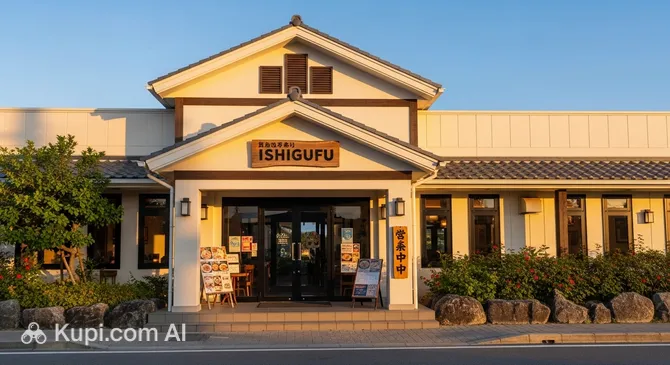
Another fantastic place for foodies is Ishigufu. It is famous for its Okinawa Soba—traditional noodles prepared here according to a special recipe.

Ishigufu often receives high praise from visitors for its food quality and authentic atmosphere, making it a must-visit for connoisseurs of Japanese cuisine.

Ishigufu. Illustration.
Source: Kupi.com AI

Traveler photos:

Local Cuisine

The cuisine of Tomigusuku is a vivid reflection of Okinawa's rich gastronomic traditions, offering travelers unique flavor experiences. Here, the freshness of local products and authentic recipes, carefully preserved and passed down through generations, are highly valued, creating a unique island character.

Among the dishes you should definitely try in Tomigusuku is the famous Okinawa Soba—thick wheat noodles served with succulent slices of pork in a fragrant broth. This isn't just food; it's a true symbol of local culinary culture that warms the soul. Another popular dish is Taco Rice, consisting of rice topped with spicy ground meat, cheese, and vegetables, inspired by Mexican cuisine but adapted to local tastes. Don't miss the chance to enjoy the freshest seafood, local tofu dishes, and various vegetable delicacies, such as fragrant sweet potato sweets.

When it comes to beverages, one cannot fail to mention Awamori—a traditional Okinawan distilled spirit made from rice. Its unique taste and centuries-old history make Awamori an integral part of any feast. Of course, a variety of non-alcoholic drinks are also available to tourists, including local tropical fruit juices and various types of refreshing tea.

The dining culture in Tomigusuku is diverse and inviting. Locals and tourists alike enjoy visiting cozy family restaurants that serve traditional Okinawan home cooking. Street food stalls are also popular for a quick snack, where you can try, for example, a bento—a classic Japanese lunch box. To experience the authentic atmosphere and try local specialties, you can visit one of the city's restaurants, such as Ishigufu or Takaramatia, known for their interpretations of Okinawan dishes. Also, keep an eye out for establishments on Senagajima Island, where Senaga Beach is located; here, specifically at the Umikaji Terrace complex, you can find both traditional dishes and interesting fusion options while enjoying sea views.

The gastronomic scene of Tomigusuku attracts with its vibrancy and variety, offering dishes for every taste. It is particularly lively here in summer when the city often hosts culinary festivals. The aromas of grilled meat, fresh fish, and exotic fruits fill the air, creating an unforgettable festive atmosphere. A trip to Tomigusuku is a wonderful opportunity not only to get to know the unique culture of Okinawa but also to embark on an exciting gastronomic journey.

Travel Tips

Welcome to Tomigusuku! To ensure your trip to this charming corner of Okinawa goes smoothly and leaves only pleasant impressions, we have prepared some practical tips. By following them, you can better understand the local culture and avoid potential inconveniences.

  1. Clothing and Essentials: The climate in Tomigusuku, like all of Okinawa, is subtropical, so choose light, breathable clothing made from natural fabrics, especially in the summer months. Don't forget swimwear, sunscreen, a hat, and sunglasses. Comfortable shoes are your best friend, as you will be doing a lot of walking. For electrical appliances, you will need an adapter (Japan uses Type A and B sockets with 100V voltage). When visiting temples or other religious sites, there is usually no specific dress code, but modest clothing covering the shoulders and knees is recommended.

  2. Transport: The best way to explore Tomigusuku and its surroundings is to rent a car, as public transport (mostly buses) may not always be convenient for reaching all interesting spots. Traffic in Japan is left-hand. Taxis are available but can be quite expensive. An international driving permit is mandatory for renting a car.

  3. Finances: The local currency is the Japanese Yen (JPY). You can exchange currency at the airport, banks, or specialized exchange offices. Credit cards (Visa, Mastercard) are widely accepted in hotels, large stores, and restaurants; however, it is always useful to have some cash on hand for small establishments, markets, or taxis. ATMs that accept international cards can be found in post offices and 7-Eleven stores. Tipping is not customary in Japan and may even be perceived as an insult.

  4. Health and Safety: Pharmacies (marked as "薬" or "kusuri") are easy to find, but not all of them operate 24/7. If you need medical assistance, contact a local clinic or hospital; having travel insurance is recommended. Tomigusuku is a very safe city, as is Japan in general. However, standard precautions, such as keeping an eye on your personal belongings, are still wise.

  5. Communication: The official language is Japanese. English is understood in tourist areas, hotels, and some restaurants, but not everywhere. Learn a few basic phrases in Japanese (e.g., "Konnichiwa" – hello, "Arigato" – thank you, "Sumimasen" – excuse me/sorry). For convenience, you can purchase a local SIM card or rent a pocket Wi-Fi router at the airport. Free Wi-Fi is available in many hotels and some public places.

  6. Local Etiquette: Japanese people are very polite. A greeting is usually accompanied by a bow; the depth of the bow depends on the status of the person you are addressing. When entering a home, some temples, or traditional restaurants, you must remove your shoes. In public places, especially on transport, try not to talk loudly on the phone. It is considered impolite to eat or drink while walking.

  7. What to Avoid: Never stick your chopsticks vertically into a bowl of rice—this is associated with funeral rituals. Also, try not to point at people with your finger. Loud talking and laughing in quiet public places, such as temples or public transport, may draw disapproval.

  8. Extra Tip: Be sure to visit local markets to try fresh Okinawan produce and unique dishes. Also, keep an eye out for local festivals if your trip coincides with one—it's a great opportunity to immerse yourself in Okinawan culture. Shops are usually open until 8:00–9:00 PM, but smaller shops may close earlier.

We hope these tips help you feel more confident and enjoy every moment of your stay in Tomigusuku. We wish you an unforgettable journey and vibrant impressions from exploring this beautiful city!

Entertainment & Nightlife

As evening falls, Tomigusuku transforms, offering its guests and residents cozy options for relaxation and entertainment. While the city may not boast vast nightlife districts like major metropolises, you can find pleasant spots to spend the evening and soak up the local atmosphere.

Nightlife in Tomigusuku is centered around restaurants that stay open late and traditional Japanese pubs known as izakayas, where you can enjoy local cuisine and drinks in a relaxed setting. Some establishments offer live music or themed evenings. Dedicated nightclubs are less common, giving way to more intimate bars. The atmosphere in most places is friendly and laid-back, attracting both locals and tourists. Establishments usually begin to come alive in the late evening, especially on weekends.

For dinner or evening drinks, you might consider places like Takaramatia, a restaurant known for its dishes, or Ishigufu, where you can also have a pleasant time. These venues are perfect for sampling local cuisine in an evening setting.

Takaramachiya. Illustration.
Source: Kupi.com AI

Traveler photos:

The best time to visit evening venues is after 7:00 or 8:00 PM. The dress code in most places is casual, unless it is a high-end restaurant. Prices can vary but generally remain moderate. For moving around the city at night, taking a taxi is the most convenient option. It is a reliable and safe way to reach your destination, especially if you plan to stay out late.

Ishigufu. Illustration.
Source: Kupi.com AI

Traveler photos:

Regarding safety, Tomigusuku, like most cities in Japan, is considered a fairly safe place for night walks, particularly in busy areas. Nevertheless, it is always wise to take standard precautions. You can call a taxi through apps or ask the staff at the venue you are visiting to call one for you.

During the day, there is also plenty to do in Tomigusuku. History buffs can visit the Former Naval Underground Headquarters, an important historical site. For those who prefer the outdoors, Senaga Beach is an excellent choice, offering beautiful views and fresh sea air. These locations offer a completely different experience compared to the city's evening entertainment.

Former Japanese Navy Underground Headquarters. Illustration.
Source: Kupi.com AI

Traveler photos:

Senaga Beach. Illustration.
Source: Kupi.com AI

Traveler photos:

Parks & Museums

Tomigusuku, comfortably situated in Okinawa, offers travelers not only picturesque views but also the opportunity to touch the history and culture of the region. The city harmoniously combines natural oases for relaxation with significant sites that tell stories of the past.

Among the natural attractions in Tomigusuku, Senaga Beach stands out. This is a popular spot for both locals and tourists, attracting visitors with its views and the chance to relax by the water. Here, you can enjoy the sea breeze, stroll along the shore, or simply admire the sunset. While Tomigusuku may not have vast national parks, its coastline and well-maintained green zones provide excellent opportunities for outdoor recreation.

For those interested in history, a key site in Tomigusuku is the Former Naval Underground Headquarters. This historical complex is a network of tunnels used during World War II. A visit to the headquarters allows for a deeper understanding of the events of that period and a chance to see preserved artifacts. The site carries a powerful historical weight and serves as an important reminder of Okinawa's past.

In addition to this major historical site, you can find small local exhibitions or cultural centers in and around Tomigusuku that introduce Okinawan traditions and art. While there may not be large, world-class art galleries here, the charm lies in the authenticity and local character.

For a complete experience, it is worth paying attention to small local shrines or strolling through residential neighborhoods to feel the daily life of the city. Sometimes the most interesting discoveries await where you least expect them—for example, in a small family shop or on a quiet street with traditional houses.

Getting Around

The main form of public transport in Tomigusuku, as in many cities in Okinawa, is the bus. The city and suburban bus network connects Tomigusuku with Naha and other towns on the island. Buses follow a schedule, which can usually be found at stops or on the transport companies' websites. Study the routes carefully, as some can be quite long and connect different parts of the island.

The fare payment system in Tomigusuku buses is fairly standard for Japan. Most often, payment is made in cash upon exiting the bus; to do this, you must take a special ticket with the stop number when boarding (or simply remember it), which the driver uses to determine the fare. Also, many buses in Okinawa accept local rechargeable transport cards, such as OKICA. Using such a card simplifies the payment process: you just need to tap it on the validator when boarding and exiting. Sometimes, day passes for specific zones can be beneficial for tourists if many trips are planned.

Single-trip tickets (in the case of cash payment) are purchased directly from the driver upon exiting. It is recommended to have small change, as the driver may not have change for large bills. If you are using a transport card, make sure it has sufficient funds. Buses usually start running early in the morning and end in the evening. It is best to check the exact schedule and frequency in advance, especially for routes going to less populated areas or on weekends. Information about routes and schedules can be found at bus stops, on the websites of local transport operators, or at tourist information centers.

In addition to buses, other ways of getting around are available in Tomigusuku and its surroundings. Taxis can be found near major shopping centers and hotels or ordered by phone, though this is a more expensive option compared to the bus. Given Okinawa's numerous attractions scattered across the island, many tourists prefer to rent a car. This provides significant freedom of movement and allows you to explore the island at your own pace. In some areas of the city, bicycle rentals may also be available, which is a great option for leisurely rides and exploring the immediate neighborhood.

There are no unique types of public transport, such as a subway or trams, in Tomigusuku, which is typical for cities of this size in Okinawa. The transport system is oriented toward bus services and individual transport, providing sufficient convenience for both locals and tourists wishing to explore this picturesque region.

Accommodation

When planning a trip to Tomigusuku, you can find accommodation options that suit your preferences and budget. The city offers diverse lodging possibilities, ranging from cozy guesthouses and apartments for independent travelers to more comfortable hotels. Although specific major hotel chains may not be as widely represented as in major metropolises, you can find quality housing that reflects the local flavor.

When choosing where to stay in Tomigusuku, look for areas that offer convenient access to your points of interest and transport arteries. Neighborhoods closer to the coast or main roads may be more convenient for exploring the surroundings and visiting local attractions such as Senaga Beach. You might also consider options near shopping areas or restaurants if having developed infrastructure within walking distance is important to you.

The price range for accommodation in Tomigusuku varies: you can find both budget-friendly options and mid-range hotels. To ensure the best selection and prices, especially if your trip coincides with the peak tourist season or holidays, it is recommended to book your stay in advance. For searching and booking, it is convenient to use popular online platforms and aggregators that allow you to compare prices and conditions, as well as read reviews from other travelers. Some hotels and guesthouses also offer direct booking through their websites.

Nearby Cities

For those who wish to explore the surrounding area, Tomigusuku serves as an excellent starting point for day trips to several interesting nearby locations.

The prefectural capital, Naha, is interesting for its historical sites, such as Shuri Castle, and the lively Kokusai-dori Street. The city of Okinawa can offer an introduction to the island's modern culture and theme parks.

CityPopulationDistance
Itoman60 9034 km
Yaese30 9745 km
Naha316 0486 km
Nanjo44 31810 km
Yonabaru19 73510 km

These nearby destinations provide a glimpse into the region's diverse culture and landscapes.

Shopping & Souvenirs

Tomigusuku, a cozy city in Okinawa, offers its guests pleasant shopping opportunities, especially if you are looking for authentic local goods and souvenirs. While the city is not known for giant shopping complexes like the metropolises of Japan, you can find unique items that reflect the culture and traditions of Okinawa.

Shopping in Tomigusuku is mainly concentrated along busy streets and in small commercial areas. While there may not be specialized "high streets" of the Western type, you can easily find shops while strolling through the central districts of the city. Look out for stalls near tourist sites, which often sell souvenirs and local delicacies.

In Tomigusuku itself, there may be few world-class major shopping malls. However, there are supermarkets and small shopping complexes where you can purchase daily necessities, groceries, and some souvenirs. For a larger-scale shopping experience with a wide selection of brands, you might consider a trip to the neighboring, larger city of Naha, the capital of Okinawa Prefecture.

While Tomigusuku may have small local markets offering fresh produce and goods from local farmers, for the famous Okinawan markets—such as the fish market or markets with a large selection of souvenirs—it is better to head to Naha. Nevertheless, even small local markets can provide an interesting experience and the chance to buy something special.

From Tomigusuku, as with all of Okinawa, it is worth bringing back unique souvenirs. Look for items made of Ryukyu glass with its bright colors, traditional Yachimun pottery, and Bingata textiles. Products made from local kokuto brown sugar, various sweets based on it, and, of course, the local alcoholic drink Awamori are also popular. Don't forget the charming Shisa figurines—guardian lions that are considered a symbol of Okinawa and a protective charm for the home.

Most shops in Tomigusuku are typically open from 10:00 or 11:00 AM to 7:00 or 8:00 PM. Supermarkets and some larger stores may stay open later. As for payment, cash yen is still widely used in Japan, especially in small shops. However, in most stores, particularly those oriented toward tourists, credit cards (Visa, Mastercard) are accepted. Contactless payments and QR code payments are also becoming increasingly common.

For foreign tourists in Japan, a tax-free shopping system is available. When making purchases of a certain amount (usually over 5,000 yen excluding tax) at participating stores (look for the "Japan Tax-Free Shop" sign), you can process a consumption tax refund. You will need your passport for this. The process usually takes place right in the store at a special counter.

Reached the end of the page?

That means the route is fully explored