Support

Nago

About

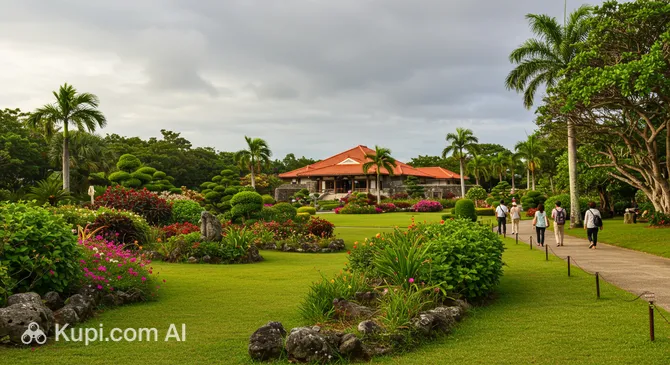
Nago is a true gem of northern Okinawa, attracting travelers with its azure waters of the East China Sea and lush tropical greenery. The city is nestled on the northern coast of Okinawa's main island, surrounded by picturesque hills and white-sand beaches. It enjoys a mild subtropical climate with warm summers and very mild winters, making Nago a wonderful vacation destination at any time of year.
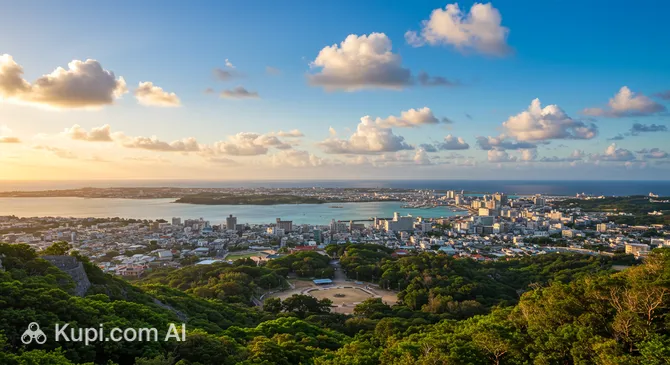
Nago. Illustration.
Source: Kupi.com AI

With a population of about 63,000, Nago is not just a resort but also an important cultural and economic center of the region in Japan. In the past, it was a significant port and the residence of local rulers, while today the city is dynamically developing as a tourist hub while preserving its rich history and unique character. Nago was granted city status in 1970 following the merger of several settlements, further strengthening its position in Okinawa.

The atmosphere in Nago is imbued with tranquility and hospitality. Visitors can enjoy relaxing on pristine beaches such as Busena Beach with its famous underwater observatory, explore rich coral reefs, or visit the Nago Pineapple Park theme park, where you can learn everything about this tropical fruit and sample local products. Another popular attraction is the Orion Happy Park brewery, where you can get acquainted with the production process of the famous Okinawan beer.

Nago is ideal for family vacations, romantic getaways, and anyone seeking to discover the authentic Okinawa, where tradition and nature exist in perfect harmony. This city is sure to enchant you with its beauty and warmth.

You can find more interesting facts on the history of Nago page.
Weather Overview

The climate in Nago is warm and humid year-round, which is characteristic of the subtropical zone. You can expect hot summers with frequent rain and very mild winters, when precipitation is also not uncommon. Average temperatures in the summer months (June–August) range from 26.2°C to 28.4°C, while in winter (December–February) they range from 17.7°C to 19.2°C. The highest amount of rainfall usually occurs in June (about 11 mm), while September features the highest number of rainy days (averaging 20). For more detailed information and to plan your trip, we recommend checking the climate of Nago.

Average monthly temperature

Average monthly precipitation

Interesting Facts

Beyond its picturesque beaches and lively atmosphere, Nago hides many surprising stories and unique features that not every traveler knows. The city holds secrets that make it a truly special place on the map of Japan.

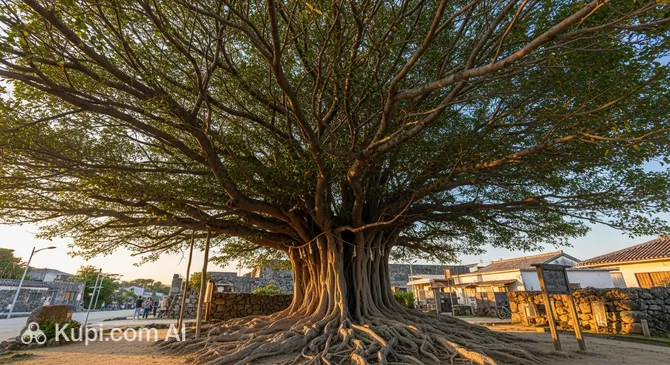
  • The city of Nago has a rich historical past. At one time, Nago Castle stood here, built back in the 14th century and serving as the residence of a local lord. Although only ruins remain of the castle today, the site still preserves an ancient atmosphere, and the historical Nago Hinpun Gajumaru tree serves as a reminder of those times. In the past, Nago also played a role as one of the most important ports in northern Okinawa.

  • Nago has twice been at the center of world attention. In 1975, it hosted the International Ocean Exposition (Expo '75), dedicated to the future of the oceans, which attracted millions of visitors. In 2000, the city hosted leaders of the G8 nations for the G8 summit, which brought it international fame and left a mark on its modern infrastructure.

  • Nago is famous for its unusual Pineapple Park theme park. Here, visitors can not only learn everything about growing pineapples but also ride charming pineapple-shaped electric cars through the plantations and taste various products made from this tropical fruit, including pineapple wine.

  • The surroundings of Nago are home to Japan's only population of dugongs. These rare and charming marine mammals, sometimes called "sea cows," have become a true symbol of the region's efforts to preserve Okinawa's unique marine ecosystem.

Neo Park Okinawa. Illustration.
Source: Kupi.com AI

Traveler photos:

How to Get There

There are several ways to reach the city of Nago, located on the scenic island of Okinawa, but the primary method is by air to the nearest airports.

The main way to get to Nago is to fly into Naha Airport (IATA: OKA). It is located in Okinawa City, approximately 54.9 km south of Nago, and serves as the main international and domestic hub for the island. From Naha Airport, you can reach Nago by rental car, taxi (the trip takes about 1.5–2 hours), or by the scheduled bus service that runs between the island's main cities.

While Nago itself does not have an airport, there are several smaller airports on neighboring islands, such as Yoron Airport (IATA: RNJ) on Yoronjima (about 65.5 km from Nago as the crow flies), Okinoerabu Airport (IATA: OKE) (about 117.9 km), or Kumejima Airport (IATA: UEO) (about 128.5 km). However, keep in mind that these airports are on other islands; reaching Nago would require an additional ferry crossing or a domestic flight to the main island of Okinawa, which significantly increases the total travel time and complexity. These options might be interesting if you are planning a multi-island trip through the archipelago.

For convenience, here is a summary of the airports used to reach the Nago region:

AirportPassenger trafficDistance
Naha Airport21.5 mln55 km
Yoron Airport145 91865 km
Okinoerabu Airport197 000118 km
Kume-jima Airport221 325129 km
Tokunoshima202 021164 km

In addition to flying to the nearest airports, once you reach the island of Okinawa, you can drive to Nago using the island's developed road network. You can rent a car right at Naha Airport or in other large settlements. There is also a bus service between Okinawan cities, including Nago. For travel between the region's islands or from mainland Japan, ferry services may be available, though this is a longer and more specific way to get to Nago that requires careful planning.

Main Attractions

Nago, located in northern Okinawa, offers its guests a variety of attractions, from nature parks to cultural sites and leisure spots. Everyone will find something of interest here while planning an itinerary through this picturesque city.

One of the most popular places is Neo Park Okinawa. This unique zoo allows visitors to immerse themselves in the world of wildlife, where animals and birds from different parts of the planet live in conditions as close as possible to their natural habitats. Here you can see flamingos, lemurs, capybaras, and many other exotic creatures. The park is especially popular with families due to the opportunity for close contact with some animals and its educational programs.

Neo Park Okinawa. Illustration.
Source: Kupi.com AI

Traveler photos:

Fans of beer and industrial tourism should visit Orion Happy Park. This is the brewery for the famous Okinawan beer "Orion," where you can learn about the brand's history, the brewing process, and, of course, taste the freshest varieties. Factory tours introduce brewing technologies and allow you to touch an important part of the local culture and economy.

Orion Happy Park. Illustration.
Source: Kupi.com AI

Traveler photos:

For those interested in history and nature, a mandatory stop is the Nago Hinpun Gajumaru. This massive and ancient banyan tree (gajumaru) is considered a symbol of the city and holds significant cultural value. Its powerful roots and sprawling canopy leave a lasting impression, serving as a reminder of the connection between eras and the power of nature. This spot is perfect for a peaceful walk and reflection.

Nago Hinpun Gajumaru. Illustration.
Source: Kupi.com AI

Traveler photos:

If you want to enjoy the sun and sea, head to Seikinomore Beach. This picturesque beach attracts tourists with its clean water and well-maintained area. Here you can relax on the sand, go for a swim, or simply admire the beautiful seascapes. The beach is well-equipped and suitable for both active and quiet relaxation by the water.

Seikinomori Beach. Illustration.
Source: Kupi.com AI

Traveler photos:

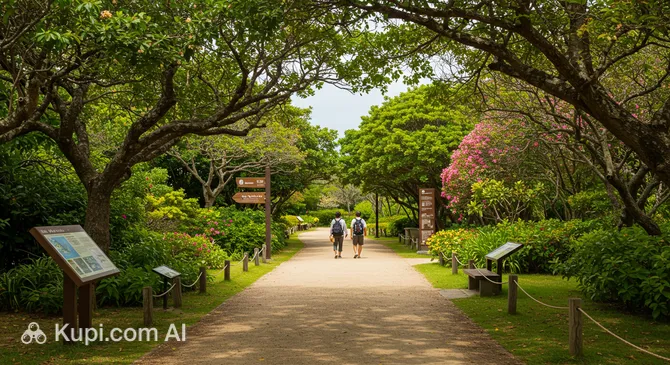
Another wonderful place for outdoor recreation is the 21st Century Forest Park. This vast park offers many opportunities for active pastimes, including walking trails, sports grounds, and picnic areas. It is perfect for those who want to take a break from the city bustle and enjoy the beauty of Okinawan nature.

Local Cuisine

The gastronomy of Nago is a vivid reflection of Okinawa's rich culinary culture, where special attention is paid to the freshness of ingredients, health benefits, and unique flavor combinations. A trip here would not be complete without trying local delicacies that blend the bounty of the sea, juicy vegetables, and exotic fruits.

Be sure to try goya chanpuru—a traditional Okinawan stir-fry made with bitter melon (goya), tofu, pork, and eggs. This dish perfectly illustrates the local culinary philosophy: simplicity, nutrition, and rich flavor. Another iconic dish worth trying is Okinawan taco rice. This is an original fusion dish where Japanese rice is harmoniously combined with taco-style ground meat, fresh vegetables, and a savory sauce. And, of course, you cannot overlook the incredibly fresh sushi and sashimi, prepared from fish caught in the coastal waters of Nago.

Among the local drinks, the famous "Orion" beer stands out as the pride of Okinawa. You can learn about its production process and taste the freshest varieties at Orion Happy Park. Nago is also famous for its juicy pineapples, which are used not only for desserts and refreshing juices but also for unique pineapple wine. Don't forget to try other tropical fruits like mango, papaya, and dragon fruit, which are found in abundance at local markets. The traditional strong spirit of Okinawa is awamori—a distilled liquor made from long-grain rice, which is also worth tasting for full immersion into the local culture.

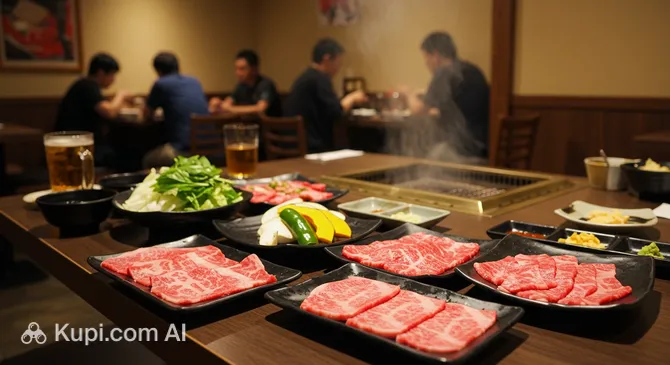
The food culture in Nago is diverse. Locals and tourists often visit lively markets where you can buy fresh produce and snack on street food. Small family-run cafes offer authentic dishes at affordable prices. For a more substantial dinner, you can choose from numerous restaurants specializing in both traditional Okinawan cuisine and meat dishes, such as Yakiniku Motobu Farm Nago Branch, which serves excellent beef. In the evening, it's worth visiting a traditional Japanese pub—an izakaya—to dive into a relaxed atmosphere and try local snacks with drinks. A great example of such a place is Tuitui Nago Yakitori Open Izakaya. Various gastronomic festivals are also held in the city throughout the year, offering a unique opportunity to experience the full diversity of local cuisine.

Yakiniku Motobu Farm Nago Branch. Illustration.
Source: Kupi.com AI

Traveler photos:

Travel Tips

Planning a trip to the charming city of Nago in Okinawa? To ensure your journey goes smoothly and leaves you with only pleasant impressions, we have prepared a few practical tips.

  1. Clothing and Essentials: Like all of Okinawa, Nago has a subtropical climate. In summer, choose light, breathable clothing made from natural fabrics, along with a hat, sunglasses, and high-SPF sunscreen. Don't forget your swimsuit—the beaches here are magnificent! In spring and autumn, it can be slightly cooler, especially in the evenings, so a light jacket or sweater will come in handy. In winter, temperatures rarely drop very low, but a windbreaker and a warm fleece are good to have. Be sure to bring comfortable walking shoes. For electronics, you will need an adapter for Japanese power outlets (types A and B).
  2. Transportation in the City and Beyond: Public transport in Nago consists mainly of buses. They can be convenient for getting around the center, but to explore Okinawa Island and its many attractions, renting a car is highly recommended. Traffic in Japan is on the left-hand side. Taxis are available but can be expensive for long-distance trips. Specialized taxi apps common in Europe or the US may not work here; taxis are usually hailed on the street or ordered through your hotel.
  3. Financial Matters: The official currency is the Japanese Yen (JPY). It is best to exchange currency at the airport upon arrival or at banks in major cities. In Nago, the number of exchange offices may be limited. Credit and debit cards are accepted in many hotels, large stores, and restaurants, but small establishments and markets may prefer cash. International cards work at ATMs in post offices (Japan Post Bank) and 7-Eleven stores. Tipping in Japan is not practiced and can even be perceived as an insult.
  4. Health and Safety: Nago is a very safe city, as is Japan as a whole. Pharmacies (薬, kusuri) exist, but most medications require a prescription, and pharmacists do not always speak English. It is better to carry a small first-aid kit with basic medicines. Travel insurance with good coverage is essential. In case of emergency, call 119 (ambulance and fire service) or 110 (police).
  5. Language and Communication: The official language is Japanese. English is used in tourist spots, hotels, and information centers, but overall proficiency among the local population is not high. Learn a few basic phrases in Japanese (e.g., "Konnichiwa"—hello, "Arigato"—thank you, "Sumimasen"—excuse me/sorry). For convenience, it is recommended to purchase a local SIM card or rent a pocket Wi-Fi router. Free Wi-Fi is available in some hotels, cafes, and public places.
  6. Local Etiquette: Japanese people are very polite and value respect for tradition. Greetings are usually accompanied by a bow. In public places, especially on transport, try not to talk loudly on the phone. When visiting temples or someone's home, it is customary to remove your shoes. It is not customary to eat while walking or on public transportation (except for long-distance trains).
  7. What to Avoid: Never stick your chopsticks vertically into a bowl of rice—this is associated with funeral rituals. Do not point at people with your finger; it is better to use an open palm. Also, try not to blow your nose loudly in public; it is better to go to a restroom.
  8. Additional Tip – Nature and Relaxation: Nago is famous for its beautiful beaches and proximity to the natural beauty of northern Okinawa. Be sure to set aside time to visit beaches like Busena Marine Park or Kariyushi Beach. The famous Churaumi Aquarium is also nearby. This is a great area for quiet relaxation and enjoying nature.

We hope these tips help you better prepare for your trip and get the most out of your stay in Nago. This corner of Okinawa is sure to enchant you with its beauty and hospitality!

Entertainment & Nightlife

When the sun sets over Nago, the city transforms, offering guests a chance to immerse themselves in its special evening atmosphere. It is important to understand that Nago is not a city where nightlife roars until dawn in massive clubs or loud concert venues. There are no districts entirely dedicated to 24-hour parties, and you are unlikely to find regular night markets. Instead, Nago offers a more relaxed and authentic experience focused on socializing, delicious food, and drinks in cozy settings.

The main evening attractions in Nago are its numerous restaurants, traditional Japanese pubs (izakaya), and small bars. They are not concentrated on one or two streets but rather spread throughout the city, especially in the central part and near coastal areas where you can find venues with pleasant views. The character of the local nightlife is more about cozy gatherings in small establishments where you can enjoy local cuisine and drinks. The atmosphere here is generally very relaxed and welcoming, encouraging unhurried relaxation.

Among the venues where you can spend a pleasant evening, Tuitui Nago Yakitori Open Izakaya is a popular spot for getting to know local yakitori snacks and drinks in a casual atmosphere. If you prefer something in a more Western style, check out Warren’s Place 2.1 Burgers & Beer. For those who want to combine dinner with evening leisure, Yakiniku Motobu Farm Nago Branch, known for its meat dishes, is an excellent choice.

Warren’s Place 2.1 Burgers & Beer. Illustration.
Source: Kupi.com AI

Traveler photos:

Most establishments in Nago stay open until late evening, especially on weekends, but rarely until dawn. The dress code is usually casual, and no special preparation is required. The crowd is a mix of locals and tourists enjoying the calm atmosphere. Prices in bars and restaurants vary but generally remain quite affordable, especially compared to Japan's major tourist centers.

When planning an evening out, especially to popular spots or if you are traveling in a group, it is better to arrive a bit early or book a table. For getting around the city at night, a taxi is the most convenient option. You can call for a car through your hotel reception, use ride-hailing apps, or find taxis at designated stands. Nago is considered a safe city; however, as anywhere else, you should follow standard precautions, especially in secluded areas late at night.

While the focus here is on evening entertainment, there is plenty to do in Nago during the day as well. Nature lovers and families can visit Neo Park Okinawa, home to many species of animals and birds, or stroll through the scenic 21st Century Forest Park. A tour of the Orion Happy Park brewery can be an interesting experience to learn about the production of the famous local beer. For those interested in history and culture, the historical site of Nago Hinpun Gajumaru is well worth a visit.

Parks & Museums

Nago, located in Okinawa Prefecture, offers its guests a wonderful blend of lush green areas for outdoor relaxation and interesting sites that introduce local culture and history. Everyone will find something for themselves here, whether it's a stroll through a picturesque park or discovering the region's unique heritage.

Among the city's green oases, the 21st Century Forest Park particularly stands out. This expansive space is ideal for family vacations, picnics, and sports. Here you can enjoy walks along well-kept paths, relax on the man-made beach, and simply enjoy the fresh air.

21st Century Forest Park. Illustration.
Source: Kupi.com AI

Traveler photos:

Another noteworthy spot is Neo Park Okinawa. This is more than just a park; it's a genuine zoological and botanical garden where you can see rare birds, animals, and plants from all over the world, making it especially attractive for visitors of all ages.

For lovers of seascapes and quiet relaxation by the water, Seikinomore Beach is perfect, known for its clean water and picturesque views.

While Nago might not be famous for a large number of traditional museums in the classic sense, the city offers unique cultural and historical sites that immerse you in its atmosphere. For example, Orion Happy Park is not just a park but the brewery of the famous Orion brand, where you can learn about the history of brewing in Okinawa and, of course, sample the products. It is an interesting experience for those who want to get to know the local industry.

To touch the city's history, visit the Nago Hinpun Gajumaru. This is a historical site featuring an ancient banyan tree (gajumaru) which is considered a symbol of Nago and is an important part of the local heritage. Such places allow for a deeper understanding of the culture and traditions of Okinawa.

For a more authentic experience in Nago, step off the beaten tourist path. Explore the small local markets where you can taste fresh fruits and local delicacies, or stroll through the quiet side streets to observe the daily life of the city's residents. Sometimes the most vivid memories come from such spontaneous discoveries.

Getting Around

When planning your travel around Nago, keep in mind that the primary mode of public transportation here is buses. The city does not have a subway, trams, or trolleybuses, which is typical for towns of this size in the region. The bus network connects various city districts and the surrounding areas, allowing you to reach key points of interest.

The payment system on Nago's buses is fairly standard. Most often, payment is made in cash when exiting the bus; it is recommended to have small change ready, as drivers may not always be able to provide change for large bills. When entering the bus, you may need to take a ticket (整理券 - seirikken) indicating your boarding stop number; your fare is then determined by this number on a display near the driver. Additionally, a local transit card called OKICA is used in Okinawa for bus payments. Check if other nationwide Japanese IC cards (such as Suica or Pasmo) are accepted, as their use can sometimes be limited on local buses. One-day passes are sometimes available and can be cost-effective if you plan multiple trips—it is best to check for information at the bus terminal or with drivers.

For tourists, it is helpful to know that bus schedules can be found at stops (though information may be predominantly in Japanese) or on the websites of the transport companies serving the region. Buses generally run on schedule, though delays are possible during rush hours or due to road conditions. Tickets are usually purchased directly on the bus when paying the fare. Service hours may vary, and the number of trips typically decreases in the evening and on weekends.

Besides buses, other ways of getting around Nago are available. Taxis can be found at stations and large hotels or called by phone, but this is a more expensive option. Given the layout of Okinawa, many tourists prefer to rent a car, which provides greater freedom to explore not only Nago but the entire island. You can also find bicycle rentals in the city—a bike is an excellent choice for leisurely rides along the waterfront and immediate surroundings. For short distances in the city center, moving around on foot is quite comfortable.

Accommodation

In Nago, travelers will find a variety of accommodation options to suit different preferences and budgets. The city offers a wide selection, from affordable guest houses and traditional Japanese inns (ryokans) to comfortable mid-range hotels and luxury resort complexes, many of which are located along the picturesque coast. Apartments are also available for those who prefer more independence and a home-like feel during their trip.

When choosing a place to stay in Nago, consider the coastal areas, where many resorts are concentrated, offering beautiful ocean views and easy access to beaches like the popular Seikinomore Beach. The central districts are convenient for those who want to be closer to restaurants, shops, and some city attractions, such as Orion Happy Park or the 21st Century Forest Park. Staying near major transport hubs can also be convenient for exploring the surrounding areas and other parts of Okinawa.

Seikinomori Beach. Illustration.
Source: Kupi.com AI

Traveler photos:

When planning a trip to Nago, especially during peak tourist seasons like summer or national holiday periods, it is recommended to book your accommodation in advance. This will help ensure the best selection and more favorable prices. Accommodation options cover various price ranges: from budget deals to luxury hotels and resorts. You can book your stay through popular international and local online booking platforms, as well as directly on official hotel websites or by contacting them by phone.

Nearby Cities

For those who want to explore the surrounding area, Nago serves as an excellent starting point for day trips to several interesting nearby locations:

CityPopulationDistance
Motobu13 07311 km
Onna10 85216 km
Kin11 25216 km
Iejima4 30022 km
Uruma122 37126 km

These nearby destinations provide a glimpse into the diverse culture and landscapes of the region. Each trip promises new discoveries, whether they be historical landmarks, natural beauty, or unique local traditions.

Shopping & Souvenirs

Nago, nestled on the sunny island of Okinawa, offers its guests pleasant shopping opportunities. The emphasis here is on authentic local goods, unique souvenirs, and everyday products. Although Nago cannot boast giant shopping malls like those in the capital centers of Japan, it is here that you can find true Okinawan treasures and delicacies that will serve as wonderful reminders of your journey.

The main shopping spots in Nago are usually concentrated along the central streets and near popular tourist routes. You will find many small shops, charming souvenir stalls, and specialized boutiques offering items from local artisans and traditional goods. A leisurely walk through the city will allow you to discover these cozy places and enjoy the atmosphere of Okinawan hospitality.

In Nago, you may come across small shopping centers or department stores that offer a diverse range of goods—from clothing and accessories to food and household items. These centers are mainly oriented toward the needs of local residents, but tourists can also find something interesting for themselves, including certain types of souvenirs or products from Japanese brands.

While large and bustling markets may not be as typical for Nago as they are for bigger cities, you can certainly stumble upon local markets here and in the surrounding areas. At these markets, farmers and fishermen offer the freshest fruits (the local pineapples are especially famous!), vegetables, seafood, and sometimes handmade crafts. Visiting such a market is a wonderful opportunity to get a closer look at the island's daily life and try authentic Okinawan products.

When planning what to bring back from Nago as a keepsake, look for these unique souvenirs and local goods:

  • Ryukyu Glass: Stunning handmade items featuring bright, rich colors and unique designs.
  • Shisa Figures: Traditional Okinawan statues depicting creatures that look like a cross between a lion and a dog. They are believed to bring good luck and protect the home from evil spirits.
  • Okinawan Textiles: Items with unique patterns, such as those made with the Bingata technique, reflecting the region's rich culture.
  • Local Delicacies: Be sure to try kokuto (unrefined black cane sugar with a deep flavor), chinsuko (crumbly shortbread cookies), aromatic sea salt, and, of course, awamori—the traditional Okinawan alcoholic beverage.
  • Pineapple Products: Nago is famous for its pineapple plantations, so you will find many treats made from this tropical fruit—from juices and jams to sweets.
  • Orion Beer: This is Okinawa's most famous beer brand, and its Orion Happy Park brewery is located right in Nago. You can not only learn about the production process there but also purchase branded souvenirs.
Orion Happy Park. Illustration.
Source: Kupi.com AI

Traveler photos:

Most shops in Nago typically operate from 10:00 or 11:00 AM and close around 7:00 or 8:00 PM. However, small family-run shops may follow their own more flexible schedules. Regarding payment methods, cash (Japanese Yen) remains the most common means of payment, especially in small shops and markets. Credit cards are accepted in larger retail outlets and tourist-oriented locations. It is recommended to always have some cash on hand for convenience.

In Japan, there is a Tax-Free system for foreign tourists. To take advantage of this, look for shops with the "Tax-Free Shop" sign. Generally, to qualify for a tax refund, you must make a purchase of a certain minimum amount (most often 5,000 yen excluding tax) in one store in a single day and present your passport at the checkout or a special counter. Conditions may vary slightly, so feel free to clarify the details directly in the store.

Reached the end of the page?

That means the route is fully explored