Support

Motobu

About

Motobu is a charming town nestled in the north of Okinawa Island in Japan. It is famous for its tropical nature, amazing marine heritage, and welcoming atmosphere that attracts travelers seeking both a relaxing getaway and vivid impressions.

The town stretches along the picturesque coast of the East China Sea. Motobu's territory includes not only the mainland part but also several beautiful islands, most notably Minnajima and Sesoko. These islands are a true paradise for beach lovers, offering white sand, crystal-clear water, and excellent conditions for snorkeling and diving.
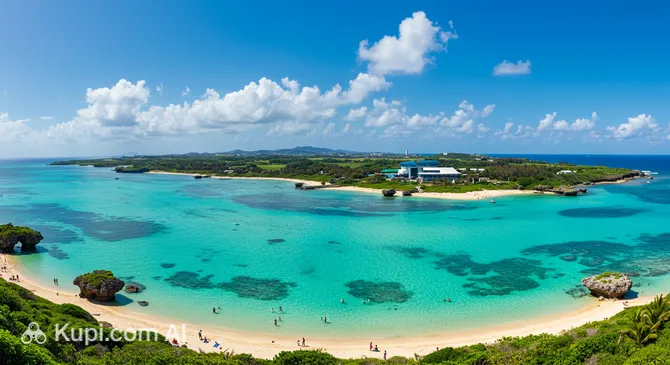
Motobu. Illustration.
Source: Kupi.com AI

With a population of about 13,000 people, Motobu retains the soul of a small Japanese settlement where life flows at a measured and serene pace. Despite its size, the town is an important port hub for northern Okinawa, with ferries departing to nearby islands, playing a significant role in the region's transportation system.

The crown jewel and hallmark of Motobu is undoubtedly the world-famous Churaumi Aquarium. It is considered one of the best marine museums in the country and ranks among the largest aquariums in the world. Here, visitors can admire giant whale sharks, manta rays, and colorful coral reefs, as well as visit interactive zones where they can even touch starfish.

Motobu is an ideal place for those who dream of harmony with nature, love marine adventures, and wish to experience the unique culture of Okinawa. The town enchants with its magnificent sunsets, calm atmosphere, and a unique blend of tradition and modernity, leaving every guest with warm memories.

You can find more interesting facts on the history of Motobu page.
Weather Overview

The weather in Motobu is characterized by a warm and humid climate throughout the year. Summers, especially in July and August, are quite hot, with average maximum temperatures reaching around 28-29°C. The highest amount of rainfall occurs in June (about 11 mm), May (about 8 mm), as well as August and September (about 7 mm each), although the rain is mostly moderate in nature. Winters in Motobu are mild, with average temperatures in January and February staying around 17-19°C, and this period is also accompanied by occasional precipitation.

Overall, Motobu is characterized by a significant number of rainy days throughout the year, so a light waterproof jacket or umbrella may be useful at any time. Expect warm summers with frequent but usually light rain, and mild, also humid winters. To get a more detailed view of the weather conditions by month and better plan your journey, we recommend checking the detailed information on the Motobu Climate page.

Average monthly temperature

Average monthly precipitation

Interesting Facts

Beyond its famous beaches and aquariums, Motobu hides many surprising stories and features that not all travelers are aware of. This charming Okinawan town can surprise even the most seasoned tourist.

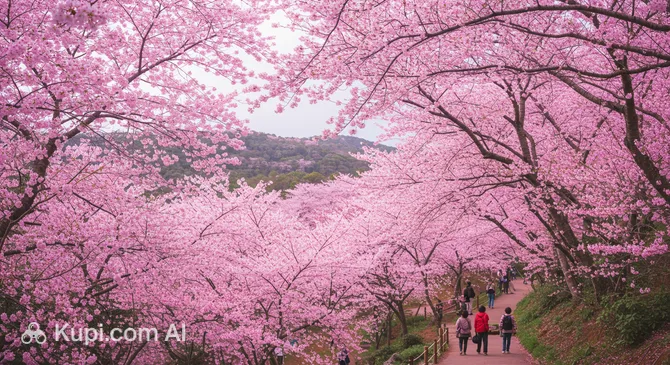
Yaedake Sakura Forest Park. Illustration.
Source: Kupi.com AI

Traveler photos:

  • Motobu is home to one of the world's most impressive aquariums, where a giant tank named after the Kuroshio warm current allows you to observe whale sharks and manta rays. This current largely determines the rich marine biodiversity off the coast of Motobu.

  • Just 15 minutes by ferry from Motobu lies Minnajima Island, which locals sometimes call "Croissant Island" because of its distinctive crescent shape. It is famous not only for its white beaches and crystal-clear water but also as a nesting site for rare species of sea turtles.

  • Mount Yaedake in Motobu, home to Yaedake Sakura-no-Mori Park, is known as one of the first places in Japan where cherry blossoms bloom. Thanks to Okinawa's warm climate, the pink petals of Kanhizakura (Taiwan cherry) decorate the mountain slopes as early as January, long before the main sakura season in the rest of the country.

  • Seafaring traditions remain strong in Motobu. Colorful festivals dedicated to the sea and fishing are held regularly, where you can see traditional Okinawan "sabani" boats and witness ancient rituals of gratitude to the ocean for its bounty.

How to Get There

The most convenient way to reach the town of Motobu on Okinawa Island is by air, using one of the nearest airports. The main transport hub for most travelers is the international airport on the main island.

The primary and largest airport serving the region is Naha Airport (OKA). It is located in Naha, approximately 57 km south of Motobu. This major international airport handles numerous flights from both other parts of Japan and abroad. A trip from Naha Airport to Motobu by car or taxi takes about 1 hour and 45 minutes, depending on traffic. Bus routes are also available.

Another option, though smaller, is Yoron Airport (RNJ), located on the nearby island of Yoronjima, about 66 km from Motobu (including the sea route). This small airport mainly serves regional flights. Reaching Motobu from Yoron Airport requires a ferry crossing to Okinawa Island followed by ground transport, which takes significantly longer.

For your convenience, here is a summary of the main airports through which you can reach Motobu:

AirportPassenger trafficDistance
Naha Airport21.5 mln57 km
Yoron Airport145 91866 km
Okinoerabu Airport197 000117 km
Kume-jima Airport221 325122 km
Tokunoshima202 021163 km

There is no direct rail connection to Motobu, as Okinawa does not have the extensive railway network typical of mainland Japan. The main ways to get around Okinawa, including travel to Motobu from the airport or other cities, are by road (rental cars, taxis) and buses. You should also consider using ferries for travel between the islands of the Ryukyu archipelago if your itinerary includes visiting islands other than Okinawa.

Main Attractions

Motobu, a charming town in northern Okinawa, attracts travelers with its picturesque beaches, unique natural sites, and opportunities for exciting family holidays. Here, everyone will find something to their liking, from relaxing on the coast to exploring the amazing underwater world and the beauty of blooming cherry blossoms.

One of the most popular spots in Motobu is Motobu Genki Village. It is more than just an aquarium; it is an interactive marine park where visitors can not only observe various marine inhabitants but also interact with dolphins and participate in various water programs. Genki Village is an excellent choice for a family vacation and promises plenty of positive emotions.

Motobu Genki Village. Illustration.
Source: Kupi.com AI

Traveler photos:

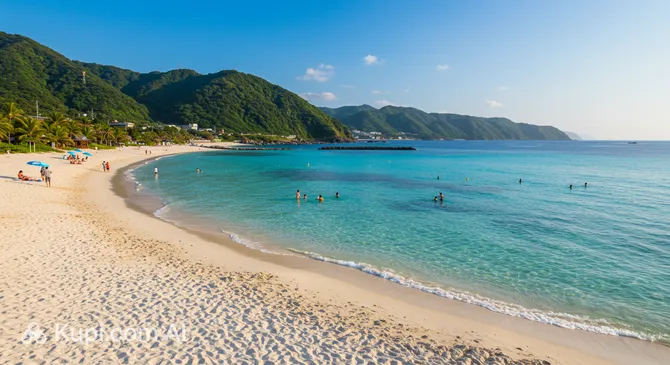
Beach lovers should definitely visit Antihama Beach. It is famous for its crystal-clear sea and white sand, creating ideal conditions for swimming, snorkeling, or simply spending a serene time under the sun. The beach offers breathtaking views, which are especially picturesque at sunset.

Anchihama Beach. Illustration.
Source: Kupi.com AI

Traveler photos:

Another natural gem of Motobu is Yaedake Sakura-no-Mori Park. This place is particularly transformed during the cherry blossom season, which occurs here as one of the first in Japan—usually from January to February. Thousands of delicate pink flowers cover the slopes of Mount Yae, creating a truly magical sight. The park also offers scenic hiking trails year-round, allowing visitors to enjoy the beauty of the local nature.

Yaedake Sakura Forest Park. Illustration.
Source: Kupi.com AI

Traveler photos:

Local Cuisine

The gastronomic scene in Motobu is a vibrant reflection of Okinawa's rich culinary traditions. Here, everyone will find a dish to their taste, from the freshest seafood to hearty meat delicacies steeped in local flavor. Prepare for a true feast of taste, where every dish tells a story of the island.

The main pride of the local cuisine is, undoubtedly, the freshest seafood. Be sure to try the tuna, sea urchins, and cuttlefish. Special attention should be given to the famous Okinawan fish gurkun, which is masterfully grilled or served as delicate sashimi. Don't miss the local oysters and shrimp, caught literally right off the town's coast. For fans of the exotic, Okinawan seaweeds like umimaru and "sea grapes"—umibudo—are a must-try, usually served with a refreshing citrus soy sauce.

In addition to seafood, Motobu is famous for its meat dishes. A hallmark of Okinawan cuisine is rafute—pork belly simmered in a sweet sauce until it literally melts in your mouth. This dish perfectly demonstrates the unique combination of flavors characteristic of regional gastronomy.

For dessert or a snack, look for traditional Okinawan sweets. Try chimagu (steamed rice cakes) or sata-andagi (fluffy, slightly sweet Okinawan donuts). Local markets will delight you with an abundance of fresh tropical fruits such as pineapples, mangoes, and papayas. Popular drinks include refreshing sanpin-cha (Okinawan jasmine tea), and local alcoholic beverages like "Orion" beer and the traditional strong spirit awamori.

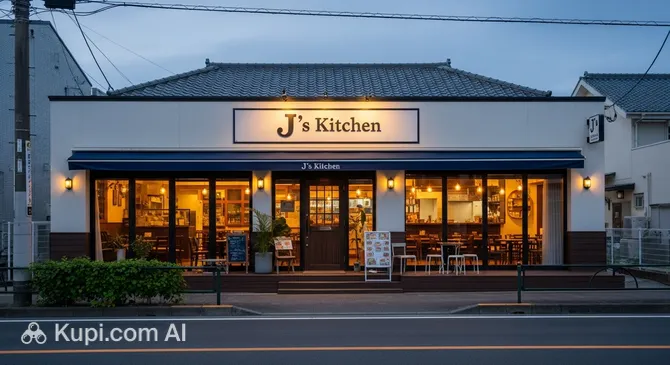
You can get acquainted with Motobu's cuisine in a variety of places. Locals and tourists often choose cozy restaurants serving both traditional and modern dishes. For example, check out J's Kitchen to sample local specialties. Additionally, small stalls with street food and traditional sweets can be found on the town's streets, while local markets offer the freshest produce and fruits. In the summer, Motobu hosts a colorful food festival where you can fully immerse yourself in a celebratory atmosphere of culinary discoveries.

J's Kitchen. Illustration.
Source: Kupi.com AI

Traveler photos:

Travel Tips

Planning a trip to the charming Motobu? To ensure your journey through this picturesque corner of Okinawa is as comfortable as possible and leaves only the best memories, we have prepared some updated and practical tips for you.

  1. Clothing and Essentials: The climate in Motobu is subtropical, so in summer and early autumn, choose lightweight, breathable clothing made from natural fabrics, swimwear, a hat, sunglasses, and high-SPF sunscreen. During the winter months (December–February), it can be cool, especially in the evenings, so a light jacket or sweater will come in handy. Be sure to bring comfortable walking shoes, as exploring the surroundings on foot is a delight. Don't forget an adapter for your electronics: Japan uses 100V, with Type A and B sockets. When visiting local temples or shrines, modest clothing covering shoulders and knees is recommended as a sign of respect for local traditions.
  2. Transportation: Motobu is a small town, and public transport is mainly represented by buses, whose schedules may not always be convenient for tourists. The optimal way to explore Motobu and its surroundings is by renting a car or scooter. This will give you freedom of movement and allow you to visit secluded beaches and viewpoints. Taxis are available but can be quite expensive for frequent trips. Ride-hailing apps like JapanTaxi or DiDi may have limited coverage in small towns like Motobu. It's better to check availability upon arrival or rely on traditional taxi stands and orders via your hotel.
  3. Finances: The local currency is the Japanese Yen (JPY). You can exchange money at the airport upon arrival or at banks in larger cities. In Motobu, exchange offices may be limited. Credit cards (Visa, Mastercard) are accepted in many hotels, restaurants, and large stores, but it's always useful to carry cash for smaller establishments, local markets, and bus fares. ATMs that accept international cards can be found in post offices (Japan Post Bank) and 7-Eleven convenience stores. Tipping in Japan is not expected and may be perceived as an insult. An estimated daily budget per person (excluding accommodation) could range from 7,000 to 15,000 yen, depending on your dining and entertainment plans.
  4. Health and Safety: Pharmacies (look for the sign 薬 - "kusuri") exist, but the selection of medicines may differ from what you're used to, and instructions will be in Japanese. It's recommended to bring a small first-aid kit with essential medications. 24-hour pharmacies in Motobu are rare; most work standard hours. In case of emergency, it's best to ask your hotel staff for help; they can point you to the nearest open pharmacy or medical facility. Motobu, like Japan in general, is considered a very safe place with low crime rates. However, standard precautions like looking after personal belongings are never out of place.
  5. Communication: The official language is Japanese. English is common in tourist spots like the famous Churaumi Aquarium, but overall proficiency among the local population may be limited. Learning a few basic Japanese phrases will be appreciated by the locals. For easy connectivity, it's recommended to purchase a tourist SIM card with internet access or rent a pocket Wi-Fi router. Free Wi-Fi is available in some hotels and public places. For navigation and route planning, apps like Google Maps are useful. For translation, you can use Google Translate or similar software. For train schedules (less relevant for Motobu but useful for traveling around Japan in general), the HyperDia app is popular, although in Motobu, the primary transport is by bus and car.
  6. Local Etiquette: Japanese people are very polite and value respect. A slight bow is a traditional form of greeting. Maintain silence in public places, especially on transport. When visiting temples or someone's home, it is customary to remove your shoes. It is not common to eat while walking on the street (except in designated areas at festivals).
  7. What to Avoid: Do not talk loudly on your mobile phone in public transport or quiet public spaces. Also, avoid sticking chopsticks vertically into a bowl of rice—this is associated with funeral rituals and is considered bad manners. It is not common to point at people or objects with a finger; it's better to use an open palm.
  8. Extra Tip: Motobu is the gateway to the Churaumi Aquarium, one of Okinawa's main attractions. Plan your visit in advance, especially during peak season, to avoid long queues. Also, don't miss the chance to try unique Okinawan cuisine, such as "rafute" pork dishes or "goya champuru" bitter melon stir-fry.

We hope these updated tips help you better prepare for your trip and fully enjoy the hospitality and beauty of Motobu. We wish you an unforgettable journey through this amazing corner of Japan!

Entertainment & Nightlife

Evening Motobu offers guests a cozy and relaxed atmosphere, far from the noise of large metropolises. Here, nightlife is focused not so much on loud clubs as on the opportunity to spend a pleasant time in local restaurants and perhaps small bars, enjoying the tranquility and hospitality of Okinawa. Instead of bustling neon-lit quarters, you will find the charm of a coastal town where evening entertainment revolves around delicious food and leisurely strolls.

The main evening activities in Motobu are concentrated around restaurants where you can taste local and international cuisine. While there are few specialized nightclubs or large concert venues, some establishments may offer live music or extended hours, especially during the tourist season. The atmosphere in such places is usually very friendly and relaxed, attracting both tourists and locals. The dress code is generally casual, matching the resort mood.

Among the places to enjoy an evening, restaurants offering authentic dishes are worth mentioning. For example, you can stop by J's Kitchen for dinner in a pleasant setting, or visit Umi to Mugi to, known for its cuisine. These establishments are great for a quiet dinner with friends or family. It is recommended to check opening hours in advance, as many places may close relatively early.

J's Kitchen. Illustration.
Source: Kupi.com AI

Traveler photos:

When planning your evening in Motobu, it is best to focus on dinner, which usually starts around 6:00 PM to 7:00 PM. Prices in restaurants vary but generally remain affordable. For getting around the town in the evening, you can use a taxi or a rental car if you plan to visit places far from your hotel. Public transport can be less frequent in the evening.

Motobu is considered a very safe town, and evening walks along the lit streets and the waterfront are usually not a cause for concern. Nevertheless, it is always worth following standard precautions. If you need a taxi, you can call one through the hotel reception or find one at designated stands.

During the day, Motobu offers many interesting activities. You can visit the famous Motobu Genki Village aquarium, relax on the picturesque Antihama Beach, or explore natural wonders like Yaedake Sakura-no-Mori Park, especially if your trip coincides with the cherry blossom season.

Parks & Museums

Motobu, a charming town in Okinawa Prefecture, offers its guests not only picturesque natural beauty but also interesting opportunities for cultural leisure. Here, you can enjoy both tranquil green zones and educational entertainment, making it an attractive destination for a wide range of travelers.

Among Motobu's natural treasures, its beaches and parks stand out. Marine holiday lovers should definitely visit Antihama Beach. This beach is famous for its clean white sand and crystal-clear water, creating ideal conditions for swimming, sunbathing, and relaxed pastimes. For those who appreciate forest walks and blooming beauty, Yaedake Sakura-no-Mori Park is a must-visit. This place looks especially impressive in early spring when the slopes of Mount Yaedake, including the famous Cherry Blossoms on Mt. Yaedake, are covered in a delicate pink carpet. It is a wonderful place for hiking and admiring nature in all its glory.

Anchihama Beach. Illustration.
Source: Kupi.com AI

Traveler photos:

Yaedake Sakura Forest Park. Illustration.
Source: Kupi.com AI

Traveler photos:

While Motobu may not be famous for an abundance of traditional museums in the classic sense, the town offers unique places to learn about local culture and the amazing underwater world. One such iconic spot is Motobu Genki Village. This popular aquarium and marine entertainment center provides visitors with the opportunity to get closer to Okinawa's rich biodiversity, see many marine inhabitants, and even participate in interactive programs. It is a great place for family fun and for anyone interested in marine life.

Motobu Genki Village. Illustration.
Source: Kupi.com AI

Traveler photos:

Regarding historical monuments and prominent architectural structures, Motobu is more focused on natural and modern cultural attractions. There are not as many ancient ruins or historical buildings open to the general public in the town itself as there are in other regions of Okinawa. However, its charm lies in preserving the unique atmosphere of Okinawan life, which can be felt by walking through its streets and interacting with locals, as well as its proximity to significant natural sites and modern leisure centers.

To deeper experience the spirit of Motobu, don't limit yourself only to the main tourist routes. Stop by local restaurants to try authentic Okinawan cuisine, for example, at J's Kitchen or Umi to Mugi to. Watching the sunset at one of the lesser-known beaches or taking a leisurely stroll through colorful residential areas will give you equally vivid impressions and allow you to better understand this amazing corner of Japan.

Getting Around

When planning your travel around Motobu, keep in mind that it is a small town, and the public transport system reflects its size. The main form of public transport is buses, which connect different parts of the town and provide links to neighboring settlements on Okinawa. The route network may not be as dense as in large metropolises, so check schedules and routes in advance, especially if you plan to visit remote areas or popular attractions.

The payment system for buses in Motobu and Okinawa in general is quite standard. Most often, payment is made in cash when exiting the bus; it's recommended to have small change, as drivers may not always be able to break large bills. Some buses may accept local transit cards or nationwide IC cards (such as Suica, Pasmo, or OKICA), which greatly simplifies the payment process. When entering the bus through the rear door (if applicable), you take a ticket with a stop number, and when exiting through the front door, you pay the amount corresponding to your distance, as shown on the display above the driver.

Tourists are advised to check current bus schedules at stops, in tourist information centers, or on transport company websites, as they can change. Buses usually run on time, but the frequency may be low, especially in the evenings and on weekends. Single-trip tickets are usually bought directly on the bus. Long-term passes for tourists in small towns like Motobu are rare, but you can check for this information locally.

Besides buses, other ways to get around Motobu are available. Taxis can be found near major tourist sites, hotels, or called by phone; this is a convenient, though more expensive, option. Given Okinawa's layout with scattered attractions, many tourists prefer to rent a car, which gives maximum freedom of movement throughout the island, including the Motobu area. For short trips around town or along the coast, you can consider renting a bicycle—this allows you to enjoy the views at your own pace.

An important transport feature of Motobu is the presence of Motobu Port. From here, ferries depart to neighboring islands, such as Ie Island. If your plans include visiting nearby islands, the ferry will be an essential part of your travel route. It's not just a means of transport, but also an opportunity to enjoy a boat trip.

Accommodation

In the town of Motobu, a popular tourist destination in Okinawa Prefecture, travelers will find a variety of accommodation options to suit every taste and budget. The range of choices includes comfortable resorts, mid-range hotels, traditional Japanese guest houses (minshuku), as well as apartments and holiday homes, which are excellent for families or long-term stays.

Areas located near the coast and main attractions are particularly popular with tourists. Staying here provides easy access to beautiful beaches, such as Antihama Beach, and famous spots like Motobu Genki Village. By choosing accommodation in these parts of town, you can enjoy picturesque views and a convenient location.

Among the well-known accommodation options in Motobu are hotels such as Hotel Mahaina Wellness Resorts Okinawa and Ala Mahaina Condo Hotel. These resort complexes offer high levels of service, modern amenities, and often feature their own pools and restaurants, ensuring a comfortable and memorable stay for guests.

Hotel Mahaina. Illustration.
Source: Kupi.com AI

Traveler photos:

When planning a trip to Motobu, especially during peak seasons like the summer months or cherry blossom periods (if you also plan to visit Yaedake Sakura-no-Mori Park), it is recommended to book your accommodation in advance. This will allow you to choose the best value-for-money option and avoid availability issues.

The price range for accommodation in Motobu varies from budget options to luxury offerings. You can book housing through popular online platforms, travel agencies, or directly on hotel websites. Many hotels also offer special packages and discounts for early bookings or long stays.

Nearby Cities

For those looking to explore the surrounding area, Motobu serves as an excellent starting point for day trips to several interesting nearby locations:

CityPopulationDistance
Nago63 06011 km
Iejima4 30011 km
Onna10 85218 km
Kin11 25222 km
Uruma122 37131 km

Each of these cities offers its own unique attractions and experiences. Naha, the capital of Okinawa Prefecture, attracts tourists with the famous Shuri Castle, a UNESCO World Heritage site, the bustling Kokusai-dori Street with its numerous shops and restaurants, and the historic Tsuboya pottery district. Okinawa City offers the popular American Village entertainment complex with its Ferris wheel and diverse shops, as well as the Southeast Botanical Gardens, where you can enjoy nature. Uruma, located on the east coast, is famous for the ruins of Katsuren Castle, another UNESCO World Heritage site, and picturesque beaches like Ikei Beach, perfect for relaxation. Near Naha lies Urasoe, where you can explore the ruins of Urasoe Castle and visit the Urasoe Art Museum, which showcases local art. Ginowan will delight visitors with the beautiful Ginowan Tropical Beach, ideal for family vacations, and the modern Okinawa Convention Center, which frequently hosts various events.

These nearby destinations provide insight into the diverse culture and landscapes of the region. Each trip will provide new impressions and broaden your understanding of Japan and, specifically, Okinawa Prefecture.

Shopping & Souvenirs

Shopping in Motobu is more about experiencing local flavor and unique Okinawan goods than chasing global brands. The town is not known for massive shopping malls, but you can find interesting souvenirs, handmade crafts, and local delicacies here. The main focus is on small shops and stalls that reflect the culture and traditions of the region.

In Motobu, there isn't a single main shopping street where all shops are concentrated. Small souvenir shops, stores with local products, and daily goods can be found scattered around the town, especially near popular tourist sites and along central roads. You should also pay attention to hotel shops, which often have a good selection of souvenirs. For example, in the vicinity of complexes like Hotel Mahaina or Ala Mahaina Condo Hotel, you may find shops catering to tourists.

Ala Mahaina Condo Hotel. Illustration.
Source: Kupi.com AI

Traveler photos:

There are no large shopping malls in Motobu. Shopping here has a more intimate and authentic character. Instead of large complexes, you will discover individual shops offering unique items. If you need a wider selection, you may need to head to larger Okinawan cities.

While Motobu isn't known for large and noisy markets like some other parts of Japan, you can find small local outlets or stalls, especially if you wander through residential areas or look near the port area. These makeshift markets sometimes sell fresh local fruits, vegetables, and seafood, providing a glimpse into the daily life of the townspeople.

From Motobu and Okinawa as a whole, it is worth bringing back traditional souvenirs. Look for Shisa figurines (mythical lion-dog creatures that guard homes), Ryukyu glass products with their vibrant colors, and Bingata textiles with characteristic patterns. Local products are also popular: kokuto (brown cane sugar), sea salt, the local alcoholic drink awamori, and traditional chinsuko cookies. In souvenir shops, you can find other items inspired by the sea and the region's nature.

Most shops in Motobu, as in the rest of Japan, are typically open from 10:00 AM or 11:00 AM until 7:00 PM or 8:00 PM. Small family-run shops may have a more flexible schedule and might close earlier or have a day off mid-week. Regarding payment, cash (Japanese Yen) is still widely used, especially in small shops and markets. Credit cards are accepted in most hotels, large stores, and tourist areas, but it's always useful to have some cash on hand.

For foreign tourists in Japan, there is a consumption tax refund system (Tax-Free). Look for shops with the corresponding "Tax-Free Shopping" logo. Typically, to qualify for a refund, you must make a purchase over 5,000 yen (excluding tax) in one shop on one day and present your passport. The procedure can take place either directly at the cash register or at a dedicated service counter in the shop.

Reached the end of the page?

That means the route is fully explored