Support

Uruma

About

Uruma is a charming city located on the central coast of Okinawa Island in Japan. It is nestled comfortably between the azure waters of the East China Sea and the green hills of the Katsuren Peninsula. Uruma uniquely combines the tranquility of the countryside with the vibrant colors of island traditions. The city's territory covers not only the mainland but also the picturesque Yokatsu Islands, which are connected to the "mainland" by the famous Kaichu-Doro sea road. Here, it is easy to feel the breath of history and enjoy nature that seems perfectly designed for leisurely strolls.
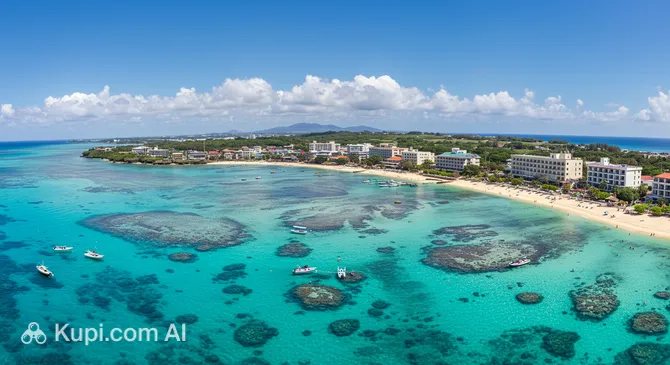
Uruma. Illustration.
Source: Kupi.com AI

With a population of about 122,000 people, Uruma maintains an intimate and friendly atmosphere, free from the bustle of the capital. It plays an important role in the administrative structure of Okinawa Prefecture while remaining a place of warm hospitality. Ancient traditions of Ryukyuan culture and modern amenities intertwine harmoniously in Uruma, creating comfortable conditions for travelers.

The city attracts tourists with its stunning landscapes, white sand beaches, and coral reefs. One of the key attractions is the Katsuren Castle Ruins, a UNESCO World Heritage site that offers breathtaking views. No less remarkable is the Kaichu-Doro sea road itself, leading to the islands of Henza, Hamahiga, Miyagi, and Ikei, each of which possesses its own unique charm and beautiful beaches.

Uruma is a wonderful opportunity to discover the slow-paced, authentic Okinawa, where the past and present coexist in harmony. If you are looking for a place for a peaceful getaway, an introduction to unique culture, and the enjoyment of natural beauty, Uruma will welcome you warmly.

You can find more interesting facts on the page about the history of Uruma city
Weather Overview

The weather in Uruma is characterized by a warm and humid climate throughout most of the year. Summer, especially in July and August, is hot, with average temperatures reaching 28.3°C - 28.4°C. Winters are mild, with average January temperatures around 17.9°C. Expect warm summers with periodic rains and cooler, but still humid, winters. The highest rainfall typically occurs in June, while September is noted for having the most rainy days.

To get a more detailed view of the weather conditions in different months, you can study Uruma's climate.

Average monthly temperature

Average monthly precipitation

Interesting Facts

Beyond its well-known landmarks, the city of Uruma in Okinawa holds many surprising secrets and unique features that reveal its character and history in a new light. Here are just a few interesting facts to help you see Uruma from a different perspective:

  • Uruma is home to the Katsuren Castle Ruins, a UNESCO World Heritage site. This ancient Ryukyuan castle, majestically situated atop a hill, was once the center of a powerful domain; legends still tell of the wisdom and wealth of its rulers, offering visitors breathtaking views of the sea and surroundings.

  • A unique feature of Uruma is Kaichu Doro (Sea Road) – an impressive engineering feat that literally runs across the water, connecting mainland Okinawa with the islands of Henza, Hamahiga, Miyagi, and Ikei. During high tide, it feels as if you are driving right on the surface of the ocean.

  • Ancient sacred sites have been preserved in Uruma and its adjacent islands, such as Hamahiga. Among them, the Shirumichu Cave and the Amamichu Tomb are especially revered, as they are linked to the creation myths of the Ryukyu Islands and the founding deities, Amamikiyo and Shinerikiyo.

  • The city and its islands are famous for their authentic festivals. Particularly vibrant celebrations take place on Hamahiga Island, considered a sacred place where, according to legend, the creator gods of Okinawa lived. These festivals are dedicated to the sea, bountiful harvests, and ancient Ryukyuan traditions, offering guests a unique cultural immersion experience.

How to Get There

When planning a trip to Uruma, most tourists choose air travel as the most convenient and fastest way to reach this city on Okinawa Island. Several airports serve the region, but one is key.

The main air gateway for those arriving in Uruma is Naha Airport (OKA). This is a large international airport located in Naha, about 29.3 km southwest of Uruma. Due to its status and high passenger traffic, it receives many flights from both other regions of Japan and from abroad. The trip from Naha Airport to Uruma by taxi or bus usually takes about 60-70 minutes, depending on traffic conditions.

Another option, though less direct for a trip to Uruma, could be Yoron Airport (RNJ). It is located on Yoronjima Island, approximately 91.5 km from Uruma. This small airport primarily serves domestic flights. Travelers arriving here will need to use a ferry service to Okinawa Island and then ground transport to Uruma, which will take significantly longer.

It is also worth mentioning Kumejima Airport (UEO), located on Kumejima Island, about 114.2 km from Uruma. This is also a regional airport, and like Yoron Airport, reaching Uruma would require an additional ferry crossing followed by travel across Okinawa Island.

For clarity, here is a summary of the main airports:

AirportPassenger trafficDistance
Naha Airport21.5 mln29 km
Yoron Airport145 91891 km
Kume-jima Airport221 325114 km
Okinoerabu Airport197 000144 km
Tokunoshima202 021191 km

After arriving at Naha Airport, which is the most convenient point of entry to Okinawa for a trip to Uruma, you can use various modes of transport. Buses run regularly to Uruma, and taxi services or car rentals are also available, allowing you to reach your destination in comfort. If your trip includes visiting other islands in Okinawa Prefecture, be sure to consider the ferry services between them.

Main Attractions

The city of Uruma, located on the picturesque island of Okinawa in Japan, attracts travelers with its unique blend of rich history, breathtaking natural beauty, and distinctive culture. Here, everyone will find something to their liking, whether it's exploring ancient ruins, relaxing on paradise beaches, or discovering the local cuisine.

One of the main historical gems of Uruma is the Katsuren Castle Ruins. This UNESCO World Heritage site, dating back to the 12th-13th centuries, was once the residence of a powerful Ryukyuan ruler. Today, visitors can walk along the ancient stone walls, enjoy stunning panoramic views of the Pacific Ocean and surrounding islands, and touch centuries of Okinawan history. This place will especially appeal to history buffs and those who appreciate impressive landscapes.

Equally famous is Kaichu Doro, a picturesque sea road stretching nearly 5 kilometers. This causeway connects the main part of Okinawa with several small islands, such as Henza, Hamahiga, Miyagi, and Ikei. The drive across Kaichu Doro is an attraction in itself, offering magnificent views of turquoise waters. Along the way, you can stop at the Ayahashi Sea Culture Museum to learn more about the region or simply enjoy the sea breeze. It's an ideal spot for a car or bicycle trip.

If you dream of a beach holiday, you must visit Ikei Island, accessible via Kaichu Doro. The island is famous for its magnificent beaches with white sand and crystal-clear water, such as Ikei Beach and Oodomari Beach. All conditions are created here for swimming, snorkeling, diving, and other water activities. This is a true paradise for those seeking peace and union with nature.

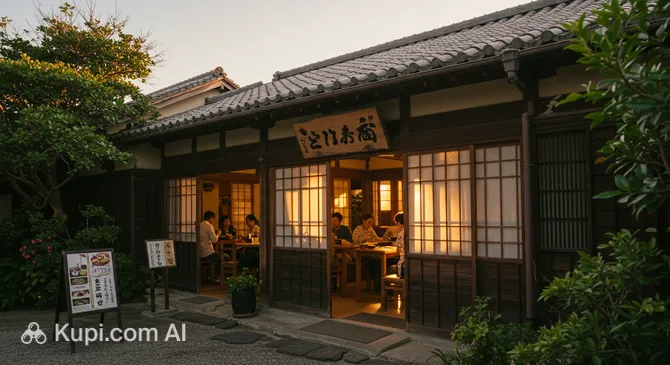
For those who want to dive deeper into local culture through gastronomy, the Izumi Shokudo restaurant will be a real discovery. Here, you can taste traditional Okinawan dishes prepared according to old recipes and feel the island's true hospitality. This is a great opportunity to get acquainted with the authentic flavors of the region and relax after a busy day of exploration.

Izumi Shokudo. Illustration.
Source: Kupi.com AI

Traveler photos:

Local Cuisine

Uruma's gastronomy is a fascinating journey into the world of Okinawan flavors, where the ancient traditions of Ryukyuan cuisine and the generous gifts of the ocean are closely intertwined. To taste local dishes is to touch the authentic culture of this coastal city.

Be sure to start your acquaintance with the local cuisine with Okinawa soba—a hearty soup with thick wheat noodles, tender slices of pork, and an aromatic broth. Another unique delicacy to try in Uruma is "umi-budo," or sea grapes. These small green beads with a salty taste burst pleasantly in the mouth, giving a sensation of sea freshness. Also popular is "Takara"—a local variation of takoyaki with an original filling. Do not miss the opportunity to enjoy the freshest seafood—shrimp, octopus, various fish, and seaweed dishes, which are prepared masterfully here.

Among drinks in Uruma, as in all of Okinawa, awamori is popular—a traditional strong alcoholic beverage distilled from rice. For non-alcoholic options, try the local jasmine tea, known as "sanpin-cha." Of course, other Japanese drinks are always available, including various brands of beer and sake.

The food culture in Uruma is diverse. Locals and tourists love to visit cozy family cafes and lively street food stalls, where you can taste pork, tofu, and seasonal vegetable dishes. Markets hold a special place, such as Urumarché, where you can not only buy the freshest products but also soak up the atmosphere of a real Japanese bazaar. If you are looking for a place to try authentic dishes, look for the Izumi Shokudo restaurant, known for its local cuisine.

Uruma's gastronomic scene attracts tourists with its originality, fresh ingredients, and the opportunity to discover rare Ryukyuan dishes. The city is also known for its food festivals, where you can try unique delicacies, traditional sweets, and even participate in culinary workshops, making the gastronomic experience in Uruma truly unforgettable.

Travel Tips

Welcome to Uruma, a charming city in Okinawa known for its picturesque coastlines and unique culture! To ensure your trip goes smoothly and leaves only pleasant impressions, we have prepared some practical tips.

  1. Clothing and Essentials: Uruma has a subtropical climate, so for most of the year, you will need light and breathable clothing. Pack a raincoat, especially if traveling during the rainy season (usually May-June). Don't forget sunscreen, a hat, and sunglasses. For walks and beach exploration, comfortable footwear is ideal. In Japan, type A and B electrical outlets are used (100V voltage), so you might need an adapter. When visiting certain sacred sites (utaki), modest clothing is preferred.
  2. Local Transport: The main mode of public transport in Uruma is the bus. Taxis are available but can be quite expensive. The optimal option for exploring the city and its scenic surroundings, including the many islands connected by bridges, is renting a car. For this, you will need an international driving permit.
  3. Finances and Currency: The official currency is the Japanese Yen (JPY). It's best to exchange money at the airport upon arrival or at major banks. Credit cards are accepted in many hotels, shops, and restaurants, but always carry some cash for small establishments, local markets, and fares on some types of transport. ATMs that accept international cards can usually be found at post offices (Japan Post Bank) and 7-Eleven stores. Tipping is not customary in Japan.
  4. Health and Safety: Pharmacies (look for the "薬" - kusuri sign) are available, but pharmacists don't always speak English. Medical help is accessible; however, it is highly recommended to have travel insurance before your trip. Uruma, and Okinawa in general, is considered a very safe place. Standard precautions will help avoid minor troubles. Be mindful of the strong sun and watch for warnings on beaches regarding marine life, such as jellyfish.
  5. Language and Communication: The official language is Japanese. In tourist areas, hotels, and among the youth, you may find English speakers, but overall English proficiency is not very high. Learn a few basic phrases: "Konnichiwa" (Hello), "Arigato" (Thank you), "Sumimasen" (Excuse me/I'm sorry). For staying connected, we recommend purchasing a tourist SIM card upon arrival or renting a pocket Wi-Fi router.
  6. Local Etiquette: Greetings are usually accompanied by a slight bow. In public places, especially on transport, try to keep noise levels down. It is customary to remove your shoes before entering private homes, some temples, and traditional restaurants. There are certain rules for using chopsticks—familiarize yourself with them to avoid awkward situations.
  7. What to Avoid: Try not to talk loudly on the phone in public places and on transport. Do not leave tips—it can cause confusion or even be perceived as impolite. Respect local shrines and traditions; do not touch or move ritual objects.
  8. Special Feature of Uruma: Be sure to explore Kaichu-Doro—the scenic sea road connecting the main part of the island with the islands of Henza, Miyagi, and Ikei. It's a wonderful place for a car or bike ride. Uruma is also famous for traditional Okinawan Togyu (bullfighting). If you are interested in this unique cultural phenomenon, check the fight schedule in advance.

We hope these tips help you better prepare for your trip and enjoy every moment of your stay in beautiful Uruma. We wish you an unforgettable journey!

Entertainment & Nightlife

Uruma in the evening offers its own special flavor for those seeking entertainment after sunset. While the city may not boast as many noisy nightclubs as Japan's major metropolises, it has a cozy and friendly atmosphere that allows for a deeper dive into local Okinawan life.

The main nightlife in Uruma is centered around local bars (izakayas), late-night restaurants, and karaoke bars. You won't find huge dance floors with world-class DJs here, but you can enjoy an authentic setting, delicious food, and drinks in the company of locals. Popular venues are often not concentrated on a single "bar street" but are spread across various districts, especially near busier commercial zones or close to the coast. The atmosphere in most places is quite relaxed, and the dress code is usually casual.

For a pleasant dinner that can smoothly transition into evening socializing, it's worth checking out the local restaurants. For example, Izumi Shokudo offers guests delicious meals and is one of the places where you can spend a good evening. Many izakayas offer a wide selection of local spirits, such as awamori, and various snacks. Operating hours for most such establishments are until midnight or slightly later, especially on weekends.

Regarding practical tips, the best time to visit bars and restaurants is Friday and Saturday evenings when locals also head out to relax. Prices in Uruma are generally moderate. Getting around at night is most convenient by taxi, as public transport may run less frequently or stop service. You can call a taxi by phone or find one at designated stands. Uruma, like most cities in Japan, is considered safe; however, it is always worth following standard precautions, especially if you are walking late at night alone.

During the day, Uruma also offers various leisure options. You can explore local parks, visit small museums dedicated to Okinawan culture and history, or simply enjoy walks through the picturesque surroundings. Some cultural centers may offer evening performances or events, but these usually require prior booking and checking the schedule.

Parks & Museums

Uruma, stretching across the picturesque coast of Okinawa, attracts travelers not only with its magnificent beaches but also with the opportunity to immerse themselves in a rich cultural and historical heritage. The city and its surroundings offer various parks for outdoor relaxation and interesting museums that tell the unique history of these places.

One of Uruma's natural hallmarks is Kaichu-Doro (Sea Road). This impressive five-kilometer causeway bridge connects the main part of Okinawa with the islands of Henza, Hamahiga, Miyagi, and Ikei. The drive across Kaichu-Doro itself is a thrilling adventure with panoramic views of the turquoise sea. The road provides access to wonderful beaches, such as the popular Ikei Beach with its white sand and crystal-clear water, ideal for swimming and water sports. The islands are also famous for secluded coves and opportunities to enjoy nature.

For those looking for a unique nature experience, Bios no Oka park will be a real discovery. This is an extensive subtropical garden where you can leisurely stroll through lush greenery, admire a collection of orchids, take a boat trip on the lake, or even ride in a carriage drawn by a water buffalo. The park is perfect for family vacations and getting to know the flora and fauna of Okinawa.

In the city of Uruma itself, Uruma City General Park (Uruma-shi Sogo Koen) serves as a place for outdoor relaxation and active recreation. Here, you'll typically find playgrounds for children, sports facilities, and vast green areas where you can have a picnic or just rest in the shade of the trees.

The main historical treasure of Uruma is the Katsuren Castle Ruins (Katsuren-jo Ato). This majestic castle, dating back to the 12th-13th centuries and included in the UNESCO World Heritage list, was once an important center of the Ryukyu Kingdom. Today, visitors can explore its powerful stone walls and towers, which offer breathtaking views of the surrounding area. This place literally breathes history, allowing you to touch Okinawa's past.

To gain a deeper understanding of local culture and history, it is worth visiting the Uruma City Historical and Folk Museum (Uruma Shiritsu Rekishi Minzoku Shiryokan). The museum's exhibits highlight various aspects of life in the region, from ancient times to the present. Here you can learn about traditional life, crafts, customs, and key events that shaped Uruma.

Hamahiga Island, easily accessible via Kaichu-Doro, is a cultural asset in itself. It is famous for its well-preserved traditional Okinawan villages and sacred sites associated with ancient legends about the creation of the Ryukyu Islands. A walk around Hamahiga Island will provide a sense of authenticity and allow you to touch the spiritual roots of Okinawan culture.

In addition to its well-known landmarks, Uruma hides many opportunities for authentic experiences. Explore the less crowded beaches on the islands accessible via Kaichu-Doro, or stop by local markets to try the freshest seafood and traditional Okinawan dishes. It is also worth paying attention to small craft workshops where you can purchase unique handmade items as souvenirs.

Getting Around

When planning your travel around Uruma, keep in mind that the primary mode of public transportation is the bus. The urban and suburban bus network connects various districts of Uruma and also allows you to reach neighboring towns on Okinawa Island. There is no metro, tram, or trolleybus in Uruma, which is typical for cities of this size in the region.

The bus fare payment system is quite simple. Most often, payment is made in cash when getting off the bus. Upon entering through the rear or middle door, you take a ticket (整理券 - seirikun) with your stop number on it. An electronic board above the driver displays the fare for each number as the bus moves. Bus fares on Okinawa usually start from 160-200 yen for short trips and increase depending on the distance. If you don't have the exact amount, there is usually a machine on the bus to change coins and 1,000-yen bills. Additionally, the OKICA transport IC card is used in Okinawa, which can be used to pay for buses and the monorail in Naha. You can purchase and top up an OKICA card at monorail station machines, some bus terminals, and konbini (convenience stores). Tourists who have other Japanese IC cards (such as Suica or Pasmo) should check if they can be used on specific bus routes in Uruma, as coverage may not be complete.

To make your bus ride go smoothly, remember a few tips. Enter the bus through the rear or middle door and don't forget to take a ticket if you are paying cash or if your OKICA card wasn't scanned upon entry (depending on the type of bus). You should alert the driver to your stop in advance by pressing one of the special buttons located on the handrails or walls. Payment or card scanning occurs as you exit through the front door, next to the driver. Buses usually run on a schedule, which can be found at stops or on transport company websites. Keep in mind that intervals between buses may increase in the evenings and on weekends.

Besides buses, other ways to get around Uruma are available. Taxis can be found at large shopping centers and hotels or called by phone, though this is a more expensive option. For more flexible exploration of Uruma and the entire island of Okinawa, many tourists prefer renting a car. This is especially convenient if you plan to visit remote beaches or attractions where public transport is infrequent. Make sure you have an international driving permit. In some areas of the city, you can also find bicycle rental points, which are a great way for leisurely rides and exploring the surroundings over short distances.

Accommodation

In the city of Uruma, travelers will find a variety of accommodation options to suit different preferences and budgets. The choices range from cozy guesthouses and apartments for those seeking a home-like atmosphere to mid-range hotels and more luxurious resort complexes offering a wide range of services.

When choosing a place to stay in Uruma, it's worth considering areas located near the coast, especially if your goal is a beach holiday and water sports. Options near major transport links or the attractions you are interested in can also be convenient. Since the city is spread across a large area, including several islands connected by bridges, the choice of neighborhood can significantly impact your daily travels.

The price range for housing in Uruma varies: you can find budget options as well as mid-range and high-end offers. It is most convenient to book accommodation through popular online platforms or directly on hotel websites. This is especially relevant if you plan a trip during peak tourist season or during major local festivals—in such cases, it is recommended to take care of booking in advance to ensure the best choice and prices.

Nearby Cities

For those wanting to explore the surroundings, Uruma serves as an excellent starting point for day trips to several interesting nearby places. Each offers something unique, complementing your island travel experience.

Naha, the capital of Okinawa Prefecture, is only 26 km away. This vibrant city attracts tourists with the famous Shuri Castle, a UNESCO World Heritage site, the bustling Kokusai-dori shopping street, and the historic Tsuboya district, known for its pottery. A trip to Naha is an immersion into the rich history and culture of Ryukyu.

The city of Okinawa, located just 7 km from Uruma, offers a unique blend of traditional Okinawan culture and American influence due to its proximity to major military bases. Here you can visit the Southeast Botanical Gardens, the Okinawa Zoo & Museum, and enjoy a variety of shops and restaurants. It's a great place to feel the island's modern pulse.

Urasoe, located about 20 km away, will interest history buffs with its Urasoe Castle Ruins, which offer beautiful views. The city also houses the Urasoe Art Museum. This is a quieter destination for those who want to delve into the region's past.

Here are some of the nearest cities to consider for your itinerary:

CityPopulationDistance
Katsuren40 5415 km
Okinawa142 0947 km
Kadena13 30110 km
Chatan28 16711 km
Kitanakagusuku17 03811 km

These nearby destinations provide insight into the diverse culture and landscapes of Okinawa Prefecture, enriching your journey with new discoveries.

Shopping & Souvenirs

Shopping in Uruma offers tourists a chance to discover both modern Japanese goods and unique Okinawan crafts. The city may not be a major shopping destination in Japan, but you can find interesting local products and souvenirs here that reflect the region's culture.

In Uruma, there is no single prominent central shopping street as in major metropolises. Shops are generally spread across the city. Small shopping zones can be found near major transport hubs or in central districts, where both chain stores and private shops are located. Look for shopping opportunities as you explore Uruma's various neighborhoods.

While Uruma is not famous for giant shopping malls, you can find several medium-sized shopping centers and department stores that will satisfy basic consumer needs. They offer an assortment of clothing, electronics, household goods, and food. These places are often centers of local activity and can offer a good selection of everyday goods.

For a more authentic experience, look for local markets in Uruma if available. Traditional markets in Japan often specialize in fresh produce, seafood, and may also offer local delicacies and crafts. Visiting such a market is an excellent opportunity to dive into the city's daily life, find unique items, and interact with the locals.

Unique souvenirs worth bringing back from Uruma and Okinawa in general include Ryukyu glass items, known for their brightness and beauty; colorful Bingata fabrics with traditional patterns; and local ceramics, including Shisa figurines (mythical creatures resembling lion-dogs, considered guardians of the home). Also popular are local products: Kokuto (black cane sugar), the traditional alcoholic beverage Awamori, or various types of sea salt. These items will be a wonderful reminder of your trip to Okinawa.

Most shops in Uruma, as in Japan in general, are usually open from 10:00 or 11:00 AM until 7:00 or 8:00 PM. Large shopping centers may stay open longer, sometimes until 9:00 or 10:00 PM. Small family-run shops may have their own schedules. Regarding payment, credit cards (Visa, Mastercard, JCB, American Express) are widely accepted in most stores, restaurants, and hotels. However, it is always useful to carry some cash (Japanese Yen), especially for purchases in small shops, at markets, or in some temples.

Foreign tourists in Japan can take advantage of the Tax-Free system at licensed stores. This is usually possible for purchases over 5,000 yen (excluding tax) in one store on one day. Goods must be purchased for personal use and taken out of the country. To process the tax refund, you will need to present your passport with a valid entry visa/stamp. Look for shops with the "Japan Tax-Free Shop" sign or ask the clerks about tax-free possibilities.

Reached the end of the page?

That means the route is fully explored