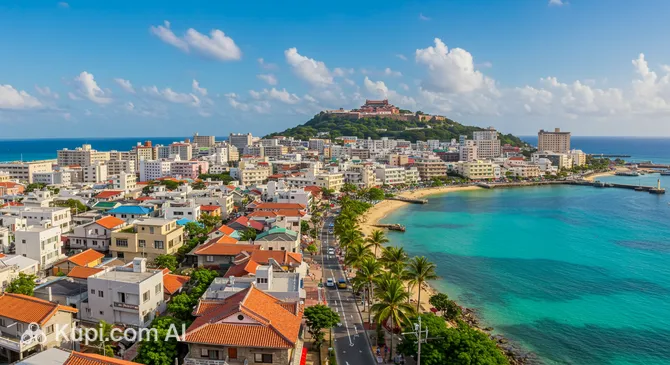
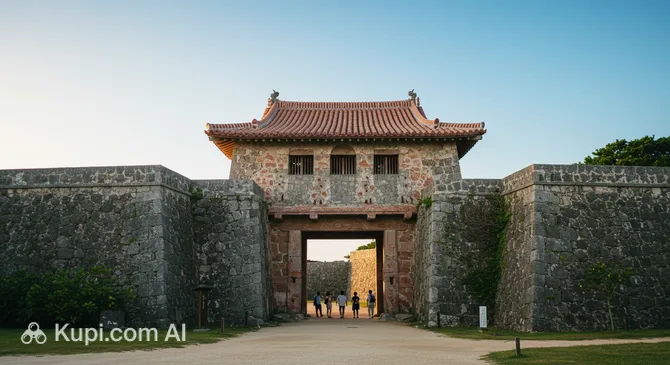
Naha is the vibrant administrative center of Okinawa Prefecture and the main gateway to Japan's southern tropical islands. The city charms with its unique atmosphere, where modern Japanese trends and the distinct Ryukyu culture are harmoniously intertwined. Located in the south of Okinawa Island, Naha boasts a warm subtropical climate, making it an attractive destination to visit year-round. The city's population is approximately 316,000 people.
Naha. Illustration.
Source: Kupi.com AI
Naha offers tourists many interesting places to explore. One of the city's main arteries is Kokusai-dori, or "International Street," which stretches for about 1.6 km. It is home to numerous shops, restaurants, souvenir stalls, and entertainment venues where you can feel the pulse of modern Okinawa. An equally significant attraction is the majestic Shuri Castle (Shurijo), a UNESCO World Heritage site. This former residence of the Ryukyu kings allows visitors to touch the rich history of the islands. It is also worth visiting the colorful Makishi Public Market, where you can sample the freshest seafood and local delicacies.
Beyond its iconic landmarks, Naha attracts visitors with its unique culture, which is evident in its music, dance, traditional crafts, and, of course, its cuisine. This is a city that warmly welcomes guests and offers a unique experience, combining a relaxed island rhythm with the energy of a modern metropolis. A visit to Naha is an excellent starting point for exploring Okinawa and its amazing heritage.
The weather in Naha will delight you with warmth almost year-round thanks to its subtropical climate. There are no harsh winters here, and summer provides a sunny mood. In general, expect a warm and sometimes hot summer with periodic rain, and a mild, also rainy winter. For example, the average January temperature is around 18.2°C, while in August the thermometer stays at 28.4°C. Rain occurs throughout the year, but the wettest months, both in terms of rainfall (for example, 8-10 mm in May-June) and the number of rainy days (15-19 days in May, June, August, and September), are the summer and early autumn. To get the most up-to-date information and plan your wardrobe, visit the Naha Climate page.
Average monthly temperature
Average monthly precipitation
Interesting Facts
Beyond its well-known attractions, Naha is full of surprising details and stories. Here are just a few lesser-known facts that will help you see this charming city in Japan in a new light:
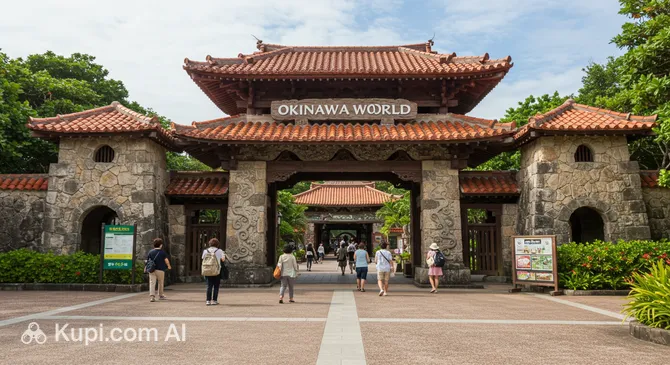
Okinawa World. Illustration.
Source: Kupi.com AI
Traveler photos:
Rising from the Ashes: The city's main artery, Kokusai-dori, literally rose from the ruins after World War II. Originally, it was a kilometer-long flea market, and its name "International Street" reflects its colorful and multinational past.
Giant Tug of War: Every year, Naha hosts the Naha Otsunahiki—a grand tug-of-war competition. This event is listed in the Guinness World Records for using the world's largest rice straw rope, and it attracts tens of thousands of participants and spectators from all over the world.
Okinawa's Only Railway: The Yui Rail monorail in Naha is the only railway line in the entire Okinawa Prefecture. It not only connects the airport with the city center and the historic Shuri district but also allows passengers to enjoy scenic views of the city during the ride.
Ancient Pottery Center and Ryukyu Heritage: The Tsuboya district in Naha is famous as the center for traditional Tsuboya-yaki pottery, a history that dates back to the 17th century during the Ryukyu Kingdom. You can touch the rich cultural heritage of the islands by, for example, visiting Okinawa World, where a traditional Ryukyu village has been recreated and many aspects of local culture are presented.
How to Get There
The most convenient way to reach Naha, the bustling capital of Okinawa Prefecture, is by air. The city is served by several airports, the most important of which is Naha Airport (OKA). This major international airport, which receives many flights from both other regions of Japan and abroad, is located on Okinawa Island, just 3.8 km from the city center. A taxi or bus ride to central Naha from here takes approximately 25-30 minutes, making it the most convenient arrival point.
For those planning to explore other islands of the Ryukyu archipelago, or whose itinerary includes Kume Island, it is useful to know about Kumejima Airport (UEO). It is located on the island of the same name, approximately 97.8 km west of Naha. This regional airport serves mainly domestic flights. You can get from Kume Island to Naha by ferry or by taking a short flight.
For clarity, here is a summary of the main airports that can be used for traveling to Naha or within the Okinawa region:
In addition to air travel, it is worth remembering that Naha is a major port. You can also reach the city or travel to neighboring islands of the Ryukyu archipelago by ferry. We recommend checking schedules and routes with local ferry companies in advance if you plan to travel this way.
Main Attractions
Naha, the capital of Okinawa, is full of amazing places, each telling its own story and offering unforgettable experiences. Here are just a few of the attractions worth including in your itinerary:
One of the most impressive natural landmarks is Gyokusendo Cave. It is one of the largest karst caves in Japan, stretching for 5 kilometers underground, with about 890 meters open to the public. Inside, stunning stalactites and stalagmites formed over millennia await you, along with quiet underground streams. Visiting the cave is a true immersion into a mysterious subterranean world, often part of the larger Okinawa World theme park.
Gyokusendo Cave. Illustration.
Source: Kupi.com AI
Traveler photos:
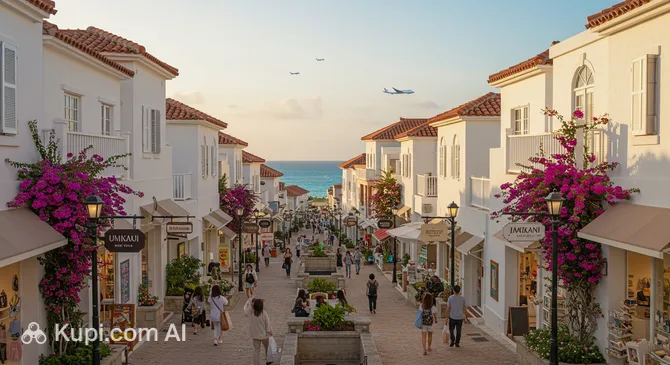
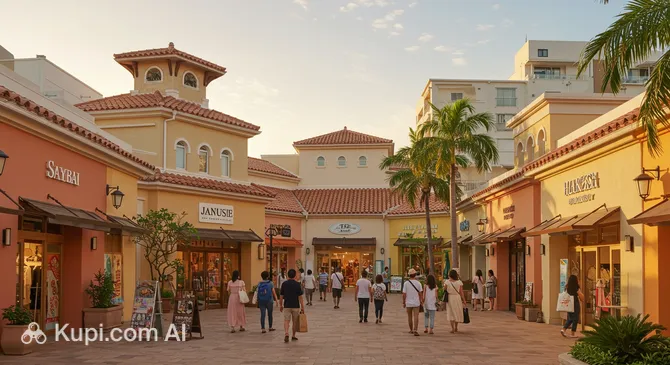
For those seeking modern entertainment and beautiful views, Umikaji Terrace Senagajima is an ideal choice. This stylish complex of shops and restaurants, built in a Mediterranean style, is located on Senaga Island, near the airport. It offers magnificent panoramas of the ocean and the airport runway, making it a popular spot for relaxing, shopping, and enjoying local and international cuisine.
Umikaji Terrace Senagajima. Illustration.
Source: Kupi.com AI
Traveler photos:
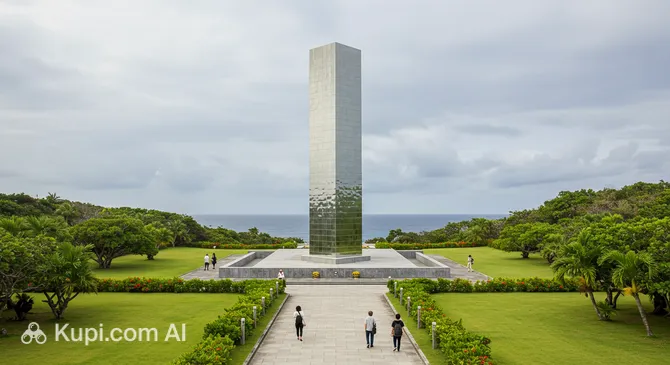
A deeply moving and important site for understanding the island's history is the Okinawa Peace Memorial Park. This vast park is dedicated to the memory of the victims of the Battle of Okinawa. Here you will find the Peace Memorial Museum as well as the famous "Cornerstone of Peace"—walls inscribed with the names of all those who perished in that tragedy. The park not only serves as a reminder of the past but also as a symbol of the pursuit of peace, offering visitors a serene atmosphere and ocean views.
Okinawa Peace Memorial Park. Illustration.
Source: Kupi.com AI
Traveler photos:
If you are traveling with family or simply love marine life, be sure to visit the Kariyushi Aquarium. This modern aquarium offers a fresh perspective on the underwater world, combining displays of diverse marine ecosystems with the latest technology and artistic elements. Interactive zones and immersive installations make a visit here both exciting and educational for visitors of all ages.
Kariyushi Aquarium. Illustration.
Source: Kupi.com AI
Traveler photos:
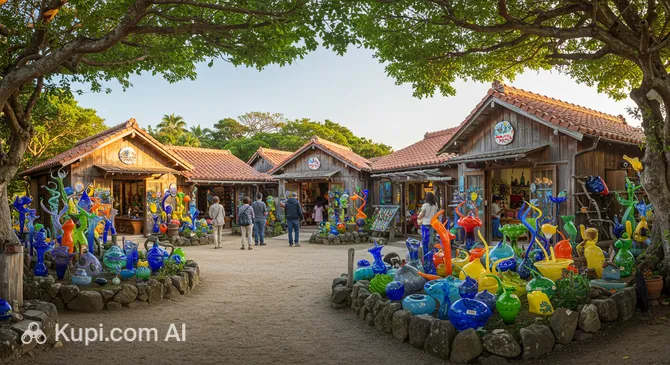
You can get acquainted with a unique local craft at the Ryukyu Glass Craft Village. Here, you can not only see how masters create the famous Okinawan Ryukyu glass, known for its vibrant colors and original shapes, but also purchase unique souvenirs. For those interested, workshops are available where everyone can try their hand as a glassblower and create their own masterpiece.
Ryukyu Glass Village. Illustration.
Source: Kupi.com AI
Traveler photos:
Local Cuisine
The cuisine of Naha is a true gastronomic adventure, reflecting the unique culture of Okinawa, historically known as the Ryukyu Kingdom. Local dishes differ significantly from traditional Japanese cuisine, having absorbed influences from China and Southeast Asia, and utilizing many unique local ingredients. The Okinawan diet is famous for its health benefits, and experiencing it is an integral part of a trip to Japan, especially to this colorful region.
Be sure to try Okinawa's signature dishes. Goya champuru is a famous stir-fry with bitter melon (goya), tofu, egg, and often pork, which is a hallmark of the local cuisine. Another iconic dish is rafute, tender braised pork belly slowly cooked in soy sauce and the local alcoholic drink, awamori. One cannot overlook Okinawa soba—thick wheat noodles in a flavorful broth, often served with pieces of rafute or braised pork ribs (soki).
Regarding drinks, awamori is noteworthy—a traditional Okinawan distilled beverage made from long-grain indica rice. Its strength and flavor vary depending on its age. Beer lovers will enjoy the local Orion beer, which is an excellent thirst quencher on a hot day. Among non-alcoholic drinks, sanpin-cha—a refreshing jasmine tea—is popular, along with various juices made from fresh tropical fruits.
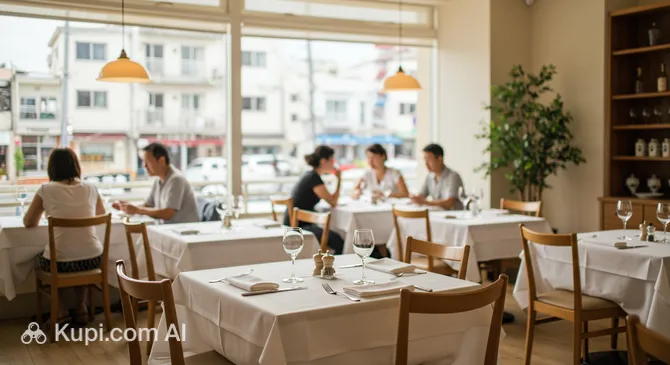
The culinary scene in Naha is diverse: from cozy family restaurants serving authentic Ryukyu dishes to lively izakayas (Japanese pubs) and modern cafes. Locals and tourists alike enjoy visiting markets like the famous Makishi Public Market to try the freshest seafood and local delicacies. To dive deeper into the world of Okinawan cuisine, you can visit one of the local restaurants, such as Eibun, where you can taste traditional dishes in an authentic atmosphere.
Eibun. Illustration.
Source: Kupi.com AI
Traveler photos:
Overall, Naha's cuisine is a vibrant blend of flavors, traditions, and health benefits. It offers tourists not just food, but a complete cultural experience that allows for a better understanding of the soul of Okinawa. Don't miss the opportunity to enjoy unique dishes that you won't find anywhere else in Japan!
Travel Tips
Welcome to Naha, the sunny capital of Okinawa! To make your journey through this amazing city in Japan as comfortable and rewarding as possible, we have prepared some practical tips for you.
Clothing and Essentials: What to Pack
Naha has a subtropical climate, so it is warm and humid for most of the year. In summer (June-September), choose light, breathable clothing made of natural fabrics, a hat, sunglasses, and sunscreen. Don't forget a raincoat or umbrella, as downpours are common, especially during the rainy season (May-June and August-September). In winter (December-February), a sweater or fleece and a light jacket will come in handy. Comfortable shoes are your best friend, as exploring the city on foot is very pleasant. Bring a universal adapter (Type A sockets are used in Japan, voltage 100V) and a portable charger. When visiting temples and shrines, choose modest clothing that covers your shoulders and knees.
Transport: Getting Around Naha
The main mode of public transport in Naha is the Yui Rail monorail. It connects the airport with the city center, Kokusai-dori street, and Shuri Castle. This is a fast and convenient way to get around. The city also has a well-developed bus network covering areas where the monorail does not go. Taxis are available but can be quite expensive; have your destination address written in Japanese. If you plan to actively explore the whole of Okinawa Island, consider renting a car. Remember that traffic in Japan is on the left, and you will need an international driving permit.
Finances: Currency, Cards, and Tipping
The local currency is the Japanese Yen (JPY, ¥). You can exchange currency at the airport, banks, or exchange offices. Credit cards (Visa, Mastercard) are accepted in most large hotels, shops, and restaurants. However, it is always useful to have cash on hand, especially for payments in smaller establishments, markets, or taxis. Withdrawing cash with international cards is possible at Japan Post Bank ATMs (in post offices) and at 7-Eleven convenience stores. An approximate daily budget per person (excluding accommodation and expensive excursions) might be 7,000-15,000 JPY. Important: in Japan, tipping is not practiced and may be perceived as a misunderstanding or even impoliteness.
Health and Safety: Be Prepared
Pharmacies (marked with the sign 薬 – "kusuri") are easy to find in Naha, but not all of them are open 24/7, and the selection may differ from what you are used to. It is recommended to carry a small first-aid kit with essential medicines. Medical assistance for tourists is available, and some clinics have English-speaking staff, but services can be expensive. Having travel medical insurance is essential. Naha, like Japan in general, is considered a very safe city. Nevertheless, observe basic precautions: keep an eye on your belongings in crowded places and avoid displaying large amounts of money.
Communication: Language and Connectivity
The official language is Japanese. In tourist centers, hotels, and at popular attractions, staff often speak English, but proficiency may be lower elsewhere. Learn a few basic Japanese phrases: "Konnichiwa" (Hello/Good day), "Arigato" (Thank you), "Sumimasen" (Excuse me/I'm sorry). For convenience, you can purchase a local SIM card or rent a pocket Wi-Fi router at the airport. Free Wi-Fi is often available in hotels, cafes, and some public places. Google Maps for navigation and Google Translate for translation will be very useful.
Local Etiquette: Respect Traditions
Japanese people highly value politeness and respect for others. Greetings are usually accompanied by a slight bow. In public places, especially on transport, try to speak quietly and avoid disturbing others. Remove your shoes before entering homes, some temples, traditional restaurants, and ryokans (Japanese-style inns). When using chopsticks, do not stick them vertically into rice (this is associated with funeral rituals) and do not pass food from your chopsticks directly to someone else's chopsticks.
What to Avoid: Staying Out of Trouble
Loud conversations and noisy behavior: Especially on public transport, in temples, and quiet public spaces. Japanese people value peace and quiet.
Littering: Japan is very clean, and it is customary to carry your trash with you to the nearest bin or back to your hotel. There may be few public bins on the streets.
Extra Tip: Immerse Yourself in Local Life
Be sure to visit the Makishi Public Market. It is not just a place to buy fresh seafood, vegetables, and local delicacies, but the true heart of the city, where you can observe Naha's daily life. On the second floor of the market, there is a food court where they can prepare the products you have just bought. This is a great opportunity to try authentic Okinawan cuisine in a colorful atmosphere.
We hope these tips help you feel more confident and enjoy every moment of your stay in hospitable Naha. We wish you an unforgettable trip to Okinawa!
Entertainment & Nightlife
When the sun sets over Naha, the city doesn't go to sleep but transforms, offering guests various options for evening and night-time relaxation. While the nightlife here may not be as massive as in Tokyo or Osaka, it possesses its own unique Okinawan flavor and a friendly atmosphere. The main hub after dark is the famous Kokusai-dori and its surrounding neighborhoods.
On Kokusai-dori and in its vicinity, you will find many venues for every taste: from traditional Japanese izakaya pubs, where you can enjoy local snacks and drinks, to modern bars, small dance clubs, and cozy venues with live music where the melodies of the traditional Okinawan sanshin instrument are often heard. The atmosphere here is usually lively yet laid-back, attracting both locals and tourists. Most establishments begin to come alive toward the evening and stay open late into the night, with some clubs running until morning.
If you are looking for a stylish spot for an evening cocktail, consider Posillipo Cucina Meridionale. This bar, with a name evoking thoughts of the Italian coast, offers a sophisticated setting and a good selection of drinks for a pleasant evening. For a more relaxed time or dinner before your night adventures, you can explore the food courts in large complexes. For instance, places like the AEON Naha Shopping Center often house restaurants that stay open into the evening hours and offer various cuisines.
Posillipo Cucina Meridionale. Illustration.
Source: Kupi.com AI
Traveler photos:
Practical tips for nightlife in Naha:
Timing: Izakayas and restaurants usually fill up starting in the early evening, while bars and clubs come alive later, typically after 9:00 PM – 10:00 PM.
Prices: The cost of drinks and club entry fees can vary. On average, a cocktail at a bar may cost between 800 and 1,500 yen, and club entry from 1,500 to 3,000 yen (sometimes including a drink).
Transport: The Yui Rail monorail stops operating around midnight. After that, taxis become the primary mode of transport. They can be found at designated stands, called via hotel reception, or hailed on busy streets.
Dress Code: In most Naha establishments, the dress code is quite casual—smart casual is appropriate almost everywhere. However, some more upscale bars or clubs may have their own requirements.
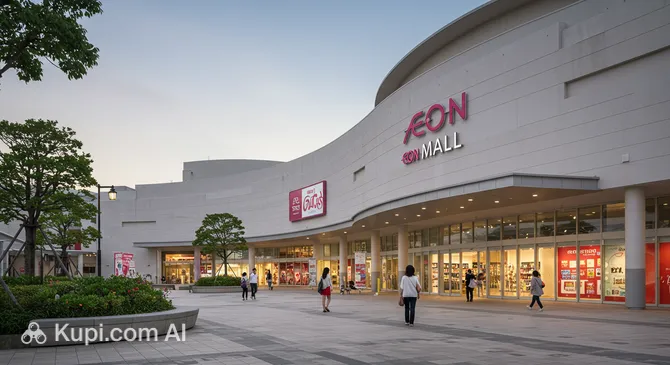
AEON Mall Naha. Illustration.
Source: Kupi.com AI
Traveler photos:
Naha is considered a quite safe city, even at night. Main tourist streets like Kokusai-dori are well-lit and patrolled. Nevertheless, it is always worth following standard precautions: keep an eye on your belongings and avoid deserted, dark alleys. If you need a taxi late at night, it is most reliable to ask the venue you are at or your hotel to call one for you.
During the day, Naha also offers plenty of entertainment. You can immerse yourself in Okinawa's history and culture by visiting one of its many museums, such as the Okinawa Prefectural Peace Memorial Museum, which recounts the tragic events of the past and the pursuit of peace. For those who enjoy outdoor walks, the city has parks, and for those who prefer shopping, the doors of large shopping centers and outlets are open, where you can find both local goods and international brands.
Okinawa Prefectural Peace Memorial Museum. Illustration.
Source: Kupi.com AI
Traveler photos:
Parks & Museums
Naha is not just busy streets and historical monuments; it is also a city that offers its guests the chance to immerse themselves in the world of nature and rich cultural heritage through its parks and museums. Here you can find both peaceful green oases for relaxation and deeply informative exhibitions that tell the unique story of Okinawa's history and culture.
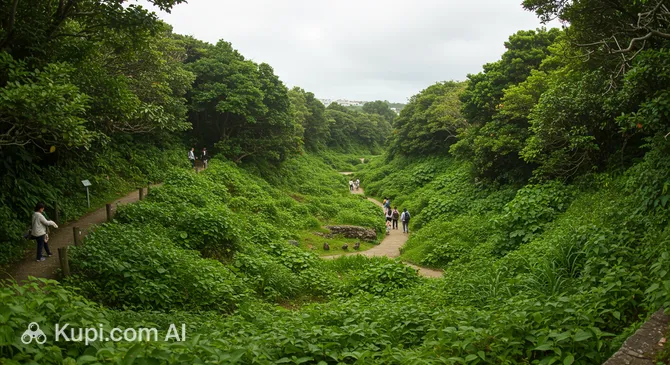
Among Naha's green zones, the Okinawa Peace Memorial Park holds a special place. Although it is dedicated to the tragic events of the past, today it is a vast space with manicured lawns and ocean views, ideal for quiet walks and reflection. For nature lovers, a visit to the Valley of Gangala will be interesting—it is a unique place where an ancient forest meets archaeological finds, including a cave where the remains of ancient humans were discovered. A walk through the valley is a journey through time and an opportunity to touch the island's pristine nature.
Valley of Gangala. Illustration.
Source: Kupi.com AI
Traveler photos:
Another beautiful place to relax is the Fukushu-en Garden. This authentic Chinese garden was built to commemorate the 10th anniversary of the sister-city relationship between Naha and the Chinese city of Fuzhou. The garden invites visitors to enjoy traditional Chinese architecture, ponds with koi carp, and a carefully designed landscape that creates an atmosphere of harmony and tranquility.
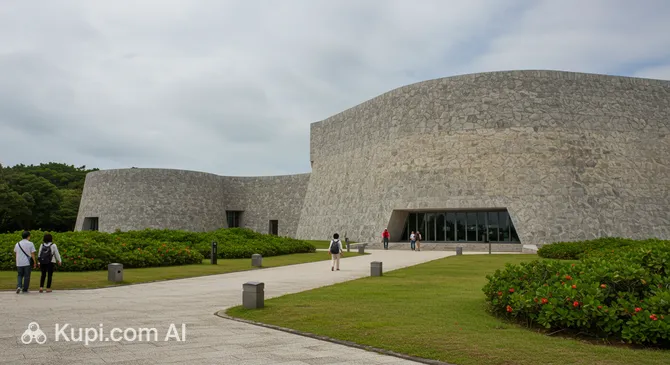
Naha and Okinawa's cultural heritage is widely represented in numerous museums. One of the most important is the Okinawa Prefectural Peace Memorial Museum, located within the park of the same name. Its exhibits detail the history of the Battle of Okinawa and its consequences, as well as the islanders' pursuit of peace. Equally moving and significant is the Himeyuri Peace Museum, dedicated to the memory of the female students and teachers from a girls' school who were mobilized as nurses during the war. Its exhibition is a tribute to their courage and tragic fate.
Himeyuri Peace Museum. Illustration.
Source: Kupi.com AI
Traveler photos:
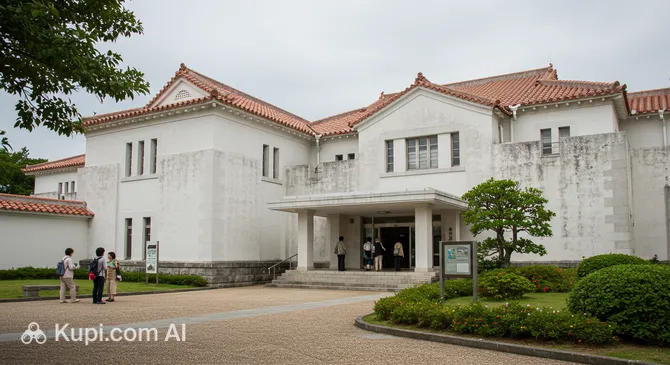
For a broader acquaintance with the history, nature, and art of Okinawa, it is worth visiting the Okinawa Prefectural Museum & Art Museum (abbreviated as "Okimu"). It houses extensive collections covering archaeology, ethnography, natural history, and the fine arts of the region, making it an ideal place for a deep dive into Ryukyu culture.
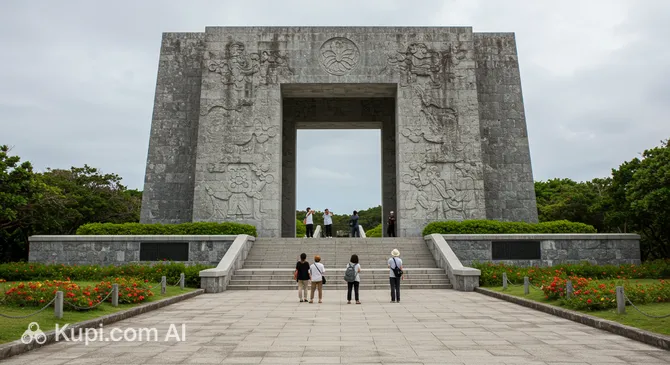
In addition to museums, Naha's history comes alive in its architectural monuments. The majestic Shuri Castle (Shurijo), a symbol of the Ryukyu Kingdom, is a must-see for understanding the island's history. Located within the Okinawa Peace Memorial Park is the Cornerstone of Peace, which consists of granite plates inscribed with the names of all those who died in the Battle of Okinawa, regardless of their nationality—a powerful reminder of the value of peace. And for those interested in more ancient history, it will be fascinating to see the ruins of Gushikawa Castle, one of Okinawa's many gusuku (castles or fortresses) that testify to the island's rich past.
Cornerstone of Peace. Illustration.
Source: Kupi.com AI
Traveler photos:
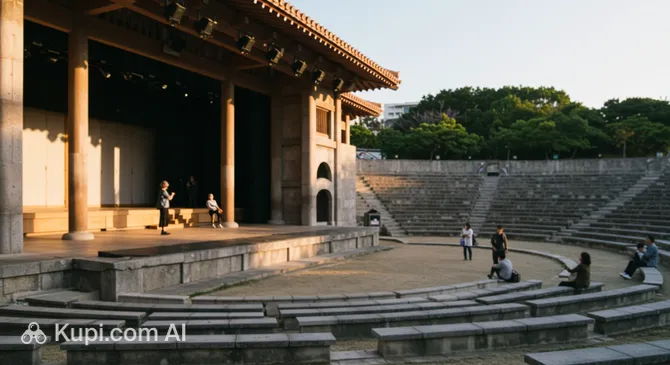
Gushikawa Castle. Illustration.
Source: Kupi.com AI
Traveler photos:
For an authentic cultural experience and a look at traditional crafts, head to the Tsuboya district. Numerous pottery workshops are located here, where you can not only purchase unique Tsuboya-yaki ceramics but also watch the masters at work, and sometimes even participate in a workshop. It's a wonderful opportunity to take home not just a souvenir, but a piece of Okinawa's soul.
Getting Around
Navigating Naha is quite convenient thanks to a well-thought-out public transport system adapted for both locals and tourists. The city's main transport arteries are served by a modern monorail and an extensive bus network.
The primary mode of public transport in Naha is the Yui Rail monorail. It is the only railway line in all of Okinawa, making it something of an attraction in itself. The monorail is very convenient for tourists as it connects Naha Airport with key points in the city, including the central Kokusai-dori street, the Shuri district (where the famous castle is located), and other important areas. Trains run frequently, approximately every 10-15 minutes, and stations are equipped with elevators and escalators. Announcements in the cars are made in both Japanese and English.
Complementing the monorail is an extensive bus network that covers almost the entire city and its surroundings, reaching areas where the Yui Rail does not go. Buses in Naha follow a schedule that can be found at stops or on specialized websites. For tourists, navigating the bus system might be slightly more challenging due to the language barrier, but many routes passing through tourist zones have information available in English.
The fare payment system in Naha is quite flexible. The most convenient method is using the rechargeable OKICA transport card. This card works on both the monorail and most bus routes in Okinawa. You can purchase and top up an OKICA card at machines in monorail stations or in some convenience stores. For tourists planning to travel a lot by monorail, 1-day or 2-day passes (1-Day Pass, 2-Day Pass) can be advantageous, offering unlimited trips within their validity period. Single-trip monorail tickets are bought from machines at the stations, with the price depending on the distance. On buses, payment is usually made upon exiting; you can pay with cash (it is advisable to have the exact amount) or an OKICA card. The bus fare also depends on the route and distance.
Practical tips for tourists:
Purchase Yui Rail monorail tickets and passes at the station machines. You can buy the OKICA card there as well.
When using an OKICA card or pass, simply tap it against the reader at the ticket gate when entering and exiting a monorail station, or when entering and exiting a bus.
The Yui Rail monorail typically operates from early morning (around 6:00 AM) until late evening (approximately 11:30 PM). Buses also have their own schedules, which should be checked for specific routes.
As an alternative to public transport, taxis are always available in Naha. They can be found at designated stands, called by phone, or through an app. Taxis offer comfort and direct trips but are a more expensive option. For those planning to actively explore not just Naha but the entire island of Okinawa, car rental is a popular choice. Numerous rental agencies are located at the airport and in the city. Remember that you will need an international driving permit to rent a car in Japan. Bicycle rentals also exist, especially in tourist areas, and can be a pleasant way for a leisurely tour of certain city districts or coastal zones, but it is less common as a primary mode of transport for moving throughout the whole city.
Accommodation
In Naha, you will find a wide range of accommodation options suitable for any budget and travel style. From economical hostels and guesthouses, ideal for backpackers, to comfortable mid-range hotels offering excellent value for money. For those seeking a luxury holiday, first-class resorts and hotels with a full range of services are available. Additionally, renting apartments and flats is becoming increasingly popular, which is especially convenient for families or long stays.
When choosing a place to stay in Naha, you should pay attention to several key areas. The city center, especially the areas around the bustling Kokusai-dori, offers easy access to shops, restaurants, and entertainment. Staying near the Yui Rail monorail stations is also very convenient, as it provides quick travel around the city, including access to the airport and Shuri Castle. Neighborhoods located slightly further from the noisy center may offer a quieter atmosphere and potentially better prices, while remaining within easy reach of the main attractions via public transport.
Among the many hotels in Naha, you can find both large hotel chains and unique boutique hotels. For example, if you are looking for a resort experience, you might consider options such as Okinawa Chatan Resort or the luxurious Hyakuna Garan, which offer high levels of service and beautiful views. The choice of a specific hotel depends on your preferences and budget, but the variety of options allows everyone to find something suitable.
Okinawa Chatan Resort. Illustration.
Source: Kupi.com AI
Traveler photos:
To ensure the best accommodation option at the best price, it is recommended to book your stay in advance, especially if your trip falls during the peak tourist season (for example, the spring cherry blossom period, although this is less pronounced in Okinawa, or the summer months and national holidays). Early booking also provides a greater choice of available rooms and types of accommodation.
The price range for housing in Naha varies from budget to luxury. Hostels and simple guesthouses offer the most affordable prices, while mid-range hotels fall into a more moderate price segment. Luxury resorts and high-end hotels will cost significantly more. The most common booking methods are popular international online platforms (such as Booking.com, Agoda, Expedia) and aggregator sites. Direct booking through official hotel websites is also possible, which can sometimes offer special promotions or terms.
Nearby Cities
For those who want to explore the surroundings, Naha serves as an excellent starting point for day trips to several interesting nearby locations.
Among them is Urasoe, located just a few kilometers away, where you can explore the historical ruins of Urasoe Castle. Nearby is Tomigusuku, which attracts shopping enthusiasts with its large outlet mall and the opportunity to relax at Toyosaki Chura-sun Beach. A bit further away, Okinawa City offers a look at a different side of the island, which has experienced significant American influence, especially in the Koza area, known for its music venues.
These nearby destinations provide an insight into the diverse culture and landscapes of the region.
Shopping & Souvenirs
Naha is a true paradise for shopping lovers, where modern shopping centers sit alongside traditional markets and cozy shops offering unique Okinawan goods. Here you will find everything from international brands and fashionable clothing to authentic handicrafts and delicious local delicacies. Shopping in Naha is not just about buying things; it is an exciting immersion into the culture and atmosphere of this hospitable city in Japan.
The main shopping artery of Naha is undoubtedly Kokusai-dori (Kokusai Street), or "International Street." This lively street, approximately 1.6 km long, is filled with souvenir shops, boutiques, department stores, and restaurants. Here you can find almost everything associated with Okinawa. Covered shopping arcades, such as Heiwa-dori and Mutsumi-dori, branch off from Kokusai-dori, where the atmosphere is more traditional and prices may be lower. For lovers of traditional crafts, a visit to the Tsuboya district, famous for its Yachimun pottery (Yachimun Street), is a must, where you can purchase unique ceramic items directly from the workshops.
Naha has several large shopping centers offering a wide range of goods. One popular spot is the Ashibinaa Okinawa Outlet Mall, located slightly south of the city center. It features many famous international and Japanese brands at reduced prices. This is an excellent place for those looking for quality items with good discounts.
Okinawa Outlet Mall Ashibinaa. Illustration.
Source: Kupi.com AI
Traveler photos:
Another major complex is the AEON Naha Shopping Center, which offers everything from food in a large supermarket to clothing, home goods, and electronics. Also worth mentioning is the Palette Kumoji department store, conveniently located near the Kencho-mae monorail station on Kokusai-dori. For those seeking a more boutique shopping experience combined with seaside relaxation, the Umikaji Terrace Senagajima complex is interesting, where you can find designer shops and restaurants with beautiful views.
It is impossible to imagine shopping in Naha without visiting the Makishi Public Market. This colorful place allows you to dive into the everyday life of the city, buy the freshest seafood, exotic fruits, vegetables, local spices, and, of course, souvenirs. The first floor of the market sells fresh produce, while the second floor features small restaurants where they can prepare the seafood you have just purchased.
You should definitely bring back unique souvenirs from Naha that reflect Okinawan culture. Among the most popular are:
Ryukyu Glass: items made from bright, hand-blown glass. Visit the Ryukyu Glass Craft Village to see the creation process and purchase unique pieces.
Tsuboya-yaki Pottery: traditional Okinawan ceramics that can be found in the Tsuboya district.
Shisa Figures: paired statuettes of mythical creatures resembling lion-dogs, which are considered protectors of the home.
Bingata Fabrics: brightly dyed fabrics with traditional patterns.
Awamori: a local alcoholic drink distilled from rice.
Local Sweets: chinsuko cookies, kokuto brown cane sugar, and candies made from it.
Sea Salt (Shima-masu): Okinawa is famous for its high-quality sea salt.
Most shops in Naha open around 10:00 AM – 11:00 AM and operate until 8:00 PM – 9:00 PM. Department stores and shopping centers may have slightly extended hours. Markets usually start operating earlier in the morning. Regarding payment, credit cards (Visa, Mastercard, JCB, American Express) are widely accepted in department stores, shopping centers, and many shops on Kokusai-dori. However, in markets and small family-run shops, cash payment is preferred or may be the only option. Therefore, it is always useful to have some Japanese yen with you.
For foreign tourists in Japan, a Tax Free system is in place. In stores with the appropriate license (look for the "Tax-Free Shop" or "Japan Tax-Free" sign), you can receive a consumption tax refund when purchasing goods over a certain amount (usually over 5,000 yen excluding tax). You will need your passport to process the refund. The procedure is usually completed directly in the store at the time of purchase.