Support

Miyakojima

About

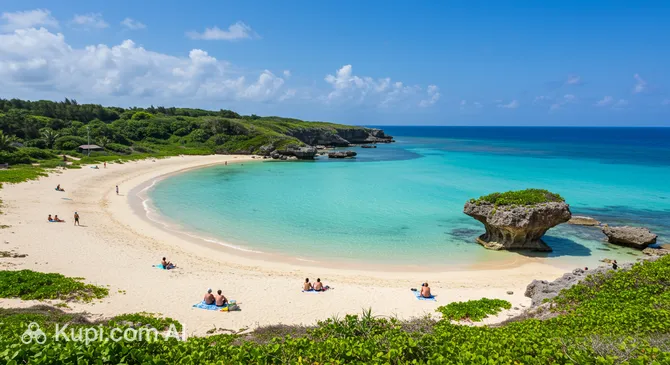
Miyakojima is a true tropical paradise located in the south of Japan, in the crystal-clear waters of the East China Sea. The city occupies the central part of the island of the same name and is famous for its snow-white beaches, emerald lagoons, and picturesque coral reefs. Thanks to its remote location, Miyakojima has preserved an authentic atmosphere of seclusion and tranquility, making it an ideal place to escape the bustle of the city.
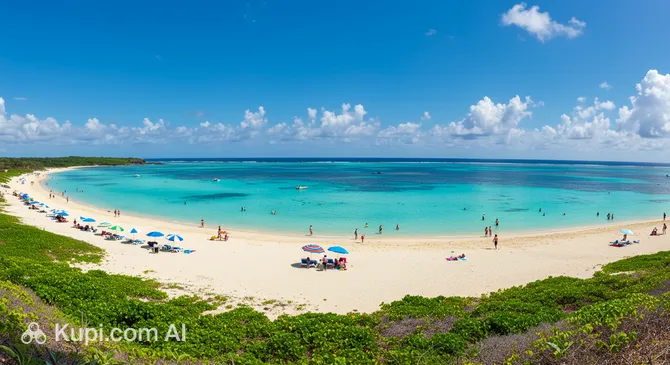
Miyakojima. Illustration.
Source: Kupi.com AI

With a population of about 52,390 people, Miyakojima is the main administrative center of the island and one of the most colorful places in Okinawa Prefecture. The city attracts visitors not only with its natural beauty but also serves as an important transport and cultural hub for the region. The atmosphere here is filled with lightness, hospitality, and a special southern charm, where every day seems designed for enjoying nature and taking leisurely walks.

Miyakojima offers incredible opportunities for active recreation and exploring nature. It is the perfect place for diving and snorkeling among coral gardens, kayaking through calm lagoons, or walking through tropical forests. The city is famous for its ecological purity, rich flora and fauna, and a unique combination of authentic Japanese culture with a distinct island flavor.

If you are looking for a place where you can forget about time, completely immersing yourself in the beauty of the surrounding world and unique island culture, then Miyakojima is your choice. Discover this corner of serenity and vivid impressions!

You can find more interesting facts on the history of the city of Miyakojima page.
Weather Overview

The weather in Miyakojima is characterized by a warm climate year-round. Summer, especially from June to September, is very warm, with average temperatures around 27-29°C, and this is also the period with the most rainfall, although showers are usually short-lived. Winter, from December to February, is mild, with average temperatures around 19-21°C and a smaller but still noticeable amount of rainfall. Expect warm, humid summers with frequent but not always heavy rain, and very mild winters, also with periodic precipitation.

For more detailed information about the weather by month, including the number of sunny days and humidity, you can check the Miyakojima Climate page.

Average monthly temperature

Average monthly precipitation

Interesting Facts

Beyond its famous beaches and crystal-clear water, Miyakojima hides many amazing stories and features that make this island truly unique. Ready to learn a few little-known facts about this paradise in Japan?

  • Giant Bridges: Miyakojima is famous for its impressive bridges connecting the main island with neighboring islets. One of the most famous is the Irabu Bridge, spanning over 3.5 kilometers, which is among the longest bridges in Japan, offering travelers breathtaking ocean panoramas.

  • Natural Treasures Underground and Above: The island surprises not only with its beaches but also with hidden natural wonders. Here you can explore mysterious limestone caves and admire bizarre rock formations. And in local tropical gardens, such as the Miyakojima Tropical Botanical Garden, over 1,500 species of exotic plants grow, creating a true botanical paradise.

  • Unique Culture and Ancient Traditions: Miyakojima's culture differs significantly from the rest of Japan. Ancient rituals are still carefully preserved on the island, including unique festivals like Paantu (a vibrant harvest festival where participants in masks made of mud and leaves ward off evil spirits), and traditional music and dance are passed down through generations. You can immerse yourself in the atmosphere of local beliefs and traditions by visiting Miyako Shrine, an important spiritual center of the island.

  • The Legend of Sea Turtles: According to local beliefs, the waters around Miyakojima are home to sea turtles, revered as symbols of longevity and good luck. It is said that encountering a turtle while swimming or diving, for example, off the coast of Pai Nagama Beach, promises happiness for the entire coming year.

Pai Nagama Beach. Illustration.
Source: Kupi.com AI

Traveler photos:

How to Get There

The most convenient way to reach the city of Miyakojima, located on the picturesque island of the same name in Okinawa Prefecture, is by air. The island is well-connected to other parts of Japan thanks to several airports serving both domestic and some international flights.

The island's main air gateway is Miyako Airport (MMY). It is located just 2.9 km from the center of Miyakojima, making the transfer quick and convenient. A taxi ride to the central part will take approximately 20-25 minutes. This airport handles a significant passenger flow and receives regular flights from major Japanese cities.

Another option is Shimojishima Airport (SHI), located on the neighboring island of Shimoji, which is connected to Miyako by a bridge. The distance to the center of Miyakojima is about 14 km. This airport is smaller but is also an important transport hub. The taxi ride from here will take approximately 40-45 minutes.

For travelers looking for a wider selection of flights, including connections to international destinations, Painushima Ishigaki Airport (ISG) is worth considering. It is located in the city of Ishigaki, on another major island of the archipelago, about 122 km from Miyakojima. This is a large regional airport. To get from Ishigaki to Miyakojima, you will need an additional short flight or a ferry trip.

For clarity, here is summary information on the main airports through which you can reach Miyakojima:

AirportPassenger trafficDistance
Miyako Airport1.7 mln3 km
Shimojishima550 00014 km
Painushima Ishigaki Airport2.6 mln122 km
Kume-jima Airport221 325225 km
Yonaguni Jima177 041237 km

In addition to air travel, Miyakojima can also be reached by ferry from other islands in the Ryukyu archipelago, such as the main island of Okinawa or neighboring Ishigaki. This method of travel can offer more scenic views and is suitable for those planning to visit several islands in the region. However, keep in mind that a sea voyage takes significantly more time compared to a flight.

Main Attractions

Miyakojima, the jewel of Okinawa Prefecture in Japan, attracts travelers with its magnificent beaches, rich culture, and unique atmosphere. Here, everyone will find something to their liking, from exploring ancient shrines to enjoying local cuisine and natural beauty.

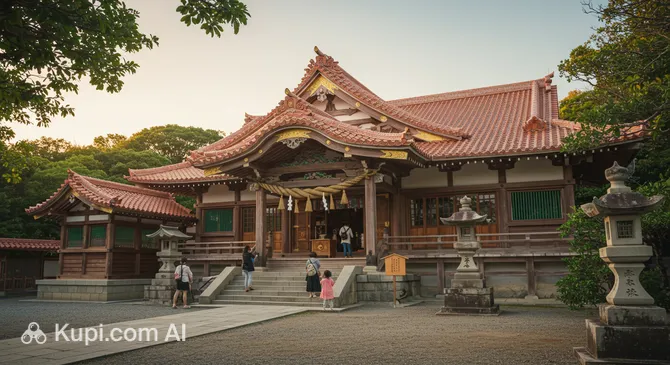
One of the island's iconic landmarks is the Miyako Shrine. This important spiritual site allows you to touch upon local religious traditions and culture. The shrine is often shrouded in an atmosphere of peace and serenity, offering visitors an opportunity for reflection and an introduction to Shinto customs. Its picturesque grounds and architecture make it an interesting destination for anyone interested in Japanese culture.

Miyako Shrine. Illustration.
Source: Kupi.com AI

Traveler photos:

Beach lovers should definitely visit Pai Nagama Beach. This popular beach is famous for its snow-white sand and crystal-clear turquoise waters. It is ideal for swimming, sunbathing, and various water sports. Its easy accessibility from the city makes it a favorite spot for both tourists and locals looking for relaxation by the sea.

Pai Nagama Beach. Illustration.
Source: Kupi.com AI

Traveler photos:

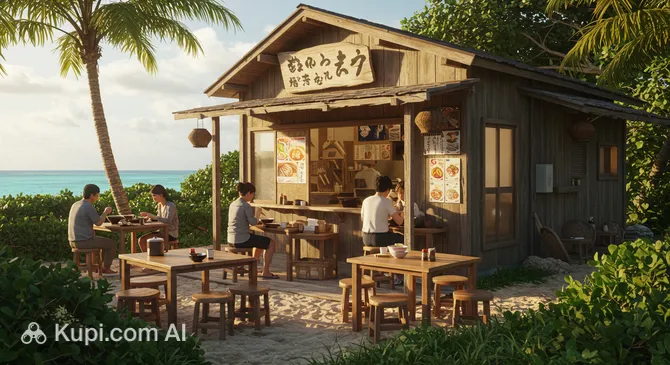
To experience the gastronomic side of the island, stop by the restaurant Menya Summer Taiyo. This establishment enjoys a good reputation and offers guests a chance to taste local cuisine, perhaps with an emphasis on Okinawan or Miyakojima-specific delicacies. A visit to Menya Summer Taiyo is a great opportunity to enjoy the authentic flavors of the region and have a pleasant time.

Menya Summer Taiyo. Illustration.
Source: Kupi.com AI

Traveler photos:

In addition to these places, Miyakojima offers many other interesting locations, including scenic capes, other beautiful beaches, and opportunities for diving and snorkeling in coral reefs. Explore this amazing island and discover its unique charm.

Local Cuisine

The cuisine of Miyakojima is a true feast for foodies, where the freshest gifts of the Okinawa Islands play the leading role. The basis of most dishes is a variety of seafood: from tuna and octopus to sea urchins and rare fish species that are hard to find anywhere else. The local "Miyako" beef, known for its tenderness and rich flavor, also deserves special attention. This gastronomic journey promises to be truly unforgettable.

Among the dishes you should definitely try in Miyakojima is Miyako-soba – a hearty soup with thick noodles, pieces of pork, and green onions. This soup is the island's signature dish and is served in almost every local cafe. Another iconic delicacy is "umi-budo," or sea grapes—crunchy seaweed with a salty taste. Also popular are dishes made from fried shells and various culinary delights using tropical fruits such as mango and papaya grown right on the island.

The food culture in Miyakojima combines the coziness of family establishments with the liveliness of street food. Locals and tourists often choose small cafes where they can taste authentic dishes. One such place to get acquainted with local cuisine is the restaurant Menya Summer Taiyo. Local markets are no less popular, where you can try freshly prepared sushi from the morning catch, fried shrimp, or fragrant yakisoba with an island flair. Street food here is not just a snack, but an important part of the gastronomic experience.

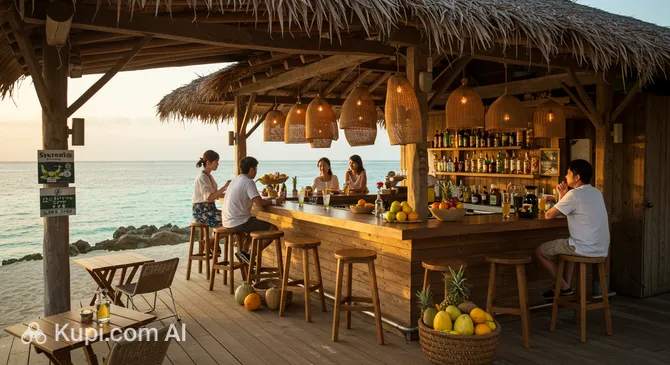
As for drinks, in Miyakojima, you should definitely taste awamori – a traditional Okinawan strong alcoholic beverage distilled from long-grain rice. It is produced here according to ancient recipes. For those who prefer non-alcoholic options, refreshing juices made from local tropical fruits such as guava or passion fruit are available. In bars, for example, at SUNDAYS Miyakojima, you can find both traditional and modern drinks.

SUNDAYS Miyakojima. Illustration.
Source: Kupi.com AI

Traveler photos:

Overall, the gastronomic scene of Miyakojima is characterized by the freshness of ingredients, an emphasis on seafood, and unique local specialties. This is a place where you can enjoy simple but incredibly delicious dishes prepared with soul. A special atmosphere is created by seasonal food festivals, especially summer ones, which attract foodies from all over Japan and provide a unique opportunity to immerse yourself in the richness of the local culinary culture.

Travel Tips

Planning a trip to Miyakojima? These practical tips will help you prepare for an unforgettable journey to this paradise island in Japan and enjoy it to the fullest while avoiding common tourist mistakes.

  1. Clothing and items for the season: Miyakojima features a warm subtropical climate. In summer (June-September), bring very light, breathable clothing, swimwear, a hat, and sunglasses. In spring and autumn, it can be a bit cooler, especially in the evenings, so a light sweater or windbreaker will come in handy. In winter (December-February), temperatures rarely drop significantly, but a sweater and a light jacket would be appropriate. Comfortable shoes for walking on the beaches and exploring the island are essential year-round. Don't forget an adapter for Japanese sockets (type A and B).
  2. Getting around the island: Public transport on Miyakojima is limited. The most convenient way to explore the island is to rent a car or a scooter. This will give you the freedom to reach numerous beaches, viewpoints, and secluded corners. An International Driving Permit is required to rent a car. Taxis are available but can be expensive for frequent or long-distance trips. A bicycle is a good option for short distances if you are staying near your points of interest.
  3. Financial matters: The local currency is the Japanese Yen (JPY). Credit cards (Visa, Mastercard) are accepted in most hotels, large shops, and many restaurants, especially in tourist areas. However, it is always useful to have cash on hand for small cafes, local markets, or in case of technical problems with terminals. ATMs that accept international cards can be found in post offices (Japan Post Bank) and 7-Eleven convenience stores. Tipping is not customary in Japan and may even cause confusion.
  4. Health and safety: Miyakojima is a very safe place with a low crime rate. Pharmacies (kusuriya – 薬屋) are available, but the selection may differ from what you're used to, and it's not always easy to find English-speaking staff. It is recommended to bring a basic set of medicines. Medical assistance for tourists is available at hospitals and clinics, but English-speaking staff are not guaranteed, so travel insurance with good coverage is extremely important. Beware of strong currents when swimming at some beaches and always pay attention to warning signs. Sun protection (cream, hat) is essential.
  5. Language and communication: The official language is Japanese. English is common in tourist infrastructure (hotels, major attractions, information centers), but overall proficiency among the local population may be low. Learn a few basic Japanese phrases such as "Konnichiwa" (Hello/Good afternoon), "Arigato" (Thank you), "Sumimasen" (Excuse me/I'm sorry). This will be appreciated by the locals. For easier navigation and communication, consider renting a pocket Wi-Fi router or buying a local SIM card. Free Wi-Fi is available in many hotels and some cafes.
  6. Local etiquette: Japanese people highly value politeness and respect. A slight bow is a common greeting and sign of gratitude. It is customary to remove your shoes before entering homes, some temples, traditional restaurants, and ryokans. Try not to make noise in public places, especially on transport. Always throw trash into designated bins; if there is no bin, take it with you.
  7. What to avoid: It is not customary to eat while walking on the street (except at festivals or in designated areas). Never stick your chopsticks vertically into a bowl of rice – this is associated with funeral rituals. Also, try not to point at people or objects with your finger; it's better to use an open palm.
  8. Additional tip – enjoy nature: Miyakojima is famous for its stunning beaches with snow-white sand (such as Yonaha Maehama, Sunayama, Aragusuku) and crystal-clear water. Be sure to set aside time for snorkeling or diving to see the coral reefs and colorful fish. Also, try local Okinawan delicacies, such as the bitter melon "goya" or the pork dish "rafute."

We hope these tips help you plan the perfect trip and make your stay on Miyakojima comfortable and full of vivid impressions. Enjoy the incredible beauty of the island and the hospitality of its residents!

Entertainment & Nightlife

Miyakojima, known for its stunning beaches and natural beauty, offers a calm and cozy atmosphere for evening relaxation rather than the noisy club life of a metropolis. Nightlife here is mainly concentrated in the Hirara district, the island's main town. Here you will find many restaurants, traditional Japanese pubs (izakaya), and small bars where you can spend a pleasant evening.

The atmosphere in Miyakojima's establishments is predominantly relaxed and friendly. The dress code is generally casual – resort style is quite appropriate here. Most places are open until late evening, but do not expect 24-hour parties; many establishments close around midnight or shortly after. The crowd is a mix of locals and tourists enjoying a peaceful vacation.

Among the specific places to spend an evening, it is worth noting, for example, the bar SUNDAYS Miyakojima, where you can enjoy drinks in a pleasant setting. For dinner, the restaurant Menya Summer Taiyo, which offers local cuisine, is an excellent choice. Many restaurants and izakayas specialize in fresh seafood and Okinawan delicacies, and also offer the local alcoholic beverage, awamori.

SUNDAYS Miyakojima. Illustration.
Source: Kupi.com AI

Traveler photos:

Practical tips for evening leisure: * Timing: It is best to head out for dinner or to a bar after 7:00 PM. Some popular places may require reservations, especially during peak season. * Prices: The average bill in a restaurant or bar can vary, but in general, prices are moderate. * Transport: You can get around the Hirara district on foot. For trips to more remote parts of the island or returning to your hotel late at night, it is better to use a taxi. It is recommended to have the number of a local taxi service with you or ask the establishment to call a car for you. * Safety: Miyakojima is considered a very safe place. Night walks along the illuminated streets of Hirara generally do not cause concern. Nevertheless, it is always worth following standard precautions.

Although nightlife is not Miyakojima's main draw, the island offers plenty of daytime entertainment. You can explore cultural attractions such as Miyako Shrine or relax on magnificent beaches like Pai Nagama Beach. There are few museums and theaters in the classic sense; the emphasis is on natural beauty and outdoor activities.

Parks & Museums

Miyakojima, a charming island in Okinawa Prefecture, offers its guests not only magnificent beaches but also the opportunity to touch the unique Ryukyu culture through its natural beauty and historical sites. Although the island may not boast an abundance of large classical museums, its soul is revealed in harmony with nature and in local traditions.

The main natural attractions and places for outdoor recreation on Miyakojima are, of course, its famous beaches. Among them, Pai Nagama Beach stands out – a popular spot with snow-white sand and crystal-clear water, ideal for swimming, sunbathing, and family vacations. Tourists are also attracted to Cape Higashi-Hennazaki, which offers breathtaking panoramic views of the ocean and surrounding reefs. This place, although not a park in the strict sense of the word, is an important natural area where you can enjoy the beauty of the island's wilderness.

Pai Nagama Beach. Illustration.
Source: Kupi.com AI

Traveler photos:

To get acquainted with the cultural and spiritual heritage of Miyakojima, it is worth visiting the Miyako Shrine. This significant Shinto shrine is an important place for locals and allows visitors to feel an atmosphere of peace and learn more about traditional beliefs. Although there are no large museum complexes on the island, its culture is vividly manifested in folk crafts, music, and dance. Sometimes you can stumble upon small local exhibitions or workshops showcasing handmade products.

Miyako Shrine. Illustration.
Source: Kupi.com AI

Traveler photos:

To gain a deeper understanding of the island's authentic life, we recommend strolling through the local farmers' markets, where you can taste fresh tropical fruits and local delicacies. Also, look out for traditional houses and "ishiganto" – stone tablets placed at street corners and house entrances to ward off evil spirits, which is an interesting detail of local culture.

Getting Around

When planning your movement around Miyakojima, it is important to consider the specifics of island transport. The basis of public transport here consists of buses, which connect key points of the island, including the airport, main residential areas, and some popular beaches. However, be prepared that the bus network may not be very extensive, and the frequency of trips may be lower than in large cities.

The payment system on Miyakojima's buses is generally quite simple. Most often, payment is made in cash directly to the driver upon entering or exiting the bus. The fare usually depends on the distance. It is recommended to carry small change, as the driver may not always have change for large bills. Specialized tourist passes or universal transport cards common in large Japanese cities may not be as widely applicable here or may be absent altogether for local bus lines.

Tourists planning to use buses are advised to check the schedules and routes in advance. Information can be found at bus stops (though it may be predominantly in Japanese), at tourist information centers, or on the official websites of transport companies, if available for Miyakojima. Buses usually run on schedule, but in remote areas, intervals can be significant. Keep in mind that public transport operating hours may be limited, especially in the evening.

Given the characteristics of the bus service, many tourists prefer alternative ways to get around for more freedom in exploring Miyakojima and its picturesque surroundings. Car rental is a very popular option, providing maximum flexibility and access to all corners of the island, including secluded beaches and viewpoints. Taxi services are also available, but they can be quite expensive for long trips. For short distances and leisurely strolls, you can consider renting bicycles or scooters, which is particularly pleasant in good weather.

Accommodation

In Miyakojima, travelers will find a wide range of accommodation options to suit any budget and preference. Guests to the island can choose from various options: from cozy guest houses and budget hostels to comfortable mid-range hotels and luxury resort complexes with magnificent ocean views. Apartments and rental houses are also popular, which can be an excellent choice for family vacations or long-term stays.

When choosing a place to stay in Miyakojima, it is worth paying attention to areas located near popular beaches, such as Pai Nagama Beach, or those with convenient access to major transport hubs and iconic sites like Miyako Shrine. Many hotels and resorts offer their guests airport transfers, adding convenience to trip planning. While specific famous hotels are not singled out in the general list, the island has many worthy options with a high level of service.

The price range for accommodation in Miyakojima is quite wide: you can find budget options, mid-range hotels with a good set of services, and, of course, luxury offers for the most discerning tourists. It is highly recommended to book your accommodation in advance, especially if your trip is planned for the peak tourist season, which usually falls in the summer months and periods of Japanese national holidays. During this time, the best accommodation options are quickly snapped up. For booking, it is convenient to use popular international online platforms or, if desired, contact the chosen hotels directly.

Nearby Cities

For those who want to explore the surrounding area, Miyakojima serves as an excellent starting point for day trips to several interesting nearby locations:

While Miyakojima itself is beautiful, the surroundings also offer interesting exploration opportunities. Given the significant distances to other islands in Okinawa Prefecture, traveling to neighboring cities will likely require a flight or ferry crossing. For example, Naha, the prefecture's capital, attracts tourists with the famous Shuri Castle, a UNESCO World Heritage site, the lively Kokusai-dori street, and the authentic Makishi Market. Another interesting option is Okinawa City, where you can visit the Mihama American Village, experience a unique blend of cultures, and enjoy tropical nature at the Southeast Botanical Gardens.

CityPopulationDistance
Shimojishima13 km
Taramajima61 km
Ishigaki48 258125 km
Hateruma Island173 km
Kumejima7 300229 km

These nearby destinations provide insight into the diverse culture and landscapes of the region. Each trip will enrich your journey with new impressions and discoveries, demonstrating the multifaceted nature of Okinawa Prefecture.

Shopping & Souvenirs

Shopping in Miyakojima offers an encounter with local character and unique goods rather than a pursuit of global brands. The city is not a major center for fashion or electronics, but here you can find interesting souvenirs and delicacies that reflect the culture of Okinawa and the island itself. The main emphasis is on locally produced goods, handicrafts, and items related to the sea and beach holidays.

The main shopping spots are concentrated in Hirara, the administrative center of the island. Here, walking along the main streets, you can find small shops, souvenir stalls, and markets. There are no specialized large shopping streets in Miyakojima like those in Japan's metropolises, but the charm of local shopping lies precisely in its intimacy and authenticity.

There are few large shopping centers in the traditional sense on Miyakojima. Instead, you will likely find supermarkets and small local department stores selling daily necessities, food products, and a selection of clothing and souvenirs. One such place where you can find a variety of goods is, for example, San-A Shopping Town Miyakojima City, which functions as a local shopping complex.

Markets in Miyakojima are a great place to buy fresh local products such as tropical fruits, vegetables, and, of course, seafood. One of the most famous is the Hirara Public Market, where you can not only buy fresh ingredients but also try local dishes in small eateries. Local sweets and souvenirs are also frequently sold here.

Among the souvenirs worth bringing back from Miyakojima, the following stand out:

  • Yukishio – the famous "snow salt," which is extracted from local underground seawater and has a powdery texture. It can be found in various versions, including salt with additives.

  • Awamori – a traditional Okinawan alcoholic beverage made from long-grain rice. There are several distilleries on the island offering their products.

  • Products made from brown sugar (kokuto) – candies, syrups, and other sweets.

  • Traditional Okinawan souvenirs such as Shisa figures (guardian lions).

  • Local handicrafts, shell and coral jewelry (ensure their ethical origin).

  • Textiles with local patterns and beachwear.

Most shops in Miyakojima are open from approximately 10:00-11:00 AM to 7:00-8:00 PM. Small private shops may have their own schedules and days off. Regarding payment, although credit cards are accepted in many hotels, restaurants, and large stores, cash is still very common, especially in markets and small shops. It is recommended to always carry some Japanese Yen with you.

For foreign tourists in Japan, a Tax-Free system is in place. Look for shops with the corresponding "Japan Tax-free Shop" logo. Usually, to process a refund, you must make a purchase of a certain amount (most often over 5,000 yen excluding tax) in one store during one day and present your passport at the checkout or a special Tax-Free counter.

Reached the end of the page?

That means the route is fully explored