Support

Itoman

About

Itoman is a cozy coastal city stretching across the southernmost tip of Okinawa Island in Japan. With a population of about 61,000, the city is beautifully integrated into a picturesque seascape, featuring impressive cliffs, long beaches, and the crystal-clear waters of the East China Sea. This location makes Itoman an ideal destination for those dreaming of a break from the urban hustle to enjoy the peaceful atmosphere of island life.
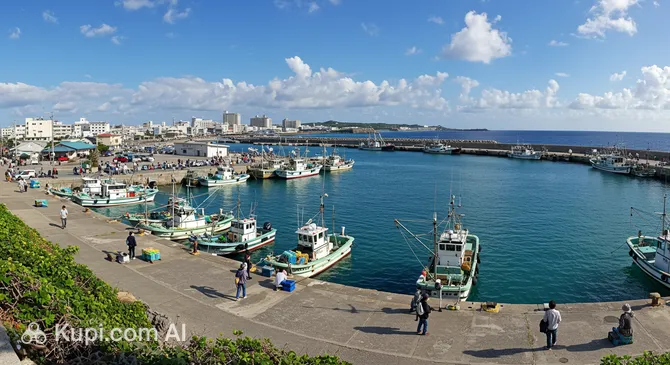
Itoman. Illustration.
Source: Kupi.com AI

Itoman is not just a point on the map, but an important cultural hub for the region. It is home to one of Okinawa's most famous fishing communities, and the spirit of the sea is felt in everything—from the daily way of life to the local gastronomy. The city is famous for its hospitality, and locals are happy to share their traditions and craft secrets with visitors.

Strolling through Itoman, you will feel a special harmony between nature and people. Key highlights include bustling markets where you can taste the freshest seafood, and Cape Kyan, which offers breathtaking sunset views. Don't miss the chance to visit cozy restaurants, explore historical ruins, or simply relax at one of the modern beach resorts.

Itoman is a city where the past and present coexist harmoniously. Ancient traditions are carefully preserved here, while the city remains open to new ideas and guests from all over the world. Come to Itoman to experience the true spirit of Okinawa and discover Japan from an unexpected perspective.

You can find more interesting facts on the history of Itoman page.
Weather Overview

The weather in Itoman is characterized by a warm subtropical climate throughout the year. The hottest months are July and August, when the average air temperature stays around 28.4°C, and maximum values can reach 29.1°C - 29.3°C. Winters here are mild: in January, the average temperature is about 18.2°C, with minimum nighttime temperatures around 17.1°C.

Precipitation in Itoman is distributed throughout the year, although some wetter periods can be identified. For example, June sees the highest amount of rainfall (averaging 10 mm), while September features the highest number of rainy days (around 19). Overall, expect a warm summer with occasional rain and a mild, also fairly humid winter. To get more detailed information and plan your trip according to weather conditions, we recommend checking the weather in Itoman page.

Average monthly temperature

Average monthly precipitation

Interesting Facts

Itoman, known for its fishing traditions, holds many fascinating secrets and little-known details that give it a special charm.

Itoman Umanchu Market. Illustration.
Source: Kupi.com AI

Traveler photos:

  • Since ancient times, Itoman has been considered one of Japan's key fishing centers. Local fishermen were famous for their daring long-distance voyages, reaching the shores of Australia and New Guinea—a rare occurrence for Japanese fishing communities of that time. Today, the descendants of these brave seafarers carefully preserve these maritime traditions.

  • In the early 20th century, almost all residents of Itoman were connected to fishing in one way or another. A unique feature of the city was the active participation of women in economic life: they were responsible for transporting and selling the catch in Naha, the prefectural capital, which set Itoman apart from other fishing settlements in the country.

  • Authentic markets still operate in Itoman, such as the Itoman Umanchu Market, where you can meet descendants of famous fishing dynasties. City legends tell of sea spirits protecting Itoman and extraordinary treasures that fishermen raised from the depths of the sea.

  • Among the natural attractions in the Itoman area, the picturesque Mabuni cliffs and Cape Kyan stand out. These spots offer breathtaking ocean views and are popular locations for photo shoots and romantic walks, especially at sunset.

How to Get There

The most convenient way to reach the city of Itoman, located in Okinawa Prefecture, is by air. The main transportation hub for travelers heading to Itoman is Naha Airport (OKA). This major international airport is located in Okinawa City, just 8.2 km north of Itoman. A taxi or bus ride from Naha Airport to the center of Itoman usually takes about 30-40 minutes, making it the most preferred option.

There are other airports on neighboring islands, but using them for a trip to Itoman requires additional planning. For example, Kumejima Airport (UEO) is located on Kume Island, approximately 98.8 km from Itoman (this distance may include a sea route). A journey from this airport to Itoman would likely involve a ferry crossing to the main island of Okinawa or an additional domestic flight, followed by ground transfer, with a total travel time of several hours. Similarly, the airports Yoron (RNJ) on Yoronjima Island (about 125.6 km), Okinoerabu (OKE) (about 178.1 km), and Tokunoshima (TKN) (about 224.9 km) are also located on separate islands, and the route to Itoman from them will require arranging sea or air connections to Okinawa.

Upon arrival at any of the airports serving the region, Itoman can be reached by taxi, rental car, or local public transport. It is recommended to research available transfer options from your chosen airport in advance.

For clarity, here is a summary of the main airports through which you can reach Itoman:

AirportPassenger trafficDistance
Naha Airport21.5 mln8 km
Kume-jima Airport221 32599 km
Yoron Airport145 918126 km
Okinoerabu Airport197 000178 km
Tokunoshima202 021225 km

Main Attractions

Itoman, a city with a rich culture and history, offers its guests several interesting places to visit. Everyone will find something for themselves here, from lively markets to spots for quiet relaxation and learning about local traditions.

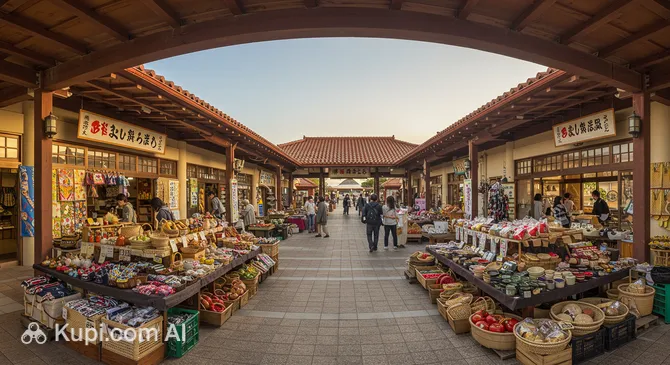
One of the must-visit places is the Itoman City Local Products Center. This is a great place to get acquainted with the crafts and products of the Okinawa region. Tourists come here to buy unique souvenirs, try local delicacies, and learn more about Itoman's culture. You can find everything here, from fresh fruits and vegetables to handmade goods and traditional sweets.

Itoman City Local Products Center. Illustration.
Source: Kupi.com AI

Traveler photos:

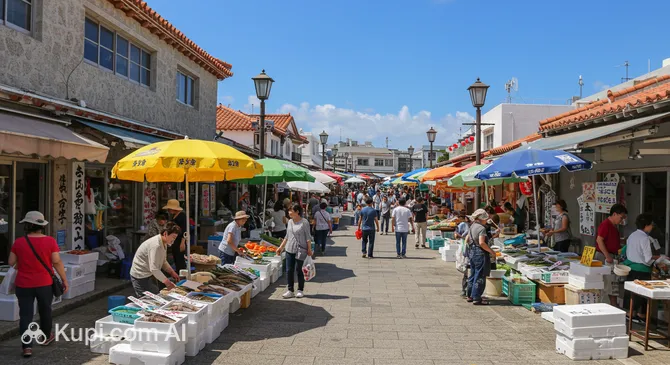
No less attractive to travelers is the Itoman Umanchu Market. This bustling fish market is the heart of local gastronomy. Visitors can not only see an incredible variety of the freshest seafood caught in coastal waters but also taste it right on the spot. The market attracts visitors with its authentic atmosphere and the opportunity to observe the daily life of local fishermen and traders.

Itoman Umanchu Market. Illustration.
Source: Kupi.com AI

Traveler photos:

For those who prefer active recreation or simply want to enjoy nature, Nishizaki Sports Park is an excellent choice. This expansive park offers various leisure opportunities, from sports fields to walking areas and picnic spots. It is a popular destination for both locals and tourists wishing to escape the city bustle and spend time outdoors.

Nishizaki Sports Park. Illustration.
Source: Kupi.com AI

Traveler photos:

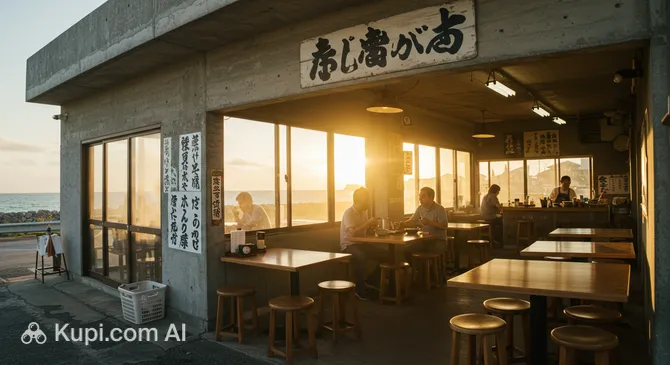
To fully immerse yourself in the local cuisine, stop by Itoman Gyomin Shokudo. This restaurant is famous for its traditional dishes prepared with fresh local ingredients. Visiting this establishment is a wonderful opportunity to taste the authentic flavors of Okinawa and enjoy a welcoming atmosphere.

Itoman Gyomin Shokudo. Illustration.
Source: Kupi.com AI

Traveler photos:

Local Cuisine

The gastronomic scene in Itoman is inextricably linked to the sea, as the city is famous for its freshest seafood. Fish, shellfish, and seaweed end up on the tables of locals and guests almost immediately after being caught. One of the signature dishes that is definitely worth a try is "gurukun no karaage"—deliciously deep-fried gurukun fish prepared according to ancient recipes passed down through generations.

In addition to seafood, Itoman's cuisine is rich in dishes made from local vegetables and fruits grown under the generous Okinawan sun. Especially popular are refreshing seaweed salads, hearty dishes with tofu and pork, and original desserts made from sweet potato, known here as "beni-imo." By visiting local markets like the Itoman City Local Products Center, you can appreciate the full variety of fresh ingredients.

Itoman City Local Products Center. Illustration.
Source: Kupi.com AI

Traveler photos:

Regarding drinks, you should pay attention to refreshing beverages based on cane sugar, which perfectly quench thirst on a hot day. For those who prefer something stronger, we recommend trying awamori—a traditional Okinawan alcoholic drink made from long-grain rice.

The food culture in Itoman is diverse. Locals and tourists enjoy visiting both cozy restaurants where they can taste traditional dishes in a quiet setting, such as Itoman Gyomin Shokudo, and lively street food stalls. The true heart of the city's gastronomic life is the Itoman Umanchu Market, where you can not only buy the freshest seafood but also try sashimi and sushi right at the counters. Street food will also delight you with its variety: from Okinawan pastries to charcoal-grilled seafood skewers.

Itoman Umanchu Market. Illustration.
Source: Kupi.com AI

Traveler photos:

Itoman is also known for its gastronomic festivals, which become a real treat for gourmets. Here, you can not only enjoy the full diversity of local cuisine but also learn cooking secrets from true masters. A trip to Itoman is a unique opportunity to immerse yourself in the world of authentic Okinawan flavors and discover new gastronomic horizons.

Travel Tips

Welcome to Itoman! To ensure your journey through this charming city in Okinawa goes smoothly and leaves only pleasant impressions, we have prepared some practical tips. They will help you better prepare and feel more confident.

  1. Clothing and Essentials: The climate in Itoman is subtropical, so choose light, breathable clothing, especially in the summer months. T-shirts, shorts, sundresses, and comfortable sandals will be your best friends. Don't forget a swimsuit for Okinawa's beautiful beaches! In the rainy season (usually May-June), an umbrella or a light raincoat will come in handy. For visiting temples and shrines, choose more modest clothing that covers shoulders and knees. Be sure to bring comfortable walking shoes, sunscreen, a hat, and an adapter for electronics (Japan uses type A and B sockets, 100V voltage).

  2. Transport: The best way to explore Itoman and the picturesque surroundings of Okinawa is by renting a car. This will give you the freedom of movement and access to remote beaches and attractions. Public transport is represented by buses, but their routes and schedules may not always be convenient for tourists. Taxis are available but can be quite expensive for long trips. You will need an international driving permit to rent a car.

  3. Finance: The official currency is the Japanese Yen (JPY). Credit cards (Visa, Mastercard) are accepted in many hotels, large shops, and restaurants in tourist zones. However, it is strongly recommended to always carry a sufficient amount of cash, as cards may not be accepted in small establishments, local markets, or for paying bus fares. ATMs that dispense cash from international cards can be found in post offices (Japan Post Bank) and convenience stores (e.g., 7-Eleven). Tipping is not common in Japan—good service is already included in the bill.

  4. Health and Safety: Itoman, like Japan in general, is considered a very safe place for tourists. Pharmacies (look for the sign 薬 "kusuri") are common, but staff may not always speak English, so a translation app is useful. For serious health issues, contact hospitals; having travel medical insurance is highly recommended. Follow standard precautions: keep an eye on your belongings, especially in crowded places.

  5. Communication: The primary language is Japanese. In tourist centers and hotels, staff may speak English, but outside of those areas, English proficiency is limited. Learn a few basic Japanese phrases, such as "konnichiwa" (hello), "arigato" (thank you), and "sumimasen" (excuse me/sorry); this will be highly appreciated by the locals. For convenience, consider purchasing a local SIM card or renting a pocket Wi-Fi router upon arrival at the airport. Free Wi-Fi is available in many hotels and some cafes.

  6. Local Etiquette: Japanese people are very polite and value respectful behavior. A slight bow is a traditional form of greeting. In public places, especially on transport, try to speak quietly and avoid drawing unnecessary attention to yourself. When entering a Japanese home, some temples, and traditional restaurants, it is customary to remove your outdoor shoes. Avoid pointing your finger at people or objects; instead, use an open palm.

  7. What to Avoid: Never stick your chopsticks vertically into a bowl of rice—this is associated with funeral rituals and is considered poor etiquette. It is not common to eat while walking on the street (exceptions include specific street food zones or festivals). Also, try not to talk loudly on your mobile phone in public transport.

  8. Extra Tip: Itoman is known for its bustling fish market. It is a great place to try the freshest seafood, including the famous Okinawan Gurukun fish (Pterocaesio digramma), and observe local life. Also, Okinawa has a unique Ryukyu culture, distinct from mainland Japan. Show interest in local traditions, music, and cuisine; for example, try the dish "Goya Champuru."

We hope these tips make your trip to Itoman even more comfortable and memorable. Enjoy the hospitality of Okinawa and the beauty of this amazing corner of Japan!

Entertainment & Nightlife

Evening Itoman invites you to immerse yourself in the slow-paced and authentic atmosphere of Okinawa, where the main entertainment after sunset is enjoying local cuisine and socializing in a cozy setting. Here, you won't find noisy nightclubs or neon-lit bar districts like in major metropolises. Instead, the city offers a more peaceful and soulful experience, allowing you to touch the daily lives of its inhabitants and the traditions of Japan.

The primary focus of evening and night entertainment in Itoman is undoubtedly gastronomy. The city is famous for its freshest seafood, and numerous restaurants and izakayas (traditional Japanese pubs) offer them in many variations. An excellent choice for dinner is the Itoman Gyomin Shokudo restaurant, where you can get acquainted with local dishes. Most restaurants are liveliest during standard dinner hours, roughly from 18:00 to 21:00. However, some izakayas and small local spots may stay open later, offering drinks and snacks for those who want to extend the evening. Look for such places in the areas around the port or on central shopping streets—these are the main points of attraction after sundown.

The atmosphere in evening Itoman is predominantly relaxed and friendly. The dress code in most establishments is casual, so you can feel comfortable in standard tourist attire. Prices in restaurants and izakayas vary, but overall, you can find options for different budgets, from inexpensive local diners to mid-range restaurants. It is an ideal place for a leisurely dinner with friends or family, where you can discuss the day's impressions and enjoy delicious food.

To feel the local flavor more deeply before dinner, you can stop by the Itoman Umanchu Market. Although its main activity occurs during the day, even in the early evening hours, you can see an abundance of fresh products that then end up on the tables of local restaurants. Some stalls with ready-made food or snacks may also be open at this time, offering a unique gastronomic experience and a chance to feel the city's pulse.

In terms of safety, Itoman, like most cities in Japan, is a very safe place. Evening walks along lit streets usually cause no concern. For traveling longer distances or returning to your hotel late at night, you can use a taxi. They can be hailed on the street, found at designated stands, or you can ask the staff at your hotel or restaurant to call one for you.

While Itoman's nightlife is centered around gastronomy, the city also offers interesting leisure options during the day. For example, it is worth visiting the Itoman City Local Products Center, where you can purchase souvenirs, local handicrafts, and Okinawan delicacies. For lovers of active recreation and walks in the fresh air, Nishizaki Sports Park is perfect, offering vast green spaces. These daytime activities will perfectly complement your impressions of the quiet and cozy evenings in Itoman.

Parks & Museums

Itoman, a city in southern Okinawa, offers its guests not only picturesque coastal views but also opportunities for outdoor activities, as well as immersion into the rich and sometimes tragic history of the region through its memorials and cultural sites.

For those looking for outdoor recreation, Nishizaki Sports Park is an excellent choice. This expansive park offers various sports facilities, playgrounds for children, and spacious green areas for picnics and strolls, making it a popular spot for both locals and tourists.

Additionally, Itoman's coastline is famous for its beaches, such as Bibi Beach Itoman, where you can enjoy the sun, sea, and various water activities. These natural areas are ideal for relaxing and admiring the beauty of Okinawa.

The history of Itoman is inextricably linked with the events of World War II, specifically the Battle of Okinawa. Important memorial complexes are located in the city's vicinity and are worth visiting for a deep understanding of these events. Among them are the Peace Memorial Park and the Himeyuri Peace Museum, dedicated to the memory of victims and telling the story of the tragedy of war. Although they are not in the very center of Itoman, visiting them leaves a strong impression and is an important part of getting to know the history of Okinawa.

To get a closer look at the local culture and lifestyle, stop by the Itoman City Local Products Center. Here you can find unique souvenirs, handmade crafts, and delicacies reflecting the island's traditions. This is a great place to feel the authentic spirit of Okinawa.

Equally interesting is the Itoman Umanchu Market, a lively fish market where you can see an incredible variety of the freshest seafood the region is famous for. It is not just a place for shopping, but a real attraction that allows you to plunge into the daily life of the city and its fishing traditions.

For a more authentic experience, turn off the beaten tourist paths and explore small local shrines scattered throughout the city, or try traditional Okinawan cuisine in family-run restaurants that cook using ancient recipes. Also, take note of the traditional Okinawan houses with characteristic tiled roofs and shisa (lion-dog) figures on them, which can be found in residential neighborhoods.

Getting Around

When planning your travel around Itoman, it is worth considering that it is a small city, and its transport system matches its size. The main form of public transport here is buses, which connect various city districts and also link Itoman with other locations on Okinawa Island, including the prefectural capital, Naha.

The bus network is managed by several companies. Routes and schedules can be found at stops, as well as on the websites of transport companies or in tourist information centers. In Japan, buses usually run strictly on schedule. When entering the bus (often through the back door), you need to take a ticket with a stop number or tap your transport card. Payment is made when exiting (through the front door, next to the driver) in cash or by card. A machine next to the driver can change coins and small banknotes, but it is better to have small change with you. The fare depends on the distance; approximately, a bus ride around the city or for a short distance can cost from 200 to 500 yen.

Regarding the payment system, in addition to cash, the local rechargeable OKICA transport card is widely used in Okinawa. It can be purchased and topped up at bus terminals, some shops, and Yui Rail monorail stations in Naha. Using the OKICA card simplifies the payment process and can sometimes provide a small discount. Some national IC cards (like Suica or Pasmo) may also be accepted, but it is better to clarify this in advance. Day passes for certain companies' buses or specific zones may be available for tourists, which can be advantageous when planning several trips a day. The approximate cost of such day passes can range from 1000 to 2500 yen, depending on the coverage area. To plan routes and check schedules in Okinawa, you can use popular mobile apps such as Google Maps, Navitime, or Jorudan. There aren't many specialized apps for direct fare payment via phone yet, besides mobile versions of IC cards (if supported), so the primary focus is on physical cards and cash.

Practical tips for tourists:

  • Buying tickets/cards: It is best to purchase an OKICA card upon arrival in Okinawa, for example, at Naha Airport or the bus terminal. Single-trip tickets are paid in cash to the driver when exiting.

  • Validation: Tap your OKICA card on the reader when entering and when exiting. If paying with cash, show the driver your ticket with the stop number, and they will tell you the amount to pay.

  • Operating hours: Buses usually start running early in the morning and end in the evening. The frequency of service may decrease in the evening hours and on weekends. It is recommended to check the schedule in advance, especially for the last trips.

Alternative modes of transport in Itoman and surroundings:

  • Taxis: Available but are a more expensive option compared to buses. They are convenient for short trips or if you are traveling in a group and can share the cost. For example, a taxi ride from the center of Itoman to Naha Airport (about 10-12 km) or the nearest monorail station can cost around 3000-5000 yen, depending on traffic and the exact destination.

  • Car Rental: A very popular option for exploring Okinawa, including Itoman and its surroundings. There are many rental agencies in the city and at Naha Airport. An international driving permit is required for rental.

  • Bicycle Rental: Bicycle rentals may be available at some hotels or tourist spots, providing a great way for a leisurely exploration of the city itself and coastal areas.

There are no subways, trams, or trolleybuses in Itoman. The nearest monorail system—Yui Rail—is located in Naha and connects the airport with that city's center. From there, you can reach Itoman by bus or taxi.

Accommodation

In Itoman, tourists will find a variety of accommodation options to suit different preferences and budgets. Choices include everything from economical guesthouses and hostels for budget-conscious travelers to more comfortable mid-range hotels. Additionally, apartments and houses for rent are available in the city, which can be particularly convenient for families or those planning a long stay.

When choosing a place to stay in Itoman, it is worth paying attention to areas that provide convenient access to the city's main attractions, such as the Itoman Umanchu Market or the Itoman City Local Products Center. Proximity to transport hubs can also be an important factor for those planning to actively explore the city and its surroundings.

While Itoman may not boast the same number of large hotel chains as major metropolises, there are various hotels offering comfortable stays. In addition to standard hotels, travelers can consider staying in cozy guesthouses, as well as the option of staying in traditional Japanese minshuku (family-run pensions) for a deeper immersion into the local culture.

To guarantee the best accommodation option, especially during peak tourist season or local festivals, it is recommended to book your stay in advance. Early booking not only expands the selection of available options but often allows you to find better deals.

The price range for accommodation in Itoman varies from budget options to mid-range and higher-end offers, depending on the type of accommodation, level of comfort, and services provided. You can book stays through popular international online booking platforms, as well as by contacting hotel websites or local travel agencies directly.

Nearby Cities

For those who wish to explore the surrounding area, Itoman serves as an excellent starting point for day trips to several interesting nearby locations:

CityPopulationDistance
Tomigusuku64 8504 km
Yaese30 9747 km
Naha316 04810 km
Nanjo44 31811 km
Yonabaru19 73512 km

These nearby destinations provide a glimpse into the region's diverse culture and landscapes. Each of these cities offers its own unique attractions, from historical castles and museums in Naha to natural beauty and cultural centers in other cities like Okinawa or Uruma.

Shopping & Souvenirs

Itoman, known for its rich fishing heritage, offers tourists unique shopping opportunities primarily focused on fresh seafood and local delicacies. Although the city is not a major center for fashion or electronics like Japan's metropolises, you can find authentic goods and souvenirs here that reflect Okinawan culture.

The main shopping spots in Itoman are concentrated around the port area and central streets, where small shops, stalls, and markets are located. There are no massive shopping boulevards here, but there is the charm of local commercial districts where you can immerse yourself in the daily life of the city.

Instead of giant shopping malls, shopping in Itoman is more concentrated in specialized locations. One of the key places for shopping is the Itoman City Local Products Center, which features a wide range of goods from local producers—from food products to handicrafts. It's a great place to discover what the region has to offer.

Markets hold a special place in the Itoman shopping scene. The main attraction for gourmets and lovers of fresh seafood is the Itoman Umanchu Market. Here you can not only buy fresh fish and seafood but also try them on the spot in one of the small restaurants. The market atmosphere is very lively and colorful, making a visit a real event.

As souvenirs from Itoman, it is worth bringing back products related to the sea: dried seafood, local sauces, and seasonings. Traditional Okinawan crafts are also popular, such as "yachimum" pottery or Ryukyu glass, which can be found at the Local Products Center or specialized souvenir shops. Don't forget about the local alcoholic beverage, awamori.

Most shops in Itoman are usually open from 10:00-11:00 until 19:00-20:00. Markets, especially fish markets, start working early in the morning. Both cash (especially in markets and small stalls) and credit cards are accepted in larger shops and tourist centers. Yen (JPY) is the only accepted currency.

For foreign tourists in Japan, there is a Tax-Free system. When purchasing goods for a certain amount in participating shops (look for the corresponding sign), you can arrange for a consumer tax refund. This usually requires presenting a passport. Check the conditions directly in the shops.

Reached the end of the page?

That means the route is fully explored