Support

Nanjo

About

Nanjo is a true corner of tranquility and incredible beauty, located in the far south of the main island of Okinawa, Japan. The city is nestled along the picturesque coast of the East China Sea, surrounded by emerald hills, dense tropical forests, and azure lagoons. This geography gives Nanjo a mild subtropical climate, which delights residents and visitors year-round with warm sunshine and refreshing sea breezes.

With a population of about 44,000, Nanjo retains the charm of a secluded town where ancient traditions harmoniously coexist with modernity. The city was formed relatively recently, in 2006, through the merger of several settlements: Sashiki, Chinen, Ozato, and Tamagusuku. Despite its youth as an administrative unit, Nanjo has quickly become an important cultural and tourist center in the region, attracting travelers from all over the world.
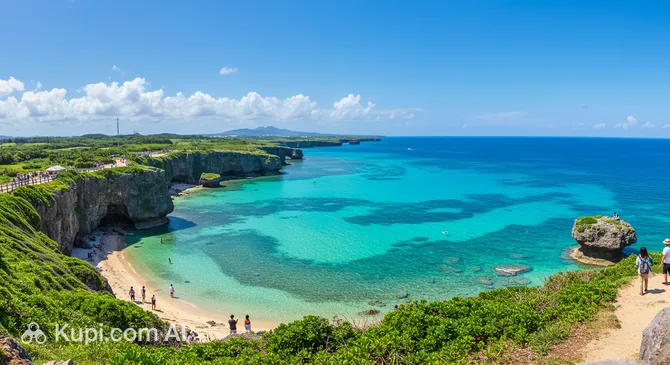
Nanjo. Illustration.
Source: Kupi.com AI

The main highlight of Nanjo is its amazing combination of rich historical heritage and magnificent natural landscapes. Here, you can explore the ancient ruins of gusuku castles, which are UNESCO World Heritage sites, visit the sacred places of the Ryukyu Kingdom such as Sefa-Utaki, and enjoy relaxation on secluded beaches with crystal-clear water, like Mibaru Beach. The city exudes an atmosphere of peace and harmony, offering something for everyone: from meditative walks through scenic parks to active water sports.

If you dream of immersing yourself in the authentic atmosphere of Okinawa, getting to know its unique culture, tasting local cuisine, and feeling a deep connection with nature, then Nanjo is the perfect choice for you. There is no hustle and bustle of big cities here—only sincere hospitality, vibrant traditions, and breathtaking landscapes that will make your trip unforgettable.

You can find more interesting facts on the history of Nanjo page.
Weather Overview

Nanjo experiences a warm climate throughout the year. Summers here are hot, with average temperatures around 28.3-28.4°C in July and August, accompanied by periodic rainfall. Winters are mild, with average temperatures around 18.2-19.9°C between January and March, also with some rainy days. The highest rainfall occurs in June (10 mm); significant rainfall is also typical for May and August (8 mm each), and September (7 mm). June and September also stand out for the highest number of rainy days (18 and 19 respectively).

To get a more detailed view of weather conditions, you can check the detailed information about the climate in Nanjo.

Average monthly temperature

Average monthly precipitation

Interesting Facts

In addition to its famous landmarks, Nanjo holds many fascinating secrets and unique features that make it a truly special place in Japan. Here are some interesting facts to help you see this city from a new perspective:

Gusuku Road Park. Illustration.
Source: Kupi.com AI

Traveler photos:

  • Nanjo is home to Sefa-Utaki—one of the most sacred sites in Okinawa and a UNESCO World Heritage site. This place is deeply connected to ancient rituals of the Ryukyu Kingdom, and many believe the island's guardian spirit resides here.

  • Within the city, you can find the ruins of several ancient gusuku castles that once served as centers of power and culture. These historical monuments, including those in Gusuku Road Park, are not just stones but witnesses to key events of the Ryukyu era and today attract both tourists and locals for walks.

  • In Nanjo, Ryukyu Kingdom traditions are still carefully preserved and actively showcased. Annual festivals bring the city to life with colorful dances, unique music played on the traditional three-stringed sanshin instrument, and workshops on ancient crafts.

  • The city is shrouded in many legends about mysterious spirits and mythical creatures that, according to folklore, inhabit local caves and groves. One such story says that a spirit lives in one of the limestone caves, granting wishes to those who come with pure thoughts, adding a special mystical atmosphere to Nanjo.

How to Get There

When planning a trip to Nanjo, most travelers arrive in Okinawa by air. The most convenient way to reach Nanjo is through the nearest airports, primarily the international airport serving the prefecture's capital.

The main transport hub for arriving in Nanjo is Naha Airport (OKA). This large international airport is located in the city of Naha, approximately 12.7 km west of central Nanjo. A taxi or bus ride from the airport to Nanjo usually takes about 35-45 minutes, depending on traffic. Naha Airport handles many domestic and international flights, making it the most convenient arrival point for most tourists heading to Nanjo.

In addition to Naha Airport, there are other smaller airports on neighboring islands of the Ryukyu archipelago. For example, Kumejima Airport (UEO), located in the town of Kumejima, is about 107.6 km from Nanjo. Another option is Yoron Airport (RNJ) on Yoron Island, at a distance of about 116 km. These airports mainly serve local flights and may be relevant when planning combined routes through the islands. However, they are less convenient for a direct trip to Nanjo due to the significant distance and the need for additional transfers, which may include ferry services.

For convenience, here is a summary of the main airports used to reach Nanjo:

AirportPassenger trafficDistance
Naha Airport21.5 mln13 km
Kume-jima Airport221 325108 km
Yoron Airport145 918116 km
Okinoerabu Airport197 000169 km
Tokunoshima202 021216 km

As for rail connections, there is no direct access to Nanjo by train. Okinawa Island, where Nanjo is located, does not have the extensive railway network typical of mainland Japan. The only railway line on Okinawa is the Yui Rail monorail, which operates within Naha city and does not reach Nanjo. Therefore, the main modes of transport for traveling around the island, including trips to Nanjo from other towns like Naha, are motor vehicles (buses, taxis, rental cars). You should also consider using ferry services for travel between the islands of the archipelago.

Main Attractions

The city of Nanjo, located in the southern part of Okinawa Island, attracts travelers with its rich cultural heritage and picturesque natural landscapes. Here, everyone will find something interesting, from ancient shrines to modern theme parks and beautiful beaches.

One of the most significant landmarks in Nanjo is Sefa-Utaki (斎場御嶽). This is a sacred site of the Ryukyu religion and a UNESCO World Heritage site. Sefa-Utaki is a complex of rock formations and groves where important rituals of the Ryukyu Kingdom were performed. A visit to this place allows you to touch the ancient history and spirituality of Okinawa while enjoying a peaceful atmosphere and ocean views.

For those who want to immerse themselves in Okinawan culture and nature in one place, Okinawa World is an ideal choice. This large theme park offers many attractions: the impressive Gyokusendo Cave, stretching over 800 meters; a reconstructed traditional Ryukyu Kingdom village where you can learn about the crafts and daily life of the islanders; and exciting Eisa dance performances and Habu snake shows.

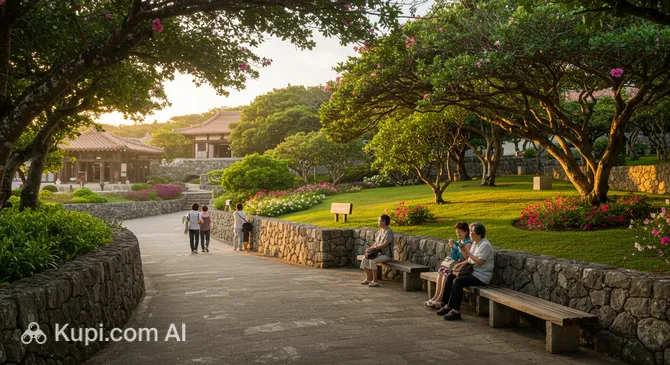
History buffs and fans of outdoor walks should visit Gusuku Road Park. This scenic park area connects several ruins of ancient Ryukyuan castle-fortresses (gusuku), offering visitors both historical immersion and wonderful views. Walking the park's trails is a great way to learn more about the region's past and enjoy nature.

Gusuku Road Park. Illustration.
Source: Kupi.com AI

Traveler photos:

Another unique location is the Valley of Gangala. This valley formed on the site of a collapsed limestone cave and is now covered in a lush subtropical forest. You can take a guided tour to see ancient rock formations, learn about archaeological finds indicating the presence of prehistoric humans, and simply enjoy pristine nature. The entrance to the valley features a cozy cafe located right inside a cave.

For beach lovers, Nanjo offers the beautiful Mibaru Beach. This long sandy beach is famous for its clean water and calm atmosphere. Here, you can not only swim and sunbathe but also take a glass-bottom boat tour to admire the corals and marine life, which is especially popular with families with children.

Local Cuisine

Nanjo's gastronomy is a true immersion into Okinawa's unique culinary traditions. The local cuisine is famous for its freshness, using an abundance of seafood, juicy vegetables, and exotic tropical fruits. It is not only incredibly delicious but also recognized as one of the healthiest in the world, making it a particularly pleasant discovery for tourists.

Be sure to try goya champuru—Okinawa's famous stir-fry made with bitter melon (goya), tofu, tender pork, and eggs. This dish is a true hallmark of the region. In Nanjo's coastal areas, an abundance of fresh seafood awaits you: oysters, mussels, sea urchins, and a variety of fish. Tuna and sea bass sashimi are especially popular, as are aromatic fish broth soups with seaweed and local spices.

For those with a sweet tooth, Nanjo offers delightful desserts. Look for treats made from local brown cane sugar and the beni-imo purple sweet potato, which is prepared here in many forms—from delicate cakes and ice cream to crispy chips. In the city's farmers' markets, you'll find heaps of exotic fruits like mangoes, pineapples, and papayas, which are used to make refreshing freshly squeezed juices.

Speaking of drinks, one cannot fail to mention the traditional Okinawan alcoholic beverage awamori—a rice distillate with a unique taste that is the pride of the region. The local beer brand, Orion, is also popular and pairs perfectly with seafood dishes. Among non-alcoholic drinks, besides the aforementioned fresh juices, it is worth trying sanpin-cha (Okinawan jasmine tea), which perfectly quenches thirst on a hot day.

The food culture in Nanjo is diverse and welcoming. Locals and tourists alike can enjoy authentic dishes in numerous restaurants specializing in Okinawan cuisine. A special atmosphere prevails at gastronomic festivals, where you can not only taste culinary delights but also participate in cooking masterclasses. Summer festivals turn the city into a true gastronomic paradise with street stalls, music, and the appetizing aromas of grilled seafood and spices filling the air.

Travel Tips

Welcome to Nanjo, a charming corner of Okinawa where ancient Ryukyu traditions meet stunning nature! To make your journey through this picturesque city as comfortable and memorable as possible, we have prepared some practical tips.

  1. Clothing and Essentials:

    The climate in Nanjo is subtropical. In summer (June-September), choose light, breathable clothing, swimwear, a hat, sunglasses, and sunscreen with high SPF. From May to June, the rainy season is possible, so a light raincoat or umbrella will be useful. Winter (December-February) is mild; a sweater and light jacket are sufficient. Comfortable shoes are your best friend for exploring the many sights and walking along the coast. Don't forget an adapter for electrical appliances (Japan uses Type A and B sockets, 100V voltage). When visiting sacred sites like Sefa-Utaki, choose modest clothing that covers shoulders and knees as a sign of respect.

  2. Transport Around the City and Surroundings:

    Public transport in Nanjo itself is mainly represented by buses, but their routes may not always be convenient for tourists. For maximum freedom of movement and exploring the scenic Okinawan countryside, car rental is highly recommended. You will need an international driving permit. Taxis are available but can be expensive for long trips. Popular taxi apps like DiDi or JapanTaxi may work here as well.

  3. Finances: All About Money:

    The local currency is the Japanese Yen (JPY). You can exchange currency at the airport, major banks, or post offices. Although credit and debit cards are increasingly accepted, especially in tourist spots, always have cash with you, as small local establishments and shops may prefer it. ATMs that accept international cards can most often be found in post offices (Japan Post Bank) and 7-Eleven convenience stores. Tipping is not practiced in Japan—excellent service is considered the norm. An approximate daily budget (excluding accommodation) can be 7,000-15,000 JPY.

  4. Health and Safety:

    Nanjo, like all of Okinawa, is considered a very safe place. Pharmacies (薬 - "kusuri") are easy to find, but staff may not always speak English. If you need medical assistance, contact local clinics or hospitals; travel insurance is mandatory. For emergencies, call 119 (ambulance/fire service). Follow standard precautions, especially on beaches—pay attention to warning signs about currents or marine life. Typhoons are possible in summer and autumn; keep an eye on weather forecasts.

  5. Communication and Connectivity:

    The primary language is Japanese. In tourist areas, staff may speak basic English, but overall proficiency is limited. Learn a few simple phrases: "Konnichiwa" (Hello), "Arigato" (Thank you), "Sumimasen" (Excuse me/I'm sorry). For constant internet access, it's recommended to purchase a tourist SIM card upon arrival or rent a pocket Wi-Fi router—this is very convenient. Free Wi-Fi is available in many hotels, cafes, and tourist information centers. Useful apps: Google Maps, Japan Travel by NAVITIME.

  6. Local Etiquette and Traditions:

    Japanese people, and Okinawans in particular, highly value politeness and respect. A slight bow is sufficient for greeting. In public places, especially on transport, try to speak quietly. Remove your shoes before entering homes, some temples, traditional restaurants, and ryokans. Okinawan culture has its own characteristics; locals are known for their friendliness and a more relaxed pace of life. Treat sacred sites (utaki) with special respect—do not touch anything and do not enter forbidden areas.

  7. What to Avoid:

    Never stick your chopsticks vertically into a bowl of rice—this is associated with funeral rituals and is considered bad manners. Avoid loud conversations and noisy behavior, especially in quiet natural areas and places of worship. Do not take photos of people without their permission.

  8. A Special Tip for Nanjo:

    Nanjo is the heart of ancient Ryukyu history. Be sure to visit Sefa-Utaki, a sacred grove and UNESCO World Heritage site. Also worth visiting is the Okinawa World theme park with its impressive Gyokusendo Cave and traditional village. Don't miss the chance to try unique Okinawan cuisine: goya champuru (stir-fried bitter melon), rafute (braised pork belly), and okinawa soba (noodles). Many cafes in Nanjo offer stunning ocean views.

We hope these tips help you better prepare for your trip and enjoy every moment of your stay in amazing Nanjo. We wish you unforgettable experiences and bright discoveries in the hospitable land of Okinawa!

Entertainment & Nightlife

Nanjo, a charming city in Okinawa Prefecture, offers its guests a more peaceful evening experience rather than the vibrant nightlife typical of major metropolises. You are unlikely to find many noisy nightclubs here, but you can enjoy the authentic atmosphere of local establishments and quiet evening strolls.

Evening in Nanjo is perfect for leisurely dinners at restaurants serving exquisite Okinawan cuisine. The main spots for evening relaxation are usually concentrated in the central part of the city or near popular tourist routes. Local izakayas—traditional Japanese pubs—are particularly popular, where you can try various drinks and snacks in a relaxed setting. In some of these venues, you might even catch live performances of the sanshin, a traditional Okinawan string instrument. While the choice of large nightclubs and concert venues in Nanjo is likely to be limited, there is always a chance to discover cozy small bars with a welcoming atmosphere, ideal for chatting with locals and other tourists.

The atmosphere in Nanjo during the evening is predominantly relaxed and friendly. Most establishments cater to quiet relaxation, and the dress code is generally casual. Most evening activity starts after 6:00 PM or 7:00 PM and continues until late at night, though keep in mind that smaller venues may close earlier than in big cities. Prices in local restaurants and bars are usually moderate. For nighttime travel, you can use a taxi; be aware that public transport may stop running relatively early.

Nanjo, like most cities in Japan, is famous for its safety. Night walks along well-lit streets are generally completely safe. However, it is always wise to follow standard precautions. If you need a taxi, you can order one through your hotel or restaurant staff, or find one at designated taxi stands.

During the day, Nanjo also offers many interesting activities. The city and its surroundings are rich in natural beauty and cultural attractions. For example, you can visit Gusuku Road Park to enjoy scenic views and walk through historical sites. While Nanjo may not have large amusement parks or numerous theaters, its true charm lies in its peaceful atmosphere, beautiful landscapes, and the opportunity to experience unique Okinawan culture.

Gusuku Road Park. Illustration.
Source: Kupi.com AI

Traveler photos:

Parks & Museums

The city of Nanjo, located in southern Okinawa, offers tourists a harmonious blend of picturesque natural landscapes and a rich cultural heritage rooted in the days of the Ryukyu Kingdom. Here, you will find peaceful green areas for relaxation as well as significant historical sites that allow for a deeper understanding of the island's unique culture.

Among Nanjo's natural beauties, Cape Chinen Park stands out. This is a magnificent place for walks, offering breathtaking panoramic views of the Pacific Ocean and nearby islands. The park is well-maintained and is a pleasant place to spend time enjoying the fresh sea breeze and the beauty of nature. Another notable spot is Mibaru Beach, known for its white sand and crystal-clear water. Here, you can not only sunbathe and swim but also take a glass-bottom boat ride to observe the underwater world. For fans of historical walks, Gusuku Road Park is interesting, as its trail connects several ruins of ancient gusuku castles, allowing you to touch the region's past.

Gusuku Road Park. Illustration.
Source: Kupi.com AI

Traveler photos:

You can immerse yourself in Okinawan history and culture by visiting Okinawa World. This is a large cultural theme park that features the impressive Gyokusendo stalactite cave, a reconstructed traditional Ryukyu Kingdom village with folk craft workshops, and a Habu snake museum with live shows. This site offers a comprehensive introduction to Okinawa's nature, history, and traditions.

One of the most significant historical and spiritual sites not only in Nanjo but in all of Okinawa is Sefa-Utaki. This UNESCO World Heritage site is a complex of sacred rocks and groves where the most important religious rituals of the Ryukyu Kingdom were held. Visiting Sefa-Utaki allows you to feel the special atmosphere of this place and learn about the ancient beliefs of the islanders. No less interesting is the Valley of Gangala—a natural valley with caves where traces of prehistoric humans were discovered. Today, you can walk through the tropical forest, visit a cave cafe, and learn more about the archaeological finds.

For those seeking authentic experiences, we suggest checking out small local markets where you can try fresh fruits and vegetables and purchase items made by local artisans. It is also worth exploring lesser-known coastal trails, which can lead to secluded bays and viewpoints with stunning vistas.

Getting Around

When planning your travels around Nanjo, it's worth noting that this city has transportation specifics typical of Okinawa. The primary form of public transport here is the bus. They connect different areas of the city and nearby settlements. There are no subways, trams, or trolleybuses in Nanjo.

The payment system on buses usually involves paying in cash upon exiting. The fare depends on the distance you have traveled. When entering the bus (usually through the rear door), you need to take a ticket with the stop number, or remember the number if the system is electronic. When exiting (through the front door), you pay the driver the amount shown on the display next to your stop number. Some Okinawan buses accept the local Okica transport card, which can be convenient for frequent travel. Whether other Japanese IC cards (like Suica or Pasmo) can be used should be verified, as their acceptance is not always guaranteed on all routes outside major cities. There may not be specialized tourist passes specifically for Nanjo, but it's always worth checking at tourist information centers.

Practical tips for tourists: Fares are paid directly on the bus. Buses run according to a schedule, which can be found at stops (often only in Japanese) or checked using online maps and navigation apps that support Japanese public transport data. Keep in mind that bus frequency may decrease in the evenings and on weekends. Entry is usually through the rear door, and exit is through the front door, where payment is made.

As an alternative to public transport in Nanjo and for exploring the surrounding areas of Okinawa, many tourists choose car rental. This provides significantly more freedom of movement, especially if you plan to visit remote beaches or attractions. Taxi services are also available, but they can be quite expensive for long trips. In some tourist zones, you can find bicycle rentals, which are a great way for leisurely sightseeing over short distances. There are no unique historical modes of transport, like vintage subways or cable cars, in Nanjo.

Accommodation

When planning your trip to Nanjo, you will find a variety of accommodation options to suit different preferences and budgets. The city offers a wide range of housing: from cozy guesthouses and budget options for economical travelers to comfortable mid-range hotels and more luxurious offerings for those seeking extra comfort. Apartment rentals are also available, which can be convenient for families or long-term stays.

When choosing a place to stay in Nanjo, you should pay attention to the location. Some areas may be more convenient due to their proximity to popular tourist sites or transport hubs, making it easier to get around the city and its surroundings. While specific hotels were not highlighted in the provided data, rest assured that Nanjo has plenty of options to meet your needs.

As for the price range, it varies from budget-friendly to more expensive options. You can book accommodation in various ways: international online booking platforms are popular, and direct booking through hotel websites or by phone is also possible. Especially during the peak tourist season, it is recommended to book in advance to ensure the best choice and prices.

Nearby Cities

For those who want to explore the surrounding areas, Nanjo serves as an excellent starting point for day trips to several interesting nearby locations.

Among them, Naha, the capital of Okinawa Prefecture (just 10 km away), stands out. There, you can visit the majestic Shuri Castle, walk along the busy Kokusai-dori Street, or soak up the atmosphere of local markets. Also just 10 km from Nanjo is the city of Urasoe, which attracts history buffs with the ruins of the old Urasoe Castle and the Urasoe Art Museum with its collection of traditional crafts.

Here is a more detailed list of some nearby cities that might be of interest to visit:

CityPopulationDistance
Yonabaru19 7354 km
Yaese30 9745 km
Nishihara34 8026 km
Urasoe115 85510 km
Naha316 04810 km

These nearby destinations offer a wonderful opportunity to get to know the diverse culture, history, and natural beauty of the Okinawa region more deeply, complementing your experience in Nanjo.

Shopping & Souvenirs

Shopping in Nanjo is an immersion into local culture and an opportunity to purchase unique souvenirs typical of Okinawa. The city is not famous for huge shopping centers like the metropolises of Japan, but it offers an authentic shopping experience with an emphasis on handmade items and local products.

Instead of large shopping streets, in Nanjo you are more likely to find small private shops and stalls scattered throughout the city. You can find interesting goods while walking through its streets. Particular attention should be paid to shops specializing in Okinawan crafts and food products.

Traditional shopping centers as we know them might not exist in Nanjo, as the city is more valued for its nature and cultural heritage. However, this is compensated for by an abundance of small shops where you can find everything you need as well as unique local items.

While there may be few specialized large markets in Nanjo itself, local markets are popular throughout Okinawa, selling fresh fruits, vegetables, seafood, and handmade goods. It's worth asking locals about the nearest farmers' markets or fairs that may be held in the city or its surroundings to experience the true flavor of the region.

Traditional Okinawan souvenirs are worth bringing back from Nanjo. Look for Ryukyu glass products with their bright colors, local "yachimun" pottery, and textiles with unique "bingata" patterns. Local delicacies are also popular: brown cane sugar "kokuto," "chinsuko" cookies, "sata andagi" donuts, and various products made from bitter melon "goya." Don't forget about the traditional Okinawan alcoholic drink, awamori.

Shops in Nanjo, as in most small towns in Japan, typically operate from 10:00 AM or 11:00 AM until 7:00 PM or 8:00 PM. Small family-run shops may have their own, more flexible schedules. Regarding payment, cash is still widely used, especially in small shops and markets. Credit cards are accepted in larger establishments and tourist-oriented places.

For foreign tourists in Japan, there is a Tax-Free system. If you make purchases of a certain amount at participating shops (usually marked with a sticker), you can claim a refund of the consumption tax. Don't forget to bring your passport to process the Tax-Free refund.

Reached the end of the page?

That means the route is fully explored