Support

Ginowan

About

Ginowan is a picturesque and vibrant city nestled on the west coast of Okinawa Island in Japan. It is located between major centers—Okinawa City and the prefectural capital Naha—making it an excellent starting point for exploring the entire island. The city stretches along the coast of the East China Sea, where the fresh sea breeze creates an atmosphere of southern hospitality and resort-like tranquility.
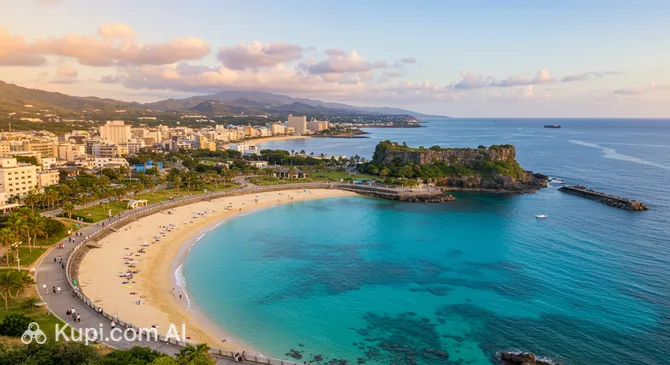
Ginowan. Illustration.
Source: Kupi.com AI

With a population of about 99,000 people, Ginowan is one of the important administrative and cultural centers of central Okinawa. Modern shopping and entertainment complexes, well-kept parks, and scenic beaches interweave harmoniously here, giving the city a special dynamic. Ginowan is known for its relaxed resort pace of life: during the day, it's pleasant to stroll through the parks and along the waterfront, and in the evening, you can admire the sunsets at the famous Tropical Beach or relax in one of the many cafes.

The city attracts tourists not only with its beaches, such as the popular Tropical Beach, but also with the opportunity to immerse oneself in the local culture. Ginowan regularly hosts major festivals, international conferences, and musical events, adding bright colors to its daily life. Visit Ginowan to enjoy its unique combination of urban infrastructure, natural beauty, and the welcoming atmosphere of Okinawa.

You can find more interesting facts on the history of Ginowan page.
Weather Overview

The weather in Ginowan is characterized by a warm climate throughout the year. Summers here are hot, with average temperatures in July and August around 28°C, and this is also the period with the most rainfall, especially in June (about 10 mm). Winters are very mild; the average temperature in January is about 18°C, and the minimum rarely drops below 17°C. Precipitation is distributed fairly evenly throughout the year, with a slight increase in the summer months and September. Expect a warm, humid climate with frequent but usually not very heavy rains all year round. For a more detailed forecast and monthly information, you can study the climate of Ginowan.

Average monthly temperature

Average monthly precipitation

Interesting Facts

Beyond its lively beaches and modern centers, Ginowan hides many surprising features and curious details that make it truly special. This city in Okinawa knows how to surprise its guests with more than just famous landmarks.

Nakagusuku Park. Illustration.
Source: Kupi.com AI

Traveler photos:

  • One of the city's main traffic arteries, Route 58, has earned the unofficial nickname "Furniture Street." Such a large number of furniture stores and workshops are concentrated along it that it has become a true paradise for connoisseurs of unique interior items and traditional crafts.

  • Ginowan's west coast serves as the hallmark of Okinawa's business and cultural life. This is where the Okinawa Convention Center is located, hosting international exhibitions, festivals, and concerts, which is why the city is often called "Okinawa's gateway to the world."

  • The city beach, Tropical Beach, is famous not only for its clear water and white sand but also for its incredible sunsets. Many consider them some of the most picturesque in all of Okinawa, and watching the sun dip below the horizon has become a ritual for both locals and tourists alike.

  • The residents of Ginowan have a special respect for the sea, which is reflected in the numerous city celebrations and festivals dedicated to the ocean. Brightly decorated fishing boats are a frequent attribute of such festivities, creating a unique atmosphere.

How to Get There

The most convenient way to reach the city of Ginowan, located on the island of Okinawa in Japan, is by air. Several airports serve the region, providing various options for travelers, although the main arrival point for most tourists is Naha Airport.

The primary air hub serving Ginowan and the entire Okinawa Prefecture is Naha Airport (OKA). This large international airport is located in the city of Naha (Okinawa), approximately 16.3 km southwest of central Ginowan. It serves millions of passengers annually and handles many international and domestic flights. A taxi ride from Naha Airport to Ginowan typically takes about 45-60 minutes, depending on traffic conditions. Bus routes are also available, which can be a more budget-friendly option, though they may take a bit longer.

For travelers arriving from neighboring islands, there are other, smaller airports. For example, Kumejima Airport (UEO) is located on Kumejima Island, about 106.7 km from Ginowan. This is a small regional airport. To get from there to Ginowan, an additional flight or ferry crossing to the main island of Okinawa is required, followed by ground transport (bus or taxi) to Ginowan. Similar situations apply to other airports on nearby islands, such as Yoron Airport (RNJ) on Yoronjima Island or Okinoerabu Airport (OKE).

For clarity, here is a summary of the main airports through which you can reach the region:

AirportPassenger trafficDistance
Naha Airport21.5 mln16 km
Yoron Airport145 918105 km
Kume-jima Airport221 325107 km
Okinoerabu Airport197 000157 km
Tokunoshima202 021204 km

Regarding rail connections, traditional rail transport is absent on Okinawa Island, including Ginowan. The only form of rail transport is the Yui Rail monorail in the city of Naha, which connects Naha Airport to central Naha and the Shuri district but does not reach Ginowan. Therefore, the main choices for travel from the airport or other parts of the island to Ginowan are buses, taxis, or a rented car. Ferry connections are also well-developed between the islands of Okinawa Prefecture.

Main Attractions

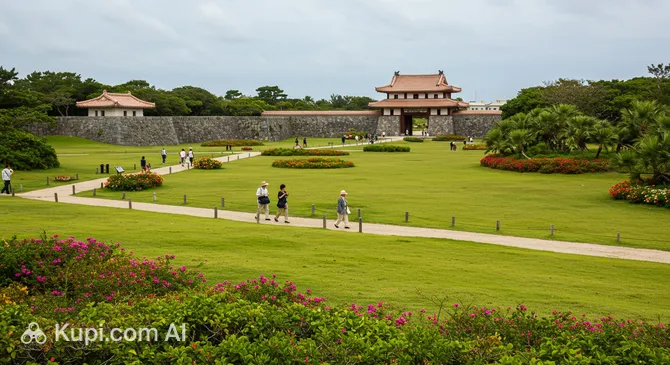
In the city of Ginowan, there are several noteworthy places that deserve a traveler's attention. One of these is Nakagusuku Park. This is a wonderful place for those seeking an opportunity to relax in nature and enjoy a peaceful atmosphere. The park offers picturesque landscapes and well-maintained walking paths, making it an excellent choice for a family outing or a picnic. Tourists value it for the chance to escape the city bustle and enjoy the silence.

Nakagusuku Park. Illustration.
Source: Kupi.com AI

Traveler photos:

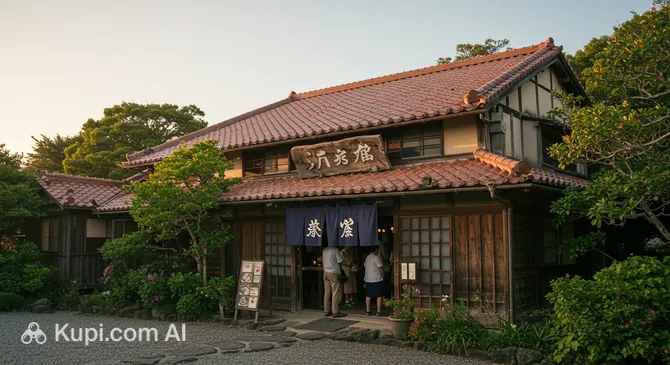
For connoisseurs of Japanese cuisine and those who want to get acquainted with local gastronomic traditions, the restaurant Karen is worth a visit. This establishment is known for its hospitality and offers a variety of dishes that reflect the culinary features of the region. The restaurant attracts both tourists and locals with the quality of its food and its pleasant setting, making it an excellent spot for dinner.

Karen. Illustration.
Source: Kupi.com AI

Traveler photos:

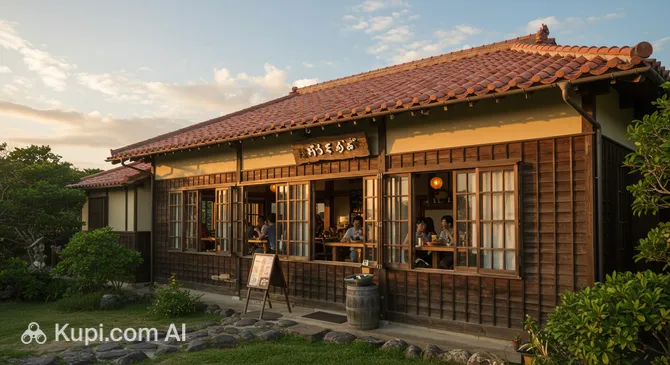
Another interesting place for a gastronomic experience in Ginowan is Cafe Hale Noa. This cozy cafe offers visitors not only delicious dishes but also a pleasant atmosphere for relaxation. Here you can enjoy a cup of aromatic coffee, have a snack, or spend time with friends. The cafe is popular due to its menu and relaxing environment, making it a good choice after a busy day of sightseeing.

Hale Noa Cafe. Illustration.
Source: Kupi.com AI

Traveler photos:

Local Cuisine

The gastronomy of Ginowan is a fascinating culinary journey where the ancient traditions of Ryukyuan and Japanese cuisine blend harmoniously with subtle Western influences. Be sure to try the famous Okinawan soki—tender pork slow-simmered in an aromatic broth—as well as goya chanpuru, a hearty and healthy stir-fry made with bitter melon, vegetables, and tofu, which locals consider a symbol of health and longevity. These dishes are the hallmarks of local cuisine, emphasizing its uniqueness and focus on fresh products.

Seafood lovers will be pleasantly surprised by the variety of marine treasures in Ginowan. Fresh oysters, scallops, and succulent shrimp are often grilled right on the beaches, allowing you to enjoy their natural flavor to the fullest. In numerous coastal cafes and restaurants, you can also taste rarer delicacies such as sea urchin or cuttlefish, prepared according to ancient recipes passed down through generations. The city's gastronomic scene offers both traditional dishes and modern interpretations.

Street food in Ginowan is an adventure in itself, full of bright flavors and aromas. Don't miss the chance to try Okinawan rice balls (onigiri) with various fillings, sweet pies with juicy pineapple, and the refreshing shaved ice dessert kakigori, which is especially popular on hot days. Local farmers' markets also deserve attention—here you can always find the freshest tropical fruits such as mango, papaya, and lychee, packed with sun and vitamins.

Among local drinks, various refreshing options based on sugar cane are worth noting. The food culture in Ginowan is diverse: locals and tourists alike enjoy visiting both small family-run eateries and more upscale restaurants. To dive deeper into the local atmosphere, you can stop by an authentic establishment like Cafe Hale Noa. Additionally, gastronomic festivals are periodically held in the city, where you can get acquainted with the best examples of local culinary art and participate in interesting masterclasses.

Travel Tips

Welcome to Ginowan! To ensure your trip to this interesting city in Okinawa is as comfortable as possible and leaves only pleasant impressions, we have prepared some practical tips. They will help you navigate better and enjoy every moment of your stay.

  1. Seasonal Clothing and Essentials:

    Ginowan has a subtropical climate, so for most of the year, you will need light and breathable clothing. Summer (June-September) is hot and humid; don't forget a hat, sunglasses, and sunscreen. The rainy season lasts from May to June, so a light waterproof jacket or umbrella will be useful. A strict dress code is usually not required for visiting temples or official places, but modest clothing is appropriate. Be sure to bring comfortable shoes for walking and an adapter for Japanese outlets (type A and B).

  2. Getting Around the City:

    The main public transport in Ginowan, as in Okinawa as a whole, is buses. The network is fairly extensive but can be unfamiliar to tourists. Taxis are available, but they are a more expensive way to travel. To explore Okinawa Island and the surroundings of Ginowan, many tourists prefer to rent a car; an international driving permit is required for this. In the city itself, many interesting places are within walking distance if you stay centrally.

  3. Financial Matters:

    The local currency is the Japanese Yen (JPY). Credit cards (Visa, Mastercard) are accepted in many hotels, large stores, and restaurants, but it is always useful to carry some cash for small establishments, markets, or bus fares. ATMs that accept international cards can be found in post offices (Japan Post Bank) and 24-hour convenience stores (7-Eleven, Family Mart). Tipping in Japan, including Ginowan, is not practiced and can be perceived as impolite.

  4. Health and Safety:

    Pharmacies (薬局 - yakkyoku) are easy to find, but most medications are prescription-only or have instructions only in Japanese. It is recommended to bring a basic first-aid kit. Ginowan, like all of Japan, is considered a very safe city. Observe standard precautions: watch your belongings in crowded places. Typhoons are possible in summer and autumn; keep an eye on weather forecasts. If medical assistance is needed, ask your hotel for the nearest clinic that works with foreigners or use your travel insurance.

  5. Language and Connectivity:

    The official language is Japanese. In tourist areas and hotels, staff may speak English, but generally, English proficiency is not very high. Learning a few basic Japanese phrases (e.g., "Konnichiwa" - hello, "Arigato" - thank you, "Sumimasen" - excuse me/sorry) will be appreciated by the locals. For connectivity, it is convenient to purchase a local SIM card or rent a pocket Wi-Fi router. Free Wi-Fi is available in some public places and cafes.

  6. Local Etiquette:

    Japanese people are very polite. A slight bow is a traditional form of greeting and gratitude. It is customary to remove your shoes when entering private homes, some temples, and traditional restaurants. In public places, especially on transport, try to speak quietly. Loud phone conversations are discouraged. Show respect to elders.

  7. What to Avoid:

    Do not stick your chopsticks vertically into rice—this is associated with funeral rituals. Also, avoid passing food from your chopsticks directly to another person's chopsticks. It is not common to eat while walking on the street (except in designated festival areas). As mentioned, do not leave tips.

  8. Ginowan Specialty:

    Ginowan is known for its Tropical Beach, a popular spot for relaxation for both locals and tourists. The city is also located near major American military bases, which leaves a certain mark on the atmosphere and infrastructure. Sometimes you can see cultural events here that combine Okinawan and American traditions.

We hope these tips make your stay in Ginowan even more pleasant and memorable. We wish you an excellent journey and brilliant discoveries in this corner of Japan!

Entertainment & Nightlife

When the sun sets over Ginowan, the city transforms, offering various options for evening and night leisure. While Ginowan may not be as bustling as Japan's major metropolises, it possesses its own unique charm and plenty of places to have a good time after dark.

Ginowan's nightlife is centered around cozy bars, traditional Japanese drinking establishments known as izakayas, and restaurants that stay open late. Some venues offer live music, bringing an international flair, partly thanks to cultural exchange. The main concentrations of bars and restaurants can be found along major streets and in areas adjacent to popular tourist zones or shopping centers. The atmosphere in most places is quite relaxed and friendly, attracting both locals and tourists.

For a dinner that transitions into a pleasant evening, consider establishments like the Karen restaurant, known for its cuisine, or Cafe Hale Noa, where you can enjoy drinks in a cozy setting. Many restaurants offer not only food but also a good selection of alcoholic beverages, including local Orion beer and awamori—a traditional Okinawan alcoholic drink.

Karen. Illustration.
Source: Kupi.com AI

Traveler photos:

Most bars and izakayas start to fill up after 7:00 PM or 8:00 PM and stay open until midnight or 1:00 AM, with some popular spots staying open longer, especially on weekends. The dress code is usually casual, unless it is an exclusive venue. Prices for drinks and food vary but generally remain affordable. Public transport runs less frequently at night, so taxis become the primary mode of transportation. It is recommended to have your hotel address written in Japanese or use taxi-hailing apps.

Ginowan, like most cities in Japan, is considered quite safe for nighttime walks, especially in busy areas. However, it is always wise to take standard precautions: keep an eye on your belongings and avoid poorly lit or deserted areas. You can call a taxi by phone, through an app, or ask the staff at the venue where you are relaxing to do it for you.

During the day, Ginowan also offers plenty of interest. Guests can visit local museums to learn about the culture and history of Okinawa, or spend time outdoors in one of the parks, such as the picturesque Nakagusuku Park. The city also has shopping centers for shopaholics and various cultural events that may take place depending on the season.

Nakagusuku Park. Illustration.
Source: Kupi.com AI

Traveler photos:

Parks & Museums

Ginowan offers its guests a pleasant combination of opportunities for outdoor relaxation and immersion in local culture. The city and its surroundings feature both well-maintained green zones and places where you can touch upon the history and art of the Okinawa region.

Among Ginowan's parks and natural areas, Nakagusuku Park particularly stands out. This is a vast territory ideal for leisurely walks, picnics, and active recreation. The park offers picturesque views and manicured landscapes, making it a popular spot for both tourists and locals wanting to escape the urban bustle. In addition to this large park, more compact public gardens and squares where it is pleasant to spend time in the fresh air can be found in Ginowan.

While Ginowan itself may not boast many large museum complexes, cultural enrichment awaits you as you explore Okinawa Prefecture. We highly recommend visiting the Okinawa Prefectural Museum & Art Museum (Okimu) located in Naha. This significant cultural center offers a deep dive into the history, nature, art, and unique culture of the Ryukyu Islands. Furthermore, in the vicinity of Ginowan and throughout Okinawa, you can find small themed museums and galleries dedicated to local crafts, such as the famous "yachimun" pottery or traditional "bingata" dyed fabrics. Visiting such places will help you better understand the region's rich heritage.

For those interested in history and architecture, Okinawa as a whole, and the area surrounding Ginowan in particular, offer much of interest. Note the majestic castle ruins (gusuku) from the Ryukyu Kingdom period, many of which are included in the UNESCO World Heritage list. These ancient stone structures are silent witnesses to the islands' rich past. Interesting examples of modern Japanese architecture and traditional houses reflecting the local flavor can also be found in the city itself.

To gain a more authentic experience and a deeper understanding of the local way of life, try visiting Ginowan's colorful markets, where you can see the daily lives of citizens and sample fresh local products. Also, if your trip coincides with any local festival (matsuri), don't miss the chance to participate—it is a magnificent opportunity to fully immerse yourself in the vibrant culture of Ginowan and Okinawa.

Getting Around

Getting around Ginowan is primarily possible via buses, which are the main form of public transport in the city and its surrounding areas. The bus network is well-developed, linking key districts and allowing travel to neighboring settlements. While there is no subway or tram system in Ginowan, the bus service is well-organized.

The fare payment system for buses in Ginowan, as in many cities in Japan, is quite convenient. Typically, payment is made in cash when exiting the bus; to do this, you need to take a numbered ticket (seiri-ken) from a machine at the entrance, and when exiting, the driver will state the fare based on the distance traveled. Transport IC cards, such as the local OKICA card or nationwide cards like Suica/Pasmo, are also widely used (check their specific applicability in Ginowan upon arrival). These cards are rechargeable and allow for fare payment with a simple touch on the validator. You can purchase or top up these cards at machines in major bus stations or at convenience stores.

Tourists are advised to carry cash in small bills and coins for bus fares if they do not have an IC card. Single-trip paper tickets are generally not sold in advance; payment happens directly on the transport. Buses in Ginowan usually start running early in the morning and finish in the evening, but it is best to check exact schedules at stops or through online services. Boarding is usually through the rear or middle door, and exiting is through the front door near the driver, where the payment is made.

In addition to buses, other modes of transport are available in Ginowan. Taxis can be found at designated stands or called by phone; this is a more expensive but comfortable option. Given the geography of Okinawa, car rental is very popular, providing more freedom to explore the island. In some areas of the city, you can find bicycle rentals, which are convenient for short trips and exploring the surroundings at a leisurely pace. Car-sharing services may be less common compared to large metropolises.

Accommodation

In the city of Ginowan, travelers will find a variety of accommodation options to suit different preferences and budgets. Budget choices such as guesthouses and hostels are available, as well as mid-range hotels offering comfortable stays. For those seeking more privacy or planning a long-term visit, there are apartment rental options.

When choosing a place to stay in Ginowan, pay attention to areas with good transport accessibility and proximity to the main attractions you are interested in. Although the city is not too large, a convenient hotel or apartment location will save time on travel and make your stay more comfortable. Some tourists prefer staying closer to the coast or in central districts, where it is easier to access restaurants and shops.

Accommodation prices in Ginowan can vary depending on the season, type of stay, and level of comfort. Generally, you can find options ranging from budget to more expensive. It is recommended to book your accommodation in advance, especially if your trip coincides with the peak tourist season or local festivals, to ensure the best choice and rates. Popular online platforms are convenient for searching and booking, or you can contact hotels and guesthouses directly.

Nearby Cities

For those looking to explore the surroundings, Ginowan serves as an excellent starting point for day trips to several interesting nearby locations:

Among them, Naha particularly stands out; the capital of Okinawa Prefecture is located just 13 km from Ginowan. Here, you can visit the famous Shuri Castle, a UNESCO World Heritage site (though its main buildings were damaged by fire, the park and some structures remain accessible), stroll along the lively Kokusai-dori shopping street, and soak in the atmosphere of the Makishi Market. Also interesting is Okinawa City, located just 6 km away. It offers a glimpse into the island's modern culture, its musical traditions, and places such as the Southeast Botanical Gardens or the Okinawa Zoo & Museum.

CityPopulationDistance
Nakagusuku21 9242 km
Kitanakagusuku17 0383 km
Chatan28 1675 km
Okinawa142 0946 km
Nishihara34 8027 km

These nearby destinations provide an insight into the region's diverse culture and landscapes, complementing the experience of staying in Ginowan.

Shopping & Souvenirs

Shopping in Ginowan offers visitors the chance to discover local goods and find interesting souvenirs. Although Ginowan may not be a major world-class shopping center, you can find both traditional Japanese products and modern goods here. The city is not famous for any specific exclusive items but offers a good selection for daily shopping and finding mementos.

The main shopping spots in Ginowan are generally concentrated along the busier streets and in high-traffic areas. Here you can find a variety of shops: from small family-run stores offering local products and handmade crafts to larger retailers. Specific shopping streets may not have the same fame as those in major metropolises, but a walk through the city's central districts will allow you to discover interesting places to shop.

As for large shopping centers, they may not be as widely represented in Ginowan as in the prefectural capital or other major Japanese cities. Nonetheless, shopping complexes offering a range of clothing, electronics, home goods, and food can be found in the city and its surroundings. Often, such centers also include food courts and entertainment zones.

Markets in Ginowan can offer a more authentic shopping experience. While specialized tourist markets might not be very common, it is worth looking for local food markets where you can find fresh fruit, vegetables, seafood, and local delicacies. Occasionally, at these markets or during local festivals, you can find stalls with souvenirs or products from local artisans.

As souvenirs from Ginowan and Okinawa in general, you can bring back traditional items such as Yachimun pottery, Bingata dyed fabrics, or Shisa guardian lion figurines. Local sweets, purple sweet potato (beni-imo) products, awamori (local alcoholic drink), and various marine souvenirs are also popular. Don't forget to check out shops specializing in Okinawan prefectural goods.

Shops in Ginowan are typically open from 10:00 AM or 11:00 AM to 7:00 PM or 8:00 PM. Small shops may have their own individual schedules. Cash remains the primary method of payment in Japan, although credit cards are increasingly accepted, especially in large stores and tourist spots. It is recommended to always carry some cash with you.

For foreign tourists in Japan, a Tax-Free refund system is available for purchases over a certain amount at participating stores. Look for the "Tax-Free Shopping" sign and don't forget to present your passport at the time of purchase. Usually, the refund is processed directly in the store or at a special point in the shopping center.

Reached the end of the page?

That means the route is fully explored