Support

Yomitan

About

Yomitan is a true paradise for those dreaming of the perfect combination of nature, culture, and leisurely relaxation. This charming village is nestled on the west coast of Okinawa Island in Japan, washed by the gentle waves of the East China Sea. Here, everyone will find their own corner: from endless white sand beaches and picturesque cliffs to vibrant coral reefs.

Yomitan. Illustration.
Source: Kupi.com AI

With a population of approximately 39,791 people, Yomitan is one of the largest settlements on the island outside of Naha, yet it retains a wonderful atmosphere of coziness and hospitality. The village is famous for its traditional settlements with an authentic atmosphere where time seems to slow down.

Yomitan is renowned for its rich cultural heritage, carefully preserving the traditions of the ancient Ryukyu Kingdom. To this day, local artisans create unique ceramics and textiles using age-old techniques, making the village a magnet for craft lovers. Tourists can visit craft workshops and even take part in masterclasses. The historical ruins, which tell the story of the region's rich past, are also of great interest.

In Yomitan, it's easy to lose yourself in the relaxed rhythm of island life. Besides magnificent beach holidays, the village offers a unique opportunity to experience the distinctive culture of Okinawa, try your hand at traditional crafts, or even learn the basics of karate. It is an ideal choice for travelers who value authenticity, natural beauty, and harmony. Yomitan is a place you'll want to return to again and again for new discoveries and a sense of peace away from the city bustle.

You can find more interesting facts on the Yomitan city history page.
Weather Overview

A warm and humid subtropical climate prevails in Yomitan. Summer, especially from June to August, is characterized as hot, with average temperatures reaching 28.5°C (August). This is also the rainiest season: the highest amount of precipitation falls in June (about 10 mm), while September features the highest number of rainy days (averaging 19). Winters in Yomitan are mild, with the average January temperature being around 18°C. Precipitation decreases during the winter months but remains regular, with 13-16 rainy days per month. Overall, expect a hot and humid summer with frequent rain and mild winters with moderate precipitation.

For more detailed information about weather conditions and monthly averages, you can visit the Yomitan Climate page.

Average monthly temperature

Average monthly precipitation

Interesting Facts

Yomitan is not only about Okinawa's picturesque landscapes but also a place that holds many fascinating secrets and unique traditions. Let’s look behind the curtain of the obvious and discover some little-known facts about this charming corner of Japan.

  • Okinawa's Ceramic Heart: Yomitan is rightfully considered the center of pottery art in Okinawa. This is where the famous "Yomitan-yaki" ceramics, known throughout Japan, are born. The secrets of this craft are carefully passed down from generation to generation, and travelers can not only purchase unique pieces but also attend masterclasses to try their hand as a potter.

  • Ancient Breath Protected by UNESCO: One of the city's main historical gems is the Zakimi Castle Ruins. This impressive fortification complex, built in the 15th century, is a UNESCO World Heritage site and allows you to touch the history of the Ryukyu Kingdom while enjoying panoramic views of the surroundings.

  • Lighthouse at the Edge of the World: Cape Zanpa is not just a beautiful natural attraction but a landmark spot for Yomitan. Its tall lighthouse, proudly rising above the sheer cliffs, has become a true symbol of the coast and a favorite place for contemplating sunrises and sunsets over the East China Sea.

  • Eisa Rhythms: The village is known for its vibrant and distinctive festivals. A special place among them is held by the Eisa festival – traditional Okinawan dances performed to the energetic beat of drums. Participants in colorful costumes create an unforgettable spectacle, immersing spectators in an atmosphere of ancient rituals and fun.

How to Get There

The most convenient way to reach Yomitan, located on Okinawa Island, is by air. The main transport hub for travelers heading to this part of Japan is the international airport.

The primary and most convenient option is Naha Airport (OKA). It is located in Naha City, approximately 24.3 km south of Yomitan. This is a major international airport serving most flights to Okinawa. A trip from Naha Airport to Yomitan by car (taxi or rental) usually takes about 50-60 minutes, depending on traffic. You can also get from the airport to Yomitan by bus, though the travel time may be somewhat longer.

While there are other airports on neighboring islands, such as Yoron Airport (RNJ) on Yoronjima Island (about 97 km from Yomitan) or Kumejima Airport (UEO) in Kumejima (about 103 km from Yomitan), these primarily serve local flights. Reaching Yomitan from these locations would require an additional transfer by ferry or domestic flight to the main island of Okinawa, followed by ground transport.

For clarity, here is a summary of the airports that can be used for traveling to the region where Yomitan is located:

AirportPassenger trafficDistance
Naha Airport21.5 mln24 km
Yoron Airport145 91897 km
Kume-jima Airport221 325103 km
Okinoerabu Airport197 000149 km
Tokunoshima202 021195 km

Regarding rail connections, Okinawa's rail system is represented by the Yui Rail monorail in Naha, which does not reach Yomitan. Therefore, the main ways to travel around the island, including trips to Yomitan and its surroundings, are by motor vehicle (rental car, taxi) and local bus routes. It is recommended to study the bus schedules in advance or consider renting a car for ease of movement around the region.

Main Attractions

Located on the picturesque coast of Okinawa, Yomitan offers tourists a unique blend of history, culture, and natural beauty. Here, everyone will find something for themselves, from ancient castles to charming craft villages and magnificent seascapes.

One of the main historical gems of Yomitan is the Zakimi Castle Ruins. This UNESCO World Heritage site was built in the early 15th century and played a vital role in the history of the Ryukyu Kingdom. Its walls offer panoramic views of the surrounding area, and the well-preserved stonework allows you to touch the past. Visiting the ruins is an opportunity to immerse yourself in Okinawan history and enjoy impressive architecture.

Nature lovers and those seeking breathtaking views should definitely visit Cape Zanpa. It is the westernmost point of Okinawa's main island, known for its tall lighthouse, majestic cliffs, and stunning sunsets. A walk along the craggy shore, the sound of waves crashing against the rocks, and the vast ocean expanse leave an unforgettable impression. There is also a park and a beach nearby where you can relax.

For those interested in local crafts, the Yachimun-no-Sato Village (Pottery Village) is a must-see. This charming place is home to numerous workshops and shops that produce and sell traditional Okinawan "yachimun" pottery. Here, you can not only purchase unique handmade items but also watch the creation process and sometimes even try your hand at the potter's wheel.

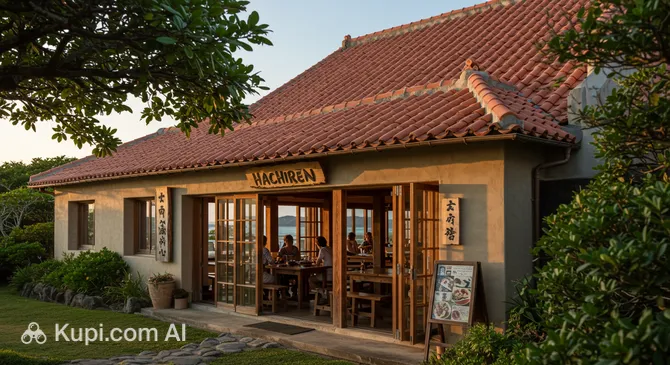
After a full day of exploration, it's worth stopping by the Hachiren restaurant. It's a great place to get acquainted with local cuisine and enjoy authentic Okinawan dishes. Here you can try both traditional treats and modern interpretations made from fresh local ingredients. The restaurant offers a cozy atmosphere for relaxation and gastronomic discovery.

Hachiren. Illustration.
Source: Kupi.com AI

Traveler photos:

Local Cuisine

The gastronomy of Yomitan is a true adventure for gourmets, offering unique flavors that are hard to find anywhere else in Japan. One of the main dishes you must try is the famous Okinawa Soba. This is a hearty soup with thick wheat noodles, tender pork, and aromatic spices that warms the soul and offers a true taste of Okinawa.

The Yomitan coastline is rich in seafood, so the freshest catches take center stage in local cuisine. Be sure to try dishes made from freshly caught shrimp, sea urchins, various fish, and, of course, the unique umi-budo seaweed (sea grapes). Numerous cozy cafes and restaurants along the shoreline offer these delicacies prepared according to traditional recipes. Culinary festivals regularly held in the village are also an excellent opportunity to get acquainted with the variety of local dishes.

Yomitan is also famous for its farmers' markets, where you can buy exotic fruits, fresh vegetables, and homemade sweets. The local beni-imo (purple sweet potato) is especially popular and is used to make delicious pies, ice cream, and even chips. If you want to dive deeper into the local culinary culture, visit one of the authentic restaurants, such as Hachiren, where you can appreciate traditional flavors in a cozy setting.

Street food lovers should look out for takoyaki with various local fillings and all kinds of rice snacks sold on every corner. As for drinks, besides traditional awamori — a strong rice distillate prepared in Okinawa according to ancient recipes and often served in beautiful handmade ceramic cups — be sure to try the refreshing sanpin-cha (a local version of jasmine tea) or the tart-sweet juice from the shikuwasa citrus fruit. These drinks perfectly complement the gastronomic experiences of Yomitan. Yomitan's food scene combines centuries-old traditions with the freshness of local products, offering unforgettable impressions to every guest.

Travel Tips

Welcome to Yomitan, a charming corner of Okinawa! To ensure your journey through this picturesque place goes smoothly and leaves only pleasant impressions, we have prepared some practical tips.

  1. Clothing and Essentials: Since Japan, and Okinawa in particular, has a subtropical climate, choose light, breathable clothing made of natural fabrics for Yomitan, especially in the summer months. Don't forget swimwear, sunscreen, a hat, and sunglasses. Comfortable shoes are your best friend for coastal walks and sightseeing. A light sweater or windbreaker might be useful in the evening. If you plan to visit temples, choose modest clothing that covers your shoulders and knees. Don't forget an adapter for electronics (Japan uses 100V voltage, and type A and B sockets).
  2. Transport: For getting around Yomitan and the surrounding areas, the most convenient option is renting a car, as this will give you the freedom to explore Okinawa's many beaches and interesting spots. Public transport consists of buses, but their routes and schedules may not always be convenient for tourists. Taxis are available but can be quite expensive for long trips. An international driving permit is mandatory for renting a car.
  3. Finances: The local currency is the Japanese Yen (JPY). While credit cards are accepted in many hotels, large shops, and restaurants, cash is still very important, especially in smaller establishments and markets. You can exchange currency at the airport or banks, but the rate may be less favorable. ATMs that accept international cards are most commonly found in post offices (Japan Post Bank) and 7-Eleven convenience stores. An approximate daily budget per person can range from 7,000 to 15,000 yen (excluding accommodation), depending on your dining and entertainment plans. Tipping in Japan, including Yomitan, is not practiced and may even be perceived as an insult.
  4. Health and Safety: Yomitan, like all of Japan, is considered a very safe place. Pharmacies (薬, kusuri) are easy to find, but many medications may require a prescription or have different names. For serious medical assistance, contact local clinics or hospitals; travel insurance is highly recommended. Follow standard precautions: keep an eye on your belongings, especially at beaches and in crowded places. Tap water is safe to drink.
  5. Communication: The official language is Japanese. In the tourist areas of Yomitan, staff may speak basic English, but outside of these areas, English proficiency is less common. Learning a few simple phrases in Japanese (e.g., "konnichiwa" – hello, "arigato" – thank you) will be appreciated by the locals. For constant internet access, it is recommended to purchase a local SIM card or rent a pocket Wi-Fi router. Free Wi-Fi is available in some hotels and cafes. For ease of navigation, translation, and transport information, apps like Google Maps, Japan Travel by NAVITIME, or Google Translate can be very helpful.
  6. Local Etiquette: Japanese people are very polite and value respect for traditions. A slight bow is a common form of greeting. In public places, especially on transport, try not to talk loudly on the phone. It is customary to remove your shoes when entering some temples, traditional restaurants, and private homes. Do not point at people or objects with your finger; use an open palm instead.
  7. What to Avoid: Never stick your chopsticks vertically into a bowl of rice—this is associated with funeral rituals. Also, try not to eat while walking on the street, unless it is a designated area for it (e.g., at festivals). Loud talking and laughter in quiet public places may draw disapproval.
  8. Yomitan Specialty: Yomitan is known as the "pottery village" (Yachimun no Sato). Be sure to visit this village, where you can not only buy unique handmade ceramics but also watch the creation process and sometimes even try your hand at the potter's wheel. This is a wonderful opportunity to connect with local culture and bring home an authentic souvenir.

We hope these tips help you better prepare for your trip and enjoy every moment of your stay in sunny Yomitan. We wish you unforgettable experiences and wonderful discoveries!

Entertainment & Nightlife

Evening Yomitan offers its guests a completely different atmosphere compared to noisy metropolises. Here, nightlife flows more measuredly and authentically, allowing for a deeper immersion into local culture and a peaceful rest. Instead of loud clubs and neon streets, you will find cozy establishments where you can have a pleasant time. Evening entertainment venues in Yomitan are not concentrated in one specific district but are rather scattered throughout the village; they can be found along main roads, near popular beaches, or adjacent to hotel complexes, offering guests various corners for relaxation.

The core of evening entertainment in Yomitan consists of traditional Japanese izakaya pubs, small local bars, and restaurants serving Okinawan and Japanese cuisine. This is a wonderful opportunity to sample local delicacies in a relaxed setting. One such place to enjoy a delicious dinner is the Hachiren restaurant. In addition to traditional izakayas, you can find small bars, some of which may offer live music with local Okinawan motifs, or quiet establishments where you can enjoy a drink. Some restaurants, especially those located closer to the coast, offer dinner with a sunset view. While Yomitan is not famous for an abundance of night clubs in the traditional sense, its charm lies precisely in its intimacy and the opportunity to spend the evening in good company. Prices in Yomitan establishments can vary, but generally, they can be described as moderate, especially compared to major tourist centers. It is recommended to check the menu or clarify the approximate cost in advance.

Hachiren. Illustration.
Source: Kupi.com AI

Traveler photos:

The atmosphere in local venues is typically very friendly and laid-back. There is usually no dress code; a comfortable style of clothing is welcomed. Most places are geared toward quiet relaxation and conversation. Keep in mind that many establishments may close earlier than in large cities, so it's better to plan your evening in advance and check operating hours, especially if you're hoping for a late-night outing.

Regarding practical matters, taxis are the most convenient option for getting around Yomitan at night, as public transport may run less frequently in the evening. Yomitan is considered a quite safe place; however, standard precautions, as in any other tourist destination, are always a good idea, especially if you are out late. Save the number of a local taxi service or use a ride-hailing app.

During the day, Yomitan offers many interesting activities: from visiting the famous Yachimun-no-Sato pottery village and relaxing on picturesque beaches to exploring historical landmarks. Unlike large cities, you are unlikely to find large theaters, extensive museum complexes, or noisy amusement parks here. However, unique cultural sites such as ceramic workshops and the natural beauty of the coast more than compensate for this, offering a more authentic and calm daytime experience. Thus, the contrast between active daytime recreation focused on culture and nature, and peaceful evenings makes a stay in Yomitan particularly pleasant.

Parks & Museums

Yomitan, a charming corner of Okinawa, offers its guests not only magnificent beaches but also interesting opportunities to get acquainted with nature and cultural heritage. Here, you can find both peaceful green zones and places that preserve the history and traditions of the region.

Among Yomitan's natural beauties, Cape Zanpa stands out. This impressive site features high cliffs against which the waves of the East China Sea break, and a famous lighthouse. Cape Zanpa is perfect for walking, admiring sunsets, and feeling the power of nature. The Yomitan coast is also famous for its beaches, such as Nirai Beach, which offers crystal clear water and opportunities for relaxation or water activities. While Yomitan may not have large formal city parks, its coastal zones and natural landscapes are wonderful places for outdoor recreation in their own right.

Cultural life in Yomitan is closely linked to its rich history and crafts. One of the most significant places is the Yachimun no Sato pottery village. This is not just a museum, but an entire district where dozens of pottery workshops are concentrated. Visitors can watch masters at work, get acquainted with traditional Okinawan "yachimun" ceramics, and even purchase unique items. For a deeper understanding of the region's history, it is worth visiting the Yomitan Village History and Folklore Museum, which features exhibits telling the story of the village's past, its way of life, and culture.

The most important historical site is the Zakimi Castle Ruins. Built in the early 15th century, this castle is included in the UNESCO World Heritage list as part of the "Gusuku Sites and Related Properties of the Kingdom of Ryukyu" group. A walk along its stone walls and fortifications allows you to touch the past and enjoy panoramic views of the surroundings. This place is a must-visit for anyone interested in the history of Okinawa.

For an authentic experience, we advise not limiting yourself to the major sites. Peek into the small family pottery studios in Yachimun no Sato—often you can not only buy ceramics there but also chat with the masters. Also, keep an eye out for local festivals and events if your trip coincides with them—this is an excellent opportunity to see traditional dances and music.

Getting Around

When planning your travel around Yomitan, keep in mind that it is a relatively small settlement, and the public transport system has its own specifics. The main form of public transport connecting different parts of Yomitan and neighboring areas is the bus. There are no metros, trams, or trolleybuses in Yomitan.

Bus fares are usually paid in cash directly upon entry or exit, depending on the specific bus operator's system. It is recommended to carry small change, as the driver may not have change for large bills. In some regions of Japan, transport IC cards (such as Suica, Pasmo, or the local OKICA for Okinawa) are common and may be accepted, which significantly simplifies the process. It is best to check the possibility of using such cards on-site or on the websites of local transport companies. The fare usually depends on the distance, starting from approximately 200-240 yen for short trips and increasing as the distance grows.

Tourists planning to use buses are recommended to check schedules in advance, which can be found at bus stops or on the transport operators' websites. Buses generally run on schedule, but the frequency can be low, especially in the evening and on weekends. It is also worth checking on-site or on transport company websites for tourist bus passes, which can be cost-effective if you use public transport frequently in Okinawa. For route planning, checking schedules, and estimated trip costs, popular Japanese transport apps like Google Maps, Jorudan, or Navitime Japan can be very useful. Single-trip tickets are bought from the driver or at a machine if one is available at the stop. Ticket validation occurs upon entry or exit; follow the instructions on the bus.

In addition to buses, other methods of transportation are available in Yomitan. Taxis can be found at stands or called by phone, although this is a more expensive option, especially for long trips. Given Yomitan's location on Okinawa, renting a car is a very popular and convenient option for exploring the surroundings. It gives you freedom of movement and allows you to easily reach beaches, attractions, and other interesting spots on the island. In some areas, bicycle rentals may be available, which is perfect for leisurely rides through Yomitan itself and the immediate vicinity.

Accommodation

When planning a trip to Yomitan, you will find a variety of accommodation options to suit different preferences and budgets. The village offers a wide range of housing: from cozy guesthouses and apartments for those seeking home comfort, to mid-range hotels and more luxurious resorts with a full range of services. This variety allows every traveler to find the perfect place to stay.

When choosing where to stay in Yomitan, consider areas near the coast if you are dreaming of a beach holiday, or those that offer convenient access to major attractions and transport links. Many hotels and guesthouses are strategically located to provide easy access to popular tourist spots and restaurants where you can experience the local cuisine.

The price range for accommodation in Yomitan varies from budget-friendly options to luxury offerings. It is recommended to book accommodation in advance, especially if your trip coincides with the peak tourist season, to ensure the best selection and prices. For searching and booking, it is convenient to use popular online platforms or contact chosen hotels directly. This will allow you to compare conditions, read reviews from other travelers, and choose the most suitable option for an unforgettable stay in Yomitan.

Nearby Cities

For those who want to explore the surrounding area, Yomitan serves as an excellent starting point for day trips to several interesting nearby locations:

CityPopulationDistance
Kadena13 3014 km
Okinawa142 0949 km
Chatan28 1679 km
Uruma122 37111 km
Kitanakagusuku17 03812 km

These nearby destinations provide insight into the diverse culture and landscapes of the region. Each of these trips will offer new experiences and help you get to know Okinawa Prefecture better.

Shopping & Souvenirs

While Yomitan may not be a major center for big-city style shopping, it offers unique opportunities for purchasing authentic Okinawan goods and souvenirs. The village is particularly famous for its pottery and the work of local artisans, making shopping here a special experience.

The main destination for craft lovers is the pottery village Yachimun no Sato. This is not just a street, but an entire district where dozens of pottery workshops and shops offering traditional Okinawan "yachimun" ceramics are concentrated. Here you can not only buy finished products but also watch the creation process. Individual souvenir stalls and shops with local goods can also be found scattered throughout the village, especially near tourist attractions.

Yomitan does not have the large shopping malls typical of big cities. Shopping here has a more intimate character. For large-scale shopping and global brands, it is better to head to larger Okinawan cities, such as Naha. However, in Yomitan, you can find small shopping complexes or individual stores offering daily necessities and some souvenirs.

If you are interested in local products, look for the Yomitan Village Joint Market (読谷村共同販売センター). Here you can buy fresh vegetables, fruits, and local products such as awamori, sweets, and other Okinawan delicacies. Sometimes small craft fairs are held here or in other locations, where local artisans display their work.

The top item to bring back from Yomitan is "yachimun" pottery—this could be plates, cups, vases, and Shisa figures (traditional Okinawan guardian lions). Items made of Ryukyu glass, known for their bright colors and unique shapes, are also popular. Don't forget local delicacies: awamori (a local alcoholic beverage), kokuto (black sugar), sea salt, and various sweets and snacks. Textiles with traditional bingata patterns also make a wonderful reminder of your trip to Japan.

Most small shops and workshops in Yomitan typically operate from 10:00 or 11:00 AM to 6:00 or 7:00 PM. Some may be closed one day a week. As for payment, cash is preferred in small shops and markets. Credit cards are accepted in larger stores and some tourist-oriented locations, but not everywhere. It is recommended to check payment methods in advance.

In Japan, a consumption tax refund system (Tax-Free) is available for foreign tourists. Look for stores with the "Tax-Free Shop" sign. To process a refund, you usually need to make a purchase of a certain minimum amount (most often 5,000 yen excluding tax) in one store within one day and present your passport. Conditions may vary slightly, so check the details with the staff.

Reached the end of the page?

That means the route is fully explored