Support

Yasukuni Shrine

About

Yasukuni Shrine (Yasukuni-jinja) is one of the most famous Shinto shrines in Japan, located in the heart of Tokyo in the Chiyoda district. More than just a temple, it is a significant memorial complex founded in the 19th century. Its name translates to "Shrine for a Peaceful Country," and it is dedicated to the spirits of those who died while serving Japan. The complex covers a vast area and is an important site for religious ceremonies and cultural events.
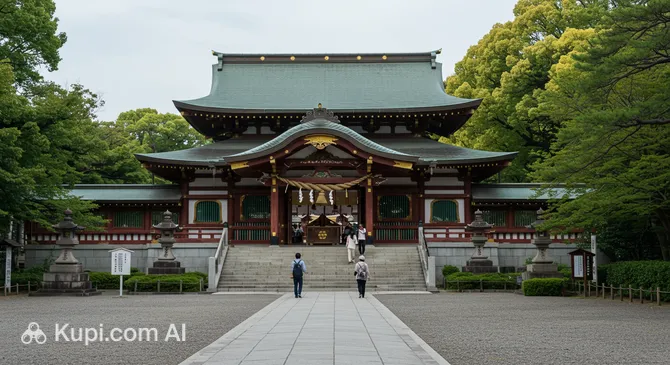
Yasukuni Shrine. Illustration.
Source: Kupi.com AI

Traveler photos:

The architecture of the shrine is impressive in its austerity and scale. The path to the main building begins with massive torii gates—some of the tallest in the country—and continues along a long, wide avenue. After passing through several gates, including the main Shinmon Gate decorated with gold chrysanthemums, visitors reach the Main Prayer Hall. The entire ensemble is built in the classical Shinto style, characterized by simplicity and harmony with nature.

The grounds also house the Yushukan Museum, Japan's oldest military museum, featuring exhibits that chronicle the country's military history. Besides the museum, the complex is surrounded by a well-kept park that becomes particularly picturesque in spring during the cherry blossom season. You can also find a small Noh theater, a sumo ring, and a traditional Japanese garden with a pond and tea houses, creating an atmosphere of peace and serenity. This location attracts both pilgrims and tourists wishing to experience the culture and history of Japan's capital.

Contacts

To plan your visit to Yasukuni Shrine and stay up-to-date with current information, such as opening hours or special events, we recommend consulting official sources. The main contact details are provided below.

How to contactContact
Address3-chōme-1-1 Kudankita, Chiyoda City, Tokyo 102-0073, Japan
Phone number+81 3-3261-8326
Websitewww.yasukuni.or.jp

What to Do

A visit to Yasukuni Shrine offers guests the chance to immerse themselves in an atmosphere of tranquility and traditional Japanese culture. Visitors can take a leisurely stroll through the picturesque and well-maintained grounds, admiring the austere beauty of Shinto architecture. One of the central sites for learning about the past is the Yushukan Museum. Its halls feature exhibits telling the military history of Japan, including soldiers' personal belongings, historical documents, and detailed scale models of military equipment.

The shrine takes on a special charm in spring, when it becomes one of the city's popular spots for hanami—the traditional viewing of cherry blossoms. Additionally, Shinto ceremonies and colorful festivals are regularly held on the Yasukuni grounds, offering a closer look at the country's cultural customs. For example, the Mitama Matsuri summer festival is famous for the thousands of paper lanterns that illuminate the area. For tourists and locals alike, temporary exhibitions, fairs, and other seasonal events are organized here, making every visit unique.

Getting There

Getting to Yasukuni Shrine is quite simple thanks to its location in the Kudanshita area of central Tokyo. The most convenient way is by metro. You'll need Kudanshita Station, which is accessible via the Tokyo Metro Tozai and Hanzomon lines, as well as the Toei Shinjuku line. From the metro exit, it’s just about a five-minute stroll to the shrine's main gates, making it easily accessible for both independent travelers and tour groups.

Due to its central location, you can also reach Yasukuni by taxi, although traffic congestion should be taken into account. For those traveling by car, parking is available near the complex. However, during major festivals and events, using public transport is highly recommended. At these times, visitor numbers increase sharply, and finding a free parking space can be difficult.

Nearest city: Toshima

History & Facts

The history of Yasukuni Shrine began in the 19th century, founded in 1869 by order of Emperor Meiji. Initially, it was named Tokyo Shokonsha (Shrine to Summon the Souls) and was created to honor the spirits of those who fell during the Boshin War (1868–1869). These warriors fought on the Emperor's side, and the creation of the shrine was an act of commemorating their memory and recognizing their service to the state.

Ten years later, in 1879, the shrine received its current name—Yasukuni-jinja, which translates to "Peaceful Country Shrine." From that point on, its status grew significantly. For many years, it was under the special patronage of Japan's military leadership, emphasizing its unbreakable link to the country's military history. This distinguishes Yasukuni from many other Shinto shrines, giving it a unique memorial significance.

One of the most noteworthy facts is that the shrine houses registers listing the names of nearly 2.5 million people who gave their lives for Japan between the mid-19th and mid-20th centuries. The importance of this site in national culture and history is confirmed by the fact that it has been visited many times by emperors and other high-ranking state officials. These visits underscore the deep respect for the memory of those to whom this monumental complex is dedicated.

Time Needed

When planning a visit to Yasukuni Shrine, you should allow for 1.5 to 3 hours. This is generally enough for a thorough and leisurely exploration of the complex. The time spent will largely depend on your interests and how deeply you wish to immerse yourself in the atmosphere of this iconic Tokyo landmark.

If you are short on time, a quick walk through the main grounds to see the grand torii gates, the avenues, and the exterior of the halls will take no more than an hour. However, to get a full impression, it is recommended to set aside time to visit the Yushukan Museum, located within the shrine grounds. Exploring its exhibits dedicated to military history can take at least an hour. Adding a stroll through the picturesque park and garden, especially during the cherry blossom season, you can easily spend up to three hours here, enjoying the tranquility and beauty of the site.

Working Hours

Yasukuni Shrine is open to visitors year-round, and entry to its main grounds is free. Generally, the opening hours are from 6:00 AM to 6:00 PM, although during the winter season (from November to February), the shrine closes an hour earlier at 5:00 PM. The Yushukan Museum, located on the premises, operates on its own schedule: from 9:00 AM to 4:30 PM, with last entry 30 minutes before closing.

Advance booking is not required for a standard visit. However, please note that during major festivals, such as the spring and autumn festivals or the Mitama Matsuri summer festival, as well as on national holidays, opening hours may change. To avoid any inconvenience, it is highly recommended to check current information on the shrine's official website immediately before your planned trip.

6:00 – 18:00

Nearby

A visit to Yasukuni Shrine is an excellent opportunity to explore not only the complex itself but also its surroundings. The Chiyoda district, where the shrine is located, and the adjacent neighborhoods offer many other interesting sites that help you dive deeper into the multifaceted atmosphere of Japan's capital.

Exploring nearby attractions will enrich your journey, allowing you to see the contrast between ancient shrines, historical monuments, and modern entertainment centers. By planning a short route around the area, you can make the most of your time and gain a more complete understanding of this amazing city.

NameDistance
Tokyo Daijingu Shrine0.7 km
Tokyo Dome City1.4 km
Ōte-mon Gate1.7 km
Fire Museum2.2 km
Hie Shrine2.2 km
ATOM Tokyo Shinjuku3.5 km
Nikuya no Daidokoro Shinjuku3.7 km

Have you reached the end of the page?

So the route has been studied inside and out