Support

Haengju Fortress

About

Haengju Fortress (행주산성, Haengju Sanseong) is an outstanding historical site located on Haengjusan Hill in the western part of Incheon, South Korea. This fortress is one of the key monuments of Korean history and fortification architecture, attracting many tourists interested in the country's rich past.
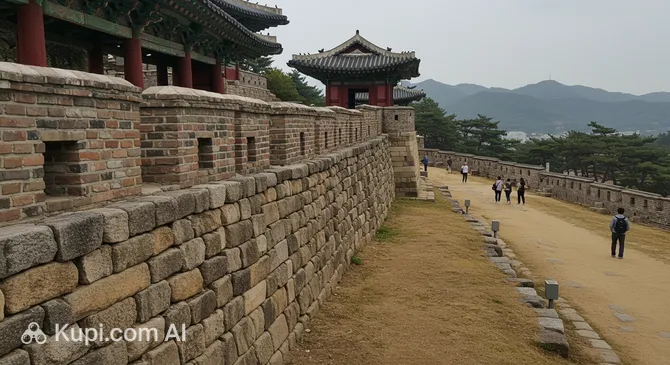
Haengju Fortress. Illustration.
Source: Kupi.com AI

Traveler photos:

The significance of Haengju Fortress is inextricably linked to one of the most important battles of the Imjin War in 1593. It was here, under the leadership of General Kwon Yul, that a small Korean army—which included monks and even women—heroically repelled numerous attacks by superior Japanese forces. This victory became a symbol of the unyielding spirit and patriotism of the Korean people.

In addition to its immense historical significance, the fortress attracts visitors with its unique architecture and picturesque location. Its walls and observation decks offer breathtaking panoramic views of the Han River and the surrounding landscapes. A walk through the fortress grounds allows you not only to touch history but also to enjoy the beauty of nature.

Today, Haengju Fortress is not just the ruins of an ancient structure, but a carefully restored complex that includes the Chungjangsa Shrine dedicated to General Kwon Yul, monuments, and exhibition halls. It is a popular spot for educational excursions, cultural events, and peaceful walks, allowing for a deeper understanding of Korean heritage and a chance to enjoy the tranquil atmosphere.

Contacts

For the latest information on visiting Haengju Fortress, including opening hours, ticket prices, and scheduled events, we recommend contacting official sources. Below are the available contact details:

How to contactContact
Address89 Haengju-ro 15beon-gil, 행주동 Deogyang-gu, Goyang-si, Gyeonggi-do, South Korea
Phone number+82 31-8075-4642
Websitewww.goyang.go.kr

What to Do

Visitors to Haengju Fortress can immerse themselves in history while walking through the restored sections of the ancient fortifications. From the observation decks, you can enjoy a breathtaking panorama of the Han River and the city of Incheon. The fortress often serves as a venue for vibrant cultural events: historical reenactments, festivals, and exhibitions dedicated to traditional Korean culture are held here, allowing for a deeper immersion into the spirit of the past.

There is also a museum on the fortress grounds where curious guests can see artifacts discovered during archaeological excavations. The museum's exhibits provide detailed information about the military history of this significant region of South Korea. This is a wonderful opportunity to learn more about the events that shaped the country's history.

For nature lovers and those who enjoy peaceful walks, Haengju Fortress offers picturesque walking trails. The fortress is especially charming in spring when the trees are in bloom, and in autumn when the foliage turns vibrant colors, creating unforgettable landscapes and excellent photo opportunities.

Getting There

You can reach Haengju Fortress from both Incheon and Seoul using public transportation. This is a fairly popular destination, so there are several convenient routes that allow tourists to easily reach this historical landmark.

The most convenient way is by metro. You can take Line 3 to Daegok Station or Line 1 to Goyang Station. From either of these stations, you will need to transfer to a local bus or take a taxi, which will take you directly to the fortress entrance. Additionally, there are bus routes that go directly to the "Haengju Sanseong" (행주산성) stop, which serves as a convenient alternative.

If you plan to travel by car, parking is provided for visitors near Haengju Fortress. However, it is worth noting that it can get quite crowded on weekends and holidays. To avoid queues and enjoy your visit in peace, it is recommended to arrive early.

Nearest city: Incheon

History & Facts

Haengju Fortress is more than just ancient stones; it is a witness to centuries of South Korea's history. Its story began in the late 14th century, during the era of the powerful Joseon Dynasty. Built on a strategically important hill, the fortress was originally intended to protect the state's western borders, serving as a reliable outpost on the path of potential invaders and playing a key role in the region's defense system.

However, Haengju Fortress gained worldwide fame due to the events of the 16th century—specifically, the legendary Battle of Haengju, which took place in 1593 during the Imjin War. Under the leadership of the distinguished General Kwon Yul, Korean soldiers successfully repelled the siege despite the numerical superiority of the Japanese invaders. This victory became a striking example of outstanding resilience, brilliant military tactics, and unyielding patriotism, forever etching this battle into the annals of Korean history.

Over the following centuries, Haengju Fortress was repeatedly tested by hardships, including destruction and periods of restoration. Today, only certain fragments of the original walls, gates, and watchtowers remain as reminders of its former greatness. Extensive restoration work carried out in the 20th century allowed not only for the restoration of a significant part of the fortress structures but also gave the complex its modern appearance, making it accessible to tourists and researchers interested in the country's rich past.

Time Needed

When planning a visit to Haengju Fortress, you should expect that a full exploration of the fortress itself, the museum on its grounds, and the picturesque surroundings will take an average of 1.5 to 3 hours. This time is usually sufficient to see the main historical structures, view the museum's exhibits, and enjoy the views from the hill.

Of course, the duration of your visit may vary depending on your interests. If you are deeply passionate about history and want to study every corner of the fortress in detail, or if you are a photography enthusiast and plan to capture all the beauty of this place, you might need more time. Also, if you prefer leisurely walks and want to fully soak in the atmosphere of Haengju Fortress, it is worth setting aside an extra hour or two.

Overall, half a day is quite sufficient for a thorough visit. We recommend allocating this time to immerse yourself in the history and culture of this significant site in Incheon without rushing.

Working Hours

Haengju Fortress is open to visitors daily, though opening hours may vary depending on the season. During the summer, the fortress typically welcomes guests from 09:00 to 18:00, while in the winter season, the hours are shortened to 09:00 to 17:00. It is important to note that entry to the grounds may be restricted on holidays or during special events.

While advance ticket booking is usually not required for individual visits, it is always recommended to check the latest information regarding opening hours, booking requirements, and potential schedule changes on the official website of the attraction or at local tourist information centers, especially if you plan to visit during national holidays or major events. The fortress is open year-round, offering different experiences depending on the season.

DayOpening hours
MondayClosed
Tuesday9:00 – 18:00
Wednesday9:00 – 18:00
Thursday9:00 – 18:00
Friday9:00 – 18:00
Saturday9:00 – 18:00
Sunday9:00 – 18:00

Nearby

A visit to Haengju Fortress will undoubtedly be a highlight of your trip to Incheon. However, to get a more complete picture of the culture, history, and nature of this region of South Korea, it is worth paying attention to other interesting places nearby. Exploring the surroundings will allow you to broaden your horizons and enrich your travel experience, discovering new facets of this amazing corner of the country.

There are several attractions near Haengju Fortress, each unique in its own way and worth seeing. From picturesque parks to educational museums, you can easily put together a full program to complement your visit to the famous fortress.

NameDistance
Seoul Botanic Park3 km
Gogang Prehistoric Relics Park8 km
Ilsan Lake Park8.7 km
Incheon Children's Science Museum9.2 km
Jangneung Royal Tomb (Grand Internal Prince Jeongwon & Queen Inheon)10.5 km
Korea Manhwa Museum12.3 km
Kuukuu Bupyeong Branch14.3 km

Have you reached the end of the page?

So the route has been studied inside and out