Support

Chapultepec Castle

About

Chapultepec Castle (Spanish: Castillo de Chapultepec) is one of the most significant historical landmarks in Mexico, majestically rising on the hill of the same name in the heart of Mexico City. Situated at an altitude of 2,325 meters above sea level, this castle formerly served as a residence for the country's governors, emperors, and presidents, witnessing key moments in its history.

Today, its walls house the National Museum of History, making Chapultepec not just a fortress but a treasury of national heritage. For Mexicans, this site holds immense cultural importance as a symbol of the nation's rich and complex history. The castle is surrounded by the famous Chapultepec Park, one of the largest urban parks in the world, which adds to its appeal.
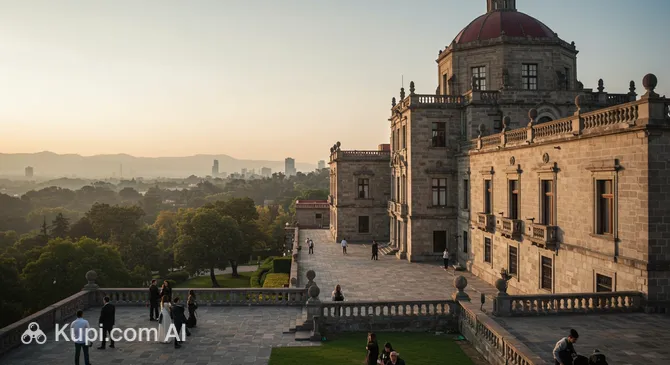
Chapultepec Castle. Illustration.
Source: Kupi.com AI

Traveler photos:

The architectural appearance of the building is an impressive blend of Neoclassical and Neo-Gothic styles. Visitors can stroll through luxurious halls where important state decisions were once made, see unique historical artifacts, and enjoy breathtaking panoramic views of the metropolis sprawling below. A visit to the castle is a chance to touch the past and better understand the soul of modern Mexico.

Contacts

You can contact the administration of the National Museum of History, located in Chapultepec Castle, by phone or email. All current information regarding temporary exhibitions, opening hours, and ticket prices is also published on the official website.

How to contactContact
AddressAv. Heroico Colegio Militar 172, Bosque de Chapultepec I Secc, Miguel Hidalgo, 11580 Ciudad de México, CDMX, Mexico
Phone number+52 55 5256 5464
Websitemnh.inah.gob.mx

What to Do

A visit to Chapultepec Castle is an immersion into the history and culture of Mexico. The main part of the castle is dedicated to the National Museum of History, with exhibitions covering periods from the formation of New Spain to the 20th-century revolution. Here, you can spend hours examining old documents, weapons, national costumes, and everyday items that tell the story of key events in the country's life. Twelve museum halls lead visitors chronologically through different eras of Mexican history. Of particular interest are the halls dedicated to the struggle for independence and the reign of Emperor Maximilian of Habsburg.

On the upper floor of the castle, visitors can step back into the 19th century by exploring the luxurious rooms that served as the residence for Emperor Maximilian and his wife, Empress Carlota. These halls, known as the Alcázar, have preserved their original furniture, decor, and personal belongings of the monarchs, allowing you to imagine the splendor of imperial balls and the daily lives of the rulers. Furthermore, a magnificent garden was created on the castle's roof by order of the Emperor, offering some of the best panoramic views of Mexico City.

Walking through the castle grounds is not just about museum exhibits; it's also a chance to enjoy nature and the scenery. Standing on the terraces, you can see the entire vast Chapultepec Park and the central Paseo de la Reforma avenue. At the foot of the hill is the "Boy Heroes" (Los Niños Héroes) monument, dedicated to the young cadets who heroically defended the castle during the Mexican-American War of 1847. Visiting this memorial adds depth to the experience, serving as a reminder of the castle's tragic and heroic historical chapters.

Getting There

Getting to Chapultepec Castle is quite easy, as it is located in the heart of Mexico City, atop a hill in the famous park of the same name. Due to its central location, the castle is accessible from anywhere in the city, and the journey itself can be a pleasant part of your tour. The main task is to reach the entrance to Chapultepec Park and then ascend to the castle itself.

The most convenient and popular way to reach the park is by public transport. The nearest metro stations to the main entrance are Chapultepec (Line 1, pink) and Auditorio (Line 7, orange). From "Chapultepec" station, you will find yourself at the foot of the hill near the Monument to the Boy Heroes, where the main ascent to the castle begins. "Auditorio" station is located a bit further away, but the walk through the park's green areas is very enjoyable. Numerous city buses also run to the park, with routes passing along Paseo de la Reforma Avenue.

If you prefer comfort, you can use a taxi or ride-sharing services. Specify "Castillo de Chapultepec" or "Museo Nacional de Historia" as your destination. However, it's worth remembering that traffic jams are frequent in central Mexico, so the trip may take longer than the metro. Once you reach the park, you will need to go up the hill. This can be done on foot along a scenic road (the climb takes about 15-20 minutes) or by taking a small tourist train that will bring you directly to the castle entrance for a small fee. The latter option is particularly convenient for families with children and elderly visitors.

Nearest city: Mexico City

History & Facts

The history of Chapultepec Castle is filled with dramatic and significant events for the country. After the Mexican War of Independence in the early 19th century, it was abandoned, but in 1833 it found a new life as a Military Academy. It was in this capacity that the castle entered one of the most heroic and tragic episodes in the history of Mexico.

A key moment was the Battle of Chapultepec during the Mexican-American War in 1847. The castle became the last stronghold on the way of American troops to the capital. It was defended by Mexican soldiers and young military academy cadets who showed incredible courage. These cadets, known as "The Boy Heroes" (Los Niños Héroes), have forever remained in the country's history as a symbol of patriotism and self-sacrifice.

In the 1860s, the castle changed its purpose again, becoming a luxurious imperial residence for Emperor Maximilian I and his wife Carlota. By their order, the building was grandly rebuilt, and European-style gardens were laid out on its grounds. Later, in the late 19th century, the castle served as a summer residence for President Porfirio Díaz. It attained its current status on September 27, 1944, when the National Museum of History was officially opened within its walls, preserving the country's rich heritage for future generations.

Time Needed

When planning a visit to Chapultepec Castle, you should allow for 2–3 hours—this time is generally sufficient for a leisurely tour of the main exhibitions and halls. Official sources suggest that the minimum time for a quick look at the museum is an hour and a half, but to truly immerse yourself in the atmosphere of this historical site, it's better to set aside a bit more time in your schedule.

The duration of your visit will largely depend on your interests. The tour can be roughly divided into two main parts: the National Museum of History, located in the halls of the former Military College, and the Alcázar—the luxurious chambers where Emperor Maximilian and President Porfirio Díaz lived. If you are passionate about the history of Mexico from the Conquest to the 20th century, you could spend several hours in the museum halls alone. Other visitors are more drawn to the beautifully preserved interiors of the imperial residence and the picturesque rooftop gardens, which offer stunning views of Mexico City.

For those who want to walk through all the halls without rushing, admire every detail, take photos on the panoramic terraces, and simply enjoy a stroll through the castle, it is recommended to allocate half a day. Some visitors spend up to four hours here and note that this time is barely enough to fully appreciate the richness and grandeur of Chapultepec Castle. Also, factor in the time for the walk up the hill, which is a pleasant stroll in itself.

Working Hours

Chapultepec Castle, which houses the National Museum of History, is open to visitors from Tuesday to Sunday, from 9:00 AM to 5:00 PM. Monday is the official closing day. The castle is open year-round, though it's worth noting that schedules may change on public holidays. To avoid queues, especially on weekends and during the tourist season, it is recommended to purchase tickets online in advance. This will save time and guarantee entry.

While pre-booking is not always mandatory, it is highly recommended. There are also special tours conducted after hours, allowing for a more private viewing of the halls without the crowds. Admission for children under 13, students, teachers, and seniors over 60 is usually free. For the most accurate and up-to-date information on opening hours, ticket prices, and special events, it is always best to check the official National Museum of History website before planning your visit.

DayOpening hours
MondayClosed
Tuesday9:00 – 17:00
Wednesday9:00 – 17:00
Thursday9:00 – 17:00
Friday9:00 – 17:00
Saturday9:00 – 17:00
Sunday9:00 – 17:00

Nearby

A visit to Chapultepec Castle is just one part of a great adventure awaiting you in Mexico City. The castle itself is situated within the vast park of the same name, which is the heart of the city and a true treasure trove of cultural and natural sites. Exploring its surroundings will allow you to dive deeper into the atmosphere of Mexico's capital and make your trip even more fulfilling and memorable.

A walk through the park after touring the castle is a great opportunity to discover other iconic places located just a short walk away. Here, everyone will find something of interest: from world-famous museums to cozy nature spots. Below is a list of attractions located near the castle that are definitely worth your attention.

NameDistance
National Museum of Anthropology0.8 km
Saks Polanco1.3 km
Papalote Children's Museum1.7 km
BeerGarden Roma1.7 km
El Péndulo1.9 km
Jazzatlán Capital1.9 km
Museum of Natural History2.4 km

Have you reached the end of the page?

So the route has been studied inside and out