Support

National Museum of Art

About

The National Museum of Art (Spanish: Museo Nacional de Arte, or MUNAL) is one of the most important cultural centers in Mexico, located in the heart of Mexico City's historic center. The museum is housed in the majestic former Communications Palace, which is an outstanding example of early 20th-century Mexican architecture in its own right. This is a must-visit destination for anyone wanting to explore the country's rich palette of fine arts.
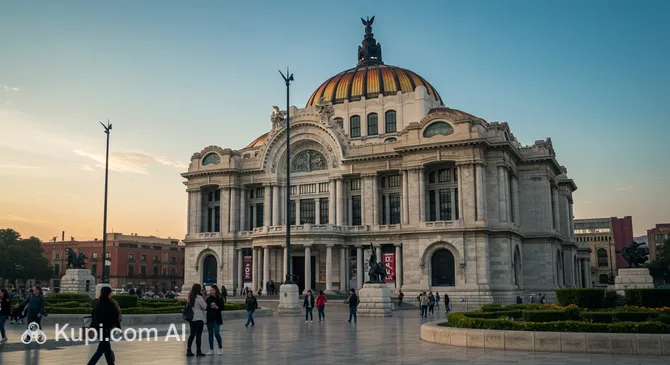
National Museum of Art. Illustration.
Source: Kupi.com AI

Traveler photos:

The museum's collection includes more than 3,000 works and covers a vast historical period—from the 16th-century colonial era to the mid-20th century. The exhibition, occupying an area of approximately 5,500 square meters, allows visitors to trace the development of Mexican painting, sculpture, and graphic arts over several centuries. The halls of MUNAL feature works by both renowned Mexican masters and foreign artists who significantly influenced national art.

Visiting the National Museum of Art is not just about viewing exhibits, but a true immersion into the history and soul of Mexico. Here, you can see masterpieces by giants of Mexican art such as Diego Rivera and David Alfaro Siqueiros. The spacious halls, the careful preservation of heritage, and the impressive collection make MUNAL one of the most interesting and beautiful museums in the city. It offers a unique opportunity to see how Mexican art was formed and evolved, reflecting key moments in the nation's history.

Contacts

To plan your visit, check current opening hours, or ask questions about ongoing exhibitions, you can contact the administration of the National Museum of Art. All necessary information is usually available on the museum's official website, which is the most reliable source.

How to contactContact
AddressC. de Tacuba 8, Centro Histórico de la Cdad. de México, Centro, Cuauhtémoc, 06000 Ciudad de México, CDMX, Mexico
Phone number+52 55 8647 5430
Websitewww.munal.mx

What to Do

The main reason to visit the National Museum of Art is its permanent collection. It offers a fascinating journey through the history of Mexican art, from the colonial era to modernism. Visitors can take a detailed look at the development of the country's artistic styles, paying special attention to works associated with the Academy of San Carlos and Mexican Classicism, as well as pieces on mythological and historical themes.

Besides the main collection, the museum offers a rich cultural program. It regularly hosts temporary exhibitions introducing various artistic phenomena, along with lectures, workshops, and other educational events. The program is designed for both adults and children, making a visit to the museum a great option for a family outing.

Don't forget the building itself. Its majestic architecture and monumental interiors are of artistic value in their own right. As you walk through the halls, notice not only the paintings and sculptures but also the palace's luxurious decor—it's an essential part of the experience.

Getting There

The National Museum of Art boasts a very convenient location, making it easily accessible for travelers. It is situated in the heart of the historic center of Mexico City, on Tacuba Street, just a few steps from the famous Constitution Square, better known as the Zócalo. This central position makes it easy to include a visit to the museum in a walking tour of the Mexican capital's main attractions.

There are several ways to reach the museum. The most convenient and fastest is to use the Mexico City Metro. The closest stations to the museum are Bellas Artes (lines 2 and 8) and Allende (line 2), both just a few minutes' walk from the MUNAL entrance. Additionally, many city buses run in this area, which is also a good alternative. Public transport routes cover the entire city, so reaching the center from any point in Mexico City is straightforward.

If you prefer comfort, you can always take a taxi or order a ride through a mobile app. The trip from most tourist areas of the city to the museum won't take long, though potential traffic during peak hours should be considered. Thanks to the developed infrastructure nearby, you'll find plenty of cafes, restaurants, and souvenir shops for a break after your visit. It is also important to note that the building's entrance is equipped for visitors with disabilities, making it accessible to all guests.

Nearest city: Mexico City

History & Facts

The history of the National Museum of Art is full of interesting details. For instance, the majestic building it occupies today was not originally intended to house works of art. It was built in the early 20th century as the Palace of Communications and Public Works (Palacio de Comunicaciones y Obras Públicas). If you look closely at the facade, you can still see an inscription recalling its original purpose—a small detail that adds historical depth to your visit.

The museum itself was founded much later, in 1982, and became an important branch of the National Institute of Fine Arts. Since then, MUNAL has undertaken the key mission of preserving, studying, and promoting the country's rich artistic heritage. Thanks to this status, the building has not only maintained its magnificent appearance but has also been recognized as a National Architectural Monument, highlighting its dual value as both an art repository and a masterpiece in its own right.

The collection's roots go deep into history, long before the museum's founding. The Royal Academy of San Carlos, founded in 1780, played a vital role in shaping Mexico's artistic tastes. It facilitated the transition from ornate Latin American Baroque to a more restrained Classicism. This turning point in art history is reflected in the museum's exhibition, allowing visitors to trace how the styles and ideals of Mexican artists changed over the centuries.

Time Needed

When planning a visit to the National Museum of Art, it's worth setting aside enough time to enjoy its rich collection without rushing. To fully see the permanent collection and temporary exhibitions, a stay of at least 2–3 hours is recommended. This is usually enough time to get acquainted with the main masterpieces, trace the development of Mexican art from the colonial era to the 20th century, and get a general impression of the museum's scale.

Of course, the duration of your visit largely depends on your personal interest in art. If you're short on time, you can focus on the most famous works and key halls in about 1.5 hours. However, if you want to dive deeper into the work of specific artists, carefully study temporary exhibitions, or simply enjoy the atmosphere of the majestic building, feel free to plan on spending half a day here. The museum is large enough to captivate art lovers for a long time.

Working Hours

The National Museum of Art is generally open to visitors year-round. Standard opening hours are Tuesday to Sunday from 10:00 AM to 6:00 PM. Please note that the museum is closed on Mondays. Schedules may change on public holidays, so it's highly recommended to check the latest information on the museum's official website before your visit to avoid inconvenience.

Advance ticket booking is usually not required for the permanent collection, but buying them online can save time and help you avoid queues, especially during peak hours and weekends. If you plan to visit a specific temporary exhibition or join a guided tour, it's best to check if booking is necessary in advance. Also, keep in mind that admission to the museum is often free on Sundays, but this is the most popular day for visitors, so be prepared for larger crowds.

DayOpening hours
MondayClosed
Tuesday10:00 – 17:30
Wednesday10:00 – 17:30
Thursday10:00 – 17:30
Friday10:00 – 17:30
Saturday10:00 – 17:30
Sunday10:00 – 17:30

Nearby

A visit to the National Museum of Art is a wonderful opportunity to discover the cultural heritage of Mexico, but you shouldn't stop there. The museum is located in the heart of Mexico City's historic center, which is a UNESCO World Heritage site and a true treasure trove of attractions. A walk through the surrounding area will allow you to dive deeper into the city's atmosphere and see other iconic spots just steps away.

Exploring nearby sites will enrich your experience and help provide a more complete picture of the Mexican capital's multifaceted culture. From majestic palaces and ancient ruins to cozy restaurants, everything is within walking distance and waiting to be explored. Below is a list of interesting places located near the museum.

NameDistance
Palace of Fine Arts0.2 km
Museum of Memory and Tolerance0.6 km
Constitution Plaza0.7 km
Templo Mayor Museum0.8 km
El Péndulo2.9 km
BeerGarden Roma3.2 km
Jazzatlán Capital3.5 km

Have you reached the end of the page?

So the route has been studied inside and out