Support

Abuja National Mosque

About

In the heart of the modern capital of Abuja, stands one of the most majestic structures in the region — the Abuja National Mosque. Built in 1984, it has become not just a place for prayer, but a true architectural symbol embodying the unity and spiritual traditions that Nigeria is proud of.
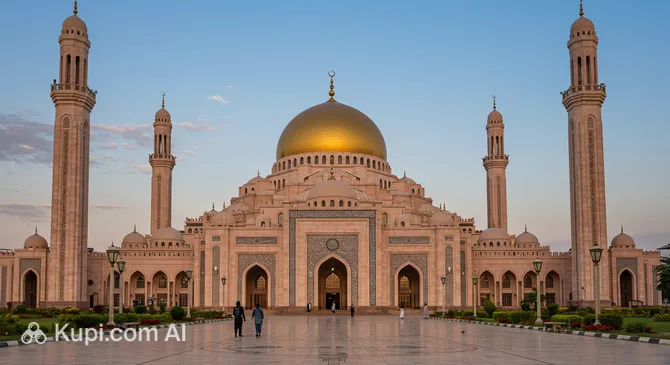
Abuja National Mosque
Abuja National Mosque. Иллюстрация. Источник: Kupi.com AI

The building immediately catches the eye with its monumental golden dome, which shines brightly against the African sky, and its four slender minarets reaching upward. This is not just a mosque, but an entire cultural and educational complex, including an extensive library, a conference hall, and a religious school, making it an important intellectual center for the city.

Despite its status as the country's primary Islamic temple, the mosque hospitably opens its doors to tourists of other faiths. Visitors can appreciate the sophistication of Islamic architecture and the calm, contemplative atmosphere of this place during times free from official religious ceremonies.

Contacts

To clarify visiting information or to plan excursions, you can use the institution's official contact details.

How to contactContact
Address1012 Sani Abacha Wy, Central Business Dis, Abuja 900103, Federal Capital Territory, Nigeria
Phone+234 803 631 3301
Websitewww.abujanationalmosque.org

What to Do

The main highlight of your visit will be experiencing the magnificent Islamic architecture. You can examine the details of the facade up close and appreciate the scale of the prayer hall and the symmetry of the four minarets. Inside the building, pay attention to the design of the dome and the spacious halls, which impress with their grandeur and silence.

For those seeking knowledge, there is a library on the complex grounds. It houses not only religious texts but also historical documents that provide a deeper understanding of the country's cultural development. The mosque also frequently hosts educational lectures and conferences open to the general public.

Photography enthusiasts will find beautiful views here. The exterior of the building can be photographed without restrictions, capturing the play of light on the golden surfaces. Please note that special permission may be required for indoor photography, and while on the grounds, it is necessary to follow the dress code and behave respectfully toward worshippers.

Getting There

Finding this architectural masterpiece is easy: the National Mosque is located in the heart of the Central Business District at 1012 Sani Abacha Way. It is situated in close proximity to major administrative buildings and popular hotels such as the Hilton, making it a landmark for any traveler.

The most convenient way to get here is by taxi or by using ride-hailing apps from anywhere in the city. Thanks to its four tall minarets and bright golden dome, the mosque building is clearly visible from afar, so drivers can easily find the way to the main entrance.

For those who prefer public transport, bus stops are located within walking distance. If you are staying in the central part of the city, a walk to the mosque can be a pleasant addition to your itinerary, allowing you to appreciate the modern layout of the Nigerian capital along the way.

Ближайший город: Abuja

History & Facts

The construction of the Abuja National Mosque in 1984 was a major milestone in the country's urban planning history. This event took place shortly after the capital was moved from coastal Lagos to Abuja, which was specially designed in the center of the country.

The construction of such a large-scale religious site symbolized a new era of national unity. The architectural project was intended to highlight the cultural richness of the region, combining classic Islamic canons with the modern construction technologies of the time.

Since its opening, the mosque has served as the country's primary spiritual center. It hosts not only daily prayers but also solemn state events, emphasizing the significance of Islamic traditions in the social and political life of Nigeria.

Time Needed

To leisurely examine the architectural details, peek into the inner halls, and walk around the grounds, most tourists need between 1 and 2 hours. This time is quite sufficient to take memorable photos and experience the atmosphere of tranquility that reigns here.

If you plan to visit the local library or study the information stands in detail, it's worth allocating a bit more time for your visit. It is best to plan your tour during the breaks between prayers to be able to quietly explore the interior without disturbing the worshippers.

Working Hours

The mosque is open to visitors daily, following this schedule: from 9:00 AM to 9:00 PM. This allows guests to choose a convenient time for a visit, both in the morning hours and after sunset, when the building is beautifully illuminated.

It is important to remember that sightseeing tours for tourists are only possible during the breaks between mandatory prayers. Entry for representatives of other faiths may be limited during Friday services and major religious holidays, so it is recommended to plan your visit in advance.

9:00 – 21:00

Nearby

A visit to the capital's main mosque can be perfectly combined with a stroll through the surrounding area. Its central location provides access to many interesting spots where you can relax from the city bustle or spend time with your family.

Exploring the nearby parks and entertainment centers will allow you to better feel the rhythm of life in the modern capital and see Abuja from different perspectives.

NameDistance
Shehu Musa Yar'Adua Foundation0.7 km
Cue Bar1.4 km
Galaxy Pizza1.7 km
Al-Noor Mosque1.8 km
Imperial Lounge2.3 km
City Park Abuja2.4 km
A Bar Called Paper2.8 km

Reached the end of the page?

That means the route is fully explored