Support

Sehwan Sharif

About

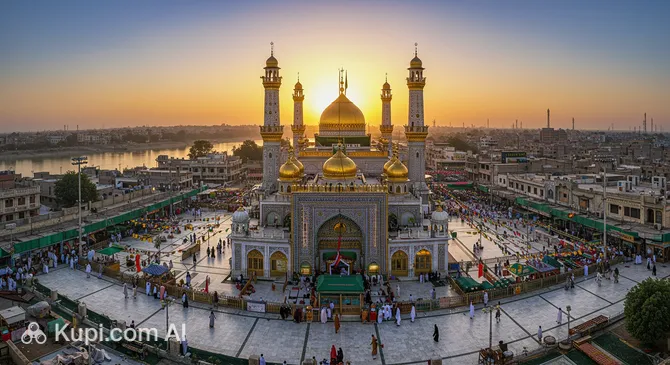
Sehwan Sharif is a city that seems to be carved out of the ancient legends of the Sindh province. Comfortably located on the western bank of the majestic Indus River, about 250 kilometers north of Karachi, it is an important cultural and spiritual center that attracts travelers to Pakistan. A special, almost mystical atmosphere reigns here, where Eastern hospitality is closely intertwined with centuries-old traditions.

Sehwan Sharif. Illustration.
Source: Kupi.com AI

Despite the city's population being around 50,000, life is always bustling here. The unique and rich history of Sehwan Sharif is felt literally at every step: narrow winding streets and ancient architecture create a unique flavor, turning a walk through the city into a journey through time.

Sehwan Sharif is rightfully considered a magnet for those interested in Sufi culture. The city is famous for its shrines, colorful fairs, and lively bazaars where one can find unique goods and souvenirs. This place allows you not just to see the sights, but to immerse yourself in the authentic world of Eastern rituals and festivals.

If you are looking for inspiration and want to touch the true soul of the region, be sure to include this city in your itinerary. Sehwan Sharif will give you vivid emotions and allow you to look at the world through the eyes of ancient sages and wanderers.

Weather Overview

The climate in this region can be characterized as hot and arid, which is typical for Sindh province. Summer here arrives early and is marked by high temperatures: the peak heat occurs in May and June, when average maximums reach 42°C. At this time of year, the sun is particularly active, so travelers should take care to protect themselves from overheating.

The most favorable period for a visit is considered to be winter, which lasts from December to February. In January, the average temperature stays around 16°C, and nights can be refreshingly cool (about 10°C), which is ideal for sightseeing. Expect a hot summer and mild, dry winters with minimal precipitation throughout the year.

Rain in the city is a rare phenomenon; only the monsoon season in July and August brings a small amount of moisture, with about 6 rainy days per month recorded. To know exactly what to expect from the elements during your trip, be sure to check the detailed weather in Sehwan Sharif with a monthly forecast.

Average monthly temperature

Average monthly precipitation

Interesting Facts

Beyond its main attractions, Sehwan Sharif holds many fascinating secrets and deep traditions that reveal themselves only to the most curious travelers. This city is a real treasure trove of stories where mysticism intertwines with reality.
  • Ancient Heritage: Sehwan is considered one of the oldest cities in the region. Local legends and archaeological data suggest that its history dates back deep into pre-Islamic times. Throughout its long life, the city has been an important center for many different cultures, which has forever left its mark on its unique architectural appearance.

  • Dance of Ecstasy: During the famous Urs festival, you can witness a mesmerizing spectacle—the ritual dhamal dance. Under the hypnotic rhythms of drums, hundreds of pilgrims enter a special state of mystical trance, expressing their spiritual connection with the saint.

  • A Center of Attraction for All: Surprisingly, Sehwan Sharif unites people of many different views. Locals take pride in the fact that the city has become a pilgrimage site not only for Muslims but also for representatives of other faiths seeking spiritual enlightenment and peace here.

  • Home of Talents: This city has always been a cradle of art and spirituality. Many outstanding mystics, musicians, and poets were born and created here, whose names are still spoken with deep respect in Pakistan and far beyond its borders.

How to Get There

When planning a trip to the shrines of Sindh, it is important to think through the logistics in advance, as the city is located away from the country's main transport hubs. You can find more details on how to get to Sehwan Sharif to choose the most convenient route, but the main transit point for international tourists is almost always Karachi.

Sehwan Sharif itself does not have its own airport, so air travel involves a transfer to land transport. The nearest major air hub is Jinnah International Airport (IATA: KHI), located in the city of Karachi. It is approximately 181 km from Sehwan Sharif in a straight line, but the actual road distance will be longer. The journey from the airport to the city by taxi or intercity bus will take about 5 hours. This is the country's largest airport, receiving flights from all over the world.

For clarity, here is summary information on the main arrival airport:

AirportPassenger trafficDistance
Jinnah International Airport7.3 mln181 km

Rail service also plays an important role in the region's transport system. Sehwan Sharif has its own railway station, which is an important stop on the line running along the Indus River. Trains regularly arrive here from Karachi, Hyderabad, and other cities in the province; this mode of transport becomes particularly popular during the annual Urs festival. A train trip can be a more budget-friendly and colorful alternative to the bus, allowing you to enjoy the scenery of the Indus Valley.

In addition, the city is well-connected to the rest of the country by a network of roads, in particular, via the Indus Highway (N-55). Regular bus services and shuttle taxis run from the major cities of southern Pakistan almost around the clock, making the trip accessible to any traveler.

Main Attractions

Sehwan Sharif is not just a point on the map, but a place of deep spiritual meaning, where every attraction is steeped in history and mysticism. The main points of attraction here are related to religious heritage and ancient architecture, which draw pilgrims and tourists from all over the world.

The absolute heart of the city is the Shrine of Lal Shahbaz Qalandar. This majestic mausoleum with its golden dome, visible from afar, is dedicated to the famous 13th-century Sufi saint. The complex is striking in its decoration: intricate tile mosaics, mirrored halls, and massive silver doors create an atmosphere of solemnity. Every evening at sunset, the ritual dhamal dance is performed here to the beat of drums, which becomes an unforgettable spectacle for any guest.

Lovers of antiquity should pay attention to Sehwan Fort, also known as Kafir Qila. The ruins of this ancient fortress tower over the city and, according to legend, were built back in the time of Alexander the Great. Although time has not spared the fort's walls, a walk through its remains allows you to touch the thousand-year history of the region and enjoy a panoramic view of the surroundings and the Indus River.

Not far from the city is Manchar Lake—one of the largest freshwater lakes in Asia. It is an excellent place for those who want to take a break from the city bustle and observe the traditional lifestyle of local fishermen living in houseboats. The lake is an important ecological site and home to many migratory birds.

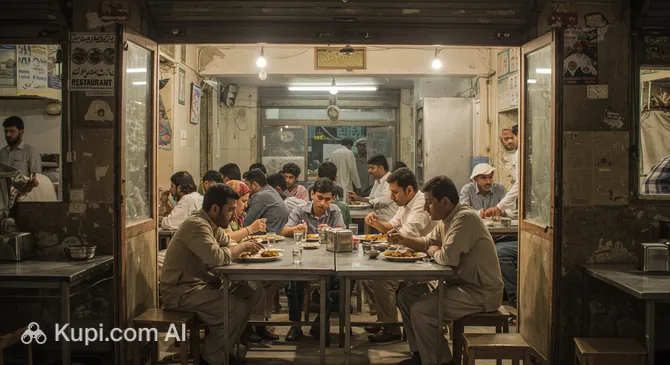
Sehwan Divine Restaurant. Illustration.
Source: Kupi.com AI

Traveler photos:

After an eventful walk through the shrines and historical sites, it is worth getting acquainted with the local cuisine. One of the popular places for this is Sehwan Divine Restaurant. Here, tourists can rest in a comfortable setting and try traditional Pakistani dishes prepared with local flair. This establishment is well-suited for a family lunch or dinner after a long day of exploration.

Local Cuisine

The gastronomy of Sehwan Sharif is a true Eastern kaleidoscope of flavors, deeply rooted in the traditions of Sindh province. Local markets here are filled with the aromas of spices, and street vendors offer dishes prepared according to ancient recipes. Food here is not just for satisfying hunger, but an important part of the cultural and religious experience, especially for the thousands of pilgrims visiting the city.

The main culinary symbol of the region is considered to be Sindhi Biryani. This hearty and spicy dish of rice with meat or chicken is distinguished by its rich aroma and is often served with a spicy yogurt sauce that perfectly complements the rich bouquet of spices. Travelers wishing to get acquainted with authentic cuisine should start with this dish.

Street food holds a special place in the city's life. Be sure to try hot samosas with vegetable filling, savory chaats, and fresh flatbreads baked in tandoors right before the customers' eyes. For those with a sweet tooth, Sehwan Sharif offers traditional desserts: bright crispy jalebi spirals, crumbly halwa, and sweet laddu balls. These treats are especially good when bought fresh right from street stalls.

As for drinks, refreshing non-alcoholic options are particularly popular in the hot climate of Sindh. Tourists should try fresh lassi—a thick yogurt-based drink that can be sweet or salty—as well as very fresh dairy products from farmer's markets. Hot, strong tea with milk (doodh-patti) is drunk everywhere. Alcohol is extremely difficult to find in this sacred city, and it is practically absent from the menus of establishments due to strict religious norms.

The eating culture here is as democratic and open as possible. During religious holidays and festivals, the city streets turn into a huge open-air kitchen with an atmosphere of a true Eastern feast. Locals and tourists often eat in simple street cafes or on the go, enjoying the city's lively energy and rare dishes prepared only for special occasions.

Travel Tips

A journey to Sehwan Sharif is an immersion into deep spirituality and history, but a trip to this small city requires certain preparation and knowledge of local nuances. To ensure your visit is as comfortable as possible and leaves only bright impressions, we have prepared a list of important practical recommendations.

  1. Clothing and Dress Code: Since Sehwan Sharif is a religious center, modesty in clothing is mandatory. Long trousers and shirts are recommended for men, while women should cover their shoulders, knees, and head (be sure to bring a scarf or shawl). Due to the hot climate, prefer loose clothing made of natural cotton or linen. Also, wear shoes that are easy to take off (e.g., sandals), as removing shoes is mandatory when entering shrines.

  2. Transport: There is no complex public transport system like a metro in the city. The most convenient way to get around is by motor rickshaws (tuk-tuks) or on foot, as the center is quite compact. Taxi apps may not work here or work intermittently, so rely on local drivers. Important: always agree on the price of the trip before getting into a rickshaw.

  3. Finances: Bring an adequate supply of cash (Pakistani rupees). There are ATMs in the city, but they may not accept international cards or may be empty due to the influx of pilgrims. It is better to exchange currency in advance in large cities like Karachi. Card payment in local shops and cafes is practically impossible. The daily budget here is modest; prices are lower than in metropolises.

  4. Health and Safety: Strictly avoid tap water and ice in drinks; drink only bottled water from well-known brands. There are pharmacies in the city, but the range may be limited, so pack your own first-aid kit (remedies for stomach upset, painkillers, band-aids). The city is safe for pilgrims, but watch your pockets in crowded places.

  5. Communication: The main languages are Sindhi and Urdu. English is not understood everywhere, so download an offline translator. For connectivity, it is better to buy a SIM card (Zong or Jazz) upon arrival in Pakistan, as Wi-Fi in the city can be slow or absent in budget hotels.

  6. Local Etiquette: Greet locals with the phrase "As-salamu alaykum" and place your right hand over your heart—it is a sign of respect. Always use your right hand for eating, passing money, or giving gifts. Inside the shrine, behave quietly and respectfully; do not disturb those praying.

  7. What to Avoid: Categorically refrain from public displays of affection (kissing, hugging) between a man and a woman—this is considered extremely indecent. Also, do not photograph local women without their explicit permission and the consent of their male companions.

  8. Tip for Pilgrims: If you want to see the famous dhamal ritual dance in all its glory, come to the Shrine of Lal Shahbaz Qalandar on Thursday evening after sunset prayers. Be prepared for a huge crowd and incredible energy, but stay close to the edge of the courtyard if you are afraid of a crush.

By following these simple rules, you can easily blend into the rhythm of life in Sehwan Sharif and feel the sincere hospitality of its residents. May your journey to the banks of the Indus be safe and filled with amazing discoveries!

Entertainment & Nightlife

Nightlife in Sehwan Sharif is fundamentally different from the usual European format with noisy clubs and bars. This is a sacred city where, after sunset, the rhythm of life is set not by DJs but by the sounds of drums and spiritual chants. A unique atmosphere of mysticism and devotion reigns here, and the concept of "entertainment" is closely intertwined with religious traditions and social interaction.

The center of everything happening after dark invariably remains the area around the Shrine of Lal Shahbaz Qalandar. This is where the city's real nightlife "boils." After evening prayers, the shrine's courtyards fill with people, and the famous ritual dhamal dance begins. This mesmerizing sight, leading participants into a trance under the hypnotic beat of drums, replaces any concert venues or discos here. The energy during these hours is so powerful that it attracts thousands of spectators ready to stay awake until dawn.

Since alcohol consumption and bars contradict local religious and cultural norms, the role of social clubs is filled by traditional tea houses and restaurants. They are open until late at night, offering travelers the opportunity to relax and discuss the day's impressions. One such place where you can spend an evening in a quiet setting is Sehwan Divine Restaurant. This establishment offers a great alternative to noisy street cafes, allowing you to enjoy a delicious dinner in comfort.

Strolling through the night markets is another popular entertainment. The narrow streets around the shrine are brightly lit and full of life: vendors offer colorful chadars (tomb covers), sweets, souvenirs, and street food. The atmosphere here is friendly but very lively. The crowd is diverse: from local elders to pilgrims from far-flung corners of the country. The dress code remains conservative even at night—modest, covered clothing is mandatory.

Regarding daytime entertainment, it is more educational in nature. During the day, it's worth visiting the ruins of the ancient fort, which offers views of the city, or heading to Manchar Lake for bird watching and a boat trip. However, it is the evening that reveals the true soul of Sehwan Sharif.

Safety and Logistics Tips: The area around the shrine is considered safe for night walks due to the large presence of people and police; however, you should keep an eye on your personal belongings in the crowd. To get around the city at night, it is best to use motor rickshaws (qingqi), which are easily found at the main gates of the shrine. Agree on the price in advance. Avoid dark and deserted alleys on the outskirts of the city; stick to the well-lit central streets where people are always present.
Parks & Museums

Sehwan Sharif is not the kind of city where you will find classic European museums with audio guides or perfectly manicured botanical gardens. Its cultural and natural heritage is of a more spontaneous, living character: history itself is frozen here in ancient ruins, and natural beauties surround the city in a wild, untouched ring. Travelers should perceive the entire city as a vast open-air museum.

The main natural gem of the region is undoubtedly Manchar Lake. Located near the city, it is considered one of the largest freshwater lakes in South Asia. This is not just a body of water, but a unique ecosystem. For tourists, this place is interesting for the opportunity to observe migratory birds that stop here during migration, including flamingos and pelicans. The lake is also known for its "floating villages": representatives of the Mohana tribe live directly on the water in specially equipped boats, preserving this way of life for centuries.

While there are no official amusement parks in the city, the banks of the great Indus River serve as a natural recreation area. There are no developed embankments here, but a walk by the water at sunset offers peace and coolness after a hot day. This place allows you to see the power of Pakistan's main river and observe the work of local fishermen.

The role of the main historical museum is played by Sehwan Fort (known as Kafir Qila). Although only majestic ruins and crumbling mud-brick walls remain, this site holds colossal historical value. It is believed that the fort was built as far back as the time of Alexander the Great. A walk through its territory replaces a visit to an archaeological gallery: you are literally walking through layers of history dating back more than two thousand years. From the height of the fortress walls' remains, you get the best panorama of the city and the golden dome of the shrine.

Art lovers should view the Shrine of Lal Shahbaz Qalandar complex itself as an art gallery of Sufi culture. The attention of tourists is drawn to the skillful work of craftsmen: complex calligraphy, silver carving, and the famous blue "kashi" tiles characteristic of Sindh province. Every decorative element here tells the story of the development of Islamic art in the region.

Insider Tip: For a unique experience, head to Manchar Lake at dawn and try to arrange a short trip with a local boatman. The sight of awakening nature and the daily life of people living on the water will become one of the most authentic memories of the trip, which cannot be obtained in any city museum.

Getting Around

The public transport system in Sehwan Sharif is organized quite differently from large metropolises. Here you won't find a metro, trams, or usual city buses with a clear schedule. The city is quite compact, and its transport network is represented mainly by informal types of transport that are ideal for narrow and busy streets.

The most popular and affordable means of transport are motor rickshaws (tuk-tuks) and their local variety—"qingqi" (motorcycles with a carriage attached to the back for passengers). Qingqis often work like shared taxis: they follow certain directions, picking up fellow travelers, which makes the ride very cheap. Ordinary auto-rickshaws can be hired individually, like a taxi, to get to the desired point with more comfort.

The payment system here is as simple and conservative as possible: only cash is accepted. There are no transport cards, transit passes, or mobile apps for fare payment. The settlement occurs directly with the driver at the end of the trip. Fare prices in shared qingqis are fixed and very low, but the cost of an individual rickshaw trip is better discussed in advance.

It is important for tourists to know the main rule of local transport: always agree on the price before boarding. Drivers may overcharge foreigners, so moderate bargaining is quite appropriate. Try to always have small bills with you, as drivers often don't have change for large banknotes. Transport runs from early morning until late at night, and during festival days, movement around the shrines does not stop around the clock.

As an alternative for short distances, you can use the services of carts pulled by horses or donkeys (tonga). This is more of an exotic and traditional way to get around, allowing you to leisurely see the surroundings. There are no standard taxi or car-sharing services in the city, and for long trips outside Sehwan Sharif, people usually hire private drivers with cars or use intercity buses.

Accommodation

The hospitality infrastructure in Sehwan Sharif is fully oriented toward the needs of pilgrims and travelers seeking a spiritual experience. One should not expect international hotel chains or luxury five-star resorts here. The bulk of the accommodation consists of budget hotels, traditional guesthouses (known as "musafir-khanas"), and small private mid-range hotels. Living conditions are generally quite modest and ascetic, which matches the overall atmosphere of the sacred city.

When choosing a place to stay, the key factor is the location relative to the main shrine. Most tourists seek to settle in close proximity to the Shrine of Lal Shahbaz Qalandar. This allows you to be at the center of events and quickly reach the ritual sites. However, keep in mind that this area is always noisy and crowded, especially in the evenings. If you prefer silence and a peaceful sleep, it makes sense to consider accommodation options at a slight distance from the central bazaars and the shrine complex.

When planning your trip, it is extremely important to take the religious events calendar into account. In normal times, finding a free room is not difficult, and often it can be done right upon arrival. However, during the annual Urs festival (the anniversary of the saint's death), the city is overflowing with hundreds of thousands of pilgrims. During these days, finding any vacancy is virtually impossible without prior arrangement, so accommodation should be booked several months in advance.

The price range for accommodation in Sehwan Sharif varies from very low to medium. Major international online booking platforms practically do not operate here: most local hotels are not represented on the internet. The best way to book a room in advance is to find contacts through local travel forums or rely on recommendations from guides upon arrival in Pakistan. Be prepared that only cash is accepted for payment, and the level of service will be basic.

Nearby Cities

For those who want to explore the surroundings, Sehwan Sharif serves as an excellent starting point for day trips to several interesting nearby places. The Sindh region is rich in history, and a short journey will allow you to see completely different facets of this part of Pakistan.

One of the most convenient destinations is Hyderabad. It is the second-largest city in the province, located relatively nearby. Here, travelers can visit the impressive Pakko Qillo fort and the tombs of the Talpur dynasty rulers. The city is also famous for its bustling bazaars, especially the Resham Gali market, where you can buy famous glass bangles and local handicraft items.

Ancient history buffs should head toward the city of Larkana. While the city itself is interesting for its markets and mausoleums, it serves as the main gateway to the legendary Mohenjo-Daro—the ruins of an ancient Indus Valley Civilization, listed as a UNESCO World Heritage Site. A trip here will be a true journey 4,000 years back in time.

Also noteworthy is Sukkur, located on the banks of the Indus. The city is known for its architectural monuments, including the grandiose Lansdowne Bridge, built during the British era, and the unique Hindu temple complex of Sadh Belo, which is located on an island in the middle of the river and accessible only by boat.

CityPopulationDistance
Dadu146 17937 km
Naushahro Firoz38 18155 km
Nawabshah263 10256 km
Mohenjo-Daro105 km
Jamshoro80 000117 km

These nearby destinations provide insight into the region's diverse culture and landscapes, from bustling metropolises to quiet corners of ancient history.

Shopping & Souvenirs

Shopping in the city of Sehwan Sharif is fundamentally different from usual shopping trips in large metropolises. Here you won't find brand boutiques or huge air-conditioned shopping centers. Trade in this sacred place is an extension of its cultural and religious life. The city is famous for its colorful bazaars where you can buy authentic handmade goods, religious attributes, and traditional products of Sindh province that are difficult to find in other parts of the country.

The main shopping life is concentrated in the labyrinth of narrow streets immediately surrounding the Shrine of Lal Shahbaz Qalandar. These streets form one large spontaneous market that never sleeps. This is where tourists can find the greatest variety of goods. Strolling through these rows is an adventure in itself: vendors display their wares right on the roadside stalls, and the air is filled with the scents of incense and rose petals.

The city lacks modern shopping malls in the Western sense of the word. All commercial activity takes place in traditional markets and small private shops. The most interesting to visit are the souvenir and flower bazaars at the gates of the shrine. A special atmosphere reigns here: pilgrims buy bright covers (chadars) with gold embroidery for offerings, as well as garlands of fresh flowers.

As souvenirs from Sehwan Sharif, it is worth bringing the famous Sindhi Ajrak—a cotton shawl with a unique geometric pattern made using the block printing method, which is considered a symbol of the province. Traditional Sindhi caps decorated with embroidery and mirrors are also popular. Jewelry lovers should pay attention to rings and pendants with natural stones, especially agate and carnelian, to which special properties are attributed here. Those with a sweet tooth should definitely buy local halwa or dried dates.

Shops and stalls in the city center usually operate from early morning until late at night, adapting to the flow of pilgrims. During festivals, trade is conducted almost around the clock. It is important to remember that only cash (Pakistani rupees) is accepted for payment. Bank cards are useless in local shops, so take care of exchanging money in advance. There is no Tax Free system in the city, but prices here are already very affordable, and reasonable bargaining is welcome almost everywhere.

Reached the end of the page?

That means the route is fully explored