Support

Carbon Market

About

Carbon Market is not just a market; it is the true soul of Cebu City and the largest and oldest shopping hub on Cebu Island and in the entire Central Visayas region of the Philippines. Located in the heart of the city, this bustling market attracts thousands of visitors daily and features around 6,000 vendors offering their goods across its vast territory.
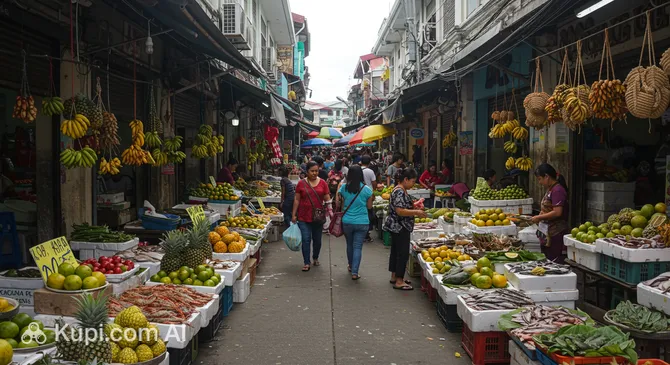
Carbon Market. Illustration.
Source: Kupi.com AI

Traveller photos:

Here you can find almost anything: from the freshest vegetables, exotic fruits, meat, and seafood to clothing, kitchenware, unique handicrafts, and all sorts of household items. Carbon Market is a place where life is in full swing, and the air is filled with the scents of local products and the noise of busy trade. It is a true kaleidoscope of goods where everyone can find something to their liking, whether it's ingredients for dinner or a unique souvenir.

The market got its name from the Spanish word "carbón" (coal), as a coal warehouse serving the Cebu railroad was located on this site in the 19th century. Today, Carbon Market is much more than just a place for bargain hunting. It is a vital part of urban culture, where you can immerse yourself in an authentic atmosphere, watch the daily life of local residents, and feel the true spirit of Cebu.

Contacts

For the most up-to-date information regarding the operation of Carbon Market, including specific opening hours or details on particular vendors, it is recommended to consult the official tourism resources of Cebu City. Useful information can also often be found directly on-site or at local tourist information centers.

Since Carbon Market is a popular public landmark, details on the best ways to get there can usually be provided by your hotel staff or local residents.

How to contactContact
Address59 M. C. Briones St, Cebu City, 6000 Cebu, Philippines

What to Do

Carbon Market in Cebu City is a true kaleidoscope of experiences and one of the best places to immerse yourself in the authentic atmosphere of Filipino life. The main activity here, of course, is shopping. Visitors can spend hours wandering through rows filled with fresh fruits such as mangoes, durian, papaya, dragon fruit, and watermelons, as well as a variety of vegetables, seafood, and aromatic spices. Additionally, you can find unique handicrafts and souvenirs that will serve as excellent reminders of your trip to the Philippines.

A standout feature of Carbon Market is its attractive prices, which are often significantly lower than those in supermarkets or shopping malls. For example, a kilo of juicy mangoes here can cost between 30 and 50 pesos, while in stores the price can be twice as high. Don't be shy about bargaining with the vendors — it's a common practice that can help you get even better deals. It’s not just a purchase; it’s an engaging process of interaction.

For tourists, visiting Carbon Market is not only an opportunity to find bargains but also a unique chance to experience local culture. Here you can observe the daily life of the city's residents, chat with friendly and smiling vendors, and, of course, try exotic fruits you may have never seen before. To get a full picture of the market, it's recommended to explore both the busy street stalls and the quieter indoor pavilions, where the best finds and most favorable prices are often hidden.

Getting There

Carbon Market is conveniently located in the heart of Cebu City, making it easily accessible for travelers. Many of the city's iconic tourist and historical sites are within walking distance of the market. If you are staying in the central part of Cebu City, a stroll to the market can be a pleasant addition to your itinerary.

There are several ways to reach Carbon Market. The most comfortable and fastest option, especially if you plan on shopping, is taking a taxi. This will allow you to transport all your purchases back to your hotel without any hassle. Alternatively, you can experience the colorful local transport — the jeepney. This is a more budget-friendly way to get around and offers a chance to immerse yourself in the daily life of the city. However, when choosing a jeepney, be extra mindful of your belongings due to the potential for large crowds.

To ensure your journey to the market is as smooth as possible, it is recommended to ask your hotel staff for the optimal route in advance or use navigation apps on your smartphone. This will help you find your way and choose the most convenient path to Carbon Market.

Nearest city: Cebu City

History & Facts

Carbon Market in Cebu City, Philippines, is not just a place to shop, but a true historical landmark. Founded in the 19th century, it proudly holds the title of the oldest market not only in the city but in the entire Central Visayas region. The market earned its unusual name from its original location: it emerged next to a coal depot (from the Spanish "carbón"), which served the nearby Cebu railway line.

Since its founding, Carbon Market has played a key role in the commercial life of Cebu City. It has constantly grown and evolved, transforming from a simple trade site into a bustling commercial and cultural hub. It has always been a hive of activity, where the aromas of fresh produce, handicrafts, and local delicacies blend to reflect the rich culture and traditions of the region. For generations of residents and visitors, the market has become an integral part of daily life and a vibrant symbol of the city's dynamic growth.

Entering a new era, Carbon Market is undergoing a large-scale transformation. An ambitious reconstruction project began in the 2020s, aimed at modernizing the historical market while preserving its spirit. Plans include the construction of a new main building, the creation of modern and convenient retail spaces, and improvements to the overall infrastructure for both vendors and visitors. The renovated Carbon Market is expected to open its doors by 2025, offering even more comfortable conditions for trading and experiencing local color.

Time Needed

When planning a visit to Carbon Market in Cebu City, you should set aside at least 1.5–2 hours. This is usually enough time to get a general overview of this bustling place, feel its authentic atmosphere, and do some basic shopping.

During this time, you can take a leisurely stroll through the main stalls and explore the variety of goods on offer — from fresh produce, seafood, and local delicacies to souvenirs, clothing, and handmade crafts. You will also have the opportunity to try some street food and observe the daily life of locals, for whom the market is an essential part of their routine.

If you wish to explore every corner of the market in more detail, chat with the vendors, or have a proper photo session, you may naturally need more time. However, for a first visit and to soak up the flavor of Carbon Market, two hours will be quite sufficient.

Working Hours

Carbon Market in Cebu City is generally open to visitors every day. Most vendors start their work early in the morning, around 5:00 AM, and continue trading until late in the evening, roughly until 8:00 PM. It is important to note that the exact operating hours of individual stalls may vary slightly depending on the day of the week or the season, but the majority of sellers are present at the market throughout the day.

Visiting Carbon Market usually does not require advance booking or ticket purchases, as it is a bustling public market. The market operates year-round, offering fresh produce, souvenirs, and other goods. If you plan to visit the market during very early or late hours, or on specific holidays, it might be worth checking for current information on-site to ensure you catch the maximum number of open stalls.

DayOpening hours
Monday12:00 – 19:00
Tuesday12:00 – 19:00
Wednesday12:00 – 19:00
Thursday5:00 – 18:30
Friday12:30 – 10:30
Saturday12:00 – 15:30
Sunday12:00 – 19:00

Nearby

Visiting Carbon Market is undoubtedly a vibrant and memorable experience. However, to make your journey to Cebu City even more rewarding, it is worth exploring the nearby attractions. Discovering the surrounding area will allow you to dive deeper into the history and culture of this amazing city, complementing the impressions left by the market's lively atmosphere.

Iconic landmarks are located near Carbon Market, each telling its own part of the Cebu City story. By setting aside some time to visit them, you can gain a fuller understanding of the city and its multifaceted heritage. Below is a list of some interesting sites you can visit.

NameDistance
Magellan's Cross0.4 km
Basilica Minore del Santo Niño0.4 km
National Museum of the Philippines – Cebu0.6 km
Cebu Metropolitan Cathedral0.6 km
Fort San Pedro0.7 km
Plaza Independencia0.7 km
Heritage of Cebu Monument1 km

Reached the bottom of the page?

Looks like you know this route inside out