Support

Basilica Minore del Santo Niño

About

The Basilica del Santo Niño is a famous Roman Catholic church located in the heart of Cebu City in the Philippines. It is not just a religious building, but one of the country's primary shrines, holding immense historical and cultural significance. The basilica is considered the oldest Catholic church in the Philippines, and its history is inextricably linked with the arrival of Spanish conquistadors and the spread of Christianity in the region.
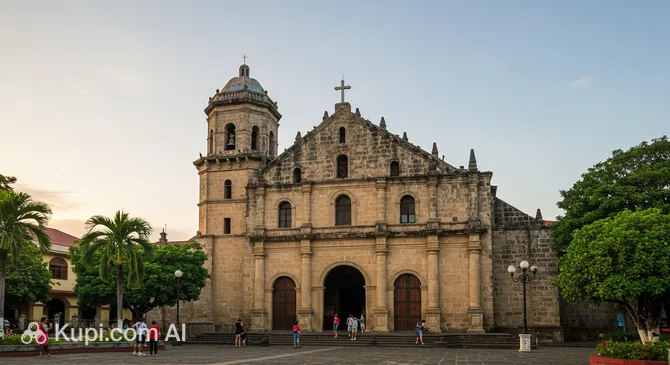
Basilica Minore del Santo Niño. Illustration.
Source: Kupi.com AI

Traveller photos:

The basilica's main relic is a miraculous statuette of the Child Jesus, known as the Santo Niño. According to tradition, this image was gifted by Ferdinand Magellan to a local ruler in 1521 and was miraculously found undamaged decades later. Today, the Santo Niño is venerated as the patron saint of Cebu City and the entire Philippines, drawing thousands of pilgrims and believers to the church, especially during the annual Sinulog Festival.

In addition to its religious importance, the Basilica del Santo Niño is also of interest to tourists who enjoy history and architecture. The current church building, constructed in the 18th century, combines elements of Baroque and Neoclassicism. Inside, you can see a richly decorated altar, ancient icons, and frescoes. Adjacent to the basilica is a museum that houses historical artifacts and religious relics telling the story of Christianity in the Philippines.

Contacts

To find out the current information about opening hours, possible tours, or to clarify other details regarding a visit to the Basilica del Santo Niño, it is recommended to check the attraction's official website or contact local tourist information centers in Cebu City. There, you will be able to find the most accurate and up-to-date information.

How to contactContact
AddressPilgrim’s Center, Osmeña Blvd, Cebu City, 6000 Cebu, Philippines
Phone+63 32 255 6697
Websitesantoninodecebubasilica.org

What to Do

A visit to the Basilica del Santo Niño in Cebu City is an opportunity to touch the unique cultural and religious heritage of the Philippines. First of all, pay attention to the basilica building itself, whose architecture harmoniously combines Muslim, Romanesque, and Neoclassical features. The main shrine of the temple is the famous statuette of the Holy Child Jesus (Santo Niño), revered as a symbol of the country's Christianization. Religious services and ceremonies are held here regularly, allowing you to immerse yourself more deeply in the atmosphere of this holy place.

Inside the basilica, visitors can examine its rich decoration in detail, and stroll through the spacious and well-kept inner courtyard, which often becomes a place for prayer and reflection. Of particular interest is the museum at the church, which houses valuable religious artifacts, ancient clerical vestments, and historical documents telling the story of Christianity in the Philippines and the basilica itself. This is a great opportunity to learn more about the cultural significance of this site.

One of the most vibrant events associated with the basilica is the annual Sinulog festival, which attracts thousands of pilgrims and tourists from all over the world with its colorful processions and dances in honor of the Santo Niño. Even if your trip does not coincide with the festival, you will find many souvenir shops in the vicinity of the basilica. Here you can purchase images of the Holy Child, religious items, and other local products as a memento of your visit to this significant place.

Getting There

The Basilica del Santo Niño is conveniently located in the heart of Cebu City, making it easily accessible for visitors. It is situated near iconic landmarks such as Osmeña Boulevard and other historical city attractions. You can reach the basilica in several ways: by taxi, city bus, or the traditional Philippine shuttle known as a jeepney. A public transport stop is located in the immediate vicinity of the temple, so you will find your way without difficulty.

If you are arriving in Cebu City via Mactan-Cebu International Airport, the trip to the Basilica del Santo Niño by taxi or rental car will take approximately 30-40 minutes. Travel time may vary depending on traffic intensity, which can be quite heavy, especially during rush hours. It is recommended to allow extra travel time if you plan to visit during popular hours.

In addition, many city tours of Cebu City include a visit to the Basilica del Santo Niño in their itinerary. This can be a convenient option for those who want to see several key city attractions as part of an organized tour and learn more about the history and culture of the Philippines.

Nearest city: Cebu City

History & Facts

The Basilica del Santo Niño in Cebu City, Philippines, is the oldest Roman Catholic church in the country and holds a rich history. Its foundation dates back to 1565 and is linked to the arrival of Spanish conquistadors led by Miguel López de Legazpi. However, the history of this holy site began even earlier, when in 1521, Ferdinand Magellan presented the ruler of Cebu and his family with an image of the Child Jesus (Santo Niño) as a baptismal gift. Later, after a fire destroyed the settlement, this image was miraculously found unharmed by Legazpi's soldiers at the very spot where the first church was subsequently established.

Originally built of wood and palm leaves, the church suffered from fires several times. Recognizing the importance of preserving the shrine, a decision was made in the 18th century to build a more durable stone structure. The current basilica building, completed in 1739, is made of hewn stone and is notable for its imposing architecture. This sturdy construction has allowed the temple to withstand the test of time and numerous natural disasters, preserving an invaluable relic for future generations.

The special significance of the Basilica del Santo Niño for the believers of the Philippines was officially recognized in 1965. To commemorate the 400th anniversary of the country's Christianization, Pope Paul VI conferred the honorary status of Minor Basilica on the church. This event highlighted its role as the cradle of Christianity in the Philippines and a center of pilgrimage for millions of Catholics. Every January, the grand Sinulog Festival is held here in honor of the Santo Niño, attracting pilgrims and tourists from all over the world.

Time Needed

When planning a visit to the Basilica del Santo Niño in Cebu City, you should aim for 1-2 hours to fully experience this iconic site. This time is generally sufficient to explore the church itself, walk through the inner courtyard, and visit the adjacent museum, which houses historical artifacts and relics related to the history of Christianity in the Philippines.

However, the duration of your visit may vary. If you wish to immerse yourself deeper into the atmosphere of the place, pray peacefully, or study the museum exhibits in detail, you might need a bit more time. It is also worth considering that on days of major religious holidays or festivals, such as Sinulog, the basilica attracts a huge number of pilgrims and tourists, which may increase the time needed for viewing due to the large crowds.

Overall, for most visitors, two hours will be quite enough to get a general idea of the basilica, its significance, and its beauty. If you are particularly interested in religious history or want to catch a specific service, it is recommended to check the schedule in advance and perhaps allocate extra time.

Working Hours

The Basilica del Santo Niño in Cebu City is an important pilgrimage site and one of the oldest churches in the Philippines. Generally, the basilica is open to visitors daily, especially given its religious significance. However, exact opening hours for tourists, as well as mass schedules, may vary, especially during religious holidays or special events. Usually, entrance to the basilica itself is free, but a ticket may be required to visit the museum within it.

It is recommended to verify the current opening hours and any potential restrictions immediately before your visit on the basilica's official website or through local tourist information centers in Cebu City. Advance booking for a simple visit to the church is usually not required, but special rules may apply for group tours or during periods of major religious events. The basilica operates year-round.

6:00 – 19:00

Nearby

A visit to the Basilica del Santo Niño is undoubtedly a landmark event for any traveler in Cebu City. However, to make your introduction to this historic district complete, we recommend exploring its surroundings as well. Located very close to the basilica are other equally interesting attractions that will help you gain a deeper understanding of the rich history and culture of this Philippine city.

A stroll through the nearby streets will allow you to discover other significant sites, each holding its own unique story. This is a wonderful opportunity to broaden your experience and see how closely the past and present of Cebu City are intertwined. Below is a list of some attractions located in the immediate vicinity of the Basilica del Santo Niño.

NameDistance
Magellan's Cross0.1 km
Cebu Metropolitan Cathedral0.2 km
Plaza Independencia0.3 km
Fort San Pedro0.4 km
National Museum of the Philippines – Cebu0.4 km
Carbon Market0.4 km
Heritage of Cebu Monument0.5 km

Reached the bottom of the page?

Looks like you know this route inside out