Support

Aguinaldo Shrine

About

The Aguinaldo Shrine is a significant historical site and museum complex located in Manila, the capital of the Philippines. This place is inextricably linked with the name of Emilio Aguinaldo, one of the key figures in the country's history, and preserves the memory of important events in the Philippine movement for independence.
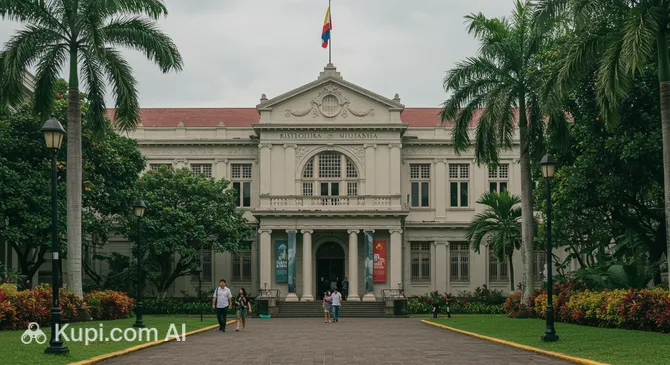
Aguinaldo Shrine. Illustration.
Source: Kupi.com AI

Traveler photos:

Emilio Aguinaldo was the first President of the Philippine Republic, and his home, now transformed into a shrine, witnessed the proclamation of Philippine independence from Spain on June 12, 1898. It was from the balcony of this house that the Philippine flag was first raised and the national anthem was played. Visiting the shrine provides a deeper understanding of this turning point in Philippine history.

Inside the museum, visitors can see Aguinaldo's personal belongings, historical documents, photographs, and artifacts that tell the story of his life and era. The building itself is a magnificent example of colonial architecture with many interesting details, including secret passages and symbolic elements reflecting the patriotic spirit of its owner. This site is a must-visit for anyone interested in the history and culture of the Philippines who wants to connect with its heroic past.

Contacts

To find up-to-date information on opening hours, ticket prices, and available tours for the Aguinaldo Shrine, we recommend visiting the museum's official website, if available, or contacting local tourist information centers in Manila. You can also find useful details on travel portals dedicated to the Philippines or directly on-site upon arrival.

How to contactContact
Address15, 52 Tirona Hwy, Kawit, 4104 Cavite, Philippines
Phone number+63 46 484 7643

What to Do

Visiting the Aguinaldo Shrine is a true immersion into the history of the Philippines. Once there, you can walk through the rooms of the historic mansion where Emilio Aguinaldo lived and worked. Take note of the authentic furnishings and the architectural details of that era. A highlight is the famous Independence Balcony, where the country's independence was proclaimed. Imagine the excitement of those historical moments as you stand in that very spot. Many visitors find it interesting to explore the reputed secret passages and symbolic elements integrated into the house's design.

Inside the house-museum, a rich collection of exhibits awaits. You can take a close look at General Aguinaldo's personal belongings, his weapons, clothing, and awards. Of particular interest are the original documents, photographs, and maps related to the Philippine Revolution and the period of the First Philippine Republic's formation. Each item tells its own story, providing a deeper understanding of Aguinaldo’s personality and the historical context of his time. Guided tours, if available, can reveal even more details and stories behind the exhibits.

In addition to exploring the interiors and exhibits, visitors can walk around the shrine’s grounds, if they are open to the public. Often, such historical sites are surrounded by gardens where you can rest and reflect on what you've seen. The Aguinaldo Shrine offers a unique opportunity not just to learn about a vital period in Philippine history, but to experience its atmosphere by touching relics of the past and visiting the place where the nation's destiny was shaped.

Getting There

There are several ways to reach the Aguinaldo Shrine from central Manila, each with its own characteristics. The best option depends on your preference for comfort, budget, and the time you are willing to spend traveling. Keep in mind that traffic in the capital of the Philippines can be heavy, especially during peak hours.

Public transport is one of the most common ways to get to the Aguinaldo Shrine. Manila has a well-developed network of bus routes and, of course, the famous Philippine jeepneys. You can take one of these to reach the area where the shrine is located. For convenience, you might start your journey on one of the elevated railway lines (LRT/MRT) to the station nearest your destination, then transfer to a bus or jeepney. It is recommended to check current routes locally or using online maps and transport apps.

A more comfortable, though generally more expensive, option is taking a taxi or using popular ride-hailing apps available in the Philippines. Tell the driver the exact name – Aguinaldo Shrine. The ride from central Manila or a major metro station can take anywhere from 45 minutes to an hour and a half, depending on traffic, which can be quite intense in Manila. This is a good choice if you value time and comfort, especially when traveling in a group or with children.

Nearest city: Manila

History & Facts

Beyond his well-known role in the movement for the independence of the Philippines, Emilio Aguinaldo, whose legacy is memorialized at the Aguinaldo Shrine, was also involved in the country's religious life. Notably, on April 7, 1948, he served as a sponsor for three bishops of the Philippine Independent Church during their re-consecration ceremony. This significant event took place at St. Luke's Cathedral in Manila.

The Philippine Independent Church, founded in 1902 by Isabelo de los Reyes, is a significant historical phenomenon in its own right. It emerged as a national Catholic church, reflecting the Filipinos' desire for greater spiritual autonomy after centuries of colonial influence. Its creation was a response to the need for a church organization more closely tied to national identity.

In the mid-20th century, the church underwent a period of theological transformation. On August 5, 1947, the Philippine Independent Church officially approved a new Declaration of Faith based on Trinitarian principles. This decision led to a division within the church into Trinitarian and Unitarian factions. Aguinaldo's participation as a sponsor for the bishops the following year likely indicates his support for certain movements within the church or his general desire to support national institutions during their formative years.

These facts reveal another side of Emilio Aguinaldo—his interest in the nation's spiritual life and his support for independent Philippine institutions. Thus, the Aguinaldo Shrine serves as a reminder not only of political milestones but also of the complex path to forming the Philippine nation, including its religious self-determination.

Time Needed

For a typical visitor, 1-2 hours is usually enough to explore the Aguinaldo Shrine. This time is sufficient to see the museum's main exhibits, walk through the historic rooms of Emilio Aguinaldo's house, and, of course, see the famous Independence Balcony. You will have time to feel the atmosphere of this iconic site and get a general idea of its historical importance to the Philippines.

If you have a deep interest in the history of the Philippines and the life of Emilio Aguinaldo, and plan to carefully study all the documents, photographs, and artifacts—or perhaps use the services of a guide (if available)—you should set aside more time, possibly up to 3 hours. This will allow you to leisurely dive into the details and gain a more complete understanding of this important historical landmark in Manila.

Overall, the Aguinaldo Shrine is not the kind of attraction that requires a whole day to explore, but its significance makes it a must-visit for those who want to better understand the country's history. Plan your time based on your level of interest in the details and your overall sightseeing pace.

Working Hours

When planning your visit to the Aguinaldo Shrine, it is important to remember that exact information regarding its current operating schedule is not available. Historical sites of such significance, like the Aguinaldo Shrine in Manila, usually have set visiting hours, but these can change depending on the day of the week or the season. It is also worth checking if advance ticket booking is required, especially if your visit coincides with peak tourist times.

Generally, attractions of this level in the Philippines aim to be accessible to visitors year-round. However, to ensure your trip goes smoothly and your visit to the Aguinaldo Shrine is a pleasant experience, we recommend verifying the schedule before you go. This is particularly important as changes may occur due to special events, public holidays, or seasonal factors. Therefore, checking the details in advance will help you plan your visit as effectively as possible.

DayOpening hours
MondayClosed
Tuesday9:00 – 16:00
Wednesday9:00 – 16:00
Thursday9:00 – 16:00
Friday9:00 – 16:00
Saturday9:00 – 16:00
Sunday9:00 – 16:00

Nearby

A visit to the Aguinaldo Shrine is undoubtedly an important experience for anyone interested in the history of the Philippines. However, to make your trip to Manila even more fulfilling and memorable, it's worth exploring the nearby attractions. Discovering the surrounding areas will allow you to immerse yourself deeper in the city's atmosphere and uncover new points of interest.

There are several other notable sites near the Aguinaldo Shrine and its vicinity that can complement your experience. From parks to entertainment complexes, Manila offers a variety of options to continue your tourist itinerary.

NameDistance
Aguinaldo Freedom Park0.1 km
Palacio de Memoria12.6 km
Nightmares Manila14.3 km
Roo Malate Rooftop Cafe16.1 km
Coconut Palace16.2 km
De La Salle University Museum16.2 km
Mansion Sports Bar and Lounge17.2 km

Have you reached the end of the page?

So the route has been studied inside and out