Support

Coimbra

About

Coimbra is the heart and soul of historic Portugal, a city picturesquely situated on the hills along the banks of the Mondego River. Thanks to its convenient location between Lisbon and Porto, Coimbra serves as an excellent starting point for those wishing to dive deeper into the country's culture and history. The narrow cobbled streets of the old town lead upward to its historic center, while the riverfronts offer enchanting views of tiled roofs and ancient towers.

With a population of about 143,000 people, the city maintains a cozy atmosphere without diminishing its significance as an important cultural and educational center. In the 13th century, Coimbra was the capital of Portugal, and this rich past is felt at every step. Today, the city is famous for its harmonious blend of centuries-old traditions and the vibrant energy of youth—thousands of students fill it with life and a creative spirit.
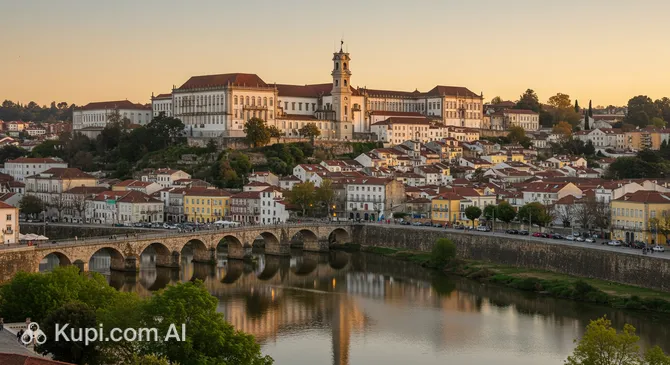
Coimbra. Illustration.
Source: Kupi.com AI

Among Coimbra's main attractions, its famous University stands out—one of the oldest in Europe, majestically overlooking the city. Its ancient buildings, the magnificent Joanina Library, and the botanical garden attract visitors from all over the world. Equally interesting is the Old Town (Alta Cidade) with its labyrinth of narrow streets, ancient churches like the Old Cathedral (Sé Velha), and cozy squares where traditional Fado melodies can be heard in the evenings.

Visiting Coimbra is an opportunity to immerse yourself in a unique atmosphere where history comes alive at every corner, and student zest gives the city an unmistakable charm. It is a journey through time that reveals the secrets of Portuguese culture and leaves unforgettable impressions.

You can find more interesting facts on the history of Coimbra page.
Weather Overview

In Coimbra, a pleasant Mediterranean climate awaits you, characterized by warm, dry summers and mild, wetter winters. In the summer months, especially in July and August, the average air temperature stays around 22°C, with maximum values potentially reaching 28°C, and precipitation is practically absent. In winter, for example in January, the average temperature is about 9.5°C, with minimum night temperatures around 5.3°C, and more precipitation falls during this time of year, particularly from November to April.

In general, Coimbra is characterized by summers with temperatures often rising to 25-28°C and very little rain, and winters with temperatures ranging roughly from 5°C to 15°C with more frequent precipitation. For more detailed information on weather conditions and to plan your trip in the best possible way, we recommend checking the Coimbra Climate page.

Average monthly temperature

Average monthly precipitation

Interesting Facts

Coimbra is not just about an ancient university and picturesque streets. This city, the former capital of Portugal, is full of fascinating stories and facts that aren't always on the surface. Here are just a few of them:

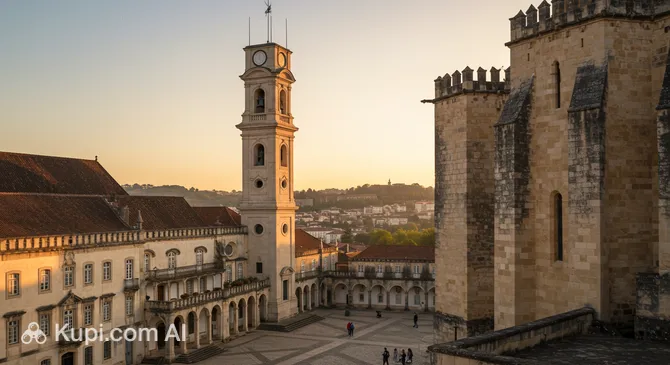
University of Coimbra Tower. Illustration.
Source: Kupi.com AI

Traveler photos:

  • Coimbra is the cradle of one of the oldest universities not only in Portugal but in all of Europe, founded back in 1290. Its historic campus, including the famous Paço das Escolas, is recognized as a UNESCO World Heritage site, and the Joanina University Library, with its Baroque splendor and colony of bats that protect the books from insects, is considered one of the most original and beautiful in the world.

  • Before Lisbon became the capital, it was Coimbra that held this honorable title for over a hundred years (from 1131 to 1255). It was here that the foundations of Portuguese statehood were laid, and the first king of Portugal, Afonso Henriques, rests in the Santa Cruz Church.

  • Every year in May, Coimbra is transformed by \"Queima das Fitas\" (Burning of the Ribbons)—one of the largest and most colorful student festivals in Europe. This tradition, symbolizing the end of the academic year, includes grand parades, concerts, and serenades, filling the city with music and joy.

  • The city is inextricably linked to Portugal's most famous and tragic love story—the romance between Prince Pedro I and Inês de Castro. Their forbidden passion, the brutal murder of Inês, and her legendary posthumous coronation took place right in the vicinity of Coimbra, and the Quinta das Lágrimas Gardens are considered the site of their secret meetings and witnesses to this drama.

How to Get There

Coimbra enjoys a strategically convenient position in the center of Portugal, making it easily accessible for travelers. Although the city does not have its own airport, a well-developed transport network allows for quick and comfortable travel from the country's key transport hubs. If you are planning a trip, we recommend reviewing all ways to get to the city to choose the most suitable route.

The main air gateways for traveling to Coimbra are the airports of the country's two largest cities—Porto and Lisbon. The closest is Porto Airport (OPO), located about 118 km to the north. This is a major international hub receiving flights from all over the world. Thanks to excellent transport links, the journey from here to Coimbra by train, bus, or car usually takes only 1.5–2 hours, making this option very popular.

Another sought-after option is Lisbon Humberto Delgado Airport (LIS), located in the capital, approximately 170 km to the south. This is the country's main and busiest airport. Traveling by land from Lisbon to Coimbra is also very comfortable and will take approximately 2–2.5 hours, especially if you use the Alfa Pendular high-speed trains.

For clarity, here is summary information on the main airports through which you can plan your route:

AirportPassenger trafficDistance
Porto Airport15.9 mln118 km
Lisbon Portela Airport35.1 mln170 km
Cascais Municipal Aerodrome35 000183 km
Badajoz Airport75 416200 km
Vigo Airport1.1 mln226 km

As for rail connections, Coimbra is an important station on the country's main line (Coimbra-B station). However, if you are considering complex routes through neighboring Spain, keep in mind that the nearest major Spanish hubs are quite far away. For example, Badajoz Railway Station is located about 190 km away. The journey from there by car can take about 2.5–3 hours.

Below is a table with data on railway stations in the region (predominantly Spanish) that may be used when building complex itineraries across the Iberian Peninsula:

StationPassenger trafficDistance
Badajoz Railway Station125 198191 km
Cáceres Railway Station426 505192 km
Vigo Railway Station1.3 mln227 km
Mérida Railway Station470 592228 km
Ourense Railway Station2.2 mln241 km

Main Attractions

Coimbra, the former capital of Portugal, enchants with its rich history and unique atmosphere. The city is famous for one of the oldest universities in Europe, picturesque streets, and many attractions that draw tourists from all over the world.

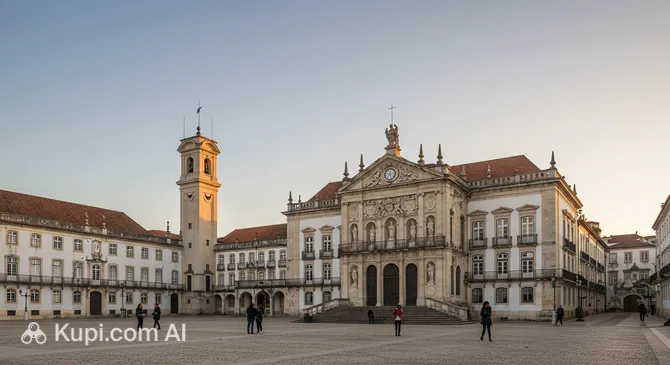
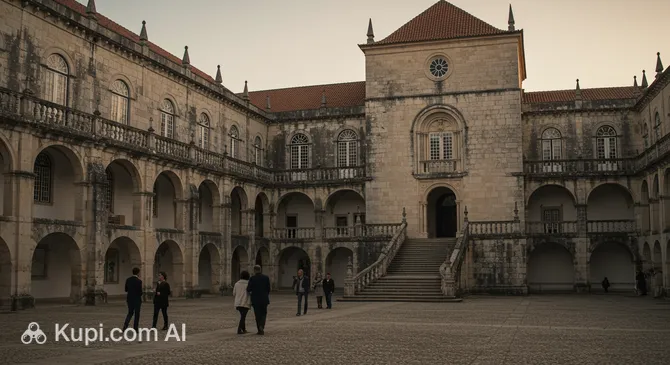
The heart of the city and its main pride is the University of Coimbra, and its historic center is Paço das Escolas. This is a magnificent palace complex housing the famous Joanina Library with its Baroque splendor, the Royal Palace, and St. Michael's Chapel. A visit to this site allows you to immerse yourself in centuries of academic history and enjoy stunning views of the city.

Paço das Escolas. Illustration.
Source: Kupi.com AI

Traveler photos:

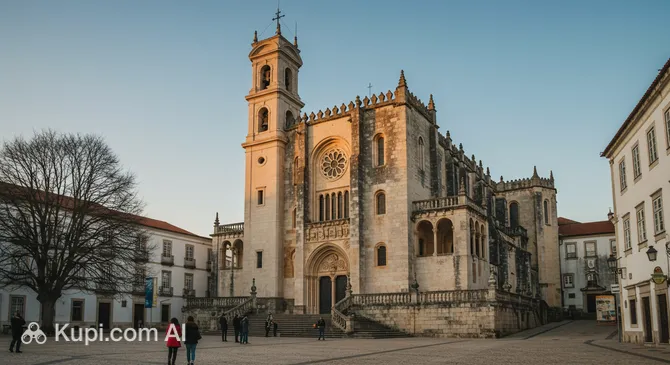
Near the university rises the Old Cathedral of Coimbra (Sé Velha). This 12th-century Romanesque cathedral, resembling a fortress, is one of the most important monuments of Portuguese architecture. Its austere facade and richly decorated interior impress with their monumentality and historical significance. Here, you can feel the spirit of the Middle Ages and learn more about the city's religious past.

Old Cathedral of Coimbra. Illustration.
Source: Kupi.com AI

Traveler photos:

On the left bank of the Mondego River lies the Monastery of Santa Clara-a-Velha. This 14th-century Gothic monastery has a dramatic history—due to frequent flooding, it was abandoned and partially submerged. Today, its partially restored ruins are a unique sight and tell a story of resilience and the turns of fate. This place attracts history buffs and lovers of romantic atmospheres.

Monastery of Santa Clara-a-Velha. Illustration.
Source: Kupi.com AI

Traveler photos:

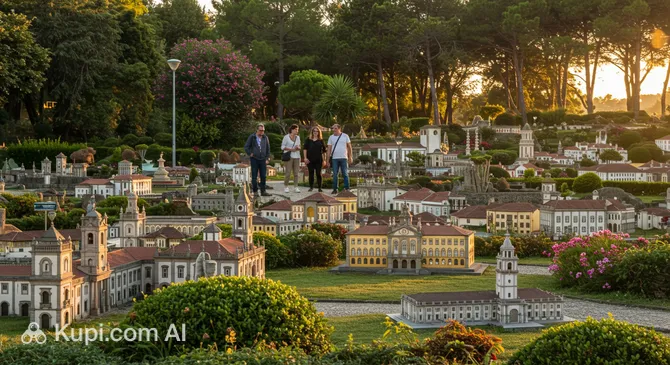
For travelers with children and anyone who wants to see the whole country in one day, the theme park Portugal dos Pequenitos (Portugal in Miniature) is a must-visit. It features miniature replicas of the most famous Portuguese buildings, monuments, and typical villages. It is a fascinating and educational place where you can have fun and take many interesting photos.

Portugal dos Pequenitos. Illustration.
Source: Kupi.com AI

Traveler photos:

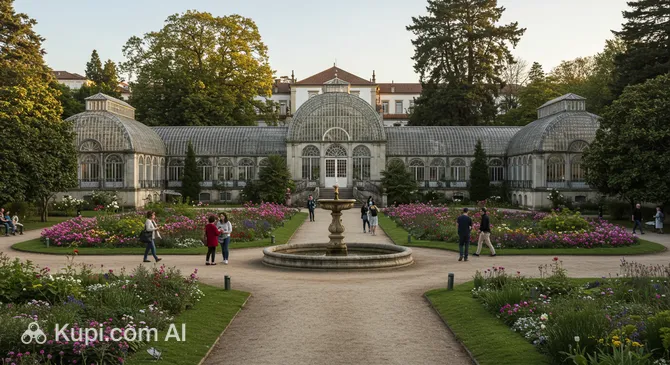
Nature lovers and those who enjoy quiet walks should visit the Botanical Garden of the University of Coimbra. Founded in the 18th century, this garden is one of the oldest and most beautiful in Portugal. Its vast territory is home to many exotic plants from all over the world, with greenhouses, fountains, and cozy alleys. It is the perfect place to relax from the city bustle and enjoy the beauty of nature.

Botanical Garden of the University of Coimbra. Illustration.
Source: Kupi.com AI

Traveler photos:

Local Cuisine

The cuisine of Coimbra is a fascinating journey into the world of traditional Portuguese flavors, where ancient recipes harmoniously blend with local flair. The city's gastronomic scene offers many discoveries for both gourmet experts and curious travelers eager to experience authentic food.

One of the main culinary symbols of Coimbra and the entire Bairrada region is Leitão à Bairrada—tender suckling pig roasted in a wood-fired oven until it develops a delicious crispy skin, seasoned with garlic and spices. This dish often takes center stage on festive tables and in reputable restaurant menus. Among desserts, you must try Pastéis de Santa Clara—delightful puff pastry cakes filled with egg yolks and almonds, whose history, according to legend, is linked to the nuns of the local Santa Clara Monastery. Various types of fresh fish and seafood, grilled or prepared as stews, are also popular.

Accompanying meals in Coimbra with local wines is traditional. Wines from the Bairrada region deserve special attention, known for their rich reds, refreshing whites, and sparkling wines. Among non-alcoholic drinks, fresh juices, lemonades, and, of course, traditional Portuguese coffee—a strong and aromatic espresso (bica)—are popular.

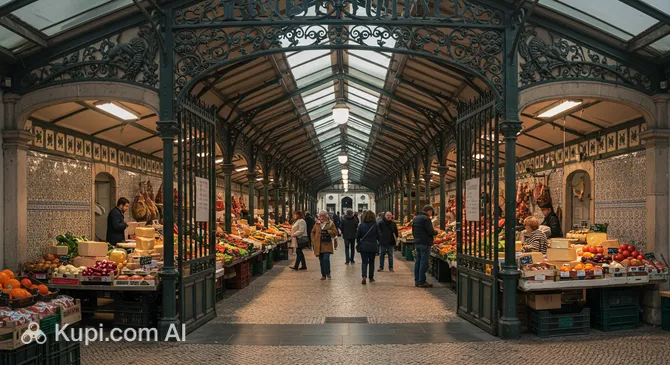
The food culture in Coimbra is diverse. Locals and tourists alike enjoy dining in traditional restaurants and "tascas" (small family taverns), where home-cooked meals and a friendly atmosphere can be enjoyed. To dive deeper into the city's gastronomic life, visit the D. Pedro V Municipal Market. Here, you will find an abundance of fresh local products: from farm cheeses, sausages, and olives to seasonal fruits and vegetables. It is an excellent place not only for shopping but also for observing the daily life of the city's residents.

D. Pedro V Municipal Market. Illustration.
Source: Kupi.com AI

Traveler photos:

Coimbra's gastronomic features attract tourists with their authenticity and quality. The foundation of local cuisine is fresh, seasonal products, simple yet expressive flavors, and respect for culinary traditions. A visit to Coimbra will give you unforgettable impressions of real Portuguese cuisine.

Travel Tips

Welcome to Coimbra, Portugal's ancient university city, full of history and charm! To ensure your trip goes smoothly and leaves only pleasant impressions, we have prepared some practical tips.

  1. Clothing and essentials:

    The climate in Coimbra is Mediterranean, with warm, dry summers and mild, rainy winters. In summer, bring light clothing, sunscreen, a hat, and sunglasses. In winter, layered clothing, a waterproof jacket, and an umbrella will be useful. A key wardrobe element at any time of year is comfortable shoes, as the city is located on hills and you will be walking a lot on cobblestones. For visiting churches and university buildings, modest clothing (covered shoulders and knees) may be required. Don't forget a Type F power adapter.

  2. Getting around the city:

    Coimbra's historic center is best explored on foot, but keep in mind the city is quite hilly. The main mode of public transport is SMTUC buses, including modern electric ones. Route information can be found on their website or app. Taxis are available, and ride-hailing apps may also work. Renting a car is not necessary for moving around the center due to narrow streets and limited parking, but can be useful for trips to the surrounding areas.

  3. Finances:

    The official currency in Portugal is the Euro (EUR). You can exchange money at banks or exchange offices ("câmbios"). Credit and debit cards (Visa, Mastercard) are accepted everywhere, but it's always useful to have some cash for small purchases. ATMs (Multibanco) are easy to find. An approximate daily budget per person (excluding accommodation) could be 50-80 euros. Tipping is not mandatory but appreciated: it is customary to leave 5-10% of the bill for good service in restaurants, and you can round up the amount in taxis.

  4. Health and Safety:

    Coimbra is generally a safe city. However, as elsewhere, watch your belongings, especially in crowded tourist areas like the university quarter or the Baixa district. Pharmacies ("Farmácia") are easily recognized by a green cross; some operate 24/7 on a rotation schedule. If medical assistance is needed, EU citizens can use their EHIC card. Tourists from other countries are recommended to have travel insurance. The emergency number is 112.

  5. Communication:

    The official language is Portuguese. In tourist areas, hotels, and among young people, many speak English. Nevertheless, knowing a few basic phrases in Portuguese (e.g., Olá – Hello, Por favor – Please, Obrigado/Obrigada – Thank you (said by man/woman)) will be very helpful and endear you to the locals. Local operator SIM cards can be purchased in their offices or at the airport. Wi-Fi is available in many cafes, hotels, and some public places.

  6. Local Etiquette:

    Portuguese people are generally friendly and polite. It is customary to greet people (Bom dia – Good morning, Boa tarde – Good afternoon/evening). Act with restraint in public places. If you attend a Coimbra Fado performance, remember that it is customary to remain silent while the songs are being performed.

  7. What to avoid:

    Try not to compare Coimbra to Lisbon or Porto in the presence of locals, as each city takes pride in its uniqueness. Also, avoid loud talking and laughing during Fado performances—this is considered a sign of disrespect toward the musicians and the tradition.

  8. Coimbra's special feature – Student Spirit and Fado:

    Coimbra is primarily a city of students. Be sure to visit the famous University of Coimbra, one of the oldest in Europe. Also, don't miss the chance to hear unique Coimbra Fado—it differs from Lisbon's and is traditionally performed by male students in black capes. This is an unforgettable experience that will help you feel the city's atmosphere more deeply.

We hope these tips help you better prepare for your trip and enjoy every moment in beautiful Coimbra. We wish you an unforgettable journey!

Entertainment & Nightlife

Coimbra, one of the oldest university cities in Europe, is famous not only for its rich history and academic traditions but also for its lively nightlife, largely due to its large student community. As evening falls, the city transforms, offering many options for relaxation and entertainment.

The main centers of night activity in Coimbra are the Alta Cidade (Upper Town) district, especially the narrow streets around the Old Cathedral, and Praça da República. Most bars, cafes, and clubs are concentrated here. The atmosphere in these places is usually very lively and relaxed, especially on weekends and during the academic year. The crowd is diverse, but students naturally predominate, creating a democratic and energetic environment. The dress code in most establishments is casual, though some clubs may have stricter requirements.

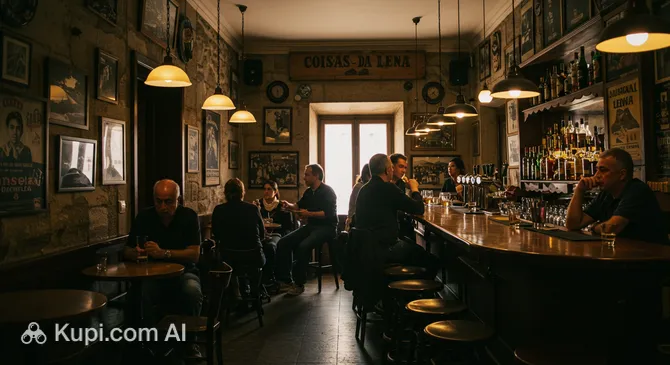
Bars in Coimbra open their doors towards the evening and usually fill up after 9:00 PM - 10:00 PM. Many offer light snacks alongside drinks. A special place is held by traditional Fado houses, where you can enjoy melancholic Portuguese songs in an authentic setting. One popular spot to experience the local flavor is the bar Coisas da Lena. For those who prefer louder fun, nightclubs open around midnight, offering music for every taste—from modern hits to alternative genres. They usually operate until 3:00 AM - 4:00 AM, and some even later.

Coisas da Lena. Illustration.
Source: Kupi.com AI

Traveler photos:

If you plan to start your evening with dinner, Coimbra has many restaurants offering both traditional Portuguese cuisine and international dishes. For example, you can visit the restaurant Zé Manel dos Ossos, known for its meat dishes and cozy atmosphere. Average prices in Coimbra's bars and restaurants are quite affordable, especially in student-oriented establishments. At night, it is convenient to move around the city by taxi or car-sharing services. Coimbra is considered a fairly safe city, however, as in any other tourist destination, it is worth observing basic precautions, especially in crowded places and late at night.

During the day, Coimbra also keeps you entertained. The city is rich in historical and cultural attractions. You can visit the famous Paço das Escolas—the heart of the old university, the Old Cathedral of Coimbra, or the New Cathedral of Coimbra. Museum enthusiasts should look into the Machado de Castro National Museum or the Science Museum of the University of Coimbra. For leisurely walks, the Botanical Garden of the University of Coimbra or the picturesque Quinta das Lágrimas Gardens are perfect.

Parks & Museums

Coimbra, an ancient university city in Portugal, offers its guests not only an immersion into rich history but also the opportunity to enjoy beautiful green spaces and educational museums. Centuries-old traditions and modern cultural spaces blend harmoniously here, making city walks both rewarding and interesting.

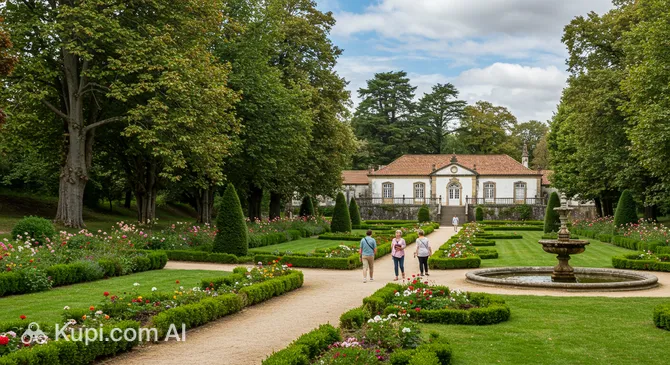
For lovers of nature and quiet relaxation, Coimbra has many attractive spots. One of the most famous is the Botanical Garden of the University of Coimbra, founded in the 18th century. Here you can spend hours walking among exotic plants, enjoying the silence and well-kept alleys. Equally charming are the Quinta das Lágrimas Gardens, steeped in the romantic legend of Pedro and Inês. These gardens offer picturesque landscapes, ancient fountains, and secluded corners for reflection. For outdoor walks, the Manuel Braga City Park, located along the Mondego River, is perfect for a break from the city bustle.

Botanical Garden of the University of Coimbra. Illustration.
Source: Kupi.com AI

Traveler photos:

Quinta das Lágrimas Gardens. Illustration.
Source: Kupi.com AI

Traveler photos:

The cultural life of Coimbra is rich and diverse, and getting to know it should start with a visit to the museums. The main one is undoubtedly the Machado de Castro National Museum. Housed in a former bishop's palace, it holds an extensive collection of sculpture, painting, and decorative arts spanning from Roman times to the present day. Those interested in science will find the Science Museum of the University of Coimbra fascinating, with interactive exhibits covering physics, chemistry, and natural sciences in an engaging way. Also worth checking out is the Exploratório – Science Center of the University of Coimbra, especially if you are traveling with children.

Machado de Castro National Museum. Illustration.
Source: Kupi.com AI

Traveler photos:

In addition to parks and museums, Coimbra is famous for its historical monuments. Be sure to stroll through the ancient streets and visit the Old Cathedral of Coimbra (Sé Velha), one of Portugal's most significant Romanesque churches. Climb the University of Coimbra Tower to enjoy a panoramic view of the city. Don't miss iconic structures like the Aqueduct of São Sebastião, also known as the Garden Arches, and the picturesque Barbican Gate leading into the old town.

Old Cathedral of Coimbra. Illustration.
Source: Kupi.com AI

Traveler photos:

For an authentic experience, stop by the small but charming Jardim da Manga (Manga Garden) with its unusual Renaissance architecture. And if you are looking for a place for quiet contemplation with a beautiful view of the city, head to Penedo da Saudade Park, especially at sunset—this spot doesn't have its own page yet, but it's easy to find on the city map.

Getting Around

When planning your travel around Coimbra, you will find that the public transport system here is quite convenient and primarily focused on bus services. The main operator is the municipal company SMTUC (Serviços Municipalizados de Transportes Urbanos de Coimbra), which serves the city and its surroundings.

The primary mode of transport in Coimbra is the bus. The SMTUC route network is quite extensive, covering most areas of the city, including the university campus, the historic center, and more remote residential zones. Buses run according to a schedule, which can be found at stops or on the official SMTUC website. There are also special night routes known as "Corujão."

One of the unique features of Coimbra's transport system is the Elevador do Mercado. This is essentially a funicular or lift connecting the lower part of the city (near the Mercado Municipal D. Pedro V) with the upper, historic part. It is especially useful given the city's hilly terrain, helping to easily overcome the steep climb.

The fare payment system in Coimbra offers several options. You can purchase a single-trip ticket directly from the bus driver, though this is usually more expensive. A more economical option is to buy tickets in advance at special SMTUC kiosks, newsstands (papelarias), or vending machines. There are also reloadable transport cards (similar to cards in other Portuguese cities) that allow you to save on every trip. For tourists, passes for a certain number of trips or for a day might be of interest, if available.

Practical tips for tourists: Always validate your ticket or card when boarding the bus using the special devices. Buses generally operate from early morning until late evening, but frequency may decrease on weekends and holidays, as well as in the evening. It is recommended to check the schedule for your required routes in advance. Stops are clearly marked, and many provide information about the routes that pass through them.

Besides public transport, other modes of travel are available in Coimbra. Taxis can be found at designated stands or called by phone. Given the compactness of the historic center, many attractions can be explored on foot, though be prepared for inclines and descents. In recent years, a bike-sharing system has also been developing, which can be a pleasant alternative for exploring the city in good weather.

Accommodation

In Coimbra, you will find a variety of accommodation options to suit any traveler's needs, from budget hostels to comfortable hotels and apartments. The city offers a wide range of housing, including guesthouses, mid-range hotels, and options for more discerning tourists.

Many tourists prefer to stay in the historic heart of the city. The Alta Cidade (Upper Town) district, home to the famous University of Coimbra and its University Tower, is very popular due to its atmosphere and proximity to major attractions. Another convenient area is Baixa (Downtown), the commercial center by the Mondego River, from where it is easy to reach iconic sites like the Santa Cruz Church.

University of Coimbra Tower. Illustration.
Source: Kupi.com AI

Traveler photos:

Although specific hotel names are not listed in the current data, rest assured that Coimbra offers a wide selection: from cozy family guesthouses and modern apartments available for short-term rent to classic hotels of various categories. You will be able to find an option that matches your preferences and budget.

When planning your trip, especially during the peak tourist season (summer) or during major university events, it is recommended to book accommodation in advance. This will allow you to choose from a larger number of options and potentially find better deals.

The price range for accommodation in Coimbra varies: you can find both very budget-friendly options and higher-end hotels. The most common booking methods are popular international online platforms and travel aggregators, as well as direct booking through official hotel websites.

Nearby Cities

For those who want to explore the surrounding area, Coimbra serves as an excellent starting point for day trips to several interesting nearby locations:

CityPopulationDistance
Condeixa-a-Nova17 07812 km
Penacova15 25113 km
Miranda do Corvo13 09814 km
Lousã17 60417 km
Mealhada20 42820 km

Each of these towns offers unique experiences and attractions, making them wonderful options for short trips from Coimbra:

  • Figueira da Foz — a popular coastal resort known for its long sandy beaches, perfect for surfing and relaxing by the ocean, as well as its famous casino.
  • Pombal attracts travelers with its majestic medieval castle dominating the town and its charming historic center where you can feel the spirit of the past.
  • Águeda has gained worldwide fame thanks to the annual AgitÁgueda art festival and its "Umbrella Sky Project" installation, which turns the streets into a bright and unforgettable fairy tale.
  • Cantanhede offers a more relaxed holiday, an introduction to local traditions, the opportunity to visit the Stone Museum (Museu da Pedra), and enjoyment of the measured atmosphere of the Portuguese province.
  • Anadia, located in the heart of the Bairrada wine region, is a must-visit for wine connoisseurs. Here you can visit the Bairrada Wine Museum and taste the famous local sparkling wines.

These nearby destinations provide an insight into the diverse culture, history, and landscapes of the Central Portugal region.

Shopping & Souvenirs

Coimbra offers pleasant shopping opportunities, combining modern shopping centers with traditional stores and markets. The city is not so much famous for exclusive goods as it is for offering a good selection of Portuguese products, including ceramics, textiles, leather goods, and souvenirs related to its rich history and famous university.

The main shopping areas are concentrated in the Baixa (Downtown) district, or the Lower Town. Here, on pedestrian streets like Rua Ferreira Borges and Rua Visconde da Luz, you will find many shops for clothing, shoes, jewelry, bookstores, and souvenir shops. A stroll through these lively streets is a pleasure in itself, allowing you to combine shopping with sightseeing in the historic center.

For those who prefer more concentrated shopping under one roof, Coimbra has several modern shopping centers. One of the most popular is Forum Coimbra, located on the banks of the Mondego River. It offers a wide range of international and Portuguese brands, a large food court, and a cinema. Another major shopping center is Alma Shopping, where you can also find a variety of shops and entertainment.

Forum Coimbra. Illustration.
Source: Kupi.com AI

Traveler photos:

A visit to the D. Pedro V Municipal Market (Mercado Municipal D. Pedro V) is definitely worth it. This colorful place allows you to soak up the local atmosphere and buy fresh fruits, vegetables, cheeses, sausages, olives, honey, as well as flowers and some handicrafts. The market is a great place to discover local products and traditions.

D. Pedro V Municipal Market. Illustration.
Source: Kupi.com AI

Traveler photos:

As souvenirs from Coimbra, tourists often choose ceramic items (especially azulejos—painted tiles), items with the symbolism of the University of Coimbra (scarves, mugs, pens), traditional Portuguese embroidery, cork products, and local sweets such as "Pastel de Tentúgal" or "Arrufada." In the souvenir shops of the Old Town, you can find unique handmade products.

Alma Shopping. Illustration.
Source: Kupi.com AI

Traveler photos:

Most shops in Coimbra are open Monday through Friday from approximately 10:00 AM to 7:00 PM, though some may close for a lunch break (usually from 1:00 PM to 3:00 PM). On Saturdays, shops are typically open until 1:00 PM. Large shopping centers stay open longer, usually until 10:00 PM or 11:00 PM, without breaks and on weekends. Cash (Euros) and bank cards (Visa and Mastercard are most common) are accepted. In small shops and markets, it is preferable to have cash on hand.

Tourists from non-European Union countries can take advantage of the Tax-Free system when making purchases over a certain amount in participating stores. To do this, you must request a special Tax-Free form at the time of purchase and present it along with the goods at customs when leaving the EU to receive a VAT refund.

Nearby cities

Reached the end of the page?

That means the route is fully explored