Support

Jardim Botânico da Universidade de Coimbra

About

Imagine a quiet green oasis stretching over more than 13 hectares right in the city center. The Botanical Garden of the University of Coimbra is one of the oldest and most significant botanical centers, gracing the city of Coimbra. Founded as a scientific base for students and researchers, today it warmly opens its doors to all nature lovers.
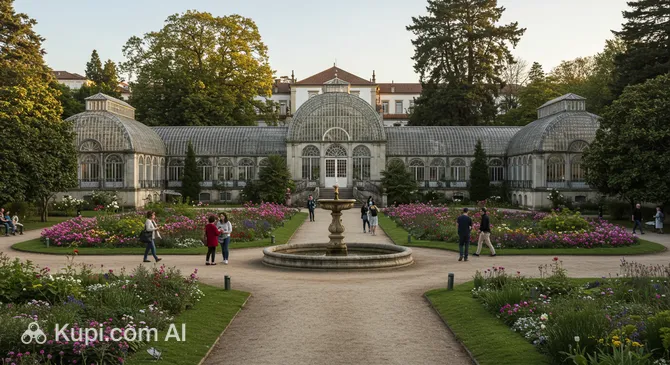
Botanical Garden of the University of Coimbra
Botanical Garden of the University of Coimbra. Иллюстрация. Источник: Kupi.com AI

The garden is rightfully considered one of the most beautiful in Portugal thanks to its incredible diversity of flora. It houses rare plant species from all over the world, harmoniously coexisting with ancient fountains, sculptures, and shaded alleys. A special charm is added to the place by the old chapel, preserved from the time of the Benedictine monks.

It is not just a park for walking, but a true living heritage where academic traditions intertwine with natural beauty. Visitors will find magnificent greenhouses and unique landscape designs that make this garden a mandatory stop on any traveler's itinerary.

Contacts

To contact the garden administration or find information about events, you can use the official contact details. Below is the key information to help you find your way and plan your visit.

How to contactContact
AddressCC Martim de Freitas, 3000-456 Coimbra, Portugal
Phone+351 239 855 215
Websitewww.uc.pt

What to Do

A walk through this garden is a true journey into a world of exoticism and silence. Visitors can stroll along shaded alleys, admiring plant collections from every continent. Special attention should be paid to the two monumental greenhouses, where tropical and subtropical species thrive in a specially created microclimate—it is one of the most impressive spots on the entire grounds.

The heart of the garden is the large central fountain, a pleasant place to relax and enjoy the tranquility. For history and architecture buffs, the old chapel and elements of classical garden design, which have been preserved here for centuries, will be of interest. Photographers will find an endless number of picturesque angles: from sun-drenched terraces to mysterious shaded grottoes.

Additionally, the garden frequently hosts temporary exhibitions, educational programs, and themed tours dedicated to ecology and botany. It is an excellent place for a peaceful family holiday or an educational visit, where you can learn a lot about our planet's biodiversity.

Getting There

Finding this green corner is easy, as it is located in the very heart of the city, in close proximity to the main building of the University of Coimbra. If you are staying in the historic center, the entrance to the garden, located at CC Martim de Freitas, is easily reachable on foot while enjoying the atmosphere of the ancient streets.

For those who prefer public transport, bus stops served by the main city routes are within walking distance of the main gates. You can also always use taxi services or order a car through a mobile app—the ride from the train station or central squares will take no more than 5-10 minutes.

Those arriving by car should keep in mind that parking in the city center can be difficult, especially on weekdays. There are paid parking lots nearby, but during the tourist season, it is recommended to opt for walking or public transport to avoid searching for a free spot.

Ближайший город: Coimbra

History & Facts

The history of this place began in the second half of the 18th century. The Botanical Garden was founded between 1772 and 1774 at the personal initiative of the Marquis of Pombal. This was an important step within the framework of global educational reforms in the country, aimed at modernizing the scientific base of the oldest university.

Interestingly, attempts to create a scientific garden in the city were made as early as 1731, but the project was only realized forty years later. Almost immediately after its founding, the garden was merged with the National Museum of Natural History, cementing its status as the most important scientific research and educational center in the region.

Over more than two centuries, the garden has become an integral symbol and a point of pride for the locals. It has survived changing eras, preserving its unique structure and rare plant species, transforming from a closed academic site into one of the most visited and beloved recreation spots in the city.

Time Needed

To leisurely explore the main collections and soak in the atmosphere of the place, an average visitor will need between 1.5 and 3 hours. This is enough time to stroll through the main alleys, visit the historical greenhouses, and take beautiful photos by the fountains.

If you are a botany enthusiast or simply want to escape the city bustle with a book in the shade of centuries-old trees, it is worth setting aside half a day for your visit. The garden encourages deliberate contemplation, and it’s easy to lose track of time while examining exotic plants or relaxing in the park's quiet corners.

Working Hours

When planning your visit to the Botanical Garden, you can count on daily access to its beauty. The garden operates on a steady schedule throughout the week: doors are open from 9:00 AM to 8:00 PM from Monday to Sunday.

Despite the official schedule, it is recommended to check the current opening hours on the university's official website just before your trip, as the schedule may change during public holidays or special university events.

9:00 – 20:00

Nearby

Exploring the surroundings of the Botanical Garden will allow you to fully experience the rich history and academic spirit of the city. Iconic architectural monuments and squares are very close by, perfectly complementing your walk.

Many of these sites are within walking distance, making route planning easy and pleasant.

NameDistance
São Sebastião Aqueduct (Arcos do Jardim)0.2 km
Paço das Escolas0.5 km
Iron Gate0.5 km
University of Coimbra Tower0.5 km
New Cathedral of Coimbra0.5 km
Sereia Garden0.5 km
Nau Coffee0.6 km

Reached the end of the page?

That means the route is fully explored